
Choosing a baby food maker in Singapore is about aligning the appliance’s capabilities with your daily preparation style, kitchen space, and weaning philosophy. While many parents focus heavily on brand reputation, the actual utility of a baby food maker depends on how effectively its steaming, blending, and warming functions integrate into your routine. Evaluating capacity, ease of cleaning, and safety certifications is far more critical than relying on brand names alone. This guide outlines the essential decision criteria—from texture control to local warranty support—to help you select the most suitable model for your household.
Core Functions to Compare: Steaming, Blending, and Warming
Steaming is the foundation of most baby food makers, preserving water-soluble nutrients while cooking ingredients thoroughly. When comparing models, examine the water tank design. Look for clear water level indicators and automatic shut-off mechanisms that turn off the heating element when the water runs dry. Precise timers or pre-programmed settings for different food groups, such as root vegetables, fish, or fruits, reduce guesswork and prevent overcooking.
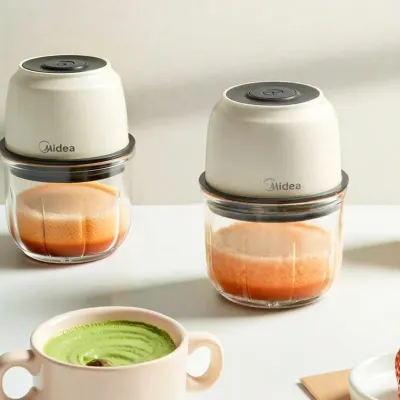
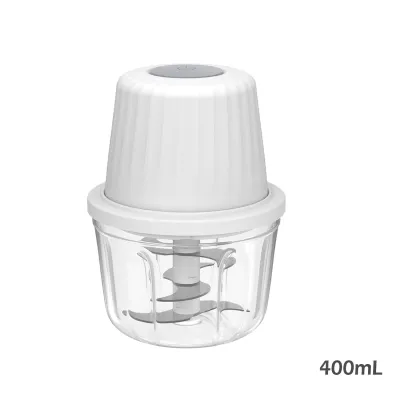
As your baby progresses from smooth purees to textured mashes and chunky meals, the blender’s versatility becomes paramount. Evaluate whether a model offers a pulse mode alongside continuous blending. Pulse modes allow you to control the blade rotation manually, preventing a fine puree when you want a chunkier texture. Examine the blade configuration; multi-angle blades generally pull food downward more effectively, ensuring an even consistency without leaving large, unblended chunks that could pose a choking hazard.
Products mentioned in this guide
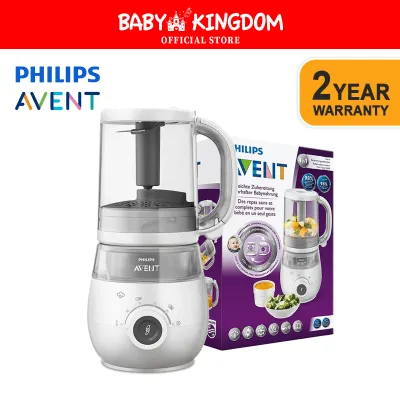
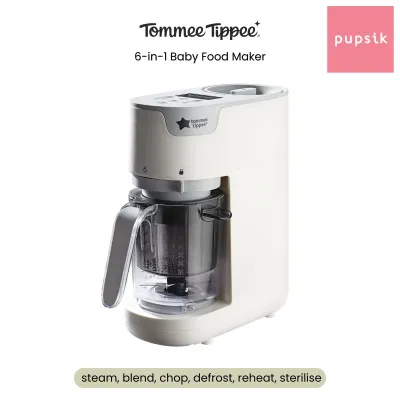
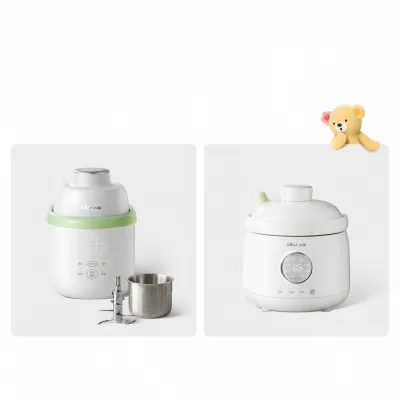
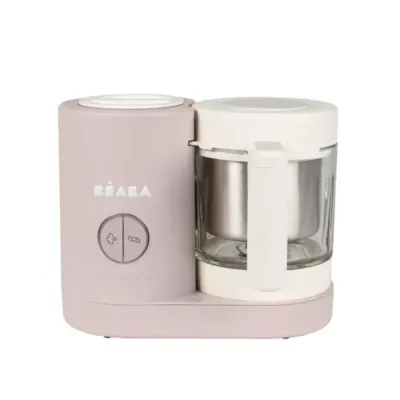
Prices are valid at publication and may change. Please refer to the product page for the latest price.
Many premium baby food makers double as bottle or food warmers. If you plan to freeze batches of baby food, check if the appliance has a dedicated defrosting or warming cycle. Consistent, low-temperature heating is essential to prevent hot spots—unevenly heated pockets of food that can burn a baby’s mouth. Verify if the manufacturer specifies a gentle warming mechanism that preserves the nutritional value of breast milk or prepared purees.
Capacity, Footprint, and Batch Preparation
The ideal bowl capacity depends on whether you prefer cooking fresh meals daily or preparing large batches to freeze for the week. Small-capacity bowls are highly efficient for single-meal preparation and minimize food waste, but they require daily cooking. Larger bowls allow you to prepare multiple portions at once, saving time but requiring more freezer storage space.

Some advanced models feature stackable or side-by-side steaming baskets. This design allows you to cook different ingredients, such as chicken in one basket and broccoli in another, simultaneously. Multi-basket systems prevent flavors from mixing and allow you to remove quick-cooking ingredients early while leaving denser foods to steam longer, preserving both texture and taste.
In Singapore, where kitchen countertops are often premium real estate, the physical footprint of the appliance is a major consideration. Measure your available counter space and check the height of the unit, especially if it opens upward under low-hanging kitchen cabinets. Look for models with integrated cord storage or stackable accessories that nest inside the main bowl to minimize clutter when the machine is not in use.
Cleaning, Maintenance, and Safety Checks
A baby food maker that is difficult to clean will quickly be relegated to the back of the cupboard. Check which components are labeled dishwasher-safe. Typically, the blending bowl and baskets can go in the top rack of a dishwasher, but the blade assembly and sealing rings often require hand washing to preserve their integrity. Ensure the blades are easily removable so you can clean food residue from the underside without risking cuts.
Singapore’s tap water contains minerals that can cause scale buildup on heating elements over time. This buildup reduces steaming efficiency and can lead to unpleasant odors. Look for models with wide-opening water tanks that allow you to see inside and scrub the surfaces easily. Regular descaling using food-safe agents, such as food-grade citric acid or white vinegar, is necessary to maintain the appliance’s performance and hygiene.
Safety is paramount when preparing food for infants. Verify that all plastic parts that come into contact with food or steam are explicitly labeled as BPA-free, phthalate-free, and made from food-grade materials. Additionally, check for safety interlock systems that prevent the blades from spinning unless the bowl and lid are securely locked into place, protecting both you and curious toddlers.
Decision Framework: Matching the Right Model to Your Routine
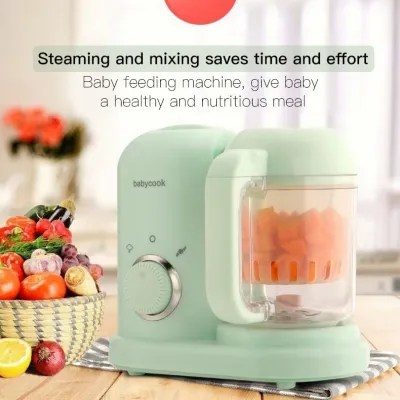
If you want a seamless, hands-off preparation process, an all-in-one steamer and blender is the most convenient choice. These machines steam the food and then allow you to blend it in the same container—sometimes automatically transferring from steaming to blending. This minimizes dirty dishes and allows you to walk away while the machine handles the entire cooking cycle.
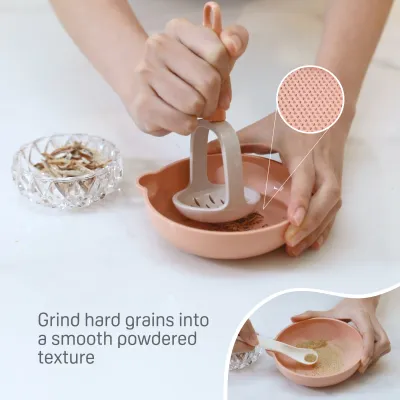
If you prefer cooking ingredients in your existing pots or steamers, a dedicated baby food maker may be redundant. Instead, a compact, high-quality blender-only model or a simple manual mashing set might suit your needs. This approach is highly cost-effective and utilizes tools you may already own, though it requires more active supervision and manual transfer of hot ingredients.
A dedicated baby food maker might not be the right investment if you plan to rely primarily on commercial organic food pouches, have extremely limited kitchen space, or prefer traditional stovetop cooking and hand-mashing. Consider your long-term feeding strategy; if you plan to transition quickly to baby-led weaning, where babies eat soft versions of family meals, a specialized puree machine may only have a useful lifespan of a few months.
Before purchasing, consider your lifestyle. If you travel frequently, look for compact, lightweight models or those with dual-voltage support. Additionally, check if the brand offers a compatible ecosystem of storage pots, reusable pouches, and freezing trays that integrate directly with the machine’s warming or filling functions.
Pre-Purchase Verification and Local Support
When shopping online, especially on international e-commerce platforms, it is easy to accidentally purchase models designed for other regions. In Singapore, household appliances must operate safely on a 230V, 50Hz electrical supply. Ensure the appliance is fitted with a safety-certified 3-pin plug and carries the local Safety Mark. Using adapters or voltage converters on high-wattage heating appliances can pose serious safety hazards.
Baby food makers are subject to daily wear and tear. Before buying, verify the warranty terms and check if the local distributor offers support. Ensure that replacement parts, such as silicone sealing rings, spare blades, and extra steaming baskets, are readily available for purchase locally. A machine can become useless if a single sealing ring degrades and cannot be replaced.
To ensure product authenticity, safety compliance, and valid warranty coverage, purchase your baby food maker from authorized local retailers or official brand stores. While parallel imports or unauthorized online sellers may offer lower upfront prices, they often lack local warranty support, leaving you without recourse if the appliance malfunctions.
Frequently Asked Questions (FAQ)
Can I use a regular food processor instead of a dedicated baby food maker?
Yes, you can use a standard food processor, but there are distinct trade-offs. Standard food processors are designed for larger batches and often struggle to blend the very small portions typical of early weaning stages, often leaving unblended chunks. Additionally, standard processors lack integrated steaming, warming, or defrosting functions, meaning you must steam ingredients separately in a pot before transferring them, which increases preparation time and cleanup.
How often should I descale the steaming water tank?
As a general rule, you should descale the water tank every one to four weeks, depending on how frequently you use the machine and the mineral content of your water. If you notice longer steaming times, a reduction in steam output, or white mineral deposits inside the tank, it is time to descale. Always consult the manufacturer’s instruction manual for the approved descaling method and recommended food-safe cleaning agents to avoid damaging the heating element.
Community discussion
Share your experience or ask a question. Comments are reviewed before publication.