
Selecting the ideal baby bags for mother requires balancing immediate storage logic with long-term material durability. For parents navigating daily routines, a bag is not merely an accessory; it is a mobile command center that must house diapers, bottles, changes of clothes, and personal essentials. The decision often comes down to choosing between purpose-built diaper bags and lifestyle or fashion crossover bags. While purpose-built options offer highly specialized compartments designed specifically for infant care, lifestyle crossovers prioritize a versatile, professional aesthetic that can transition easily to non-parenting environments.
In Singapore’s distinct environment, this choice is shaped by specific physical demands. The combination of high year-round humidity, sudden tropical downpours, and active commuting via the MRT or bus network means that material choices and build quality are paramount. A bag must not only keep its contents dry during a sudden walk from the station, but it must also resist mold, clean easily after milk spills, and remain comfortable to carry in hot weather. Understanding the trade-offs in organization and construction across different brand categories will help you select a bag that supports your daily routine without premature wear or physical discomfort.
How Leading Brands Approach Pocket Organization in Baby Bags for Mothers
When evaluating baby bags for mother, it is easy to assume that more pockets automatically equal better organization. However, effective storage layout is less about the sheer volume of compartments and more about their placement, depth, accessibility, and how they distribute weight across your body. A poorly designed bag with fifteen shallow pockets can lead to items shifting and settling at the bottom, creating a disorganized, heavy mass that strains your shoulders. Conversely, a well-planned layout keeps weight close to your center of gravity and ensures that essential items are accessible within seconds, even when holding a crying child.
Products mentioned in this guide
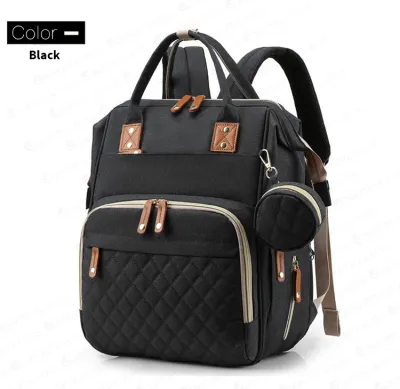
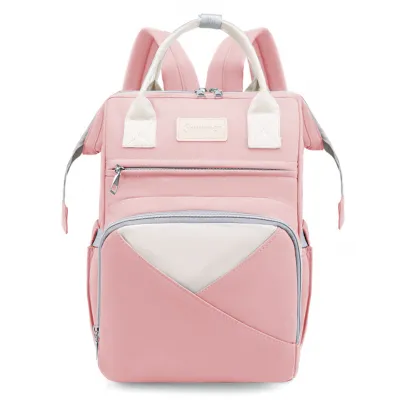
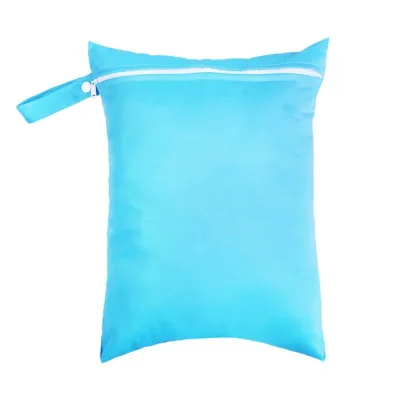
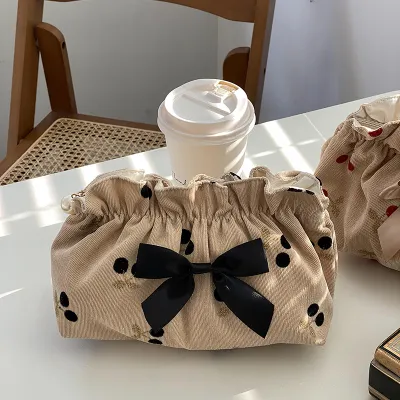
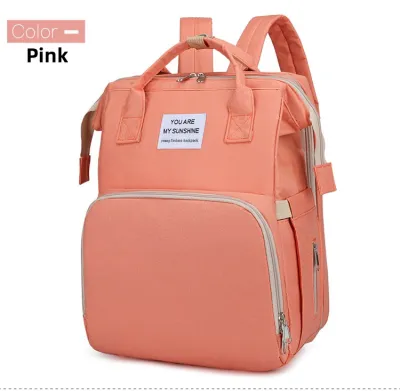
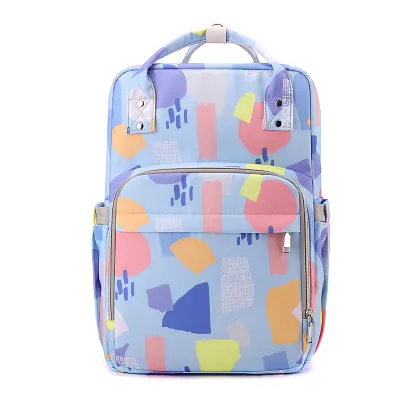
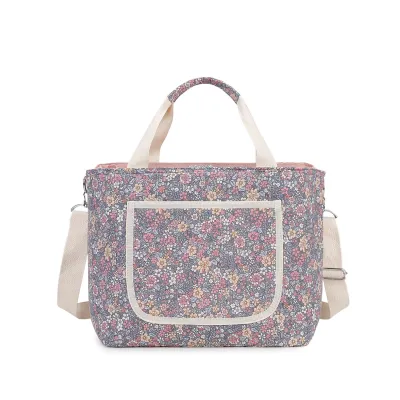
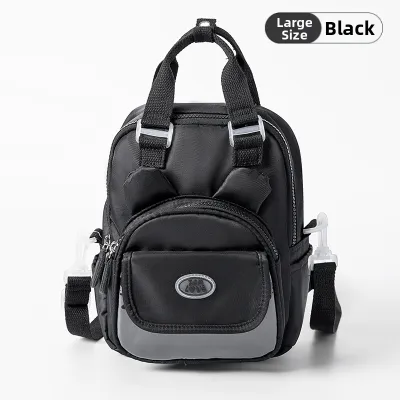
Prices are valid at publication and may change. Please refer to the product page for the latest price.
Purpose-Built Diaper Bag Brands
Dedicated baby gear brands design their products with a hyper-focused organizational philosophy. Every pocket is engineered for a specific parenting task, minimizing the time spent rummaging for critical items. These bags typically feature dedicated insulated bottle pockets lined with thermal materials to keep milk or formula at a stable temperature during outdoor trips to botanical gardens or shopping malls. They also incorporate specialized wipe pockets with magnetic or zippered exterior flaps, allowing you to pull out a wet wipe with one hand without opening the main compartment.
Furthermore, purpose-built bags frequently include integrated wet/dry compartments lined with water-resistant materials like PEVA or TPU. These compartments are invaluable for isolating damp burp cloths, soiled clothes, or wet swimwear after a play session. Many also feature dedicated, padded pockets for diaper changing mats and built-in stroller strap attachments. While this level of specialization offers unparalleled convenience, it does come with a trade-off. The extensive internal dividers, multiple zippers, and specialized hardware add substantial base weight to the bag. An empty purpose-built bag can weigh over one kilogram, which significantly increases the carrying strain once fully loaded with water, milk, and spare clothing.
Lifestyle and Fashion Crossover Brands
In contrast, lifestyle and fashion crossover brands approach organization with a minimalist and highly versatile philosophy. Rather than dictating where every item must go, these brands offer open-plan main compartments that give you the flexibility to pack according to your changing needs. This design is particularly appealing to mothers who want a single bag that can transition seamlessly from childcare drop-offs to professional office environments.
These bags often feature a clean exterior silhouette with discreet, hidden pockets for personal items like smartphones, keys, and travel cards, keeping them secure yet accessible during busy commutes. Inside, you are more likely to find a padded laptop or tablet sleeve and standard slip pockets rather than specialized baby gear compartments. This open structure is highly adaptable; as your child grows from an infant requiring dozens of small items to a toddler requiring only a water bottle and a snack, the bag remains highly functional. However, the primary drawback is that managing infant gear in an open-plan bag usually requires purchasing aftermarket accessories. To keep bottles upright and prevent leaks, or to isolate soiled items, you will need to invest in separate modular pouches, insulated sleeves, and wet bags, which can add to the overall cost and require extra effort to pack and unpack daily.
Assessing Material Durability and Build Quality
The longevity of baby bags for mother depends heavily on the quality of their materials and construction. Because these bags are subjected to heavy daily loads, frequent opening and closing, and contact with various surfaces—including park benches, restaurant highchairs, and public transport floors—relying on marketing descriptions is rarely sufficient. To ensure your investment lasts through the diapering years and beyond, you must know how to inspect physical construction details and interpret material specifications.

Fabric Choices and Tropical Weather Resistance
The choice of exterior fabric directly affects both the weight of the bag and its ability to withstand daily wear and tropical weather. High-density synthetic fabrics, such as ballistic nylon, ripstop nylon, and heavy-duty polyester, offer the best balance of tear resistance and lightweight durability. These materials are highly resilient, dry quickly, and are often treated with a water-repellent coating that helps shed rain during sudden downpours.
Vegan leather, typically made from polyurethane (PU), is a popular choice for lifestyle and fashion crossover bags due to its sophisticated, polished appearance. However, low-grade vegan leather is highly susceptible to hydrolysis—a process where humidity and heat break down the polyurethane molecules, causing the surface to crack, peel, or become sticky. If you prefer the look of vegan leather, it is crucial to check the manufacturer’s care instructions and opt for high-quality, water-resistant PU or microfiber leathers. Additionally, be prepared to store the bag in a cool, dry, well-ventilated space and avoid leaving it in direct sunlight or hot vehicles.
Canvas is another common material, offering a classic, rugged aesthetic. However, untreated canvas is highly absorbent. In a humid climate, a canvas bag can absorb atmospheric moisture and dry slowly after a spill, creating an ideal environment for mold and musty odors. If choosing canvas, verify that the fabric has been treated with a durable water repellent (DWR) coating and features a fully wipeable synthetic lining inside to protect against inevitable milk and juice spills.
Hardware, Zippers, and Structural Integrity
A bag’s zippers and hardware are its most frequent failure points. High-quality bags utilize durable, self-healing nylon coil zippers or heavy-duty metal zippers from reputable manufacturers. When testing a bag, ensure the zippers glide smoothly around corners without catching or splitting, and look for double-zipper pulls on the main compartment to facilitate quick, one-handed access from either side.
The structural integrity of the bag is determined by how the seams are stitched and how stress is distributed. Examine the points where the shoulder straps, grab handles, and stroller clips attach to the main body. These areas should be reinforced with dense, multi-directional stitching, such as bar-tacks or box-X stitches, to prevent the fabric from tearing under heavy loads.
Furthermore, consider the bag’s base design. A structured bag with a reinforced, flat bottom and protective metal feet will stand upright on its own when placed on a flat surface. This stability is incredibly helpful when you are trying to retrieve an item one-handed while holding your child. Unstructured, slouchy bags tend to collapse, making it difficult to locate items quickly and increasing the risk of bottles tipping over and leaking inside the compartment. Always remember that if you plan to hang your bag from a stroller using straps, you must verify the stroller manufacturer’s weight limits to prevent the stroller from tipping backward when your baby is lifted out.
Brand Category Comparison: Organization vs. Build Trade-offs
To help you navigate the market, it is useful to look at how different brand categories balance organization features against physical build quality. No single category excels in every area; instead, each is designed to meet specific priorities, whether that is hyper-functional storage, professional style, or rugged outdoor durability.
The following table outlines the typical characteristics, strengths, and trade-offs associated with the three primary categories of baby bags available to mothers:
| Category | Organization Style | Typical Build Materials | Best For | Potential Trade-offs |
|---|---|---|---|---|
| Purpose-Built Diaper Brands | Hyper-organized with specialized pockets (insulated bottle holders, rapid wipe access, wet/dry dividers). | Water-resistant nylon, polyester, easily wipeable synthetic linings. | Parents of newborns and infants who require highly structured, dedicated storage. | Casual, parenting-focused aesthetic; higher empty base weight; bulky profile. |
| Lifestyle/Fashion Crossover | Minimalist with open-plan interiors, laptop sleeves, and subtle exterior pockets. | Vegan leather (PU), premium nylon, neoprene, treated canvas. | Working mothers, parents of toddlers, and those transitioning between professional and family settings. | Requires separate organizer inserts for baby gear; higher cost; sensitive to humidity. |
| Outdoor/Active Brands | Utility-focused with external mesh pockets, hydration sleeves, and gear loops. | Heavy-duty ripstop nylon, ballistic polyester, water-resistant coatings. | Active parents, outdoor excursions, hiking, and heavy daily commuting. | Lacks baby-specific features (no insulated bottle pockets); highly utilitarian aesthetic. |
When selecting a bag from any of these categories, keep in mind that specific model specifications, exact weights, and current material compositions can vary. It is always recommended to verify these details on the brand’s official store or through authorized local retailers to ensure the product meets your exact needs.
Decision Framework: Choosing the Right Bag for Your Routine
Selecting the right category of baby bags for mother depends on your daily routine, your commuting habits, and how you manage childcare. By matching a bag’s design strengths to your lifestyle, you can avoid the frustration of a bag that is either too heavy, too disorganized, or too delicate for your daily needs.
Choose Purpose-Built Brands if:
- You are managing the intensive feeding and diapering needs of a newborn or infant.
- Your daily routine involves carrying multiple bottles of milk or formula that require reliable temperature control.
- You prioritize quick, one-handed access to wipes and diapers during transit and do not mind a casual, parenting-focused aesthetic.
- You want a dedicated changing mat and integrated stroller attachments included without needing to purchase separate accessories.
Choose Lifestyle Crossover Brands if:
- You need a single bag that can transition seamlessly between professional work environments and parenting duties.
- You prefer a polished, minimalist look that does not immediately look like a diaper bag.
- You frequently carry a laptop or tablet alongside a small selection of toddler essentials, such as snacks and a water bottle.
- You are comfortable using separate, modular internal pouches or felt organizers to keep baby items clean and accessible.
Choose Outdoor/Active Brands if:
- Your daily routine involves long walks, outdoor park visits, hiking, or heavy physical commuting where carrying comfort is your top priority.
- You require maximum tear resistance, heavy-duty weatherproofing, and breathable back panels to reduce sweat in humid tropical climates.
- You are willing to sacrifice specialized baby-focused compartments in exchange for superior ergonomic support and long-term physical durability.
- You want a highly rugged bag that can easily transition into a general travel or gym bag once your child outgrows the diapering stage.
Verify First if:
- You plan to attach your bag to a stroller handlebar. Regardless of the bag brand's marketing claims or the inclusion of stroller straps, always check your stroller manufacturer's user manual for maximum handlebar weight limits. Hanging a heavy bag can easily cause the stroller to tip backward when your child is removed, posing a serious safety hazard. Always ensure the bag is securely balanced and does not exceed safe weight thresholds.
Frequently Asked Questions (FAQ)
How do I clean and maintain the water-resistant coating on my baby bag?
To preserve the water-resistant coating, structural integrity, and appearance of your baby bag, always refer to the manufacturer’s care label first. For most synthetic materials like nylon, polyester, and polyurethane (vegan leather), the safest cleaning method is to spot-clean using a soft microfiber cloth dampened with warm water and a mild, dye-free soap. Gently wipe the soiled areas without scrubbing aggressively, as excessive friction can wear away durable water repellent (DWR) coatings and damage the fabric fibers. Avoid using bleach, harsh chemical solvents, or abrasive brushes, which can degrade the material and strip away protective finishes. Never machine wash or tumble dry your bag unless the manufacturer’s care instructions explicitly state it is safe to do so. The high heat and mechanical agitation of washing machines and dryers can delaminate waterproof backings, warp internal structural boards, and weaken stitched seams. After cleaning, allow the bag to air dry completely in a well-ventilated indoor area away from direct sunlight.
Can I add my own organizers to a lifestyle baby bag?
Yes, utilizing third-party organizers is an excellent and highly customizable way to convert a minimalist lifestyle or fashion bag into a functional diaper bag. Felt, nylon, or polyester bag inserts with multiple pockets, elastic bottle loops, and zippered compartments can easily slide into open-plan interiors. This allows you to keep diapers, wipes, and change mats organized while retaining the sleek exterior aesthetic of your favorite lifestyle brand. Before purchasing an aftermarket insert, measure the interior dimensions—specifically the length, width, and height—of your bag’s main compartment, paying close attention to any tapering at the top. Ensure the insert is slightly smaller than these dimensions so it does not distort the bag’s shape or strain the main zipper when fully packed.
Community discussion
Share your experience or ask a question. Comments are reviewed before publication.