
Transitioning your baby from a bottle or breast to a cup is a major developmental milestone, and selecting the right training cup plays a significant role in this process. In Singapore, parents frequently compare Pigeon sippy cups with other prominent brands like Munchkin, Nuk, and Avent. Each of these brands approaches early childhood hydration with distinct design philosophies, ranging from Pigeon’s focus on natural peristaltic sucking transitions to Munchkin’s innovative leak-resistant valves, Nuk’s orthodontic shapes, and Avent’s robust, ergonomic designs.
Choosing between these options requires looking beyond brand popularity to evaluate how a cup’s specific mechanics align with your child’s physical development. Factors such as grip strength, oral motor skills, and even your daily sterilization routine will influence which cup performs most reliably in your household. By understanding the structural differences and material properties of each brand, you can select a cup that supports your baby’s developmental stage while minimizing mealtime spills and cleaning frustration.
Core Comparison Criteria for Sippy Cups
To make a practical comparison, you must first understand the primary categories of spouts and valves available across these brands. Sippy cups generally progress from soft silicone spouts that mimic bottle nipples to semi-firm duckbill spouts, weighted straws, and eventually rimless 360-degree cups. Pigeon often emphasizes soft, cross-cut spouts designed to ease the transition for infants accustomed to their wide-neck nursing bottles. In contrast, Munchkin is widely recognized for its rimless designs that allow drinking from any side, while Nuk and Avent frequently utilize orthodontic or contoured spouts that encourage natural jaw positioning. Matching the spout type to your child’s current oral motor stage is essential for preventing swallowing difficulties and supporting healthy dental development.
Products mentioned in this guide
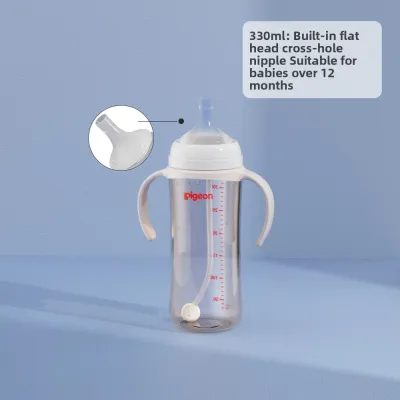
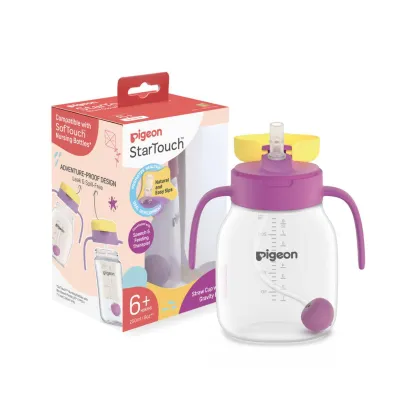
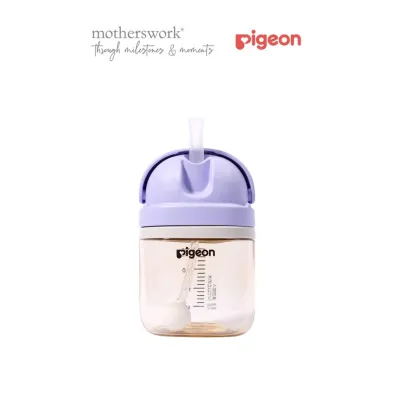
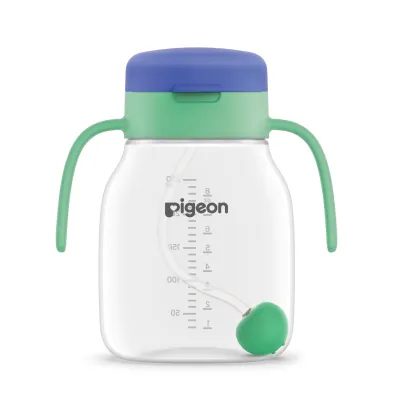
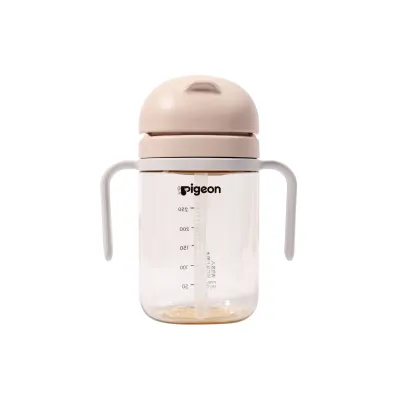
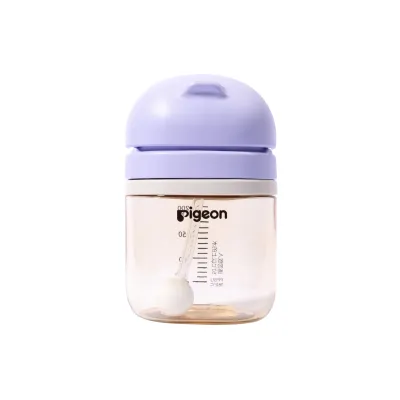
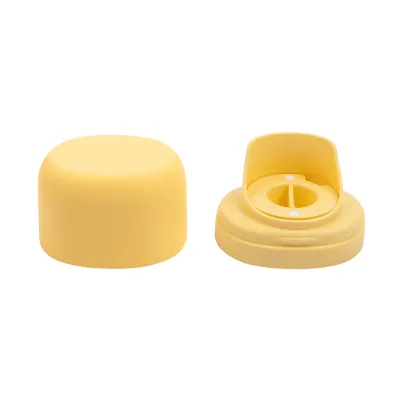
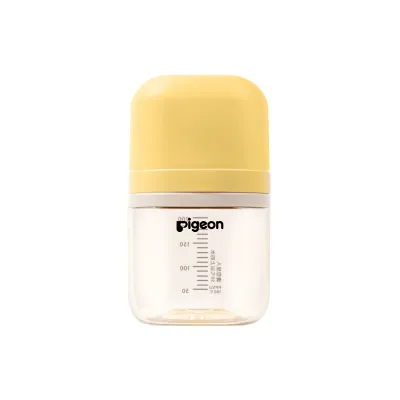
Prices are valid at publication and may change. Please refer to the product page for the latest price.
Material composition is another critical criterion that directly affects durability, weight, and sterilization options. When browsing local shelves or online catalogs, you will encounter terms like Polypropylene (PP), Polyphenylsulfone (PPSU), and Tritan. PP is lightweight and highly common but may wear faster under frequent high-heat sterilization. PPSU is a medical-grade plastic known for its distinct honey-colored tint and exceptional heat resistance, often featured in premium Pigeon lines. Tritan, frequently used by brands like Munchkin, offers glass-like clarity and high impact resistance without the weight of glass. Always check the product packaging or the manufacturer’s official specification sheet to verify the exact plastic type used in the cup body.
Finally, the physical construction and the number of detachable parts should guide your decision. A cup with multiple valves, gaskets, straws, and handles may offer excellent spill protection but can significantly increase your daily assembly and washing time. Pigeon cups often feature straightforward, integrated designs with fewer loose components, whereas highly specialized leak-proof cups from competitors may require you to disassemble and reassemble four or five separate silicone and plastic parts every time the cup is washed. Balancing your tolerance for daily maintenance against your child’s need for specific features is key to long-term satisfaction.
Evaluating Spill-Proof Designs and Flow Rates
A primary concern for most parents is how well a cup prevents liquids from escaping when dropped, shaken, or left upside down on a play mat. The effectiveness of a cup’s spill-proof design depends heavily on its valve mechanism. Pigeon utilizes cross-cut spouts and specialized air ventilation valves that open only when the baby exerts active sucking pressure. This contrasts with Munchkin’s bite-and-sip or weighted straw designs, which require the child to apply pressure with their lips or teeth to release the liquid flow. Avent and Nuk often employ one-piece silicone valves that seal against a hard plastic lid, releasing liquid only when suction is applied.

When evaluating these designs, it is helpful to understand how to test for leaks under realistic household conditions. True leaks occur when a valve fails to seal under pressure, whereas normal condensation or residual liquid trapped in the upper tip of a spout or straw can sometimes be mistaken for a leak. To test a cup, fill it with water, secure the lid according to the manufacturer’s instructions, and gently invert it. A few initial drops from the tip of the spout are common as residual liquid clears, but continuous dripping indicates an incomplete seal or a misaligned valve. Shaking the cup vigorously can also reveal whether the valve can withstand the sudden pressure changes typical of a toddler tossing a cup from a high chair.
Flow rates must also be carefully matched to your baby’s swallowing pace to prevent choking or frustration. If the flow rate is too fast, an infant may choke, cough, or swallow excess air; if it is too slow, they may tire quickly and refuse to drink. Pigeon’s cross-cut designs are engineered to let the baby control the flow rate through their sucking strength, making them highly adaptable for younger infants. Competitors often categorize their cups by age recommendations (such as 6 months+, 9 months+, or 12 months+) to indicate the pre-set flow rate of the spout or straw. Always monitor your baby’s feeding behavior during their first few uses of a new cup, and be prepared to adjust the spout size or valve type if you observe signs of struggle.
Material Quality, Safety, and Durability Checks
Ensuring the safety and longevity of a sippy cup requires a close inspection of its material properties and manufacturing standards. Parents should look for clear “BPA-free” and “BPS-free” labels on the packaging, which indicate that the materials do not contain Bisphenol A or Bisphenol S. Additionally, look for recognized safety standard marks, such as European standard EN 14350 or local consumer safety compliance indicators, which verify that the product has undergone rigorous testing for chemical migration and mechanical safety. Because these standards can change, it is wise to verify the manufacturer’s current compliance claims on their official website.
Heat tolerance is another vital factor, especially if you rely on steam, boiling water, or UV sterilizers to sanitize your baby’s feeding gear. PP plastic typically tolerates temperatures up to 110 degrees Celsius, which is sufficient for standard boiling but may degrade faster over time. PPSU, often utilized in premium Pigeon models, can withstand temperatures up to 180 degrees Celsius, making it highly durable under repeated steam sterilization. Tritan and other specialized co-polyesters used by competitors have varying heat limits, and some may not be suitable for UV sterilization or high-heat dishwashers. Always consult the manufacturer’s instruction manual before exposing any plastic cup to extreme heat or specialized sanitizing cycles.
Physical durability is equally important, as toddlers frequently drop their cups onto hard tile or wooden floors. While high-quality plastics are designed to resist cracking upon impact, repeated drops can cause micro-scratches on the interior surfaces. These tiny abrasions are not just cosmetic issues; they can harbor bacteria and milk residue that are difficult to remove during normal washing. Inspect your child’s cups regularly under a bright light. If you notice deep scratches, cloudiness that does not wash away, or a sticky texture on the plastic, it is time to replace the cup body to maintain proper hygiene.
Ease of Cleaning and Maintenance
A sippy cup’s design can either streamline your kitchen routine or become a daily source of frustration. When comparing brands, look closely at the complexity of the disassembly process. Pigeon cups are generally designed with simplicity in mind, featuring wide openings and minimal small crevices. However, cups with weighted straws, such as certain models from Munchkin, or complex multi-part valves from Avent and Nuk, require careful attention. These designs often have narrow channels where milk or juice residue can easily accumulate, potentially leading to mold growth if not cleaned thoroughly after every use.
Before purchasing, verify the cleaning compatibility of all components. Some manufacturers explicitly state that their silicone valves or plastic lids should not be placed in a dishwasher or exposed to UV sterilizers, as these methods can accelerate the degradation of the material or warp the seals. If you prefer the convenience of a dishwasher, look for cups labeled as top-rack dishwasher safe. For those who use steam or UV sterilizers, cross-reference the heat and light tolerance of each individual part—including the bottle body, collar, handles, and silicone spouts—with the sterilizer manufacturer’s guidelines.
To maintain a high standard of hygiene, invest in specialized cleaning tools tailored to your chosen cup design. Standard bottle brushes are often too large to reach the interior of a slim straw or the delicate underside of a silicone valve. Many brands sell dedicated cleaning kits that include ultra-thin straw brushes and small, pointed valve brushes. Using these tools allows you to gently clear debris without tearing the delicate silicone slits that keep the cup spill-proof. If a valve or straw does tear during cleaning, stop using it immediately, as damaged components can pose a choking hazard or cause severe leaks.
Value for Money and Purchasing Considerations
When evaluating the cost of a sippy cup, it is important to look beyond the initial purchase price and consider the long-term expenses associated with replacement parts. Silicone spouts, straws, and sealing gaskets are wear-and-tear items that will inevitably need replacement due to teething bites, stretching, or natural degradation. Pigeon generally maintains a strong supply chain in Singapore, making replacement spouts and straws widely available at local mother-and-baby specialty stores and major department stores. Competitors like Munchkin, Avent, and Nuk also offer replacement parts, but availability can vary depending on the specific model and the retailer. Before committing to a specific cup system, check how easily and affordably you can purchase replacement valves or straws locally.
Smart shopping strategies can help you manage these costs effectively. Many local retailers and authorized online storefronts in Singapore offer bundle deals, multi-packs, or promotional gift sets that include extra spouts or transition handles. Purchasing these bundles often provides better value than buying single cups and individual replacement parts later. Keep an eye out for seasonal baby fairs or store-wide promotions at reputable local retailers to stock up on essential feeding accessories.
With the rise of online marketplaces, ensuring the authenticity of your baby’s feeding products is more critical than ever. Counterfeit baby products may look identical to genuine brands but can be made from unverified materials that do not meet safety standards. To protect your child, buy only from official brand stores, authorized distributors, or well-established local department stores. Avoid purchasing from third-party sellers on online marketplaces who cannot provide clear proof of authenticity or whose prices seem unusually low. Checking for official holographic stickers or distributor labels on the packaging can also help confirm that the product is genuine.
Decision Framework: Which Brand Fits Your Baby?
To choose the right cup for your household, consider your child’s specific developmental needs and your own lifestyle preferences. Pigeon is an excellent choice if you are prioritizing a smooth transition from nursing bottles, as their soft spouts and lightweight bottle bodies are designed to feel familiar to infants. Their PPSU options are also ideal for parents who prioritize high-heat sterilization and long-term material durability.
On the other hand, if your primary goal is spill prevention during active play, or if you want to encourage your child to transition directly to open-cup drinking, competitors like Munchkin, Nuk, or Avent may be more suitable. Munchkin’s 360-degree cups are highly favored for teaching toddlers how to sip from a rim without spilling, while Nuk and Avent offer robust, ergonomically shaped cups with sturdy handles that are excellent for older toddlers with stronger grips.
Before making a final decision, always assess your baby’s individual physical development. If your child has specific oral motor delays, difficulty swallowing, or other developmental considerations, consult your pediatrician or a pediatric speech therapist before introducing a new cup. They can recommend specific flow rates, spout shapes, or valve mechanisms tailored to your child’s unique needs, ensuring a safe and supportive transition to independent drinking.
Frequently Asked Questions (FAQ)
Can I use Pigeon spouts on Munchkin or Avent cups?
It is highly recommended to use only manufacturer-matched parts for your baby’s sippy cups. While some collars and bottles may appear to have similar thread sizes, mixing brands almost always leads to improper seals, resulting in persistent leaks. More importantly, mismatched parts can alter the flow rate or cause the spout to dislodge unexpectedly, creating a potential choking hazard. Always pair Pigeon spouts with Pigeon bottles, and do the same for Munchkin, Avent, and Nuk.
How often should I replace the sippy cup spout or straw?
You should inspect all silicone spouts, straws, and valves before every use for signs of wear and tear. Look closely for tears, stretching, discoloration, or bite marks from teething. As a general guideline, most manufacturers recommend replacing silicone parts every two to three months, or immediately if you detect any damage. Replacing these wearable parts regularly ensures the cup remains hygienic, functions as intended, and remains safe for your child to use.
Community discussion
Share your experience or ask a question. Comments are reviewed before publication.