
Quick Answer: Is Pigeon Diaper Cream the Right Choice for Your Baby?
Choosing the right diaper cream in Singapore’s warm, humid climate depends heavily on your baby’s current skin condition. Pigeon diaper cream formulations are generally designed for daily prevention and gentle skin maintenance. If your baby currently has healthy skin and you want to maintain a protective barrier against daily moisture, these lightweight formulations are highly suitable.
However, if your baby is experiencing an active, severe diaper rash with intense redness or broken skin, you may need to look for alternative brands that offer high-concentration barrier treatments. Rather than relying solely on brand reputation, parents should evaluate the specific active ingredients listed on the product packaging to match the cream to their baby’s immediate dermatological needs.
Key Dimensions for Comparing Diaper Creams
To make an informed choice between Pigeon and other popular brands on the shelf, it helps to understand the core criteria that dictate how a diaper cream performs. Evaluating these dimensions allows you to select a product that suits both your baby’s skin sensitivity and your daily diapering routine.
Products mentioned in this guide
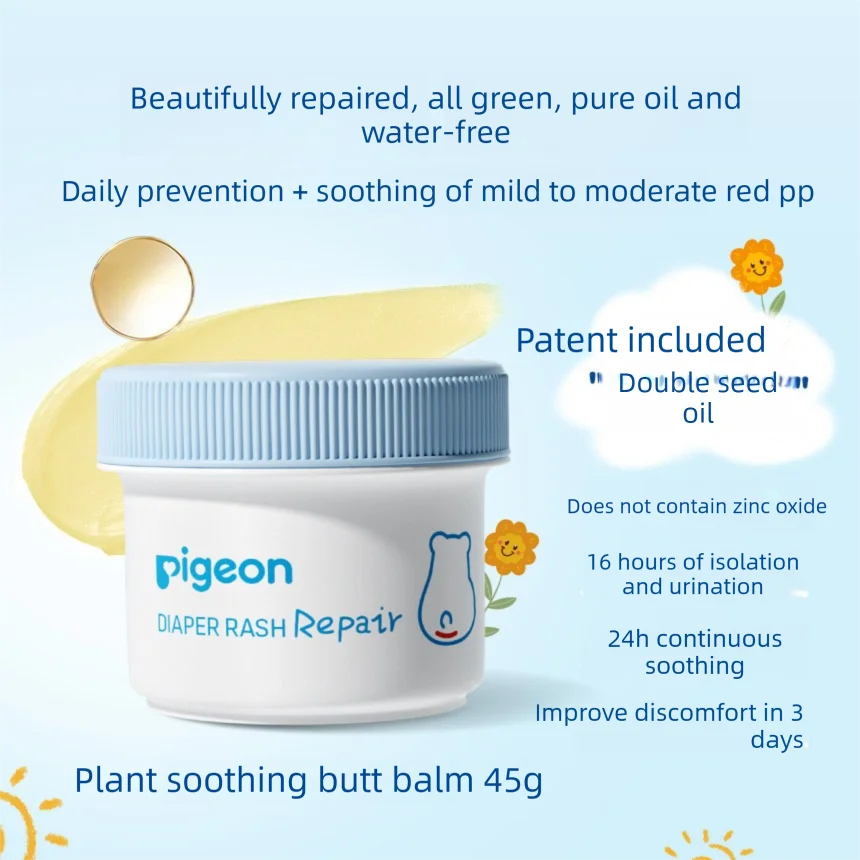
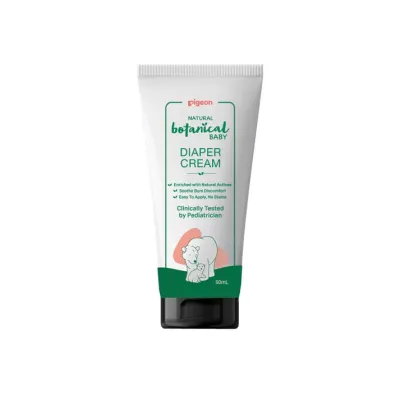
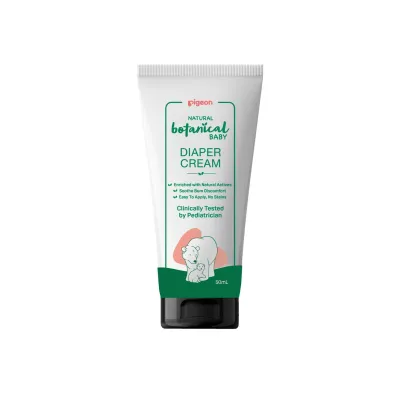
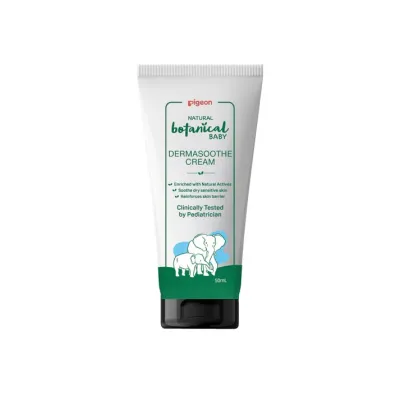
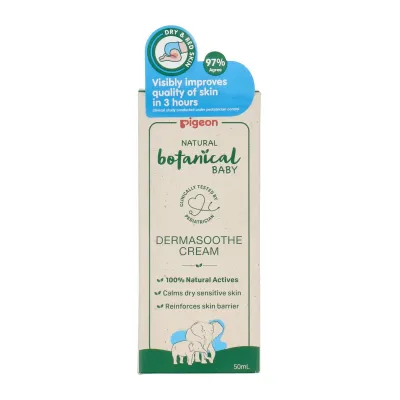
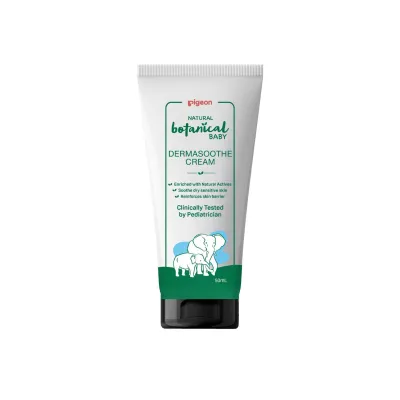
Prices are valid at publication and may change. Please refer to the product page for the latest price.

Active Ingredients and Barrier Agents
The primary function of any diaper cream is to create a physical barrier between your baby’s delicate skin and the moisture or enzymes present in soiled diapers. Common active ingredients include:
- Zinc Oxide: A classic, highly effective mineral barrier that deflects moisture and possesses mild astringent properties. Higher concentrations (often found in thick pastes) provide heavy-duty protection for irritated skin.
- Petrolatum: An occlusive agent that seals in skin moisture while blocking external wetness. It is highly effective but can feel greasy.
- Botanical Extracts: Ingredients such as chamomile, calendula, or jojoba oil. These are often incorporated into daily-use creams to soothe mild irritation and nourish the skin barrier without the heavy texture of mineral pastes.
Texture, Spreadability, and Removal
A cream’s texture directly impacts how easy it is to apply and clean off during routine diaper changes. In a humid environment, a cream that is excessively thick can be difficult to spread evenly over tender, irritated skin, potentially causing discomfort to your baby during application.
Furthermore, heavy barrier pastes can be challenging to wipe away completely. If a cream requires vigorous rubbing to remove, you risk further irritating the skin. Conversely, a cream that is too thin or water-soluble may wash away too quickly when the diaper is soiled, requiring more frequent reapplication.
Skin Compatibility and Potential Irritants
Newborn skin is exceptionally thin and highly permeable, making it vulnerable to chemical irritants. When comparing brands, always inspect the ingredient list for additives that could trigger allergic reactions or contact dermatitis. Key elements to watch for include:
- Added Fragrances: Synthetic perfumes are a leading cause of skin sensitization and should generally be avoided, especially for babies with eczema or highly sensitive skin.
- Preservatives: Certain parabens or formaldehyde-releasing preservatives can irritate compromised skin barriers.
- Essential Oils: While natural, some concentrated plant oils can still cause reactions in sensitive individuals.
Evaluating Pigeon Diaper Cream: What to Check on the Label
Before purchasing a specific Pigeon diaper cream variant, take a close look at the packaging to understand its exact formulation and intended use. Because product lines can evolve and vary by region, verifying the label ensures you get the right level of protection.
Identify the Primary Active Ingredients
Turn the product over and locate the ingredient list. Check whether the formulation relies primarily on zinc oxide, petrolatum, or botanical oils. Pigeon offers different product ranges, such as their natural botanical series, which may prioritize plant-based soothing agents over heavy mineral barriers. Knowing the primary active agent helps you understand how robust the moisture barrier will be.
Review the Manufacturer's Stated Purpose
Manufacturers typically state whether a product is intended for “daily protection,” “soothing care,” or “intensive repair.” A daily protection cream is formulated to be lightweight and easily absorbed, making it ideal for routine use after every diaper change. An intensive repair cream or paste is designed to cling to the skin to shield it from severe wetness, which is crucial for overnight use or during bouts of diarrhea.
Check Age and Usage Guidelines
Always verify the manufacturer’s age recommendations on the packaging. While many diaper creams are safe from birth, some specialized formulations may have specific age or weight guidelines. Additionally, read the application instructions carefully; some creams require a thick, visible layer to be effective, while others are designed to be massaged sparingly into the skin.
When to Look for Alternative Formulations
While gentle, daily-use creams are excellent for maintenance, certain situations demand a shift to alternative formulations. Recognizing these scenarios helps prevent mild irritation from escalating into a more serious skin condition.
Severe Skin Compromise
If your baby’s diaper area exhibits intense redness, peeling, or raw patches, a standard daily maintenance cream may not provide sufficient protection. In these cases, look for alternative brands that feature a high concentration of zinc oxide (typically 10% to 40%). These thick, paste-like formulations create a resilient, physical shield that remains intact even when exposed to heavy wetness over several hours.
Sensitivity to Botanical Ingredients
Some babies possess highly reactive skin that does not tolerate botanical extracts or plant-derived oils well. If you notice that a gentle, natural-heavy cream causes increased redness or tiny bumps, your baby may have a sensitivity to a specific plant extract. Switching to a minimalist, hypoallergenic barrier cream with a very short ingredient list—such as pure white petrolatum or a basic zinc paste—can help isolate and resolve the issue.
Emulsion Types and Diaper Compatibility
Diaper creams generally fall into two emulsion categories, each behaving differently on the skin and on fabrics:
- Water-in-Oil (W/O) Emulsions: These are highly water-resistant and excellent for long-lasting protection, but they can feel greasy and are harder to wash off. They are ideal for overnight use.
- Oil-in-Water (O/W) Emulsions: These are lighter, easier to spread, and wash off effortlessly. They are highly comfortable in hot weather but may require more frequent application.
Additionally, if you use reusable cloth diapers, be aware that heavy petroleum-based or high-zinc creams can build up on the fabric, reducing its absorbency. In this case, you must look for cloth-diaper-safe alternatives that wash out easily, or use a disposable liner to protect the fabric.
Decision Framework: Matching the Cream to Your Baby's Skin Needs
To help you finalize your choice, use this conditional framework to match the diaper cream formulation to your baby’s current skin status.
Choose Pigeon If:
- Your baby's skin is currently healthy, intact, or showing only very mild, transient pinkness.
- You are looking for a lightweight, easy-to-spread cream for routine, daily preventative care.
- You prefer formulations that incorporate soothing botanical ingredients for gentle skin nourishment.
- You want a cream that is easy to wipe away during quick diaper changes without causing friction.
Choose an Alternative Barrier Cream If:
- Your baby has an active, moderate-to-severe diaper rash with bright red, inflamed, or broken skin.
- You need a heavy-duty, long-lasting barrier for overnight protection or during long outings.
- Your baby has a known sensitivity to specific plant extracts, fragrances, or preservatives found in botanical formulations.
- You require a high-concentration zinc oxide paste to treat stubborn wetness-induced irritation.
Verify First If:
- Your baby has a history of eczema or highly reactive skin; always perform a patch test on a small, healthy area of skin (such as the inner arm) before widespread application.
- The diaper rash does not show signs of improvement within two to three days of consistent use, as this may indicate a fungal infection or other underlying issue requiring professional treatment.
Safe Application and When to Consult a Pediatrician
No matter which brand of diaper cream you choose, proper application technique is vital to ensure the product works effectively and does not inadvertently worsen skin irritation.
Standard Hygiene and Application Steps
Before applying any cream, ensure your hands are thoroughly washed with soap and water. Clean your baby’s diaper area gently using mild, fragrance-free wipes or warm water and a soft cloth. Avoid rubbing the skin, which can cause micro-tears and exacerbate irritation.
The most critical step in Singapore’s humid climate is to ensure the skin is completely dry before applying any barrier cream. Applying a barrier cream over damp skin traps moisture against the body, creating an ideal environment for bacterial or fungal growth. Pat the skin dry gently with a clean towel, or allow it to air-dry for a few moments. Once dry, apply a thin, even layer of cream according to the manufacturer’s instructions.
Monitoring for Adverse Reactions
Keep a close eye on how your baby’s skin responds to a new cream. Signs that a product may not be compatible with your baby’s skin include:
- An immediate increase in redness or warmth in the application area.
- The appearance of small, raised red bumps or hives.
- Signs of discomfort, such as crying or squirming immediately after the cream is applied.
If you observe any of these signs, gently wash the cream off with warm water and mild soap, discontinue use immediately, and switch to a minimalist formulation.
When to Seek Professional Medical Advice
While mild diaper irritation can often be managed at home with diligent hygiene and appropriate barrier creams, certain symptoms require professional medical evaluation. Stop using over-the-counter creams and consult a pediatrician or healthcare professional if you notice any of the following:
- The diaper rash does not improve or continues to worsen after two to three days of consistent care.
- The rash spreads beyond the diaper area to other parts of the body.
- You observe signs of a secondary infection, such as pus-filled blisters, oozing yellow crusts, or bleeding.
- The skin becomes extremely swollen, warm to the touch, or develops deep cracks.
- Your baby develops a fever, becomes unusually lethargic, or shows signs of severe discomfort that cannot be soothed.
By understanding how to read product labels and matching the formulation to your baby’s specific skin condition, you can confidently navigate the options available in Singapore to keep your baby comfortable and rash-free.
Community discussion
Share your experience or ask a question. Comments are reviewed before publication.