
Selecting a baby nursing pillow is a highly personal decision that directly impacts both your feeding success and physical comfort. To find the right fit, you must evaluate how different designs align with your body shape, feeding style, and your baby’s developmental stage.
A firm, wrap-around pillow is highly recommended if you are exclusively breastfeeding, managing a newborn who requires precise latch alignment, or seeking hands-free support. These structured designs secure tightly around your waist, keeping your baby at the correct breast height and preventing them from sinking, which protects your back and shoulders from strain.
Conversely, softer crescent or half-moon pillows are better suited for occasional bottle feeding, travel, or supervised lounging with an older infant who has established head and neck control. These options offer greater flexibility and portability but require you to bear more of your baby’s weight with your arms.
Products mentioned in this guide
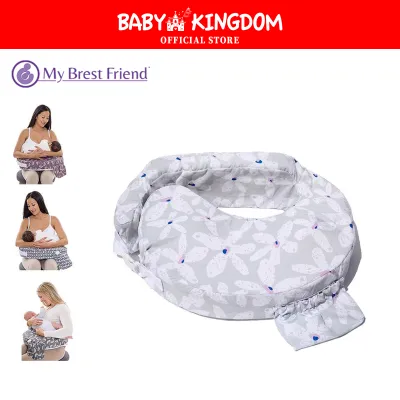
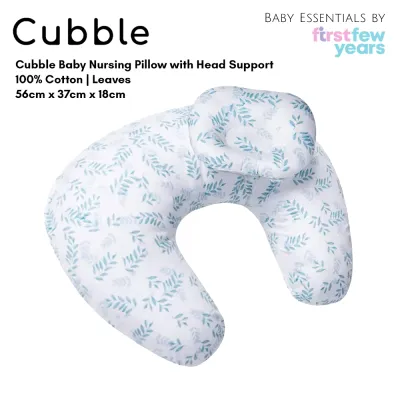
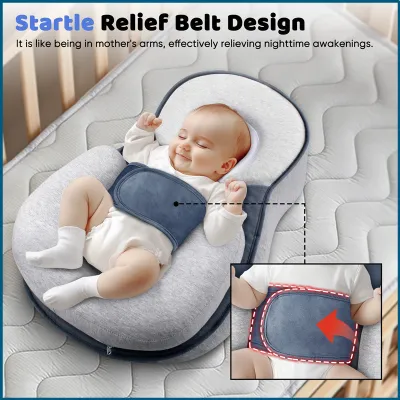
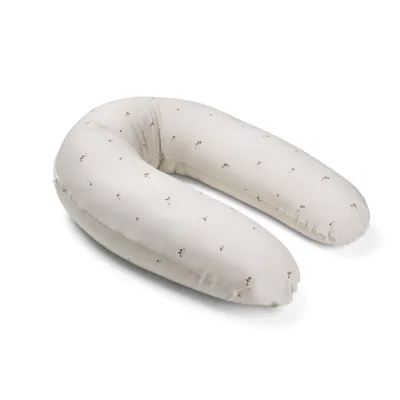
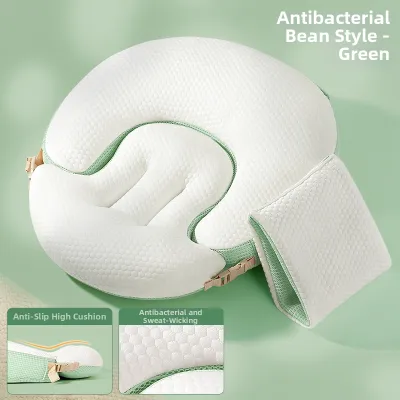
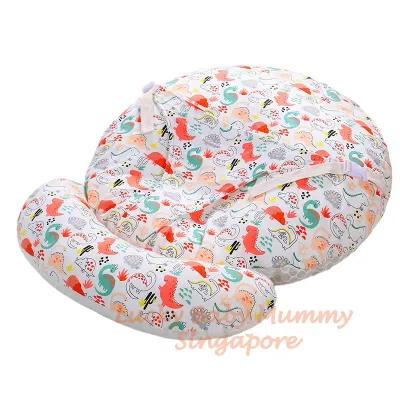

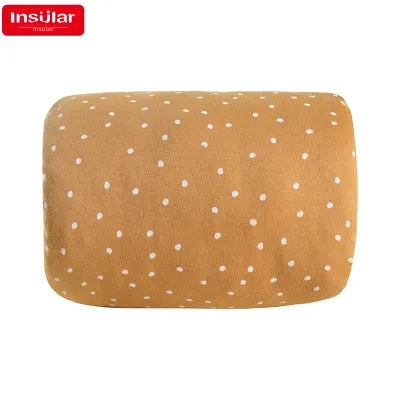
Prices are valid at publication and may change. Please refer to the product page for the latest price.
Ultimately, overall comfort is subjective. No single brand or design serves as a universal solution; instead, the ideal choice depends on matching specific design features—such as adjustability, material density, and shape—to your unique daily feeding routine.
Comparing Nursing Pillow Shapes for Ergonomic Support
The shape of a baby nursing pillow dictates how it distributes your baby’s weight and how it positions your body during feeding. Because feeding sessions can last anywhere from twenty to forty-five minutes and occur multiple times a day, selecting a shape that supports proper alignment is essential for preventing repetitive strain injuries.
C-Shaped and Wrap-Around Designs
Best suited for: Newborns, exclusive breastfeeding, and caregivers seeking structured upper-body support.
Ergonomic benefits: These pillows wrap tightly around your front and sides, creating a stable, level platform. By bringing your baby directly to breast or bottle height, they eliminate the need to hunch forward, which significantly reduces tension in your neck, shoulders, and upper back.
Key considerations: Always check the product specifications for adjustable waist straps or silent-release buckles. An adjustable strap allows you to customize the tightness, preventing the pillow from shifting or sliding away from your abdomen during a feed. If a gap opens between your body and the pillow, your baby may slip into the crevice, disrupting their latch and forcing you to tense your muscles.
U-Shaped and Full-Body Designs
Best suited for: Caregivers recovering from a Caesarean section, those with chronic lower back pain, or parents feeding twins.
Ergonomic benefits: These larger pillows offer extended support that wraps further around your sides, often incorporating integrated lumbar support for your lower back. This configuration distributes weight evenly across your pelvic and lumbar regions while providing a dedicated resting place for your elbows to minimize arm fatigue.
Key considerations: The substantial support of these designs comes with a trade-off in portability and space. These cushions are often bulky, making them difficult to transport outside the home and requiring significant storage space when not in use.
Crescent and Half-Moon Designs
Best suited for: Occasional bottle feeding, travel, or quick feeds on the go.
Ergonomic benefits: These minimalist, tapered cushions sit across your lap or tuck under one arm to elevate your baby. They are lightweight, highly portable, and fit easily into travel bags or stroller baskets.
Key considerations: These designs have distinct physical limitations. Because they lack waist straps and back support, they can easily slide out of position, requiring you to actively use your arms to stabilize both the pillow and your baby. Over time, this lack of structural support can lead to shoulder fatigue, so they are best reserved as secondary pillows.
Evaluating Firmness: Finding the Right Balance of Support and Softness
Firmness is perhaps the most critical factor in determining how well a nursing pillow performs its primary task: keeping your baby safely and comfortably positioned at the correct feeding height. The right level of firmness prevents physical strain for you and ensures a safe feeding environment for your baby.

Firm Pillows for Newborns and Active Latching
Best suited for: Newborns, infants mastering their latch, and long feeding sessions.
Support mechanics: High-density foam or rigid, structured cores ensure that the pillow maintains its height and shape under your baby’s weight. When a baby sits on a firm surface, their spine remains supported, their neck is held straight, and their airway remains clear and uncompromised.
Key considerations: If a pillow is too soft, your baby’s heavier parts—typically their hips and head—will sink into the cushioning. This sinking causes their body to slump, which can tilt their chin downward toward their chest, potentially restricting their airway and making swallowing difficult. Furthermore, a slumping baby will pull away from the nipple or bottle teat, leading to a shallow, painful latch. When shopping, look for terms like “high-density polyurethane foam” or “molded foam core” in the manufacturer’s specifications to ensure the pillow provides the necessary structural rigidity.
Medium to Soft Pillows for Lounging and Older Babies
Best suited for: Older infants with strong head control, supervised lounging, and relaxed bottle feeding.
Support mechanics: Medium to soft nursing pillows, often filled with polyester fiberfill, organic cotton batting, or shredded memory foam, offer a more plush, yielding surface. These pillows conform more readily to your body shape and can feel exceptionally cozy for both you and your baby during relaxed feeding sessions.
Key considerations: These softer cushions are highly versatile for supervised awake time, such as propping up an older infant who is learning to sit independently or supporting them during tummy time. However, caregivers must remain aware that these materials compress significantly under weight. If you attempt to use a soft, fiberfill pillow with a heavy infant for hands-free nursing, you will likely find yourself hunching over to meet the baby, defeating the ergonomic purpose of the pillow. Always verify the manufacturer’s age and weight recommendations to ensure the soft pillow is appropriate for your baby’s current developmental stage.
Assessing Overall Comfort and Practical Features for Caregivers
While your baby’s positioning is paramount, your own physical comfort and the practical maintenance of the pillow dictate whether you will actually enjoy using it daily. A pillow that is difficult to clean or causes you to overheat will quickly become a source of frustration.
Posture and Adjustability
To prevent chronic shoulder hunching, neck stiffness, and lower back strain, you must choose a nursing pillow that matches your physical dimensions. The thickness of the pillow should elevate your baby to your breast level without requiring you to bend forward or raise your shoulders. Because caregivers come in all shapes and sizes, adjustability is key.
Many high-quality brands offer adjustable belts, inflatable chambers, or stackable layers that allow you to customize the height and angle of the support surface. Before purchasing, always check the product specifications for the maximum waist circumference limits of any straps or wraps. A strap that is too short will constrict your breathing or pinch your waist, while one that is too long will fail to keep the pillow secure against your body.
Climate Considerations
In Singapore’s hot and humid tropical climate, heat retention is a significant comfort issue for both you and your baby. Feeding sessions involve close, skin-to-skin or body-to-body contact, which naturally generates substantial body heat. If your nursing pillow is covered in synthetic, non-breathable materials, it can quickly become hot, sweaty, and uncomfortable, leading to heat rashes for your baby and irritation for you.
To maintain a cool and hygienic feeding environment, prioritize nursing pillows that feature removable, machine-washable covers made from breathable, moisture-wicking fabrics. Natural fibers such as organic cotton, bamboo-derived viscose, or specialized linen blends are highly recommended for the Singapore climate. These materials allow air to circulate freely and absorb moisture, keeping your baby’s skin dry and comfortable even during long mid-day feeds.
Maintenance and Durability
Nursing pillows are subjected to constant spills, spit-up, leaked milk, and diaper blowouts, making ease of cleaning a vital consideration. A practical nursing pillow must have a cover that is easy to zip off and wash. Look for covers equipped with high-quality, hidden zippers. The zipper pull should be tucked away under a fabric flap to prevent it from scratching your baby’s delicate skin or snagging your clothing.
In addition to the cover, consider the durability of the inner core. Low-quality fiberfill pillows can quickly become lumpy or flat after a few washes or months of heavy use. Check the manufacturer’s care instructions to see if the inner cushion itself is washable, or if it features a water-resistant lining that prevents liquids from soaking into the core. A water-resistant inner cover is highly beneficial, as it allows you to simply wipe down the core while the outer cover is in the washing machine.
Critical Safety Boundaries When Using Nursing Pillows
While nursing pillows are invaluable tools for feeding and comfort, they carry serious safety risks if used incorrectly. Caregivers must strictly adhere to pediatric safety guidelines to protect their infants from accidental injury or suffocation.
Sleep Safety
The most critical safety rule regarding nursing pillows is that they are strictly intended for feeding and supervised, awake activities. They must never, under any circumstances, be used for infant sleep, unsupervised lounging, or as a sleep positioner. If your baby falls asleep on a nursing pillow, immediately transfer them to a safe, flat sleep surface, such as a crib or bassinet, lying flat on their back.
The soft, contoured design of a nursing pillow poses a severe suffocation hazard if an infant rolls over or if their head slumps forward. If a sleeping baby’s head tilts downward, their airway can easily become compressed, leading to positional asphyxiation—a silent and rapid danger. Additionally, if left unsupervised on a pillow placed on an elevated surface like a bed or sofa, a baby can easily roll off and suffer a dangerous fall.
Active Supervision
Whenever your baby is positioned on or against a nursing pillow, you must maintain active, uninterrupted supervision. This means keeping your eyes on your baby and keeping at least one hand within reach at all times. Do not rely on the pillow to hold your baby securely in place while you walk away or attend to other tasks. Babies can move unexpectedly, and even a newborn can wiggle into a hazardous position where their face is pressed against the fabric or their body is misaligned.
Transitioning
As your baby grows, their physical relationship with the nursing pillow will change, and you must recognize the signs that they have outgrown it. If your baby is able to roll over independently, consistently pushes away from the pillow, or has grown so long that their body no longer fits comfortably on the support platform, it may be time to transition away from using the pillow for feeding.
Furthermore, if you find that your baby’s increased weight and length mean the pillow no longer elevates them to the correct feeding height without you having to hunch your shoulders or bend your back, the pillow is no longer fulfilling its ergonomic purpose. At this stage, continuing to use the pillow can cause you physical discomfort and may compromise your baby’s feeding alignment. If you are unsure whether your baby is positioned safely or if you are experiencing persistent feeding difficulties, consult a qualified professional, such as a lactation consultant or pediatrician.
Frequently Asked Questions (FAQ)
Can I use a regular bed pillow instead of a dedicated nursing pillow?
While using a regular bed pillow is a common temporary solution, it is not recommended for long-term or exclusive feeding. Standard bed pillows are typically too soft and lack the structural density required to support a baby’s weight without compressing. This softness causes your baby to sink, forcing you to hunch forward or use your arms to lift them, which leads to rapid shoulder and back fatigue. Additionally, bed pillows lack ergonomic shaping and waist straps, meaning they can easily slide away from your body, creating dangerous gaps where your baby can slip.
How do I know if a nursing pillow is too small or too large for my body?
To determine if a nursing pillow fits your body correctly, first check the manufacturer’s stated waist circumference limits and strap adjustability before purchasing. When you put the pillow on, it should sit snugly and flat against your torso without leaving any gaps between the cushion and your stomach. If the pillow is too small, it will pinch your waist, sit too high, or fail to wrap around your sides, leaving your elbows unsupported. If it is too large, it will slide down your lap, tilt forward, or leave a wide gap that allows your baby to slide down, causing you to strain your back to keep them positioned.
Are nursing pillows with built-in pockets or attachments worth it?
Built-in pockets, toy loops, and detachable small pillows can offer convenient storage for small items like burp cloths, pacifiers, nursing pads, or your mobile phone. While these secondary features add practical value to your daily routine, they should never compromise your primary decision factors. When selecting a nursing pillow, prioritize the core structural elements: the firmness of the inner material, the ergonomic suitability of the shape for your body, and the overall physical support it provides. A pocket is of little use if the pillow itself causes you back pain or fails to support your baby’s latch.
Community discussion
Share your experience or ask a question. Comments are reviewed before publication.