
The “most comfortable” nursing pillow case depends heavily on your local climate, your baby’s skin sensitivity, and how often you need to wash it. Because comfort is subjective and brand inventories change, there is no single universal winner. Instead, this guide provides a practical framework to compare materials, closures, and fits across different brands, helping you identify a suitable cuddle pillow case for your specific feeding routine and environment.
The journey of breastfeeding involves hours of close physical contact between mother and baby, making the tactile comfort of your feeding setup a top priority. While the support of the inner cushion is vital, the fabric that directly touches your skin and your baby’s delicate face plays an equally critical role in your daily comfort. A cover that feels scratchy, traps heat, or slips out of place can quickly turn a peaceful bonding moment into a frustrating struggle.
In warm, humid climates like Singapore’s, where indoor temperatures and humidity levels can fluctuate, choosing the right material is especially important. A heavy, synthetic cover might cause both you and your baby to sweat during a long feeding session, leading to skin irritation or general restlessness. Conversely, a cover that is too thin might not withstand the frequent washing required to manage milk spills and spit-ups. By evaluating pillow cases based on fabric breathability, closure safety, and ease of maintenance, you can find a cover that enhances your feeding routine.
Products mentioned in this guide
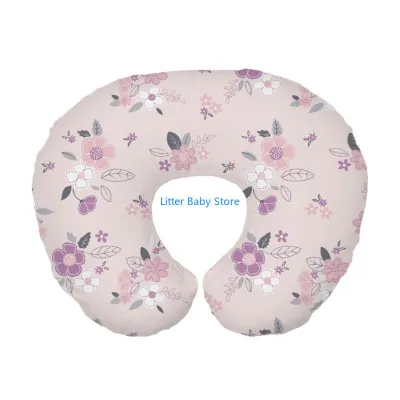
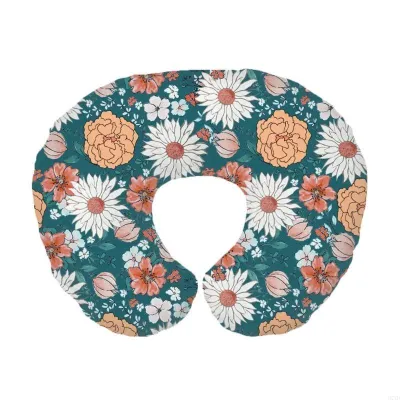
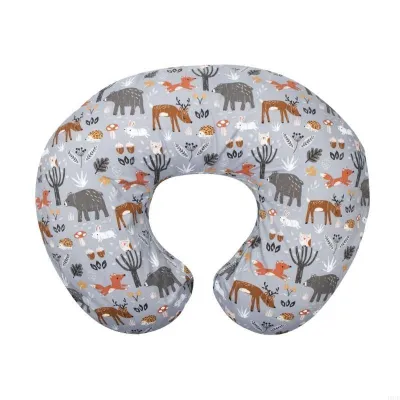
Prices are valid at publication and may change. Please refer to the product page for the latest price.
Key Comfort Features to Compare Across Brands
When comparing different brands, fabric choice is the most significant factor influencing comfort. Natural fibers such as organic cotton, cotton jersey, and bamboo-derived rayon are highly valued for their breathability and moisture-wicking properties. Cotton is a classic choice that is durable, easy to wash, and naturally gentle, making it excellent for babies with sensitive skin. Bamboo-derived fabrics offer an exceptionally silky feel and a natural cooling effect, which is highly beneficial during warm afternoon feeds. On the other hand, synthetic materials like polyester blends or plush microfibers are often chosen for their extreme softness and slight stretch, though they tend to retain heat more than natural fibers.
Texture and sensory input are equally important when selecting a cuddle pillow case. Some babies prefer a completely smooth, flat surface, which is typical of high-thread-count cotton woven covers or jersey knits. Other infants find comfort in textured fabrics, such as minky (a very soft polyester fabric with raised dots) or waffle knits. While textured fabrics can provide a cozy, tactile experience that some babies find soothing, they can also trap heat and moisture more easily. If your baby is prone to heat rash or sweating during feeds, a smooth, breathable weave is generally more practical than a thick, plush texture.
The construction details of the pillow case, specifically seam placement and zipper quality, directly impact both comfort and safety. High-quality brands design their cases with flat, reinforced seams that do not press into your skin or leave red marks on your baby’s face. The zipper should be robust yet discreetly hidden under a fabric placket or flap. A poorly placed or exposed zipper can scratch your baby’s delicate skin or snag your clothing during active feeding sessions. When comparing brands, look for designs that keep the zipper mechanism completely recessed and away from the primary contact areas where your baby’s head and limbs rest.
Comparing Brand Approaches to Pillow Case Design
Organic and eco-focused brands place a strong emphasis on sustainability, purity, and skin health. These brands typically utilize certified organic cotton, linen, or bamboo fabrics that are free from harsh dyes, bleaches, and chemical finishes. This approach is highly beneficial for newborns and infants with highly reactive skin or allergies. Because these natural fibers are often woven rather than knitted, they may offer less stretch and flexibility compared to synthetic blends. This means the fit must be precise, as a loose organic cover can bunch up and create uncomfortable ridges under your baby’s body.

In contrast, plush and comfort-focused brands prioritize immediate tactile softness, often utilizing synthetic materials like polyester fleece, minky, or high-pile microfiber. These covers feel incredibly cozy and warm, making them popular for air-conditioned rooms or cooler climates. However, the main trade-off with these plush synthetic covers is their tendency to trap heat and moisture. During a long nursing session, the lack of airflow can cause both the mother and baby to feel uncomfortably warm, potentially leading to fussiness. If you prefer a plush cover, look for brands that offer hybrid designs or those that use plush textures only on the outer edges, keeping the central resting area smooth and breathable.
Another major distinction lies between brands that offer universal-fit covers and those that design tailored, brand-specific cases. Universal-fit covers are typically made from highly elastic materials, such as cotton-spandex blends, allowing them to stretch over various nursing pillow shapes and sizes. While convenient and often more budget-friendly, universal covers can sometimes slip, sag, or fail to hug the contours of highly ergonomic pillows, leading to excess fabric that can bunch up. Tailored brands, on the other hand, design cases specifically for their own proprietary pillow shapes. These custom-fit covers provide a sleek, taut surface that stays secure during use, though they limit your ability to mix and match across different brands.
Practical Checks for Fit, Care, and Durability
Before purchasing a new cuddle pillow case, performing a few practical checks will save you time and prevent the frustration of a poor fit. First, dimension matching is crucial, especially if you are buying a cover from a different brand than your nursing pillow. Do not rely solely on generic terms like “standard size.” Instead, use a flexible measuring tape to measure your pillow’s outer curve, inner curve, width, and thickness at its deepest point. Compare these measurements directly with the product specifications of the cover. A cover that is too tight will compress the pillow, making it excessively firm and altering its intended ergonomic shape, while a cover that is too loose will create hazardous folds of fabric.
Care label verification is another essential step, as nursing pillow cases require frequent laundering to maintain hygiene. Before buying, check the manufacturer’s washing instructions to ensure the fabric fits your lifestyle. Ideally, a nursing pillow case should be fully machine-washable in warm water to effectively remove milk proteins and bacteria. Be cautious of fabrics that require delicate cycles, cold-only washes, or line drying, as these can be highly inconvenient during the busy newborn weeks. Additionally, check for tumble-dry compatibility; some natural fibers or delicate blends may shrink significantly in a standard dryer, rendering the cover unusable.
The closure mechanism of the pillow case affects both the ease of changing the cover and the safety of the setup. Envelope closures, which feature overlapping fabric flaps without any hardware, are highly convenient for quick, one-handed changes during midnight spills. They also eliminate the risk of scratches from metal or plastic parts. However, envelope closures can sometimes gap or slip open if the pillow is highly flexible or if the baby moves actively. Zippered closures offer a much more secure fit, keeping the cover taut and in place. If you choose a zippered case, ensure the zipper is high-quality, runs smoothly along the track, and is fully shielded by a protective fabric flap to prevent contact with skin.
How to Choose the Right Case for Your Feeding Routine
To finalize your decision, align your choice of cuddle pillow case with your specific feeding environment, your baby’s physical needs, and your daily routine. If you live in a warm, tropical climate or do not consistently run air conditioning during the day, prioritize natural, breathable fabrics like organic cotton or bamboo. These materials allow for optimal airflow, keeping both you and your baby cool and dry during long feeding sessions. They are also a highly suitable choice if your baby has sensitive skin, eczema, or is prone to heat rashes.
If you primarily feed your baby in a cool, air-conditioned room or during chilly nights, a plush, textured synthetic blend cover can provide a comforting, warm environment. The soft texture of minky or fleece can be highly soothing for some infants, helping them relax during feeds. However, keep a close eye on your baby’s temperature; if you notice sweating or flushing, it is best to switch back to a lighter, natural fiber cover.
For those who own an ergonomically shaped nursing pillow with distinct contours, curves, or a structured foam core, prioritize tailored, zippered brands. A universal stretch cover may flatten the contours or slip off the edges, compromising the support the pillow is designed to provide. A custom-fit, zippered cover ensures the fabric remains taut and secure, allowing the pillow to function exactly as intended.
Finally, always verify that the care instructions of your chosen pillow case do not conflict with the maintenance guidelines of your nursing pillow’s inner core. For example, if your pillow core is made of memory foam or a specialized fiber that cannot tolerate moisture, you must ensure your cover is highly water-resistant or paired with a protective, waterproof liner. If you encounter conflicting care instructions or are unsure about compatibility, stop and consult the pillow manufacturer before proceeding, as using an incompatible cover could damage the pillow’s core or void its warranty.
Frequently Asked Questions (FAQ)
Can I use a standard cuddle pillow case for a nursing pillow?
Using a standard, rectangular bed pillow case or a decorative cuddle pillow case for a specialized nursing pillow is generally not recommended. Standard pillow cases lack the specific ergonomic, curved cut required to fit the unique shape of a nursing pillow. When forced onto a curved pillow, a standard case will bunch up, creating uncomfortable folds of excess fabric that can press into your baby’s skin or interfere with their positioning. Furthermore, standard cases often lack secure closure mechanisms like recessed zippers or snug envelope flaps, which can lead to the pillow slipping out during a feed, posing a safety risk. For optimal support and safety, always use a cover designed specifically for nursing pillows.
How often should I wash the nursing pillow case?
You should wash your nursing pillow case regularly to maintain a clean and hygienic feeding environment for your baby. As a general guideline, it is best to wash the cover immediately after any significant spills, spit-ups, or diaper leaks. Even without visible stains, sweat, skin oils, and microscopic milk residue can accumulate on the fabric, so washing the cover once a week is a good practice. To make this routine manageable, it is highly recommended to have at least two or three interchangeable cases. This allows you to quickly slip on a clean cover while the dirty one is in the wash, ensuring your feeding routine is never interrupted. Always follow the specific brand’s care label to prevent shrinkage or fabric damage.
Community discussion
Share your experience or ask a question. Comments are reviewed before publication.