
Finding the most comfortable nursing pillow to pair with your breastfeeding chair is one of the most important decisions you will make when setting up your nursery. The ideal setup is not about finding a single, universally perfect brand. Instead, it requires matching the structural design of the pillow with the physical dimensions of your chair and your unique feeding posture.
When you sit in a dedicated nursery glider, rocker, or armchair, the right pillow must bridge the physical gap between your lap and your baby. It should elevate your infant directly to breast height, eliminating the need to slouch, lean forward, or strain your shoulders. At the same time, the pillow needs to rest securely on your lap without shifting, sliding, or getting squeezed uncomfortably by the chair’s armrests.
In Singapore’s warm climate, physical comfort also extends to temperature regulation. A pillow that fits your chair perfectly but traps body heat can quickly lead to an uncomfortable, sweaty feeding session for both you and your baby. By understanding how different pillow shapes, fills, and dimensions interact with your seating, you can create an ergonomic, stress-free feeding environment.
Products mentioned in this guide

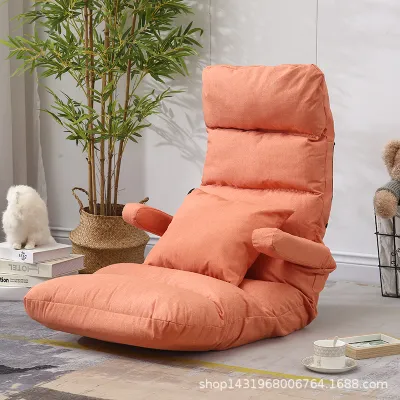



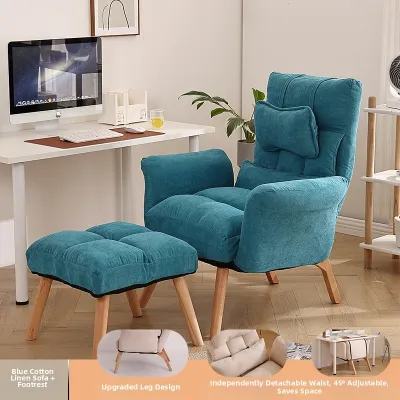
Prices are valid at publication and may change. Please refer to the product page for the latest price.
Key Comfort Factors for Seated Breastfeeding
To understand why certain nursing pillows feel excellent in one chair but highly uncomfortable in another, you must look at the physical forces at play during a typical feeding session. Breastfeeding sessions can last anywhere from twenty to forty-five minutes, multiple times a day. Over these extended periods, minor ergonomic misalignments accumulate into significant physical strain on your neck, upper back, shoulders, and lumbar region.
Firmness vs. Plushness
Many parents assume that a soft, plush pillow will offer the most comfort. However, when it comes to seated breastfeeding, firmness is critical. A pillow that is too soft or underfilled will compress under your baby’s weight. As the baby sinks, you will naturally tend to hunch your shoulders and lean your head forward to maintain a proper latch.
This forward-leaning posture puts immense pressure on your cervical spine and upper back muscles. A firm, supportive pillow acts as a stable platform, holding the baby’s weight entirely so that your arms and shoulders can remain completely relaxed.
Armrest Interference
Your breastfeeding chair’s armrests are designed to support your elbows, but they can easily clash with a nursing pillow. If a pillow is too wide or flared, the armrests will squeeze it inward. This compression can cause the pillow to bow upward in the middle, rolling your baby away from your body or creating an unstable, sloped surface.
Conversely, if the pillow is too narrow, you may find yourself resting your elbows on the armrests while the pillow sits unsupported in your lap, leaving a gap that forces you to hold the baby’s weight anyway. The pillow should sit comfortably between or gently rest upon the armrests without losing its flat, supportive shape.
Slip Resistance
Nursing chairs are upholstered in a variety of materials, including smooth leather, synthetic performance fabrics, velvet, or woven linen. If your pillow cover is made of a slick synthetic material, it may constantly slide forward or tilt down on your lap, especially if your chair has a slightly sloped seat cushion.
This sliding motion forces you to constantly use your hands to reposition the pillow, defeating the purpose of hands-free support. Look for textured fabrics, non-slip bottom panels, or integrated waist straps that lock the pillow against your torso, ensuring it stays level throughout the feed.
Lumbar and Back Support
When sitting in a deep glider or rocking chair, your lower back needs continuous support to prevent slouching. Many standard chairs leave a gap between your lower spine and the backrest when you sit forward to feed.
Some nursing pillows feature wraparound designs that include a dedicated back pad to fill this empty space. If your pillow does not have this feature, you will need to ensure your chair has excellent built-in lumbar support, or you will need to add a separate, firm cushion behind you to maintain a neutral spinal alignment.
How Different Nursing Pillow Shapes Perform in a Chair
Nursing pillows generally fall into three distinct structural categories. Each shape interacts differently with the seat depth, cushion firmness, and armrest design of a standard breastfeeding chair.

Classic C-Shaped and Open-Wrap Designs
The classic C-shaped pillow is the most common design on the market. It features a semi-circular shape that slides around the front of your waist, leaving your back completely open.
- Pros: These pillows are incredibly easy to slip on and off, requiring no complex buckles or straps. Because they are lightweight and flexible, they can easily conform to more compact nursing chairs or smaller armchairs without feeling overly restrictive. They are also highly versatile for later developmental stages, such as propping up your baby for supervised floor time.
- Cons: Because they lack a securing mechanism, C-shaped pillows tend to migrate forward, leaving a gap between your abdomen and the pillow where the baby can slide down. If your breastfeeding chair has a deep, plush seat, this shifting is amplified. Additionally, they offer zero built-in lumbar support, meaning you must rely entirely on your chair's backrest or a separate cushion.
Full-Wrap and U-Shaped Designs
Full-wrap designs circle your entire body, securing at your side or back with a buckle, strap, or hook-and-loop fastener. This creates a continuous, 360-degree platform around your waist.
- Pros: These pillows offer exceptional stability. Once buckled, they cannot slide forward or shift, even if you recline or rock in your chair. Many premium full-wrap brands feature a flat, firm foam platform that keeps the baby perfectly level. They often include an integrated lumbar support pad that rests against the back of your chair, filling the spinal gap and encouraging an upright, comfortable posture.
- Cons: The full-wrap design is naturally bulky and wide. If you have a compact breastfeeding chair with narrow armrests, a full-wrap pillow may not physically fit inside the seat width, or it may get squeezed tightly, making it difficult to sit down comfortably. The secure buckling system can also be cumbersome to attach or detach quietly, especially if your baby has fallen asleep on you.
Flat, Strap-Attached Designs
Flat, strap-attached pillows feature a firm, wedge-like or rectangular foam core that secures tightly to your waist using an adjustable belt. Unlike contoured C-shapes, these focus heavily on providing a flat, horizontal surface.
- Pros: These pillows excel at keeping your baby at a highly precise, elevated height. Because the strap holds the pillow firmly against your body, it will not slide down your lap, even if your glider has a deep, backward-sloping seat. They are particularly useful for mothers recovering from a Caesarean section, as the adjustable strap allows you to position the firm platform higher up on your torso, completely away from your incision site.
- Cons: These designs are highly specialized for feeding and offer very little utility for other baby activities like tummy time or lounging. Fastening and adjusting the strap before every feed can feel tedious, particularly during middle-of-the-night sessions when you want to minimize noise and movement. They can also feel stiff and unyielding if you prefer a softer, more moldable surface.
Fabric and Fill: Managing Comfort and Heat in a Chair
While the shape of your pillow dictates your posture, the materials inside and outside the pillow dictate your physical comfort and hygiene. This is particularly true in Singapore, where high humidity and warm temperatures can make close-contact feeding feel uncomfortably hot.
Fill Materials
The internal fill of your nursing pillow determines how well it retains its shape over time and how much heat it traps during use:
- Polyester Fiberfill: This is the most common, budget-friendly fill. It offers a soft, cushioned feel that many parents find cozy. However, fiberfill tends to compress and clump over months of daily use, leading to saggy spots that require constant fluffing. It is moderately breathable but can still trap heat if packed too tightly.
- Memory Foam and Polyurethane Foam: Solid or molded foam cores provide unmatched, uniform firmness. They do not sag or shift under the baby's weight, ensuring consistent height throughout your feeding journey. The primary drawback is that standard memory foam is highly dense and acts as a heat sink, absorbing and retaining body heat. If you choose a foam pillow, look for brands that incorporate ventilation holes or cooling gel infusions.
- Microbeads: Some pillows are filled with tiny polystyrene beads, similar to a beanbag. These allow you to shift the fill around to customize the height and angle of the pillow. While highly moldable, microbeads can shift away from under the baby's heaviest points during a feed, requiring you to manually push the fill back into place. They are generally quite breathable as air can circulate between the beads.
Cover Breathability
Because you and your baby will be in close, skin-to-skin or clothing-to-clothing contact for hours each day, the pillow cover’s fabric is vital. Synthetic polyester covers are durable and easy to wipe clean, but they trap sweat and can feel sticky in warm weather.
Instead, prioritize natural, breathable fibers such as organic cotton, bamboo-derived rayon, or specialized moisture-wicking linen blends. These fabrics allow air to flow freely, keeping both you and your baby cool and dry.
Washability and Spill Resistance
Milk spills, spit-up, and diaper leaks are inevitable during feeding sessions. A nursing pillow without a protective barrier will quickly absorb these liquids, leading to unpleasant odors and bacterial growth inside the core fill.
Ensure the brand you choose features a fully removable, machine-washable outer cover with a durable zipper. For foam-core pillows, check if the brand offers a water-resistant or waterproof inner cover. This protective layer prevents liquids from soaking into the non-washable foam, allowing you to simply throw the outer cover into the washing machine while wiping down the inner liner.
Matching Your Pillow to Your Breastfeeding Chair's Dimensions
Before purchasing a nursing pillow, take a few minutes to measure your breastfeeding chair. Ensuring these two items are physically compatible will save you from the frustration of a cramped or unstable feeding setup.
+-----------------------------------------------------------------+
|                  NURSING CHAIR MEASUREMENT GUIDE                |
+-----------------------------------------------------------------+
|                                                                 |
|     |<------------------- Seat Width ------------------->|      |
|     +----------------------------------------------------+      |
|     |                                                    |      |
|     |                 [ Seat Cushion ]                   |      |
|     |                                                    |      |
|     +----------------------------------------------------+      |
|     ^                                                    ^      |
|     |                                                    |      |
|  Armrest                                              Armrest   |
|  Height                                               Height    |
|     |                                                    |      |
|     v                                                    v      |
|                                                                 |
|  * Measure the distance between the inside of both armrests.     |
|  * Ensure your chosen pillow's width is equal to or slightly    |
|    smaller than this measurement to avoid pinching.             |
+-----------------------------------------------------------------+
Measure Armrest Height and Inner Width
Use a standard measuring tape to find the distance between the inside of your chair’s left and right armrests. If your chair’s inner width is 55 centimeters, and your chosen full-wrap pillow has a width of 65 centimeters, the pillow will be forced to bend or buckle when you sit down.
Additionally, measure the height of the armrests from the top of the seat cushion. If the armrests are very high, a thick nursing pillow might elevate your baby too far above your breasts, forcing you to hold your arms at an unnaturally high, fatigued angle. If your chair has low armrests, you will need a thicker pillow to bridge the vertical gap.
Check Seat Depth and Angle
Sit in your chair and measure the distance from the backrest to the front edge of the seat cushion. Deep gliders are excellent for relaxing, but they can make it difficult to sit fully upright during a feed.
If your chair has a very deep seat, a thick C-shaped pillow may push you too far forward, leaving your back unsupported. In this scenario, a full-wrap pillow with an integrated lumbar pad is highly beneficial, as it physically fills that deep space, allowing you to sit comfortably upright with proper spinal alignment.
Recline Functionality
If your breastfeeding chair has a reclining mechanism, consider how you plan to use it. Many parents find that reclining slightly relieves lower back pressure during late-night feeds.
However, when you recline, gravity will naturally pull a standard C-shaped pillow up toward your chest or cause it to slide off your lap. If you plan to feed in a reclined position, a strap-attached or full-wrap pillow is essential, as the physical connection around your waist ensures the platform stays locked in place relative to your body.
Verify Manufacturer Specs
Always consult the manufacturer’s product documentation for specific weight limits, age recommendations, and safety guidelines. Nursing pillows are designed strictly for supported, supervised feeding sessions.
Never allow your baby to sleep unsupervised on a nursing pillow, and do not use them in cribs, bassinet setups, or playpens. If your baby falls asleep during a feed, safely transition them to a flat, dedicated sleep surface that complies with safe sleep guidelines.
Decision Framework: Choosing the Right Pillow for Your Setup
To finalize your decision, use this structured framework to match your physical nursery setup and personal preferences to the correct pillow design:
- Choose a Classic C-Shaped Pillow if:
- Your breastfeeding chair is compact, narrow, or has fixed, heavily padded armrests that cannot accommodate a wide, bulky pillow.
- You prefer a lightweight, highly portable pillow that you can easily grab and position with one hand.
- Your chair already has exceptional built-in lumbar support, or you are comfortable using a separate throw pillow behind your back.
- You want a versatile product that can be repurposed for supervised baby lounging or tummy time as your child grows.
- Choose a Full-Wrap U-Shaped Pillow if:
- Your nursing chair has a spacious seat with wide, open armrests that provide plenty of room on either side of your waist.
- You experience lower back pain and need integrated lumbar support to help you sit upright without slouching.
- You prefer a completely stable, flat platform that will not shift, slide, or gap when you move or adjust your position.
- You feed for long, continuous stretches and want to completely hands-free support for your baby's weight.
- Choose a Flat, Strap-Attached Pillow if:
- You are recovering from a Caesarean section and need to secure the pillow higher up on your torso, completely away from your lower abdomen.
- Your nursing chair has a deep, plush seat or a reclining function that causes standard, unattached pillows to slide off your lap.
- You prioritize precise, firm height elevation to establish a correct latch and want to prevent your baby from sinking or rolling inward.
- You do not mind taking the extra step to buckle and adjust a waist strap before starting a feeding session.
- Before You Commit:
- Always measure your chair's inner width and compare it directly to the pillow's physical dimensions.
- Check the retailer's return policy; because body shapes and chair dimensions vary wildly, you may need to try a pillow in your actual chair at home to ensure a perfect ergonomic fit.
- If you experience persistent physical discomfort, neck pain, or latching difficulties, stop and consult a certified lactation consultant or a pediatric physiotherapist to evaluate your feeding posture and setup.
Frequently Asked Questions (FAQ)
Can I use a regular bed pillow instead of a branded nursing pillow in my chair?
While using a regular bed pillow is a common temporary solution, it is not recommended for long-term, daily use in a breastfeeding chair. Standard bed pillows are designed to support a head, meaning they are typically too soft, compressible, and lack the structured, ergonomic shape needed for breastfeeding. Under your baby’s weight, a bed pillow will quickly flatten, forcing you to hunch forward and strain your neck and shoulders. Furthermore, they lack securing straps or contoured shapes, causing them to slide off your lap or shift constantly during a feed.
Do I need a nursing pillow if my breastfeeding chair has padded armrests?
Yes, a nursing pillow is still highly beneficial even if your chair has fully padded armrests. Padded armrests are designed to support your elbows and relieve tension in your upper shoulders, but they do not bring your baby up to the correct height of your breasts. Attempting to rest your baby directly on a chair’s armrest often forces you to lean sideways or hold your baby at an awkward, unstable angle. A dedicated nursing pillow bridges this vertical gap, resting securely on your lap to elevate the baby while allowing your arms to rest naturally on the padded armrests.
Community discussion
Share your experience or ask a question. Comments are reviewed before publication.