
Selecting the right milk shaker for baby formula preparation involves comparing how different designs handle mixing efficiency, material safety, and daily maintenance. While automated shakers promise to eliminate manual shaking and reduce air bubbles, their performance depends heavily on their mechanical design, power source, and compatibility with your specific formula brand. By evaluating these devices through a structured framework of safety checks and operational requirements, caregivers can find a reliable tool that fits seamlessly into their feeding routine.
Identifying Your Formula Preparation Needs
Before comparing specific milk shaker models, clarify your daily feeding routine and operational requirements. A baby’s age and appetite dictate daily feeding frequency and required batch sizes. Newborns require frequent, smaller feeds, whereas older infants consume larger volumes. If your routine involves preparing multiple bottles daily, a shaker with a larger capacity or a rapid mixing cycle can save significant time.
Portability is another critical factor. Caregivers who frequently travel, go for stroller walks, or handle night feeds away from the nursery need a lightweight, compact device that fits easily into a diaper bag. A quiet motor is also beneficial for late-night preparations to avoid disturbing a sleeping household.
Products mentioned in this guide
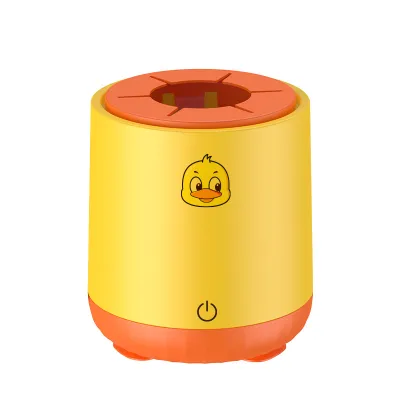
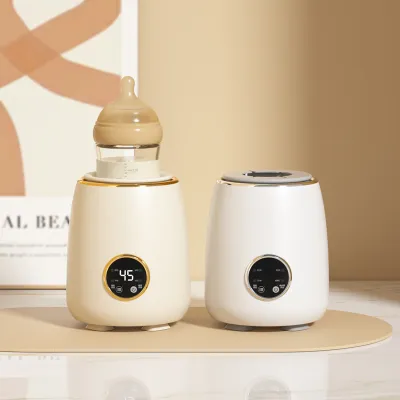
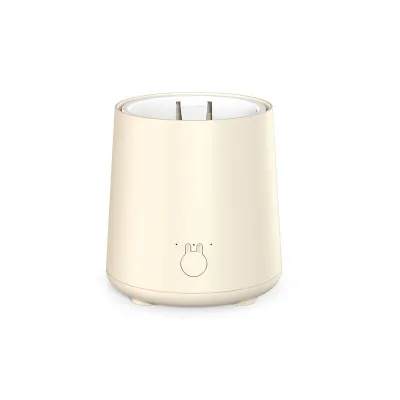
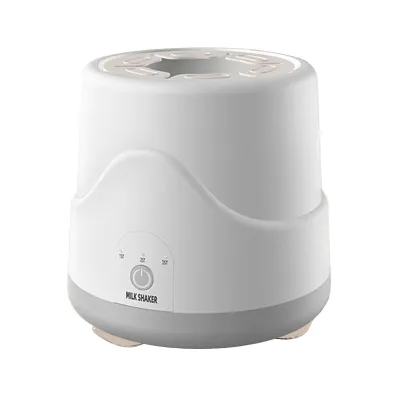
Prices are valid at publication and may change. Please refer to the product page for the latest price.
Finally, evaluate your power source preferences. Rechargeable USB models offer modern convenience, allowing you to charge the device via power banks, car ports, or wall adapters. Conversely, battery-operated options utilizing standard AA or AAA batteries provide instant power without waiting for a charge cycle, making them highly practical for extended outdoor trips.
Core Specifications to Compare Across Milk Shaker Brands
When evaluating different milk shaker options, understanding the foundational features and design elements is key to making an informed choice. Milk shakers generally fall into two categories: those that use an internal mixing mechanism, such as a rotating blade or magnetic stirrer, and those that utilize an external platform to shake or swirl the entire bottle.

Beyond the mixing style, always check bottle thread compatibility and maximum liquid capacity limits. Some shakers require you to use a proprietary cup, while others are designed as universal platforms that accommodate standard baby bottle brands. Ensure the device’s maximum capacity aligns with your baby’s current and future feeding volumes to prevent overfilling.
Evaluating Mixing Mechanisms and Clump Prevention
A primary function of any milk shaker is to dissolve formula powder thoroughly without leaving residue or creating excessive air bubbles. Vortex mixing devices use a magnetic stir bar or an integrated blade at the base to spin the liquid rapidly, creating a whirlpool that pulls the powder downward. This method is highly efficient at dissolving standard powders quickly. In contrast, mechanical shaking platforms physically rock, rotate, or vibrate the bottle, mimicking hand-shaking but at a controlled, consistent speed designed to minimize air integration.
It is important to check product labels and manufacturer instructions for recommended formula types. Standard cow’s milk formulas dissolve relatively easily, but specialized options—such as thickened, anti-reflux, or hypoallergenic formulas—are often denser and may resist vortex mixing. Some manufacturers explicitly state exclusions for these heavy or starch-thickened powders, indicating that a mechanical shaking platform or manual preparation may be required instead.
To ensure the shaker performs adequately with your chosen formula, plan a visual inspection during the initial testing phase at home. Prepare a test batch using water at the manufacturer’s recommended temperature. Once the cycle completes, pour the formula into a clear glass container and hold it up to a bright light. Check carefully for undissolved clumps at the bottom, residue clinging to the sides, or a thick layer of foam on the surface, as these can clog bottle nipples and contribute to infant gas.
Verifying Material Safety and Leak-Proof Designs
Because milk shakers come into direct contact with warm liquids and infant nutrition, verifying material safety is a non-negotiable step. Caregivers must verify BPA-free and food-grade material claims directly on the product packaging or official specifications. Look for clear certifications from recognized safety bodies rather than relying solely on generic marketing terms. The plastics and silicones used must be rated to withstand repeated exposure to warm water without degrading or leaching chemicals.
A secure, leak-proof design is equally vital for safe operation. Inspect the sealing ring and the lid locking mechanism closely. High-speed mixing or vigorous mechanical shaking creates internal movement that can easily force liquid out of a poorly sealed container. A robust silicone gasket and a secure latching lid prevent messy spills and protect caregivers from potential burns if warm water is used.
Additionally, always check for manufacturer warnings regarding hot liquids, temperature limits, and pressure buildup. Mixing formula with hot water can cause the air inside a sealed shaker to expand rapidly, leading to pressure accumulation. Operating a shaker above the manufacturer’s specified temperature limit can warp plastic components, compromise the seals, or cause the lid to pop open unexpectedly during use.
Evaluating Cleaning Routines and Long-Term Reliability
Maintaining strict hygiene is critical when preparing infant formula, making the cleaning routine of a milk shaker a major consideration. Before purchasing, check the manufacturer’s instructions to confirm if the components are dishwasher safe or require careful hand washing. Devices with integrated electronic bases or charging ports must never be submerged in water, requiring a design that allows the mixing cup or blade assembly to detach completely for safe cleaning.
Ease of disassembly is directly linked to long-term hygiene. Evaluate how easily you can remove the mixing blade, vortex base, or silicone sealing rings. In warm and humid environments, any trapped moisture or formula residue in tight crevices can quickly become a breeding ground for bacteria and mold. A shaker that is difficult to take apart is less likely to be cleaned thoroughly during busy daily routines.
Long-term reliability also depends on the availability of replacement parts and clear warranty terms. Silicone seals and plastic gears naturally degrade over time with repeated washing and exposure to heat. Review the manufacturer’s warranty to see what coverage is provided for motor failures, and verify if you can easily purchase individual replacement parts, such as silicone gaskets, to extend the operational life of the device.
Making Your Final Selection: A Conditional Decision Guide
Selecting the right milk shaker requires synthesizing your specific feeding routine with the practical features of each model. Apply conditional choices to narrow down your options. For instance, if your priority is portability for travel or outdoor outings, prioritize compact, battery-operated models with secure travel lids. If you primarily prepare formula at home and manage multiple daily feeds, a high-capacity, USB-rechargeable model that accommodates your existing bottle brand is generally the more practical investment.
Before finalizing your purchase, verify current retail prices in S$ across trusted e-commerce platforms and official brand stores. Prices can range from budget-friendly handheld mixers around S$15 to advanced, multi-functional automated shaking stations costing upwards of S$80. Ensure the price reflects the build quality and features you actually need, keeping in mind the relatively short window of time your baby will rely on formula.
Finally, cross-reference recent buyer reviews specifically for long-term motor reliability and seal degradation. Look for consistent feedback regarding how well the battery holds a charge after several months of use and whether other parents have experienced leaks. This real-world performance data is invaluable for identifying potential design flaws that may not be apparent from the manufacturer’s specifications.
Frequently Asked Questions (FAQ)
Can I use a milk shaker to mix breast milk and formula together?
Caregivers practicing hybrid feeding should always check the manufacturer’s guidelines regarding the safety of mixing expressed breast milk with formula powder. Generally, breast milk does not require mechanical shaking, as it is already a fully dissolved liquid. Using an automated milk shaker to mix breast milk can lead to over-aeration, introducing excess air bubbles into the liquid. When ingested, these bubbles can contribute to gas, bloating, and colic symptoms in babies. If you choose to combine breast milk and formula, it is best to prepare the formula separately in the shaker first, allow any foam to settle, and then gently swirl the breast milk in by hand.
How do I know when to replace the sealing ring or mixing parts?
To maintain hygiene and prevent leaks, caregivers should perform regular visual and tactile checks on all consumable parts. Inspect silicone sealing rings for signs of wear, such as discoloration, persistent sour milk odors, stiffness, micro-tears, or mold spots in hard-to-reach crevices. If a seal feels brittle or no longer fits snugly in its groove, it must be replaced immediately. Always follow the manufacturer’s recommended replacement schedule for silicone gaskets, blades, and other mixing components to ensure the device continues to operate safely and hygienically.
Community discussion
Share your experience or ask a question. Comments are reviewed before publication.