
Quick Answer: Finding Your Ideal Balance
Choosing the right maternity belly support band depends on your primary physical discomfort, daily activity levels, and personal comfort preferences. If you require targeted relief for lower back strain or round ligament pain, a structured under-bump cradle is often the most effective choice. For those seeking gentle, all-day compression to manage mild abdominal stretching or to keep pre-pregnancy trousers in place, a seamless, highly breathable wrap-around band is ideal. Meanwhile, individuals experiencing severe pelvic girdle pain or carrying a heavy bump in the third trimester typically benefit most from a full-coverage, multi-strap posture belt. Because comfort is highly subjective, your choice must also account for your unique bump shape, skin sensitivity, and how well the band’s materials perform in warm environments.
How to Evaluate Support and Comfort Across Brands
To make an informed comparison between the various maternity bands available on the market, you must look past marketing claims and evaluate specific structural and material metrics. The first key metric is the support mechanism itself, which generally falls into two categories: compression and lift. Compression bands work by applying gentle, even pressure across the entire abdomen, which helps stabilize the core and minimize the micro-movements of the skin and muscles during daily activities. Lift mechanisms, on the other hand, act like a hammock, cradling the lower curve of the bump to transfer a portion of the weight back toward your hips and spine, thereby reducing the downward pull on your pelvis.

Adjustability is another critical factor to analyze when comparing brands. A high-quality band should feature wide, durable hook-and-loop fasteners that allow you to micro-adjust the tension as your body changes throughout the day. Look for designs with dual-panel adjustments or side-stretch panels, which let you tighten or loosen specific zones to accommodate normal daily bloating, meals, and rapid fetal growth. Narrow fastening strips can concentrate pressure in a small area, which often leads to the band digging into your skin or losing its grip over time.
Products mentioned in this guide
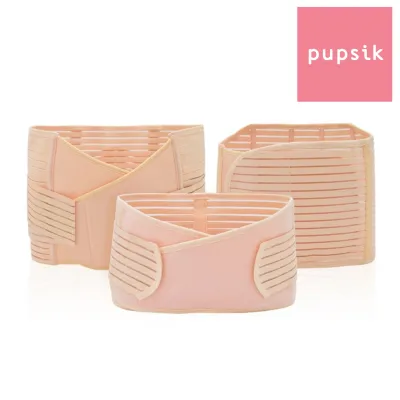
Prices are valid at publication and may change. Please refer to the product page for the latest price.
In Singapore’s hot and humid climate, fabric composition and breathability are paramount for long-term comfort. Heavy, non-porous synthetic fabrics can trap heat and sweat, quickly leading to skin irritation, heat rashes, or general discomfort during outdoor commutes. When evaluating brands, prioritize material blends that incorporate breathable fibers like bamboo rayon, cotton, or highly perforated nylon-spandex meshes. These materials facilitate airflow and help wick moisture away from your skin, making the band much more tolerable for daily wear.
Finally, pay close attention to the edge and seam construction of the band. Seamless designs or those featuring soft, rolled edges are highly desirable because they minimize friction against your skin. Bands with stiff, raw, or overlocked edges have a tendency to dig into the sensitive skin under your ribs or at the top of your thighs, especially when you transition from standing to sitting. Examining these physical construction details will help you predict how comfortable a band will remain during a full day of movement.
Comparing Support Structures: Wrap, Cradle, and Full-Coverage
When comparing popular maternity bands, you will find that most designs are built around three primary structural approaches. Each of these categories offers a distinct balance of support, ease of use, and physical comfort.
Wrap-Around and Adjustable Bands
Single-piece wrap-around bands are designed for simplicity and quick adjustments. These bands typically consist of a wide elasticized strip that wraps around your lower back and fastens securely under your bump. They excel at providing customizable compression, allowing you to easily tighten or loosen the band as you transition between sitting, walking, and resting. Because they are relatively low-profile, they can be worn discreetly under most everyday clothing.
However, these single-piece designs do have some comfort trade-offs. The hook-and-loop fasteners can sometimes snag on delicate clothing fabrics if not aligned perfectly. Additionally, because they lack vertical structural elements, some wrap-around bands have a tendency to roll up or bunch at the waist during active movement, requiring frequent readjustment. They are best suited for individuals who need versatile, light-to-moderate support that can be easily adjusted on the go.
Cradle-Style and Under-Bump Bands
Cradle-style bands are engineered to sit strictly beneath the belly, focusing their support on the lower abdomen and pelvic region. By lifting the bump from below, these bands provide targeted relief for round ligament pain and heavy pelvic pressure without placing any restrictive material over the upper abdomen. This open-top design makes them exceptionally breathable and comfortable for sitting, as there is no fabric to press against your diaphragm or stomach.
The primary challenge with under-bump bands is ensuring they stay securely in place. If the band is not sized correctly, or if your unique bump shape does not provide a natural anchor point, the band may slide down during walking or climbing stairs. To mitigate this, many brands incorporate silicone grip strips or contoured shaping. These bands are highly recommended for individuals experiencing localized pelvic pressure or lower abdominal strain who prefer to keep their upper belly completely free.
Full-Coverage and Posture-Support Belts
Full-coverage belts represent the most supportive category, utilizing a multi-strap system that covers the entire bump and extends high up the back. These systems typically feature a wide under-bump support band, an over-the-bump strap to prevent shifting, and a reinforced back panel to encourage proper spinal alignment. They offer maximum weight distribution, making them highly effective at relieving severe lower back strain and stabilizing the pelvic girdle.
The trade-off for this comprehensive support is increased bulk and heat retention. The multi-layered design can feel warm, particularly when walking outdoors in Singapore, and the extra straps are often visible under thin or form-fitting clothing. There is also a slight learning curve to putting these belts on correctly, as you must adjust multiple tension straps in a specific sequence. They are best suited for the late second or third trimester when maximum structural support is necessary to maintain comfortable mobility.
Matching Support and Comfort to Your Pregnancy Stage
Your physical support needs and comfort tolerances will shift dramatically as your pregnancy progresses, meaning the ideal band for your first trimester may not suffice by your third. During the first to early second trimester, your bump is still developing, but you may experience mild abdominal stretching, bloating, or lower back fatigue. At this stage, prioritize light compression and high breathability. A simple, seamless wrap-around band or a supportive maternity camisole is often sufficient to provide gentle reassurance and help keep your pre-pregnancy clothes fitting comfortably without adding unnecessary bulk.
As you transition into the mid to late second trimester, your bump grows more prominent, shifting your center of gravity forward and putting increased strain on your lower back and pelvis. This is the time to transition to adjustable lift. Look for bands that offer wide, structured under-bump support to cradle the growing weight. Adjustability becomes crucial here, as your belly size will change rapidly from week to week, requiring a band that can expand alongside you without losing its supportive elasticity.
By the third trimester, the physical demands on your body reach their peak. You may experience significant pelvic girdle pain, lower back aches, and a constant feeling of heaviness. During these final weeks, prioritize maximum lift and pelvic stabilization. A full-coverage posture belt with multi-strap adjustments is often the most practical choice, even if it is slightly bulkier or warmer to wear. The structural relief it provides to your spine and pelvis generally outweighs the minor inconvenience of the extra layers.
Regardless of your stage of pregnancy, it is essential to consult your healthcare provider before introducing a highly restrictive support garment into your routine. This is particularly important if you are experiencing high-risk pregnancy complications, circulatory issues, or severe pelvic pain, as your doctor can provide personalized guidance on the safest type of support for your body.
Verifying Fit, Safety, and Comfort Before You Buy
Because maternity bands are highly personal items, taking the time to verify the fit and quality before purchasing will ensure you get a product that truly supports you. Always begin by taking accurate physical measurements. Use a flexible measuring tape to measure both your under-bump and over-bump circumferences, and compare these figures directly against the specific brand’s size chart. Do not rely on your pre-pregnancy clothing size, as sizing standards vary significantly between different manufacturers.
When shopping on local e-commerce platforms or official brand stores, carefully review the trial and return policies. Because support bands are worn close to the skin, many retailers classify them as hygiene-sensitive items and may only accept returns if the product remains in its original, unopened packaging with all hygiene seals intact. Checking these terms beforehand protects your purchase in case you need to exchange the band for a different size.
Once you receive your band, try it on over a thin layer of clothing first to assess the fit. Pay close attention to how your body responds. You must stop using the band immediately and consult a healthcare professional if you experience any warning signs such as restricted breathing, skin irritation, numbness in your legs, or a noticeable reduction in fetal movement. A support band should feel like a firm, comfortable hug; it should never pinch, restrict your breath, or cause pain.
To maintain the elasticity and comfort of your band over time, always follow the manufacturer’s care and maintenance instructions. Most high-quality bands utilize delicate elastic fibers that can degrade quickly if exposed to high heat. Washing the band in cold water on a gentle cycle inside a mesh laundry bag, and allowing it to air-dry completely, will help preserve its structural integrity and keep the fabric soft against your skin throughout your pregnancy journey.
Frequently Asked Questions (FAQ)
Can I wear a belly support band all day?
It is generally recommended to limit the wear of a belly support band to active periods rather than keeping it on all day. Continuous, uninterrupted wear can cause your core and back muscles to rely too heavily on the external support, potentially weakening them over time. Instead, wear the band during periods of prolonged standing, walking, or when you are experiencing acute discomfort. Always check the specific manufacturer’s guidelines and consult your healthcare provider to establish a safe daily wear schedule tailored to your physical needs.
Will a support band restrict my baby's growth or movement?
A properly fitted maternity support band that is designed specifically for pregnancy should not restrict your baby’s growth or movement. These bands are engineered to support the external muscular structure of your abdomen and pelvis rather than compressing the uterus itself. However, if the band is worn too tightly, it can cause discomfort and restrict your own circulation. If you ever notice a decrease in your baby’s movement or feel any sharp pain or shortness of breath, remove the band immediately and seek medical advice.
How do I wash my maternity support band to keep it comfortable?
To preserve the soft texture and elastic strength of your maternity band, always refer to the care label provided by the manufacturer. As a general rule, you should wash the band in cool or lukewarm water using a mild, hypoallergenic detergent to prevent skin irritation. Avoid using fabric softeners, as they can coat the fibers and reduce the breathability of moisture-wicking fabrics. Air-drying the band flat or hanging it up is highly recommended, as the high heat of a clothes dryer can warp the elastic fibers and cause the band to shrink or lose its supportive shape.
Community discussion
Share your experience or ask a question. Comments are reviewed before publication.