
Quick Answer: Smart vs. Manual Dispensers for Accuracy and Ease
Choosing between a smart automatic formula milk dispenser and a manual mechanical dispenser depends on your daily feeding environment, lifestyle, and budget. Smart or automatic dispensers generally offer higher precision for water-to-powder ratios alongside convenient one-touch preparation. These electronic models automate the heating, measuring, and mixing processes, making them highly efficient for middle-of-the-night feeds when sleep deprivation makes manual preparation challenging. However, they require a dedicated power source, regular calibration, and a meticulous cleaning routine to prevent internal clogging.
Conversely, manual rotary or push-button dispensers excel in portability, simplicity, and long-term reliability. Operating entirely without electricity, these mechanical units are ideal for travel, daycares, or compact kitchens. While they eliminate the risk of electronic sensor failures, they require more physical effort. Parents must measure and heat the water separately, and manual dispensers can be susceptible to slight variations in powder volume due to human error, static cling, or powder settling. Ultimately, the best choice depends on whether you prioritize exact, gram-level automation at home or highly portable, low-maintenance simplicity on the go.
Key Comparison Dimensions: Evaluating Accuracy and Daily Usability
To determine which formula milk dispenser best fits your household, it is essential to evaluate how these devices perform across three critical dimensions: dispensing accuracy, daily ease of use, and physical footprint.
Products mentioned in this guide
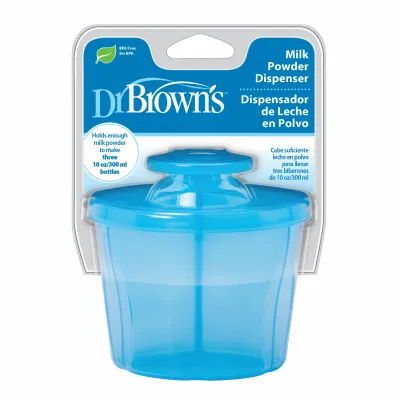
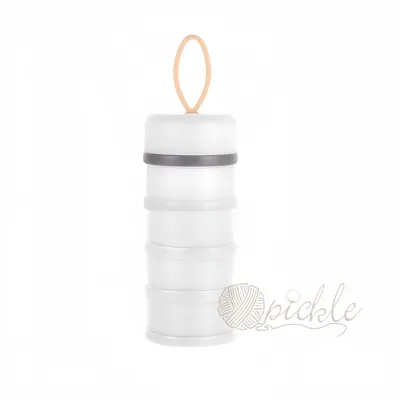
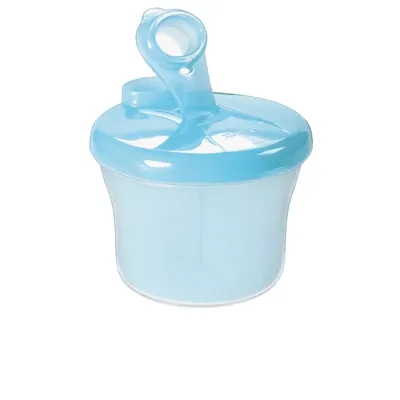
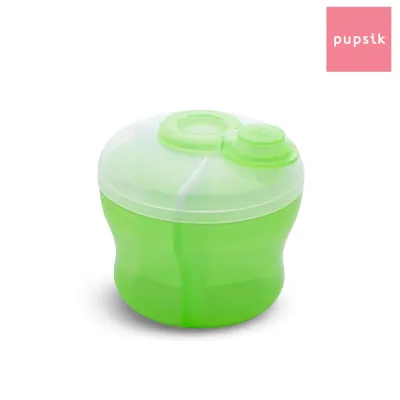
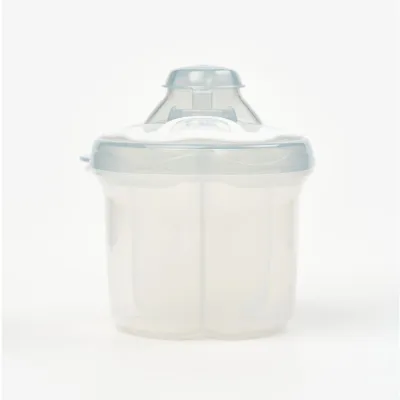
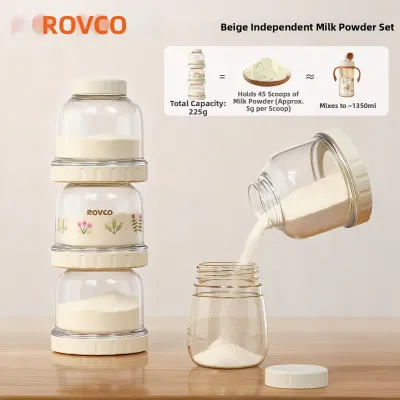
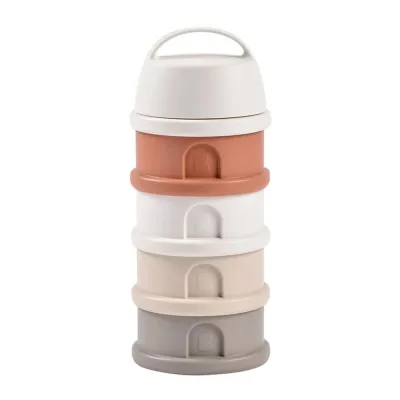
Prices are valid at publication and may change. Please refer to the product page for the latest price.

Dispensing Accuracy
Accuracy in formula preparation is a matter of infant health. If a bottle is consistently prepared with too much powder, it can strain an infant’s developing kidneys and cause dehydration. Conversely, a diluted mixture deprived of proper nutrients can hinder healthy weight gain.
In this context, accuracy refers to two distinct elements: powder dispensing precision and water temperature control. For powder, a dispenser must consistently deliver the exact weight equivalent of the manufacturer’s recommended scoops without clumping, bridging, or leaving residue in the chute. For water, smart models must heat and dispense the exact volume requested at a safe, consistent temperature. Because environmental factors like high humidity can cause formula powder to clump and affect flow, parents should verify the manufacturer’s specified tolerance levels (such as ±1 gram for powder or ±5 milliliters for water) in the product documentation rather than relying on general marketing claims.
Ease of Use
Daily usability centers on how easily a caregiver can prepare a bottle under real-world conditions, such as holding a crying infant in a dark room. Key usability factors include:
- Interface Intuition: One-touch button interfaces or clear digital screens are generally easier to navigate than complex manual dials that require precise alignment.
- Low-Light Readability: Backlit displays or illuminated dispensing areas are highly beneficial during night feeds, allowing you to operate the machine without turning on bright overhead lights.
- Operational Noise: Loud motor hums or repetitive mechanical clicking can disturb a sleeping household. A quiet dispensing cycle is a significant advantage.
- Physical Effort: Manual models require physical twisting or pressing, which can become tiring when preparing multiple bottles daily.
Capacity and Footprint
The physical size of the dispenser determines where it can live in your home. Smart dispensers are substantial countertop appliances that require a permanent location near an electrical outlet. They feature large water reservoirs and airtight powder hoppers, reducing the frequency of refills. Manual dispensers are much smaller, lightweight, and easily stored in a cabinet or diaper bag. However, their smaller capacity means you will need to refill the powder chamber more frequently, and you must manage water storage and heating through separate appliances.
Manual vs. Smart Dispensers: Side-by-Side Performance Breakdown
Understanding the mechanical and operational differences between manual and smart formula milk dispensers helps clarify how they perform during daily feeding routines.
Manual Rotary and Push-Button Dispensers
Manual formula dispensers rely on purely mechanical designs to portion out formula powder. Most models feature a top hopper where dry powder is stored, connected to a rotating base or a spring-loaded push button. When you turn the dial or press the button, an internal chamber fills with powder and drops it through a chute directly into your bottle.
- Physical Operation and Portability: The primary advantage of manual dispensers is their independence from electrical power. They do not require batteries or wall outlets, making them incredibly reliable. If you travel frequently, visit parks, or send your child to a daycare facility, a manual dispenser fits easily into a travel bag and functions anywhere. The physical effort required is minimal but repetitive; you must manually actuate the mechanism for every scoop required.
- Accuracy Challenges: Manual models are highly susceptible to environmental and physical variables. In humid climates, moisture can enter the dispensing chute, causing the powder to stick and form clumps. This leads to "powder bridging," where a hollow dome forms over the dispensing opening, resulting in an under-concentrated bottle. Additionally, static electricity can build up on the plastic walls of the chamber, causing fine powder particles to cling to the interior rather than dropping into the bottle. Rapidly turning the dial or pressing the button without allowing the chamber to refill completely can also introduce volume variations.
- Usability Limits: While manual dispensers simplify the process of counting scoops, they only handle the powder. You must still heat water to the correct temperature using a kettle, measure the water volume visually in the bottle, and mix the formula by hand. This multi-step process limits the overall convenience of the device.
Smart and Automatic Formula Dispensers
Smart formula dispensers are fully integrated electronic appliances designed to deliver a perfectly mixed, warm bottle at the touch of a button. They feature separate compartments for water and formula powder, an internal heating element, a motorized mixing system, and electronic sensors.
- Automated Mixing and Precision: These machines are programmed with specific calibration settings tailored to various formula brands and stages. When you select your desired bottle size and temperature, the machine calculates the exact ratio of powder and water, heats the water instantly, dispenses both components simultaneously, and mixes them as they flow into the bottle. This automated process minimizes human error, ensuring highly consistent water-to-powder ratios and precise temperature control.
- Night-Time Convenience: For sleep-deprived parents, the speed of an automatic dispenser is unmatched. Instead of measuring water, waiting for a kettle to heat, and counting scoops of powder while exhausted, you simply place a bottle on the tray and press a button. A warm, mixed bottle is typically ready in under thirty seconds.
- Drawbacks and Limitations: The primary trade-offs of smart dispensers are their complexity, cost, and maintenance requirements. They have a large countertop footprint and must remain plugged into an electrical outlet. They are significantly more expensive than manual alternatives. Furthermore, their reliance on electronic sensors means that any system error or sensor blockage (such as a build-up of powder residue on an optical sensor) can halt operation entirely. The internal heating elements and water pumps also require regular descaling to prevent mineral buildup, which can affect temperature accuracy and water flow.
Beyond Dispensing: Cleaning, Maintenance, and Safety Checks
Regardless of the type of dispenser you choose, maintaining strict hygiene is vital for your infant’s health. Formula powder is not sterile, and the combination of warmth and moisture inside a dispenser creates an ideal environment for bacterial growth.
Disassembly and Cleaning Routines
Manual and smart dispensers require very different cleaning workflows:
- Manual Dispensers: These units generally feature simple, mechanical parts that can be completely disassembled. Because they do not contain electronics, all components can usually be washed in warm, soapy water, rinsed thoroughly, and sterilized using standard steam or boiling-water methods.
- Smart Dispensers: These appliances feature complex internal pathways, funnels, and dispensing wheels. Because the electronic base cannot be submerged in water, you must carefully remove the detachable parts—such as the water tank, powder hopper, funnel, and mixing cover—for individual cleaning. Many smart models require the mixing funnel to be washed and dried thoroughly after every few bottles to prevent powder buildup from blocking the sensors.
Managing Moisture and Clumping Risks
Moisture is the primary enemy of dispensing accuracy and hygiene. In smart dispensers, warm water vapor from the mixing funnel can rise into the powder dispensing chute. If this chute is not kept perfectly dry, the incoming powder will absorb the moisture, leading to severe clumping and blockages. This not only causes inaccurate dispensing but can also harbor harmful bacteria or mold in hidden internal channels.
To mitigate these risks:
- Always dry every component completely before reassembling the unit and refilling it with powder. Even a single drop of water in the hopper can ruin an entire batch of formula.
- Regularly inspect the dispensing chute and funnel for any signs of dampness or powder buildup.
- Avoid placing the dispenser directly under air conditioning vents or in areas of extreme humidity, which can accelerate powder clumping.
Safety and Material Verifications
Before purchasing or using any formula dispenser, perform the following safety checks:
- BPA-Free Materials: Check the product packaging or manufacturer documentation to verify that all components coming into contact with water or formula powder are certified BPA-free.
- Sterilization Compatibility: Consult the user manual to confirm which parts can safely withstand high-temperature sterilization. Never place electronic components, sensors, or non-compatible plastics in a steam sterilizer or microwave sterilizer, as this can warp the parts and ruin the calibration.
- Observe and Stop Use: Regularly monitor the consistency of the prepared formula. If you observe persistent clumping, moisture inside the powder chamber, or any signs of mold in hard-to-reach areas, stop using the device immediately. Clean and sterilize all parts thoroughly, or consult the manufacturer for professional assistance.
Decision Framework: Which Dispenser Fits Your Feeding Routine?
To choose the right formula milk dispenser, evaluate your daily routine against the following scenarios:
Choose a Smart Dispenser if:
- You feed primarily at home: You have a dedicated space on your kitchen counter near an electrical outlet where the appliance can remain set up.
- Night feeds are highly challenging: You struggle with measuring and mixing bottles while sleep-deprived and want a one-touch solution to prepare warm bottles quickly.
- You value precise temperature control: You want to ensure your baby's bottle is consistently prepared at a specific, safe temperature without manual testing.
- You can commit to regular maintenance: You are willing to perform daily funnel washes, weekly deep cleans, and monthly descaling routines to keep the electronic sensors and water pathways clear.
Choose a Manual Dispenser if:
- Portability is your priority: You travel often, need a reliable option for daycares, or frequently prepare bottles outside the home.
- You have limited kitchen space: You prefer a compact device that can be stored in a cabinet when not in use.
- You prefer a low-maintenance, budget-friendly option: You want a straightforward device with no electrical components to troubleshoot, no sensors to calibrate, and fewer parts to clean.
- You do not mind manual preparation steps: You are comfortable heating and measuring water separately before adding the portioned powder.
Critical Compatibility Check
Before making a final decision, always check your specific formula milk brand’s packaging. Some specialized formulas—such as anti-reflux, hypoallergenic, organic, or highly dense varieties—have unique mixing requirements, specific temperature thresholds, or specialized anti-clumping needs. Always cross-reference the dispenser’s official compatibility list with your chosen formula brand and stage to ensure accurate, safe preparation. If instructions conflict, or if your formula brand is not listed as compatible, consult the manufacturer before proceeding.
Frequently Asked Questions (FAQ)
Can I use any brand of formula powder in an automatic dispenser?
No, you cannot use just any formula powder without verifying compatibility. While automatic dispensers are designed to accommodate a wide range of standard infant formula powders, specialized varieties—such as thickened, anti-reflux, or highly organic formulas—may have different densities or moisture-absorption rates. These unique physical properties can cause jamming, clumping, or inaccurate dispensing volumes. Always consult the manufacturer’s official compatibility database or user manual to verify if your specific formula brand and stage are supported, and ensure you use the correct machine settings.
How often should I clean the internal mechanism of a formula dispenser?
To maintain strict hygiene and prevent clumping, you should clean the removable mixing funnel of an automatic dispenser after every few bottles, or as indicated by the machine’s warning light. The powder hopper and water tank should undergo a deep clean and thorough drying at least once a week. Because moisture and powder residue can quickly foster bacterial growth, you must strictly follow the specific model’s user manual for cleaning frequencies and sterilization instructions. Never submerge electronic components or bases in water.
Do manual dispensers lose accuracy over time?
Yes, manual dispensers can experience wear and tear that affects their long-term accuracy. Over time, internal springs can lose tension, plastic gears or dials can wear down, and static electricity or microscopic moisture buildup can cause powder to stick to the chamber walls. This can result in inconsistent portion sizes. Regularly inspect your manual dispenser for signs of stiffness, physical wear, or visible powder accumulation in the mechanisms. If the parts become difficult to turn or if you notice consistent variations in the dispensed volume, the unit should be replaced.
Community discussion
Share your experience or ask a question. Comments are reviewed before publication.