
Finding the right nursing pillow is a highly personal decision that directly impacts your physical comfort and your baby’s feeding posture. While the Feeding Friend nursing pillow has gained attention for its distinct wedge-like shape and portable design, determining whether it or a competing brand is the right choice depends on your specific body shape, preferred feeding positions, and your baby’s developmental stage. There is no single pillow that works for every parent, making it essential to compare structural features, fill materials, and support mechanisms before purchasing.
In Singapore’s warm climate, factors like cover breathability and ease of washing also play a significant role in long-term comfort. By analyzing how different designs distribute your baby’s weight and relieve strain on your shoulders, neck, and lower back, you can make an informed choice. This comparison evaluates the core design of the Feeding Friend alongside traditional C-shaped, U-shaped, and flat feeding cushions to help you identify the most supportive option for your nursing journey.
What to Look for When Comparing Nursing Pillow Comfort and Support
To evaluate any nursing pillow, you must first understand the mechanical and material factors that contribute to ergonomic support. The primary goal of a feeding cushion is to elevate your baby to the height of your breast or bottle without requiring you to slouch forward or strain your arms.
Products mentioned in this guide
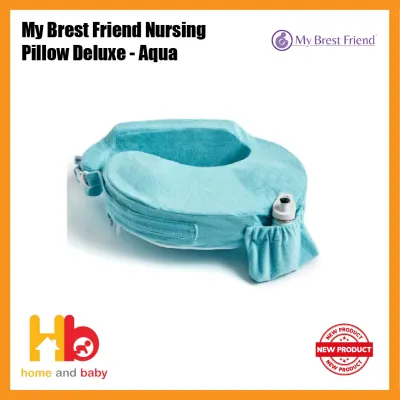
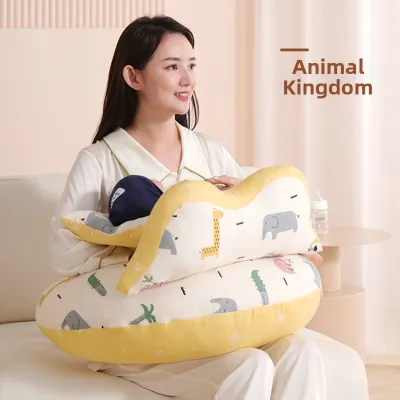
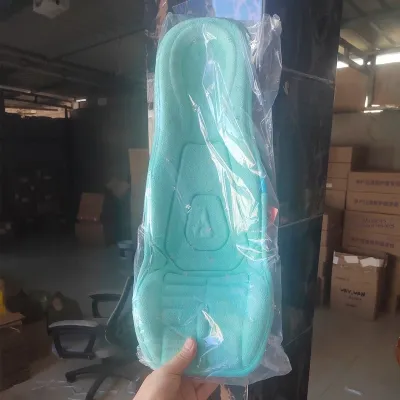
Prices are valid at publication and may change. Please refer to the product page for the latest price.
The density and resilience of the fill material are critical to maintaining this elevation over time. High-density foam or firm memory foam provides a stable, non-yielding platform that prevents the baby from sinking, which helps maintain proper latch alignment. Conversely, looser polyester fiberfill offers a softer, more pillow-like feel but may compress under the baby’s weight, requiring you to prop up the cushion with your arms or additional bed pillows.
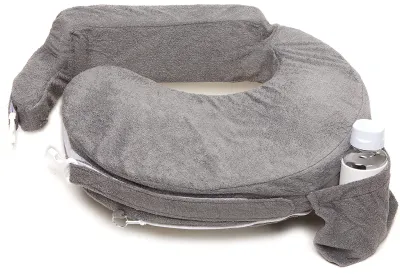
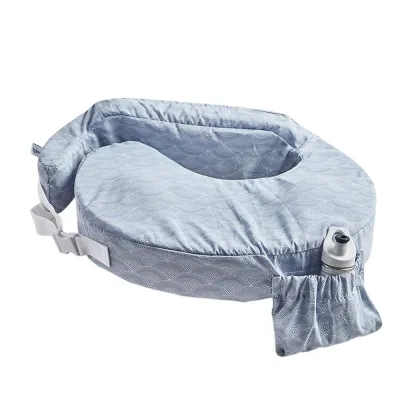
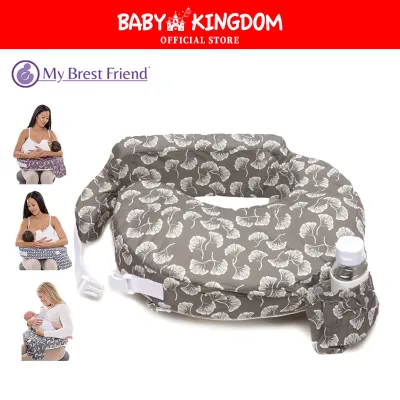
Shape profiles dictate how the pillow interacts with your body and where it distributes weight. C-shaped and U-shaped pillows wrap around your torso, transferring the baby’s weight directly to your lap and hips while offering a resting place for your forearms. Crescent or wedge-shaped designs focus support on a specific side or angle, which can be highly effective for targeted positioning but may require more active adjustment if you switch sides during a feeding session.
Fabric selection is another vital component of comfort, particularly in tropical climates where skin-to-skin contact can quickly lead to overheating. Look for breathable, natural fibers such as cotton or bamboo blends that allow air circulation and absorb moisture. Because spills, spit-up, and milk leaks are inevitable, verify that the pillow features a removable, machine-washable cover with a durable zipper that can withstand frequent laundering without shrinking or losing its shape.
Understanding the Feeding Friend Design and Ergonomic Profile
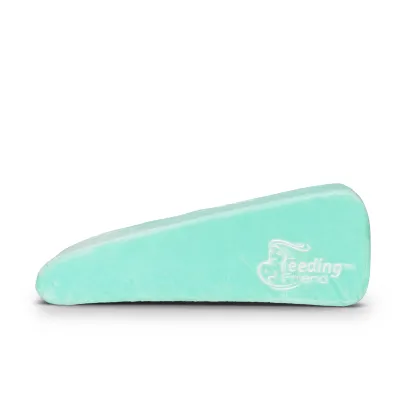
The Feeding Friend nursing pillow features a distinctive wedge-shaped, sloped design that sets it apart from conventional wrap-around cushions. This angled profile is structurally engineered to naturally elevate your baby’s head and torso, which can assist with digestion and help reduce reflux symptoms during and after feeding.

Unlike pillows that rely solely on a snug fit around the waist to stay in place, this design often incorporates a secure fastening strap or buckle mechanism. This strap allows you to secure the pillow around your body or arm, preventing it from sliding away or shifting as your baby moves. By locking the cushion into a stable position, the fastening system helps maintain a consistent feeding height, reducing the need to constantly readjust the pillow mid-feed.
The manufacturer optimizes this wedge design primarily for standard cradle and cross-cradle feeding positions. In these holds, the sloped angle supports the baby’s body in a semi-upright posture while allowing your arm to rest comfortably along the incline. This targeted support is intended to minimize tension in your deltoid and trapezius muscles, which are frequently strained during long feeding sessions.
Because the pillow does not fully encircle your waist, it offers a different physical relationship with your body than traditional wrap-around models. It is designed to sit compactly on your lap or beside you, making it highly adaptable to various seating arrangements, from deep armchairs to narrow glider seats. Parents should check the manufacturer’s specific dimensions and weight recommendations to ensure the wedge height aligns well with their torso length and breast position.
How Feeding Friend Compares to Other Common Pillow Shapes
When comparing the Feeding Friend to traditional C-shaped or U-shaped wrap-around pillows, the most notable difference lies in torso coverage and lower back support. Wrap-around pillows encircle your entire midsection, which can provide a sense of secure baby containment and offer a convenient resting ledge for both of your elbows simultaneously. However, these circular designs can feel restrictive or tight for parents with larger midsections or those recovering from a Caesarean section, where any pressure on the abdomen can cause discomfort.
In contrast, the Feeding Friend’s open, wedge-style design avoids placing direct pressure on your abdomen, making it a highly suitable option for post-C-section recovery. However, because it does not wrap around your back, it does not offer built-in lumbar support. If you struggle with lower back pain, you may need to pair a wedge-style pillow with a separate lumbar support cushion behind you in your chair, whereas some wrap-around brands feature integrated back pads specifically for this purpose.
When compared to flat, rectangular feeding cushions, the Feeding Friend offers distinct trade-offs in portability and adjustability. Flat cushions provide a uniform, level surface that works well for older, longer babies who need more horizontal space, but they can be bulky to store. The compact, angled footprint of the Feeding Friend makes it significantly easier to pack for travel, though its fixed slope means you cannot easily adjust the flat surface area as your baby grows.
The impact on arm relief and shoulder strain also varies across these structural designs. A wrap-around pillow allows you to rest both forearms flat, which is highly beneficial during long, relaxed feeds or when bottle-feeding. The wedge design of the Feeding Friend focuses relief on the specific arm supporting the baby’s head and upper body, which works exceptionally well for active, hands-on breastfeeding but may require you to reposition the entire pillow when transitioning the baby to the opposite breast.
Decision Guide: Choosing Between Feeding Friend and Alternatives
To determine whether the Feeding Friend or an alternative nursing pillow is the right investment for your home, consider your physical recovery needs, your preferred feeding environment, and your baby’s unique requirements.
You should consider choosing the Feeding Friend if you prioritize a highly portable, compact cushion that does not constrict your waist or press against C-section incisions. It is particularly well-suited for parents who prefer cradle or cross-cradle holds and want a secure, strap-on design that prevents the pillow from sliding forward during active feeding sessions. Its compact size also makes it an excellent choice if you frequently feed your baby in smaller chairs or while traveling.
On the other hand, alternative wrap-around brands may be a better fit if you require comprehensive lower back support or are feeding twins and need a wide, flat surface that can support two babies simultaneously in a football hold. Additionally, if you have a larger midsection, a flexible, open-ended C-shaped pillow or an adjustable strap-on wrap-around pillow may offer a more comfortable, non-restrictive fit than a rigid wedge design.
It is important to recognize that neither option may be suitable if you or your baby require specialized, medical-grade positioning due to latching difficulties, physical developmental delays, or maternal physical limitations. In these instances, you should avoid relying solely on retail product descriptions and instead consult a certified lactation consultant or a healthcare provider. They can provide personalized guidance and recommend specific therapeutic positioning techniques or specialized equipment tailored to your clinical needs.
How to Verify Support and Comfort Before You Buy
Before purchasing any nursing pillow, it is essential to conduct a thorough verification of the product’s specifications to ensure it meets your physical requirements and safety standards.
First, check the manufacturer’s official documentation for the exact dimensions, fill weight, and recommended infant age or weight limits. A pillow that is too low will force you to slouch, while one that is too high can make positioning difficult. Comparing these measurements against your torso height and the height of your favorite nursing chair can help you estimate how well the pillow will perform in your home.
Next, evaluate the return policies and trial periods offered by local physical maternity stores or online marketplaces in Singapore. Because ergonomic comfort is highly subjective, being able to test the pillow’s firmness and fit in your own home—while keeping all tags and packaging intact—is the safest way to ensure you do not end up with an unusable product. If purchasing online, look for retailers that offer clear, hassle-free return windows.
Finally, learn to identify red flags in product listings and descriptions. Be cautious of brands that make vague material claims, such as “premium foam” without specifying the density, or those that fail to provide clear care instructions for washing. Most importantly, avoid any product that lacks explicit safety warnings regarding infant sleep; reputable manufacturers will always clearly state that nursing pillows are feeding aids and must never be used as sleep positioners.
Frequently Asked Questions (FAQ)
Can a nursing pillow be used for baby sleep or tummy time?
No, a nursing pillow must never be used for infant sleep, lounging, or unsupervised activities. Manufacturers explicitly warn against using feeding cushions for sleep due to the high risk of positional asphyxiation, suffocation, and falls. If a baby falls asleep on a nursing pillow, their head can tilt forward, blocking their airway, or they can roll off the sloped surface. For supervised tummy time, you must strictly refer to the manufacturer’s product label and age guidelines; some pillows can be used to prop up a baby’s chest once they have achieved sufficient neck control, but this must always be done under direct, active adult supervision.
How do I clean and maintain the pillow's support over time?
To preserve the structural integrity and hygiene of your nursing pillow, always follow the manufacturer’s specific care label instructions. Typically, you should wash the removable outer cover on a gentle cycle with a mild, baby-safe detergent and air-dry or tumble-dry on low heat to prevent shrinkage. The inner core, especially if made of high-density foam or specialized fill, should generally only be spot-cleaned with a damp cloth and mild soap, as submerging it in water can break down the material and ruin its supportive properties. Regularly inspect the pillow for signs of wear, such as fill clumping, permanent flattening, or a noticeable loss of firmness, which indicates that the cushion can no longer provide proper ergonomic support and should be replaced.
Community discussion
Share your experience or ask a question. Comments are reviewed before publication.