
When planning a nursery in Singapore, investing in an expandable bed—often designed to transition from an infant cot to a toddler bed and eventually a daybed—is a practical way to maximize space and long-term value. However, because these convertible designs feature moving parts, adjustable joints, and structural configurations that change over time, verifying their safety is paramount.
There is no single, universally recognized global safety standard for expandable cribs; instead, safety compliance depends on the specific regulatory framework of the market where the bed is sold. To ensure your child’s safety, you must look past attractive marketing claims and actively verify that a brand holds valid, up-to-date certifications from accredited testing laboratories. Prioritizing brands that offer complete transparency, accessible lab reports, and clear compliance markings is the most reliable way to secure a safe sleeping environment for your growing child.
Understanding International Crib Safety Standards
To evaluate an expandable bed effectively, caregivers must understand the primary international safety frameworks that govern nursery furniture. Different regions enforce distinct, rigorous testing protocols to ensure structural integrity and minimize injury risks.
Products mentioned in this guide
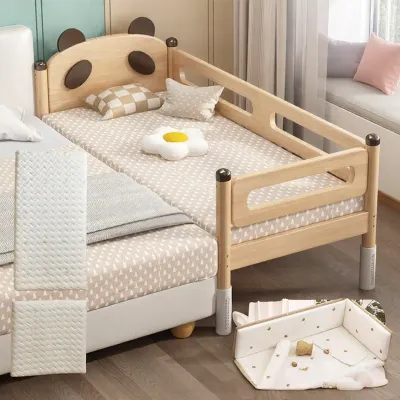
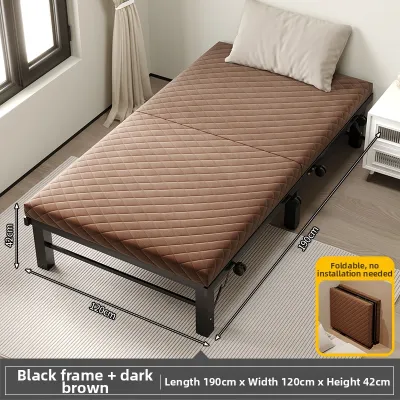
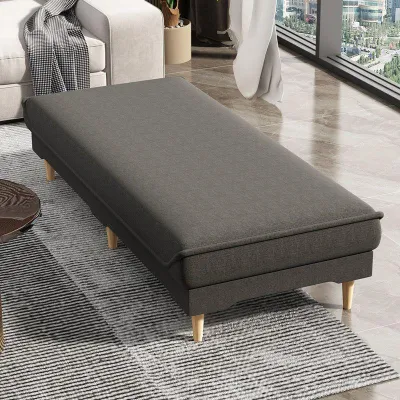
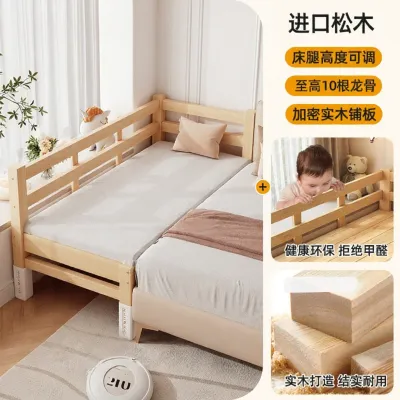
Prices are valid at publication and may change. Please refer to the product page for the latest price.
- ASTM F1169 (United States): Established by the American Society for Testing and Materials, this standard outlines strict requirements for full-size baby cribs. It mandates rigorous testing for structural stability, slat strength, side-rail integrity, and the prevention of accidental folding or collapse.
- EN 716 (Europe): This European standard specifies safety requirements and test methods for children's cots for domestic use. It focuses heavily on dimensions, distance between slats (to prevent head entrapment), and the elimination of sharp edges or snag hazards.
- AS/NZS 2172 (Australia and New Zealand): This standard is highly regarded for its stringent testing on drop-side mechanisms, structural strength, and impact resistance, ensuring the bed can withstand daily wear and tear.
In Singapore, the Consumer Product Safety Office (CPSO) monitors consumer products, and imported nursery furniture must align with recognized international safety standards to ensure basic protection.
Convertible and expandable beds introduce unique mechanical risks that standard static cribs do not face. As a bed expands, the structural load-bearing points shift. This transition can create dangerous entrapment hazards if the gaps between slats, headboards, or the mattress frame change size. Furthermore, repeated assembly and disassembly can lead to hardware fatigue, loose joints, or stripped threads, increasing the risk of sudden structural failure.
When researching brands, it is vital to distinguish between marketing phrases like “tested to meet safety standards” and actual certification. “Tested to” simply means a manufacturer conducted internal tests or designed the product with the standards in mind. True certification means an independent, third-party accredited laboratory (such as SGS, TÜV Rheinland, or Intertek) has physically tested the product, verified compliance, and issued an official certificate.
Key Dimensions for Comparing Expandable Cribs
When comparing different expandable bed options, looking beyond the safety label to the physical design and usability of the furniture is essential. Caregivers should evaluate four primary dimensions:

- Conversion Stages: Analyze how the crib expands and what configurations it supports. A typical progression moves from an infant cot (with adjustable mattress heights) to a toddler bed with safety guardrails, and finally to a daybed or a full-sized single bed. It is crucial to check whether the necessary conversion kits, extra rails, and extension hardware are included in the initial purchase price or if they must be bought separately. In Singapore, purchasing these kits years later can sometimes be difficult if a specific model is discontinued, so securing them upfront is often recommended.
- Mattress Compatibility: A critical safety hazard in expandable beds is the gap that can form between the mattress and the bed frame during different stages. A mattress that fits perfectly in the infant cot stage will not fit an expanded toddler or single bed frame. Caregivers must verify the exact mattress dimensions required for each conversion stage. If the bed requires a proprietary mattress size that is only sold by the manufacturer, this limits your options and may increase long-term costs.
- Material and Finish: The materials used in construction directly impact both safety and durability. Solid hardwoods (such as beech, birch, or oak) offer superior structural integrity and hold hardware more securely over multiple assemblies compared to engineered woods like MDF or particleboard. Additionally, because infants frequently chew on crib rails during teething, the finishes, paints, or varnishes must be certified non-toxic, lead-free, and phthalate-free. Look for certifications such as GREENGUARD Gold, which indicates low chemical emissions.
- Hardware and Assembly: The quality of the connecting hardware is the backbone of any convertible bed. High-quality metal-to-metal bushings and locking bolts are far more durable than wood screws, which can strip the wood fibers after a single conversion. The locking mechanisms must be robust and completely inaccessible to a curious toddler. Clear, detailed instruction manuals are also necessary to ensure the bed is reassembled correctly at each stage, preventing dangerous structural errors.
How to Verify Brand Certifications Before Buying
Because safety claims on online marketplaces can sometimes be misleading, caregivers should follow a systematic verification checklist before making a purchase:
- Check the Product Label: Inspect the physical crib frame or the mattress support board. Legitimate, certified cribs will have a permanent, non-detachable label or stamp indicating the specific safety standard they comply with (e.g., "Conforms to ASTM F1169" or "EN 716 certified"). If a product lacks these physical markings, treat it with caution.
- Review Manufacturer Documentation: Locate the exact model number of the expandable bed. Visit the brand's official website and search for their compliance or safety page. Reputable manufacturers make their declarations of conformity and user manuals easily accessible for download.
- Request Lab Reports: If certification details are vague or missing from the product listing, contact the retailer or brand directly. Ask for the official test report or Certificate of Compliance (CoC) issued by an accredited third-party testing laboratory. A transparent brand will readily provide these documents, while a brand that hesitates or refuses should be avoided.
- Verify Recall Status: Before finalizing your purchase, cross-reference the brand and model name with active recall databases. In Singapore, you can check the Consumer Product Safety Office alerts, as well as international databases like the US Consumer Product Safety Commission (CPSC) or the European Commission's Safety Gate. This step ensures that the specific model you are buying does not have a history of safety failures or design defects.
Decision Framework: Choosing the Right Expandable Bed
To help navigate your final choice, use this conditional framework based on your budget, space, and verification findings:
- Choose Brand A (Premium/Transparent) if: The manufacturer provides immediate, transparent access to accredited third-party lab reports, uses solid hardwood construction with certified non-toxic finishes, and includes all necessary conversion hardware in the initial package. This option is ideal for families looking for a single, long-term investment that guarantees structural safety across all stages without the risk of discontinued parts later.
- Choose Brand B (Budget/Accessible) if: The brand meets the minimum local safety import requirements, holds verified basic certifications, and offers a clear warranty, but sells conversion kits separately. This is a suitable choice if you have a tighter upfront budget and are disciplined about purchasing the matching conversion kits and compatible mattresses early to avoid compatibility issues down the road.
- Neither may fit if: The brand uses vague marketing terms like "designed to safety standards" without providing independent laboratory proof, has a history of unresolved customer complaints regarding loose hardware, or uses low-grade engineered wood that may warp in Singapore's humid climate.
- Verify first if: You are considering purchasing an expandable bed second-hand or from an unauthorized online marketplace. While the lower price point is appealing, you must physically inspect the frame for hairline cracks, ensure all original metal hardware and the instruction manual are present, and confirm that the model has not been recalled. Missing a single specialized bolt can compromise the entire structural integrity of the bed.
Frequently Asked Questions (FAQ)
Are expandable baby cribs safe for newborns?
Yes, expandable baby cribs are entirely safe for newborns, provided they are configured strictly in their initial infant stage. During this stage, the mattress support must be set to its lowest level if the baby can sit up, but can start higher for newborns to allow easy access. Ensure you use a firm, flat mattress that fits snugly against all four sides of the frame with no gaps wider than two fingers, and verify that all conversion hardware is tightly locked. Caregivers must supervise infants at all times, check the manufacturer’s documentation for maximum weight and height limits, and stop using any mobile or toy attachments once the baby can push up on hands and knees.
Do I need to buy a new mattress when expanding the crib?
In most cases, yes. As you transition the bed from a standard cot to a toddler bed or a larger single bed, the physical dimensions of the frame will expand. Using an infant-sized mattress in an expanded frame creates dangerous gaps where a child can become trapped. Always consult the manufacturer’s manual for the exact mattress dimensions required for each specific stage. Some brands offer modular mattresses with zip-on extensions, but you must verify that these extensions connect seamlessly without creating soft spots or uneven surfaces.
Can I use a second-hand expandable bed?
Using a second-hand expandable bed is acceptable only if you can thoroughly verify its history and structural integrity. You must ensure that the previous owner has provided the original instruction manual and every single piece of conversion hardware. Inspect the wood for cracks, particularly around the pre-drilled bolt holes, and check that the finishes are not peeling. Finally, search the model number against active recall databases to ensure it has not been flagged for safety hazards. If any original parts are missing or if the brand cannot be identified, do not use the bed.

Community discussion
Share your experience or ask a question. Comments are reviewed before publication.