
Selecting a premium baby carrier is a significant decision that directly impacts your physical comfort and your baby’s physical development. The Ergobaby Omni series is widely celebrated for its highly adjustable, all-in-one design, but determining whether it offers superior ergonomics compared to other premium carriers depends heavily on individual factors. Your body shape, your baby’s current developmental stage, and even your local climate—such as the year-round warmth and humidity experienced in Singapore—all play critical roles in how a carrier performs for you. Rather than looking for a single universal winner, finding the right carrier requires understanding how different design philosophies distribute weight and support your baby’s growing body.
Premium carriers generally fall into two design camps: highly structured, multi-positional carriers like the Ergobaby Omni, and more specialized or minimalist designs that prioritize specific fabrics, simplified adjustments, or hybrid wrap structures. While structured carriers offer robust lumbar support and highly customizable strap configurations, they can also feel bulkier and more complex to adjust between different caregivers. By evaluating key ergonomic metrics—such as hip positioning, weight distribution, and strap routing—you can determine whether the Ergobaby Omni’s versatile architecture or an alternative premium design will best support your family’s daily routines.
Core Ergonomic Features to Evaluate
To make an informed comparison, you must first understand the specific ergonomic metrics that define a safe and comfortable baby carrier. These features are not just about convenience; they directly affect your baby’s skeletal development and your own musculoskeletal health during extended carrying sessions.
Products mentioned in this guide
![[Ready stock] Ergo baby Carrier Ergonomics Kangaroo Infant Omni Breeze All-In-One Breathable Air Mesh 0-48 Months 3-20kg](https://img.lazcdn.com/g/p/35c15440588755fcc2a40bd89bfbba70.jpg_400x400q80.jpg_.webp)
![[10 year local warranty] Ergobaby Omni Classic Mesh Baby Carrier - Charcoal Grey](https://img.lazcdn.com/g/p/84d319c270f9b21d2b2f1ab73996a396.png_400x400q80.png_.webp)
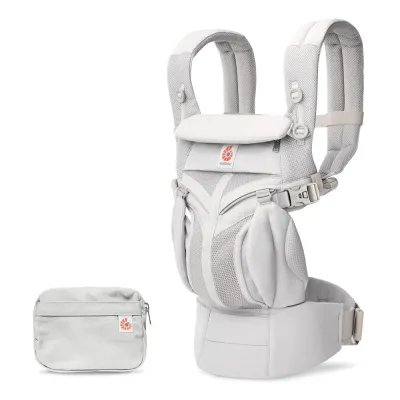
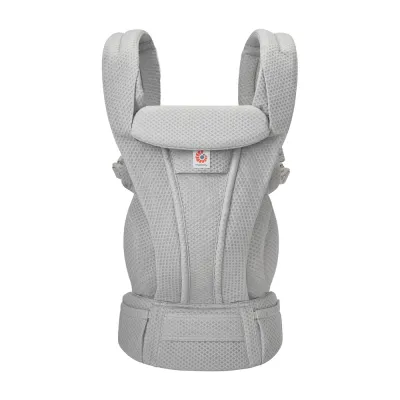
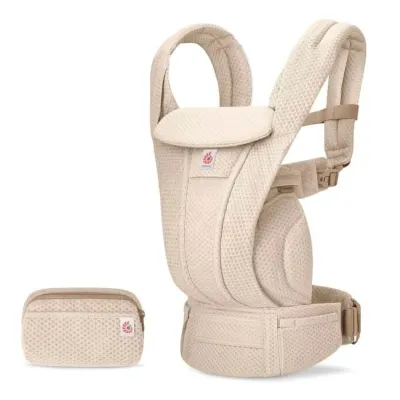
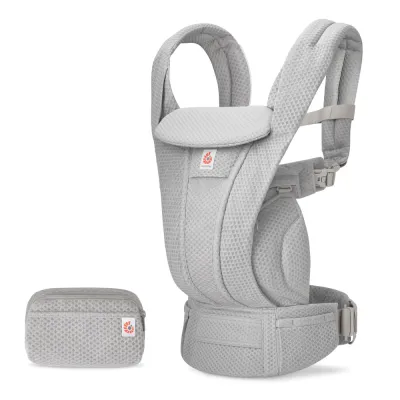
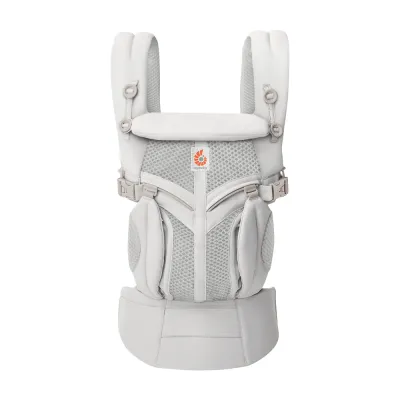
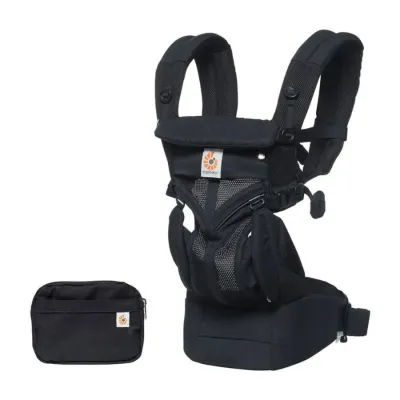
Prices are valid at publication and may change. Please refer to the product page for the latest price.
Hip-Healthy Positioning and the "M" Shape
A primary ergonomic consideration for any baby carrier is its ability to support a hip-healthy posture, often referred to as the “M” position. In this position, the baby’s hips are flexed so that their knees are slightly higher than their hips, and their thighs are fully supported from knee to knee. This alignment reduces the risk of hip dysplasia by ensuring the thigh bone sits securely in the hip socket. When evaluating a carrier, look for adjustable seat widths that can be customized as your baby grows. You should be able to observe a natural pelvic tilt, where the baby’s bottom sinks deeply into the fabric or structured seat, allowing their spine to curve naturally in a soft “C” shape rather than being forced flat against your chest.
Lumbar Support and Waistband Architecture
The design of the waistband is the foundation of caregiver comfort, as it is responsible for transferring the majority of the baby’s weight from your shoulders down to your hips. Premium carriers utilize different waistband structures, ranging from thick, highly padded, rigid belts to softer, more flexible bands. A dedicated lumbar support pad—a feature prominent on the Ergobaby Omni—helps distribute pressure evenly across the lower back, preventing the waistband from digging into your skin or collapsing under the baby’s weight. When comparing carriers, observe how the waistband secures; some use wide hook-and-loop fasteners for micro-adjustments, while others rely on heavy-duty buckles that provide a quick, locked-in fit.
Weight Distribution and Strap Routing
How a carrier distributes weight across your upper body determines how long you can comfortably wear your baby without experiencing shoulder or neck strain. High-quality carriers address this through padded shoulder straps and versatile routing options. There are two primary styles of shoulder strap routing: H-style and cross-strap (or X-back) routing. H-style routing utilizes a chest clip to keep parallel straps in place, which is highly effective for back carrying. Cross-strap routing allows you to cross the straps over your back in a front-carry position, which can provide a more snug, customized fit for caregivers with narrower shoulders or those who find parallel straps prone to slipping. The density and width of the foam padding within these straps also vary significantly between brands, influencing how well the carrier cushions heavy loads.
Ergobaby Omni vs. Other Premium Carriers: Feature Breakdown
To help you compare the Ergobaby Omni with other premium options on the market, it is helpful to examine their checkable specifications and design philosophies side by side. The table below outlines the key structural differences you should verify when shopping for a high-end carrier.

| Feature / Specification | Ergobaby Omni Series | Structured Alternative (e.g., rigid lumbar style) | Minimalist / Hybrid Alternative |
|---|---|---|---|
| Seat Adjustability Mechanism | Slider adjusters or hook-and-loop tabs on the waistband | Button or snap-to-width adjustments | Fabric cinching or tie-based adjustments |
| Strap Routing Options | Both H-style (parallel) and X-style (crossed) | Primarily H-style (parallel) only | Highly variable; often wrap-style or crossed |
| Waistband Padding Type | Structured foam with integrated lumbar support pad | Extra-wide rigid lumbar support panel | Soft, unpadded, or minimally padded fabric band |
| Newborn Suitability | Adjustable seat; no separate insert required | May require a separate infant insert or specific folding | Naturally conforming fabric; usually no insert needed |
| Stated Weight Range | Verify on product label (typically ~3.2 kg to 20 kg) | Verify on product label (typically ~3.2 kg to 15 kg) | Verify on product label (typically ~3.2 kg to 11 kg) |
The Ergobaby Omni’s primary design advantage is its all-in-one adjustable seat. By utilizing adjustable tabs or sliders along the waistband, caregivers can narrow the seat for a newborn and gradually widen it as the child grows, ensuring continuous knee-to-knee support without the need for a separate, bulky infant insert. This design provides extended utility across multiple growth stages, making it a highly versatile single-carrier solution.
In contrast, some alternative premium designs rely on specialized newborn inserts to support smaller infants. While these inserts can provide a cozy, swaddled environment, they also add an extra layer of fabric, which can contribute to overheating in warm climates. Other premium alternatives, such as structured wrap-hybrids, prioritize a softer, more fabric-focused feel that mimics a woven wrap but features a structured waistband. These hybrid designs often offer exceptional comfort for the first few months but may lack the rigid lumbar support and higher weight capacity required to comfortably carry an older toddler.
How to Match Ergonomic Designs to Your Needs
Choosing between the Ergobaby Omni and other premium carriers requires a realistic assessment of your daily routine, physical comfort requirements, and environmental conditions. There is no single carrier that fits every body type perfectly, so matching the design to your specific needs is essential.
When to Choose the Ergobaby Omni
The Ergobaby Omni is an excellent choice if you are looking for a single, durable carrier that will transition seamlessly from infancy through toddlerhood. Its dual-strap routing options make it highly adaptable for households where multiple caregivers of different heights and shoulder widths share the carrying duties. If you frequently experience shoulder fatigue, the ability to cross the straps in the back can significantly improve weight distribution by pulling the baby closer to your center of gravity. Additionally, if you value the convenience of quick adjustments as your baby grows, the integrated seat-width sliders allow you to modify the ergonomic fit in seconds without managing extra accessories.
When to Choose Alternative Premium Carriers
You may prefer an alternative premium carrier if you live in a hot, humid environment like Singapore and prioritize maximum ventilation. While the Ergobaby Omni offers mesh variations, some alternative brands feature specialized, ultra-lightweight mesh panels or performance fabrics designed specifically for high-heat conditions. Furthermore, if you prefer a less bulky, more streamlined aesthetic, a minimalist structured carrier or a hybrid wrap might feel lighter on your body and pack down more easily into a diaper bag. Caregivers who prefer a highly structured, rigid lumbar panel that remains perfectly flat against the lower back may also find specialized back-support carriers more comfortable than the Omni’s flexible lumbar pad.
Pre-Existing Conditions and Professional Guidance
Before purchasing any premium carrier, it is crucial to consider any pre-existing physical conditions. If you have a history of chronic back pain, pelvic floor issues, or shoulder injuries, the way a carrier distributes weight can either alleviate or exacerbate your symptoms. Similarly, if your baby has specific developmental considerations, such as hip dysplasia or muscle tone variations, standard carrier configurations may need to be adjusted. In these situations, always consult a pediatrician, pediatric physical therapist, or a certified babywearing educator to receive personalized guidance on the safest and most comfortable carrying positions for your specific circumstances.
Safety Checks and Fit Verification
Regardless of the premium carrier you choose, maintaining strict safety standards and verifying a proper fit during every use is paramount. Safe babywearing relies on active observation and adherence to manufacturer guidelines rather than assuming a high-end brand guarantees automatic safety.
Verifying Specifications and Certifications
Always verify the weight limits, age recommendations, and safety certifications directly on the product’s physical labels, packaging, or official instruction manual. Do not rely on general online summaries, as specifications can vary between different model years or regional editions. Look for clear indications that the carrier has been evaluated for structural integrity and hip-healthy design by recognized testing bodies. Ensure that your baby meets both the minimum weight and minimum height requirements before placing them in the carrier.
Observable Signs of a Proper and Safe Fit
When your baby is in the carrier, perform a quick visual and physical check to ensure their safety and comfort. Use the following checklist to verify a proper fit:
- Airway Safety: The baby's face must remain fully visible, with their nose and mouth free from fabric. Their chin should never rest on their chest, as this can restrict their airway; there should always be at least a two-finger gap under their chin.
- Head and Neck Support: For newborns and younger infants who lack head control, the upper panel of the carrier must be adjusted to provide adequate support to the base of the skull without covering the face.
- The "M" Position: Look at your baby from the front or in a mirror. Their knees should be higher than their bottom, forming a clear "M" shape, and the seat fabric should extend all the way to the back of their knees without cutting into their calves.
- Caregiver Comfort: The waistband should sit snugly on your hips, not your waist, to prevent sagging. The shoulder straps should feel secure but not dig into your neck or shoulders, and the weight should feel evenly balanced across your torso.
When to Stop and Seek Professional Help
If you observe any signs of breathing difficulty, a slumped posture where the baby’s spine is excessively curved sideways, or if your baby appears distressed, remove them from the carrier immediately. If you experience persistent lower back pain, shoulder strain, or pelvic discomfort while using the carrier, stop using that specific configuration. You may need to adjust the strap tension, change the waistband height, or consult a certified babywearing educator to correct your fit. If physical discomfort persists or if you have concerns about your baby’s physical alignment, consult a healthcare professional or pediatrician before resuming use.
Frequently Asked Questions (FAQ)
Can I use the Ergobaby Omni from birth without an infant insert?
Yes, the Ergobaby Omni is designed to be used from birth without a separate infant insert, provided your baby meets the manufacturer’s minimum weight and height requirements. Always check the physical label on your specific carrier model to verify these exact limits, which typically start around 3.2 kg (7 lbs). You must adjust the seat width to the narrowest setting and position the head support panel according to the manual’s instructions to ensure your newborn’s head and neck are fully supported and their airway remains clear.
How do I know if the waistband is providing adequate lumbar support?
Your waistband is providing adequate support when you feel the baby’s weight distributed primarily onto your hips and pelvis rather than pulling down on your shoulders and upper back. To achieve this, secure the waistband snugly around your hips before tightening the shoulder straps, ensuring it sits level and does not tilt forward or sag under the baby’s weight. If you feel a dull ache in your lower back or if the waistband is digging uncomfortably into your stomach, loosen the straps, reposition the lumbar pad centered on your lower back, and retighten the belt firmly.
Community discussion
Share your experience or ask a question. Comments are reviewed before publication.