
To secure your home for an active toddler, finding the right door edge protector involves looking past flashy brand names and focusing on material specifications, adhesive compatibility, and the unique climate conditions of Singapore. Because product availability and brand formulations on local online marketplaces shift frequently, the most reliable way to protect your child is to evaluate the physical properties and safety certifications of each product. A high-quality protector must cushion impacts effectively while remaining securely attached to your doors without damaging your home’s finishes.
What to Look for in a Baby-Safe Door Edge Protector
When evaluating any door edge protector, material safety is your primary concern. Because infants and toddlers frequently explore their surroundings by touching and tasting, any safety device installed within their reach must be free of harmful chemicals. Look for clear packaging labels indicating that the product is non-toxic, BPA-free, and phthalate-free. Since these terms are often used loosely in marketing, check if the manufacturer provides references to recognized safety standards or independent laboratory testing on their official product sheets.
Shock absorption is another critical factor, especially for the heavy timber doors commonly found in Singaporean residential estates. A protector that is too thin or too soft will bottom out under the force of a slamming door, failing to prevent painful pinch injuries. Look for guards that offer sufficient thickness and density to absorb sudden impacts. The material should compress under pressure but quickly spring back to its original shape, indicating good elasticity and long-term durability.
Products mentioned in this guide
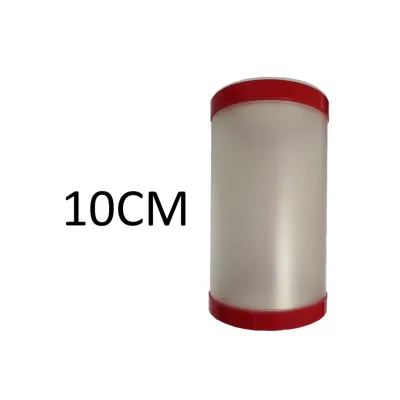
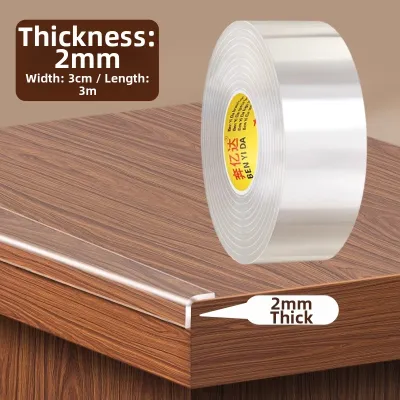
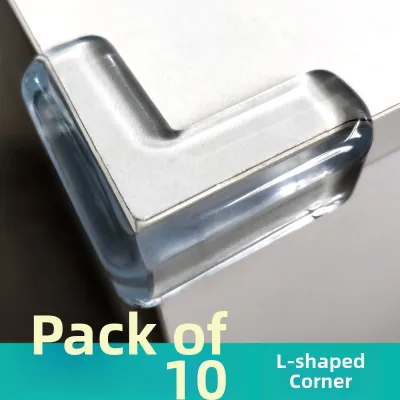
Prices are valid at publication and may change. Please refer to the product page for the latest price.
Adhesive quality determines whether a protector remains a reliable safety barrier or becomes a peeling hazard. A weak adhesive allows curious toddlers to pull the guard free, rendering it useless and potentially creating a choking hazard. Conversely, an overly aggressive adhesive can ruin expensive wood veneers, paint, or laminate finishes when the time comes to remove it. Always check the product specifications for explicit compatibility with your specific door surfaces, such as varnished wood, metal, or glass.
To assess the true value of a door edge protector, look beyond the initial purchase price and calculate the cost-in-use. A cheap, low-quality guard that peels off within a few weeks or degrades under daily use will end up costing more in replacements and potential door repairs than a premium option. Consider the total length provided in a package, the durability of the material, and whether the manufacturer includes spare adhesive strips to extend the product’s usable life.
Comparing Common Door Edge Protector Materials
Silicone protectors are highly favored for their exceptional durability and clean aesthetic. This material is naturally flexible, allowing it to conform easily to various door profiles, and it does not degrade easily when exposed to light or moisture. Silicone is also non-porous, making it incredibly easy to wipe clean with a damp cloth, which is a significant advantage in high-traffic areas like kitchens and bathrooms. While silicone guards may carry a higher upfront cost, their resistance to tearing and wear makes them a highly cost-effective long-term investment.

Foam guards, typically made from Nitrile Butadiene Rubber (NBR) or Ethylene-Vinyl Acetate (EVA), offer excellent shock absorption due to their dense, air-filled structure. They provide a soft, highly cushioned barrier that is excellent for absorbing heavy impacts from solid-core doors. However, foam is inherently more delicate than silicone or PVC. Over time, foam can dry out, crumble, or tear, especially if subjected to frequent friction or if a child attempts to bite it. Because degraded foam pieces pose a severe choking hazard, caregivers must supervise children closely and inspect these guards regularly.
Polyvinyl Chloride (PVC) and rubber options provide a more rigid and structured form of edge protection. These materials are highly durable and offer excellent resistance to physical wear, making them suitable for heavy-duty applications. However, their rigidity means they offer less soft cushioning during an impact compared to foam or silicone. PVC guards are often best suited for preventing structural damage to the door edges themselves, though softer, flexible PVC formulations can still provide moderate impact protection for small fingers.
When comparing these materials, always cross-reference the manufacturer’s safety claims with independent certifications. Look for documentation showing compliance with international safety standards, such as EN 71 (the European standard for toy safety) or REACH regulations. Reliable brands will make these test reports or compliance certificates accessible on their websites or upon request, giving you peace of mind that the materials used are safe for a child-friendly environment.
Evaluating Adhesive Strength and Surface Safety
Before applying any adhesive-backed protector, you must verify its compatibility with your door’s specific surface material. Standard interior doors in Singapore are often finished with wood veneers, laminates, or sensitive paints that can be easily damaged by aggressive glues. Check the manufacturer’s documentation to ensure the adhesive is rated safe for your specific surface, whether it is painted timber, laminated MDF, glass, or powder-coated metal. Using an incompatible adhesive can lead to costly repair bills or a protector that falls off almost immediately.
Different adhesive types behave differently during application and removal. Acrylic-based pressure-sensitive tapes are commonly used because they offer a strong bond that cures over time while remaining relatively easy to remove without leaving heavy residue. Some heavy-duty foam tapes, however, use solvent-based adhesives that can chemically bond with paint or varnish, making clean removal nearly impossible without stripping the underlying finish. Understanding these differences helps you choose a product that secures your home without permanently damaging it.
To prevent unexpected damage, always perform a small, hidden patch test before committing to a full installation. Apply a small piece of the adhesive tape to an inconspicuous area of the door, such as the very top edge or inside the hinge recess. Leave it in place for at least twenty-four hours, then remove it carefully to check if it lifts the paint, damages the laminate, or leaves a stubborn residue. This simple precaution can save you from ruining a prominent door finish.
Environmental conditions play a significant role in adhesive performance, particularly in Singapore’s hot and humid climate. High relative humidity can interfere with the curing process of certain adhesives, causing them to slide, lift, or lose their grip prematurely. To ensure a long-lasting bond, try to install the protectors in an air-conditioned room where the humidity is controlled. Allowing the adhesive to cure fully without disturbance for the manufacturer’s recommended time—usually twenty-four to forty-eight hours—is essential for achieving maximum strength.
Decision Framework: Matching Protectors to Your Home
Selecting the right door edge protector requires matching the material properties to the specific demands of your household. If your primary goal is long-term durability, easy maintenance, and a low-profile look on frequently used doors, silicone-based guards are generally the most suitable choice. Their resistance to moisture and ease of cleaning make them excellent for high-traffic areas where sticky hands and frequent spills are common.
If your main priority is maximum impact cushioning for heavy, solid-core doors—such as your main entrance door or heavy bedroom doors—thick, high-density foam guards are the preferred option. These guards provide the thickest physical barrier to absorb the force of a door slamming shut. However, if you choose foam, you must commit to regular inspections and ensure that children are supervised to prevent them from picking at or biting the soft material.
Before making a final decision, carefully inspect your doors for any specialized finishes, uneven edges, or integrated glass panels. Doors with decorative moldings or non-standard profiles may require highly flexible silicone or soft foam that can bend around complex shapes. Glass doors require specialized clear adhesives that remain visually unobtrusive while providing a secure grip on non-porous surfaces without slipping.
Finally, you must measure the door gap and hinge clearance before purchasing any protector. If the clearance between the door edge and the frame is exceptionally narrow, installing a thick protector will cause friction, prevent the door from closing properly, or put undue strain on the hinges. In such scenarios, a thick guard is unsuitable, and you should look for ultra-thin, low-profile silicone strips or consider alternative safety measures, such as overhead door closers or hinge pinch guards, to secure the opening safely.
Installation, Inspection, and Removal Guidelines
Proper installation is key to ensuring your door edge protector performs as intended. Begin by thoroughly cleaning the application area to remove all dust, grease, fingerprints, and household oils, which can severely compromise adhesive bonding. Use a mild soap solution or a surface-safe cleaner, and ensure the door is completely dry before applying the protector. Any moisture trapped beneath the adhesive will prevent a proper bond and lead to premature peeling, especially in humid environments.
Once installed, baby-proofing devices require ongoing maintenance and inspection to remain safe. Establish a routine weekly check to examine the protectors for any signs of peeling edges, physical wear, or material degradation. If you notice a foam guard starting to tear, crumble, or show bite marks, remove it immediately. Damaged protectors not only lose their effectiveness but can also quickly become dangerous choking hazards for young children.
When your child outgrows the need for baby-proofing, removing the protectors safely requires a patient approach to avoid damaging your doors. Use a hair dryer on a low, warm setting to gently heat the adhesive backing, which softens the glue and makes it more pliable. Slowly and carefully peel the protector away from the door surface at a shallow angle. If any sticky residue remains, apply a small amount of mild adhesive remover, vegetable oil, or warm soapy water to clean the area, testing it on a hidden spot first to ensure it does not harm the finish.
If you encounter difficulties during installation, such as the adhesive failing to stick despite thorough cleaning, or if you observe surface damage during your initial patch test, stop the process immediately. Do not attempt to force adhesion with unapproved household glues or industrial adhesives, as these can release harmful fumes or cause permanent damage. Instead, consult the manufacturer’s customer service or product documentation for troubleshooting steps or alternative adhesive recommendations.
Frequently Asked Questions (FAQ)
Can door edge protectors be used on sliding or glass doors?
Yes, door edge protectors can be used on sliding or glass doors, but you must verify the manufacturer’s guidelines first. For glass doors, select a protector with a clear, high-clarity adhesive designed specifically for non-porous surfaces to ensure a secure bond. For sliding doors, it is crucial to measure the clearance within the sliding track; the protector must be thin enough to allow the door to slide open and closed smoothly without catching or obstructing the mechanism.
How often should I replace baby-proofing edge guards?
You should replace baby-proofing edge guards immediately upon observing any physical signs of wear or adhesive failure. Common indicators include peeling corners, material thinning, permanent compression where the guard no longer springs back, or visible tears and cracks. Foam guards typically require more frequent replacement than silicone options, as they are more susceptible to physical degradation and damage from daily impacts or curious children.
Community discussion
Share your experience or ask a question. Comments are reviewed before publication.