
No single “most popular” brand dominates Singapore households because parenting lifestyles and babies’ physical needs vary widely. Some parents prioritize ultra-thick, highly absorbent pads to safeguard wooden changing tables or fabric covers at home. Others seek ultra-thin, individually wrapped options that slip easily into compact diaper bags for trips to local shopping malls or outdoor parks. Additionally, infants with sensitive or eczema-prone skin require premium, hypoallergenic materials, making specific specialty brands more appealing to their caregivers.
Rather than searching for a one-size-fits-all solution, the most practical approach involves matching the product’s design profile to your specific daily scenarios. Many families in Singapore find that a hybrid strategy—using bulk-packed, heavy-duty pads at home and lightweight, travel-friendly alternatives while on the move—offers the best balance of convenience, skin protection, and cost-efficiency.
Key Factors to Compare When Evaluating Brands
When navigating the nursery aisles or browsing online marketplaces, comparing disposable changing pads requires looking beyond the brand logo. To make an informed choice, you must evaluate several structural and material features that directly impact daily utility and your baby’s comfort.
Products mentioned in this guide
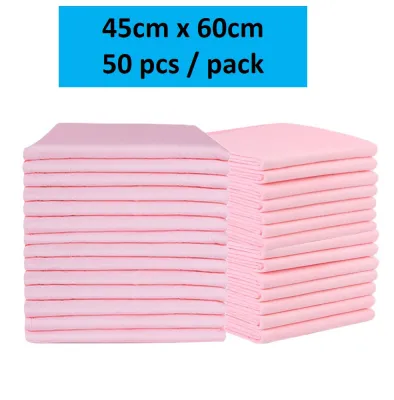
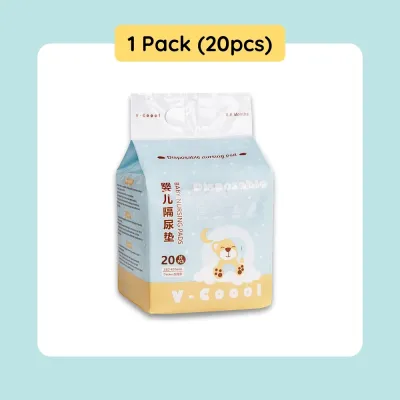
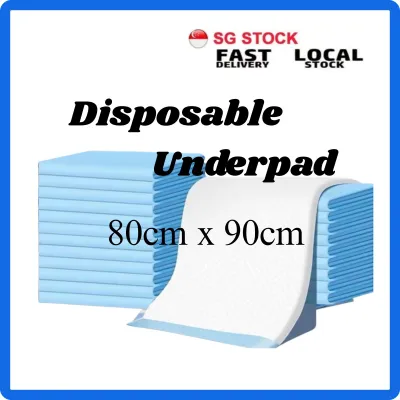
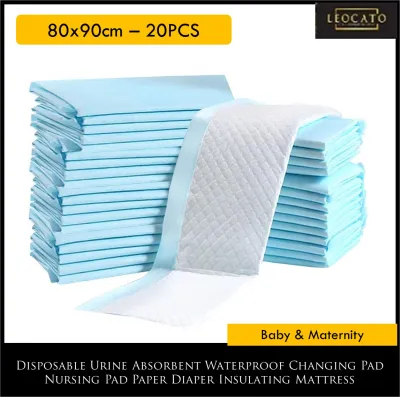
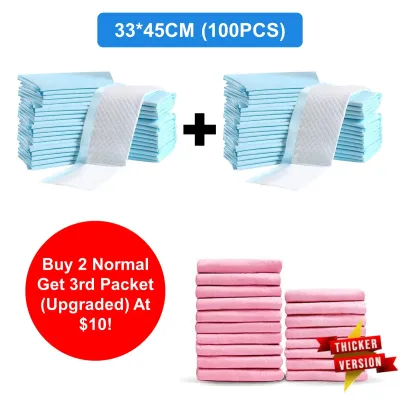
Prices are valid at publication and may change. Please refer to the product page for the latest price.
Absorbency and Leak Protection The primary function of any changing pad is to contain unexpected messes and prevent liquids from seeping onto underlying surfaces. You should examine the composition of the absorbent core, which typically features fluff pulp or superabsorbent polymers (SAP). Brands that utilize SAP can lock away moisture more efficiently, keeping the surface dry against your baby’s skin. Equally important is the bottom waterproof backing layer; look for leak-proof polyethylene or similar water-resistant membranes that act as an absolute barrier against urine and liquid stools.
Size and Coverage Disposable changing pads come in a variety of dimensions, and choosing the right size depends heavily on your baby’s age and activity level. Standard sizes (often around 33 x 45 cm) work exceptionally well for newborns and younger infants who remain relatively still during changes. However, as babies grow and begin to roll, kick, or wiggle, larger dimensions (such as 45 x 60 cm or even 60 x 90 cm) become essential. An extra-large pad provides a generous safety margin, ensuring that active infants do not accidentally roll off the clean surface and transfer messes onto your bed, sofa, or public changing stations.
Surface Material and Skin Comfort Because the pad comes into direct contact with your baby’s delicate skin, the texture of the top sheet is a critical consideration. High-quality pads feature a soft, non-woven fabric or cotton-like top layer that minimizes friction and prevents chafing. For babies prone to redness, diaper rash, or contact dermatitis, look for brands that explicitly label their products as hypoallergenic, fragrance-free, and dermatologically tested. Avoiding added scents, dyes, or harsh bleaching agents reduces the risk of triggering skin flare-ups during changes.
Portability and Packaging Your storage space and lifestyle will dictate which packaging format is most practical. For home use, bulk packaging—where pads are stacked tightly in a large plastic bag or cardboard box—offers the lowest cost per unit and reduces packaging waste. Conversely, for outings around Singapore, individually wrapped or compactly pre-folded pads are far superior. These travel-friendly designs remain clean and sterile inside your diaper bag, taking up minimal space and allowing you to pull out a single pad quickly with one hand while holding your baby.
Matching Brand Profiles to Your Changing Needs
To simplify your buying decision, it is helpful to group the disposable changing pads available in Singapore’s maternity stores and online marketplaces into three primary functional profiles. Each profile is designed to excel in specific scenarios, helping you identify which options align with your household routines.

High-Absorbency and Overnight Profiles
High-absorbency changing pads are engineered with a thicker, multi-layered core designed to handle significant volumes of liquid. These products often incorporate advanced liquid-locking technologies, such as superabsorbent polymer layers, which rapidly turn wetness into gel. The generous thickness of these pads makes them highly resilient, meaning they will not easily tear or bunch up when your baby moves.
These heavy-duty pads are particularly well-suited for several specific situations. They are ideal for nighttime diaper changes when diaper capacity is stretched to its limit and leaks are more common. Additionally, if you use a traditional changing table at home with a plush fabric cover, placing a high-absorbency disposable pad on top provides an excellent line of defense, saving you from having to wash the fabric cover multiple times a week. They are also highly useful during diaper-free tummy time, giving your baby’s skin a break from diapers while protecting your carpets or play mats from sudden accidents.
Ultra-Thin and Travel-Friendly Profiles
Travel-friendly changing pads prioritize portability, compact storage, and lightweight construction over maximum liquid capacity. These pads feature a streamlined design with thinner absorbent layers that still provide adequate protection for quick, routine diaper changes. They are folded into incredibly small, flat squares—and in some premium cases, individually sealed—so they can slide into the tightest pockets of a diaper bag, stroller organizer, or even a parent’s handbag.
In Singapore’s warm climate, parents are frequently on the move, visiting air-conditioned shopping malls, outdoor parks, or family members. Public nursing rooms and changing stations are widely available, but hygiene standards can vary. An ultra-thin disposable pad serves as a clean, personal barrier between your baby and public surfaces. Because these outings usually involve quick diaper swaps rather than long periods of lying down, the thinner profile is perfectly sufficient. The primary benefit here is convenience, allowing you to maintain strict hygiene standards without carrying a bulky, heavy diaper bag through crowded transit stations or busy streets.
Sensitive Skin and Premium Material Profiles
For parents of infants who suffer from eczema, sensitive skin, or frequent diaper rashes, material purity is the single most important factor. Premium material changing pads focus heavily on the quality of the top sheet and the elimination of potential irritants. These pads often utilize organic cotton top sheets, unbleached plant-based fibers, or exceptionally soft non-woven materials that feel gentle against highly reactive skin.
When evaluating these premium options, look closely at the manufacturer’s ingredient lists and certifications. Verify if the materials are free from chlorine bleaching, phthalates, parabens, artificial fragrances, and synthetic dyes. While these pads may carry a higher price point, they provide peace of mind by minimizing the chemical exposure your baby experiences during the multiple diaper changes required each day. If your baby has a history of contact dermatitis, starting with a sensitive skin profile can help you rule out the changing pad as a source of skin irritation.
Evaluating Price, Pack Size, and Value in Singapore
When shopping for disposable changing pads in Singapore, comparing prices based solely on the retail price per pack can be misleading. To find the true value, you must calculate the cost per individual pad. This is done by dividing the total price of the package by the number of pads inside. For instance, a pack costing S$15 containing 30 pads has a unit cost of S$0.50 per pad, which might be more economical than a S$10 pack that only contains 15 pads (S$0.67 per pad).
It is highly recommended to adopt a strategic approach to purchasing, especially during your baby’s first year when diaper changes are most frequent. When trying a new brand or product profile for the first time, always purchase a small trial pack. This allows you to test how your baby’s skin reacts to the material and verify if the dimensions are suitable for your changing table or diaper bag. Buying in bulk prematurely can lead to wasted money if your baby outgrows the size quickly or develops a localized skin sensitivity.
Once you have identified a brand and style that works well for your family, transitioning to bulk cartons or multi-pack bundles is the most cost-effective path. In Singapore, specialized maternity retailers, local supermarkets, and major online e-commerce platforms frequently run promotional campaigns. To maximize your savings, look out for major shopping events, seasonal baby fairs, or subscription services offered by online marketplaces. Subscribing to regular deliveries can often secure a permanent discount of 5% to 15% off the retail price, ensuring you never run out of supplies while keeping your monthly household expenses manageable.
Decision Framework: Which Profile Fits You Best?
To help you finalize your choice and streamline your shopping list, use this straightforward decision framework based on your primary daily routines and your baby’s unique needs.
Choose High-Absorbency profiles if:
- You primarily change your baby's diapers at home on a fixed changing station, bed, or sofa.
- Your baby is highly active, rolls frequently, or is a heavy wetter, requiring maximum surface coverage and rapid liquid retention.
- You want to protect expensive fabric changing pad covers, mattresses, or play mats from leaks during diaper-free time.
Choose Travel-Friendly profiles if:
- You are frequently out of the house, traveling, or navigating Singapore's shopping malls and public parks.
- You need to minimize the weight and physical volume of your diaper bag to keep outings manageable.
- You require a quick, hygienic barrier to place over public changing tables.
Choose Sensitive Skin profiles if:
- Your baby has a known history of eczema, diaper rash, or highly sensitive skin that reacts to synthetic materials.
- You prefer eco-friendly, plant-based, or unbleached materials that undergo minimal chemical processing.
- You want to ensure the softest possible contact surface to prevent friction and chafing during changes.
Verify first if:
- Your baby has a diagnosed dermatological condition or severe skin allergies. In these cases, always consult a pediatrician or pediatric dermatologist before introducing new materials, brands, or skincare products into your baby's routine.
Safety, Hygiene, and Practical Usage Tips
While disposable changing pads are incredibly convenient, they must always be used with a strict focus on child safety and hygiene. The most critical rule of baby changing is that a changing pad is not a safety restraint device. Never leave your baby unattended on a changing table or any elevated surface, even for a single second. Infants can roll over or wriggle unexpectedly, presenting a serious fall risk. Always keep one hand securely on your baby throughout the entire changing process, and prepare all your supplies—including clean diapers, wipes, creams, and the fresh pad—before placing your baby down.
Before positioning the pad, check the manufacturer’s instructions and warnings regarding surface compatibility. Many disposable pads feature a smooth backing that can slide easily on polished wooden tables, laminate countertops, or tiled surfaces. To prevent the pad from slipping while your baby is moving, consider placing it on a non-slip silicone mat, or verify if the brand features adhesive strips or textured, non-slip backings.
Proper hygiene and disposal are equally vital for maintaining a clean home environment. Always clean your baby’s skin thoroughly with gentle wipes or water, and ensure the skin is completely dry before placing them on a fresh pad or putting on a new diaper. When disposing of a soiled pad, roll it tightly inward to contain the mess, secure it with the adhesive tabs if available, and discard it in a designated diaper bin. Never attempt to flush a disposable changing pad down the toilet, as the waterproof backing and absorbent core materials do not break down in water and will cause severe plumbing blockages.
Frequently Asked Questions (FAQ)
Are disposable changing pads safe to use on public changing tables?
Yes, disposable changing pads are highly effective for creating a clean, hygienic barrier between your baby and public changing surfaces. Public facilities in shopping malls, transit hubs, and restaurants are used by many families daily, making them potential breeding grounds for bacteria and viruses. Laying down a fresh disposable pad ensures your baby does not come into direct contact with these shared surfaces. However, you must remain highly vigilant during use. Public changing tables are often made of hard, smooth plastics, which can cause standard disposable pads to slide easily. Always keep one hand firmly on your baby to prevent slipping or sudden movements, and discard the pad immediately after use to maintain hygiene.
How do disposable pads compare to reusable cloth changing mats?
The choice between disposable changing pads and reusable cloth mats involves balancing convenience, hygiene, and environmental considerations. Disposable pads offer unmatched convenience and hygiene, especially for travel, as they are lightweight and can be thrown away immediately after a messy change, eliminating the need to carry soiled items in your bag. Reusable cloth mats, typically made of washable cotton or bamboo with a waterproof TPU backing, are more environmentally friendly and cost-effective over the long term since they can be washed and reused hundreds of times. Many Singapore parents adopt a highly practical hybrid approach: using comfortable, washable reusable mats for daily diaper changes at home, and relying on disposable pads for outings, travel, and nighttime changes when convenience is paramount.

Community discussion
Share your experience or ask a question. Comments are reviewed before publication.