
Quick Answer: Defining "Best Value" for Your Nursery
Finding the best value diaper changing table in Singapore requires looking beyond the initial price tag to evaluate how well a specific model fits your home’s layout, your family’s budget, and your long-term parenting plans. In Singapore’s compact housing market, where space is at a premium, a changing table’s physical footprint and utility are just as critical as its retail cost. The ideal choice depends on your specific living situation and how long you intend to use the furniture.
For parents who view nursery furniture as a long-term investment, premium multi-functional brands offer the best value by converting into standard dressers, shelving units, or desks that remain useful long after infancy. If you are navigating tight bedroom layouts in a typical Build-To-Order (BTO) flat, mid-range space-saving brands provide a dedicated, stable station with essential storage without overwhelming the room. Meanwhile, families seeking maximum flexibility, a low upfront cost, or a temporary setup for a grandparent’s home will find the best value in budget-friendly portable or foldable models. Ultimately, true value is determined by how effectively a brand balances structural durability, ergonomic comfort for caregivers, and verified safety features relative to its price.
Core Dimensions for Evaluating Diaper Changing Table Brands
Before comparing specific brand categories, it is essential to understand the primary structural and functional elements that determine a diaper changing table’s quality and performance. Evaluating these dimensions helps you avoid paying for superficial design elements and focus on what keeps your baby safe and your back comfortable.
Products mentioned in this guide
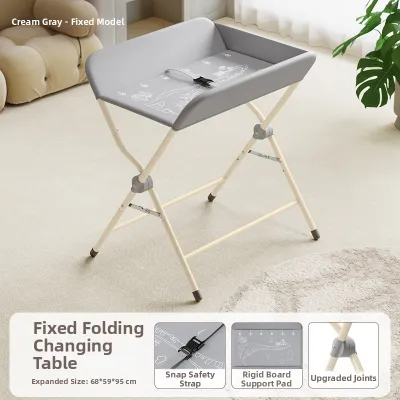
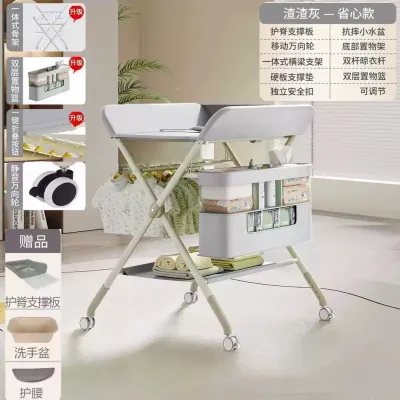
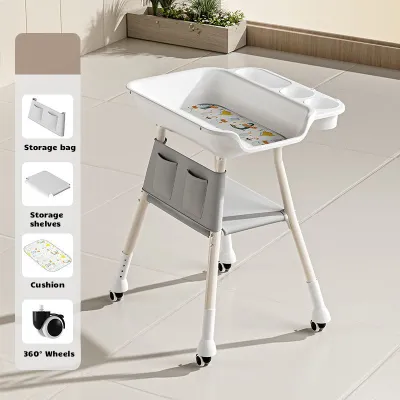
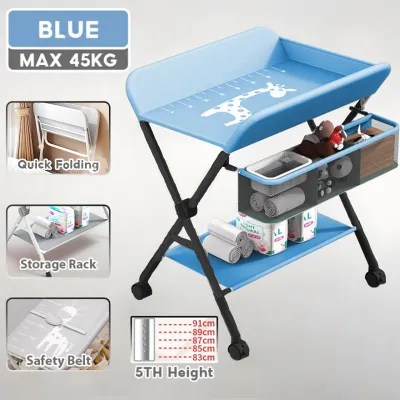
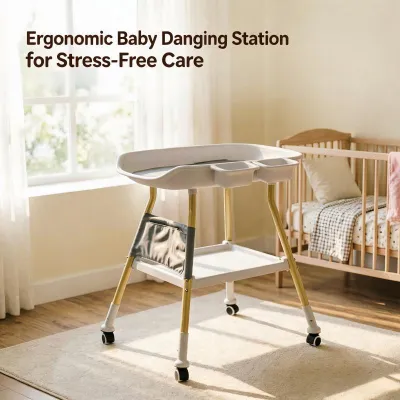
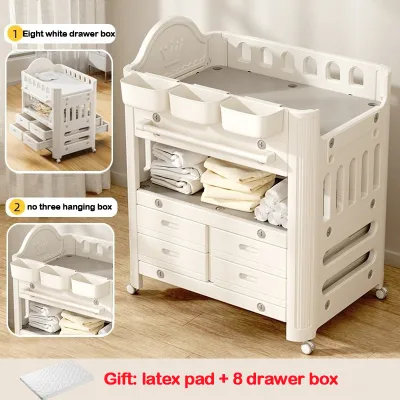
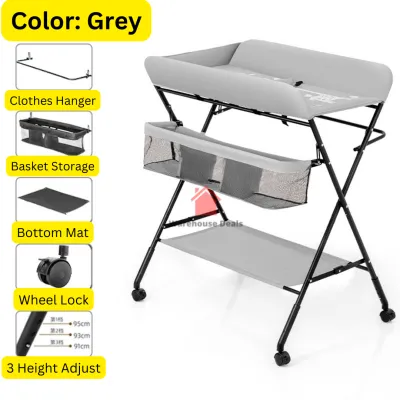
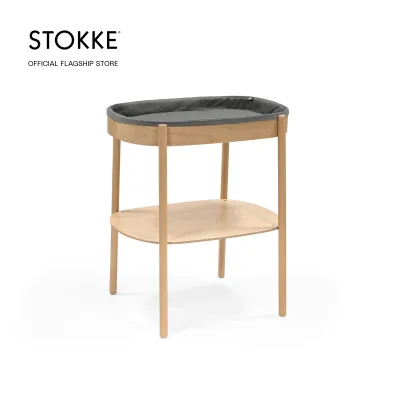
Prices are valid at publication and may change. Please refer to the product page for the latest price.

Build Quality and Materials The materials used in construction directly impact the stability, weight, and lifespan of the changing table. Solid wood options, such as beech, rubberwood, or pine, are highly durable and offer excellent structural integrity, making them ideal for furniture intended to last through multiple children. However, solid wood is heavier, more difficult to move, and typically commands a higher price. Engineered wood, such as Medium-Density Fibreboard (MDF), is a common mid-range alternative that provides a smooth finish and decent stability, though it is more susceptible to moisture damage if the protective laminate is compromised. Metal and plastic frames are highly common in portable models; they are exceptionally lightweight and easy to wipe clean, but they lack the heavy-weight stability of wooden furniture and may exhibit slight structural wobble over time.
Safety Features Safety is the most critical consideration when selecting any baby product, and changing tables are no exception. A high-quality model must feature robust guardrails on all sides—ideally at least five inches high—to prevent an active infant from rolling off the changing surface. Sturdy, manufacturer-supplied anti-tip wall anchor kits are non-negotiable for wooden or dresser-style tables, as they prevent the unit from tipping forward when drawers are pulled open or when a toddler attempts to climb it. Additionally, look for brands that specify the use of non-toxic, lead-free, and low-emission finishes to protect your indoor air quality. Always locate and verify the manufacturer’s stated weight limits and safety warnings on the physical product label before use, and never leave your baby unattended on the platform.
Storage and Ergonomics The repetitive physical strain of diaper changes can quickly lead to caregiver back and shoulder pain if the table is not designed ergonomically. A well-designed changing table should position the changing surface at approximately waist height for the primary caregiver, minimizing the need to bend forward excessively. Storage layout is equally important for daily convenience. Having diapers, wipes, creams, and changes of clothing within arm’s reach allows you to maintain physical contact with your baby at all times during the change. Evaluate whether open shelving, deep drawers, or integrated side cubbies best suit your organizational style and room layout.
Longevity and Convertibility Because a child typically outgrows a dedicated changing table by their second year, the furniture’s ability to transition into another role is a major driver of long-term value. Some premium brands design tables that easily convert into standard three-drawer dressers, toy storage units, or even small study desks. While these models require a higher initial financial outlay, their active lifespan extends from eighteen months to a decade or more. If you plan to have more children, a durable, non-convertible wooden table can also offer excellent value as a hand-me-down, provided it is maintained properly and stored in a dry environment to prevent mold.
Comparing Types of Diaper Changing Table Brands in Singapore
The Singapore market features a wide array of changing table brands, which can be broadly categorized into three distinct tiers based on their design philosophy, materials, and price points. Understanding these categories allows you to align your purchase with your home’s physical constraints and your parenting lifestyle.
Premium Multi-Functional Brands
Premium brands focus on creating heirloom-quality nursery furniture that serves multiple purposes over several years. These tables are almost exclusively constructed from high-grade solid hardwoods or premium eco-friendly engineered woods, featuring heavy-duty hardware and sophisticated finishes designed to match modern home decor. The standout feature of this category is multi-functional convertibility; many models allow you to remove the changing topper entirely once your child is toilet trained, leaving behind a beautiful, standard-sized chest of drawers or converting the frame into a children’s play table.
These brands are best suited for parents who have dedicated nursery rooms or spacious master bedrooms in larger condominiums or landed properties, and who prefer to make a single, high-quality furniture purchase rather than buying separate items as their child grows. The primary value trade-off is the high upfront cost, which often ranges from S$400 to well over S$1,000. However, when you calculate the cost per year of use over a ten-year lifespan, these premium convertible options often represent a highly economical choice compared to buying a temporary changing table and a separate dresser later on.
Budget-Friendly and Portable Brands
On the opposite end of the spectrum are brands that prioritize affordability, mobility, and immediate utility. These changing tables typically feature lightweight, powder-coated metal frames paired with durable, waterproof fabric or plastic changing surfaces. Many of these models are designed to fold flat when not in use, making them incredibly easy to tuck away behind a wardrobe or inside a utility closet, and they almost always include lockable caster wheels for easy transport between rooms.
This category is exceptionally popular among families living in cozy three-room HDB flats where permanent floor space is limited, as well as grandparents who provide part-time infant care and need a temporary changing station that can be packed away when the child goes home. The value proposition here is clear: a very low initial investment, typically under S$150, combined with unmatched portability. The trade-off, however, is a significantly shorter lifespan, limited storage capacity (often restricted to hanging side pockets or a single fabric shelf), and a lower maximum weight capacity that requires you to transition to changing your baby on a floor mat sooner than you would with a solid wooden table.
Mid-Range Space-Saving Brands
Mid-range brands occupy the sweet spot for many Singaporean parents, offering a balanced combination of structural stability, neat aesthetics, and space-conscious designs. These tables are generally constructed from lightweight solid woods like pine or high-quality MDF, featuring a slim, vertical profile with a compact footprint that fits comfortably alongside a baby cot in a standard BTO bedroom. Instead of deep drawers, they typically utilize two or three open wooden shelves, allowing parents to customize their storage using fabric bins or baskets.
The target audience for mid-range brands consists of practical parents who want the stability and upright ergonomic benefits of a dedicated wooden changing station but do not have the space or budget for a massive, heavy dresser. Priced moderately between S$150 and S$350, these brands offer excellent daily convenience and clean, minimalist designs that blend seamlessly into Scandinavian or modern nursery themes. While they rarely offer advanced convertibility features and may require careful maintenance to keep the open shelves organized, they represent an incredibly practical and cost-effective solution for the first two years of your baby’s life.
Price vs. Features: What Is Actually Worth Paying For?
With so many features marketed to new parents, it is easy to overspend on changing table accessories that offer little practical benefit. Distinguishing between essential structural features and unnecessary marketing additions is key to securing the best value for your money.
Worth the Investment
- Sturdy Anti-Tip Hardware: This is a critical safety feature that should never be compromised. High-quality wall anchors and heavy-duty brackets prevent accidents as your baby grows more active and begins to pull themselves up against the furniture.
- Ergonomic Height Adjustments: If you and your partner have a significant height difference, brands that offer adjustable legs or variable changing heights are well worth a modest premium to protect both of your backs from injury.
- High-Quality Waterproof Pads: A changing pad with a durable, wipeable, and non-toxic waterproof cover saves countless hours of laundry. Look for pads with contoured, raised sides and a secure safety strap to keep your baby centered.
- Smooth-Glide Drawer Mechanisms: If you choose a dresser-style table, high-quality drawer runners with safety stops and soft-close features are essential. They prevent drawers from being pulled completely out of the frame and protect tiny fingers from getting pinched.
Optional or Overpriced Features
- Built-In Electronic Accessories: Changing tables featuring integrated wipes warmers, digital scales, or built-in nightlights often carry a steep price markup. These electronic components are prone to malfunction, are difficult to repair, and can easily be replaced by standalone, more affordable accessories.
- Intricate Decorative Carvings: While ornate wooden details may look appealing in a showroom, they create numerous crevices that trap dust, spilled lotion, and diaper messes. Simple, flat surfaces are much easier to sanitize quickly during daily use.
- Proprietary Changing Pad Sizes: Some brands design tables with non-standard dimensions that only accommodate their own brand of changing pads and fitted sheets. This locks you into expensive recurring purchases; choosing a table that fits standard, universally sized changing pads is far more cost-effective.
When browsing online marketplaces or visiting physical baby boutiques in Singapore, always read the detailed product specifications and material listings rather than relying on promotional descriptions. Focus your budget on structural integrity, safety certifications, and basic ergonomics, which directly impact your daily experience.
Safety, Space, and Compliance Checks for Singapore Homes
Integrating a diaper changing table into a Singaporean household requires careful planning to ensure the setup is both safe and physically practical within your specific home layout.
Space Planning Before making a purchase, measure your designated nursery or bedroom space with precision. Do not just measure the static footprint of the changing table; you must also account for the clearance required to fully open drawers, navigate door swings of wardrobes and entryways, and walk comfortably around the unit. In a typical BTO bedroom, placing the changing table directly adjacent to the baby cot or wardrobe is common, but ensure there is at least 60 to 80 centimeters of clear space in front of the table so you can stand comfortably without feeling cramped. If space is exceptionally tight, a foldable model that can be stored vertically when not in use is often a much safer choice than a wooden table that blocks a critical walkway.
Safety Verification Always prioritize safety by verifying the physical specifications of the changing table before assembly. Check the product packaging or manufacturer’s website to confirm the maximum weight capacity, and ensure it aligns with your baby’s current growth trajectory. If the table is a wooden dresser or shelving unit, it must be securely anchored to the wall using the provided anti-tip hardware; drilling into concrete or drywall in Singapore homes requires appropriate wall plugs, so ensure you have the correct tools or hire a professional installer. Additionally, verify that the changing pad fits snugly within the barrier rails of the table with no gaps that could trap a baby’s limbs, and always use the safety straps if they are provided.
Assembly and Maintenance When assembling flat-pack furniture, follow the manufacturer’s step-by-step instructions with absolute precision, ensuring every screw, dowel, and locking cam is fully tightened. Singapore’s high relative humidity can cause wooden components to expand and contract slightly over time, which can gradually loosen joints. Make it a habit to inspect the changing table every few months, tightening any loose bolts and checking for structural wobble. If you notice any cracking in the wood, bent metal joints, or general instability, stop using the changing table immediately and contact the manufacturer or retailer for replacement parts or guidance.
Decision Framework: Choosing the Right Brand for Your Needs
To finalize your decision, align your household’s physical constraints and budget with the brand category that offers the most practical utility for your family.
- Choose a Premium Multi-Functional Brand if: You have a spacious bedroom or dedicated nursery, view the purchase as a long-term furniture investment, and want a high-quality wooden dresser or desk that your child can continue to use throughout their primary school years.
- Choose a Mid-Range Space-Saving Brand if: You are furnishing a standard HDB bedroom, want a stable and dedicated wooden changing station with straightforward storage, and prefer a clean, minimalist design that fits a moderate budget.
- Choose a Budget-Friendly Portable Brand if: You live in a highly compact apartment, need to move the changing station frequently between rooms or to a caregiver's home, or only plan to use a dedicated changing table for the first year of your baby's life.
Before completing your purchase on any local e-commerce platform or at a physical retailer, run through a quick pre-purchase checklist. Verify the seller’s return and warranty policies, and check if delivery and professional assembly fees are included in the price, as assembling heavy wooden furniture can be challenging without the right tools. Finally, read recent customer reviews to check for real-world feedback regarding the table’s physical stability, ease of cleaning, and actual height comfort during daily use.
Frequently Asked Questions (FAQ)
Do I really need a dedicated diaper changing table?
While a dedicated diaper changing table is highly beneficial, it is not an absolute necessity for every family. The primary benefits of a dedicated table are caregiver ergonomics—preventing back strain from bending over—and having a centralized, organized station for all diapering supplies. However, if you are short on space or budget, a safe and highly effective alternative is placing a contoured, non-slip changing pad on top of a sturdy, waist-high chest of drawers that you already own. If you choose this route, always ensure the chest of drawers is securely anchored to the wall, the changing pad is firmly attached or secured to prevent sliding, and you follow all manufacturer safety guidelines, never leaving your baby unattended.
What is the standard height for a comfortable changing table?
The standard height for most diaper changing tables ranges between 85 and 100 centimeters (approximately 33 to 39 inches). The ideal height should allow the primary caregiver to stand comfortably with their elbows bent at a slight downward angle, keeping their spine relatively straight while changing the baby. When evaluating product specifications online, remember to account for the additional height of the changing pad, which typically adds another 5 to 10 centimeters to the overall surface height. If there is a significant height difference between caregivers, look for mid-range or premium brands that offer adjustable legs or multiple assembly height settings to ensure ergonomic comfort for everyone.
Community discussion
Share your experience or ask a question. Comments are reviewed before publication.