
Choosing the right diaper balm in Singapore requires understanding how different formulations interact with your baby’s skin under local conditions. With high humidity and year-round warmth, babies are particularly prone to moisture-induced skin irritation. Comparing popular diaper balms involves looking past brand names and focusing on active ingredients, barrier properties, and ease of application. By matching the specific formulation to your baby’s current skin condition, you can effectively prevent chafing or treat active diaper rash.
Understanding Diaper Rash and How Balms Help
Diaper rash is a broad term for various types of skin irritation in the diaper area. The most common form is irritant contact dermatitis, which presents as mild redness and chafing where the diaper rubs against the skin or where urine and stool make direct contact. In contrast, a friction rash typically appears on the thighs and waistline where elastic bands sit tightly. If the redness is bright red, features distinct red spots (satellite lesions), and settles deep within the skin folds, it may indicate a yeast infection, which requires targeted antifungal treatment rather than standard balms.
Diaper balms help by performing two primary functions: barrier protection and active soothing. A barrier balm creates a physical shield on top of the skin, preventing acidic stool and moisture from penetrating the delicate epidermal layer. Soothing balms, on the other hand, deliver active ingredients directly to the skin to reduce inflammation, calm redness, and support natural skin recovery.
Products mentioned in this guide
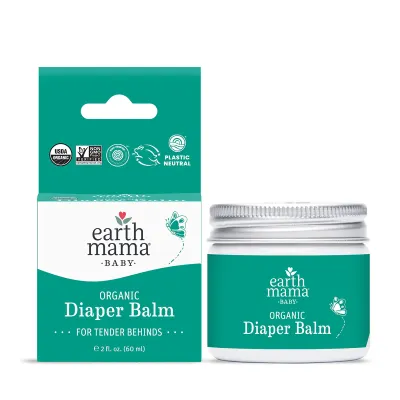
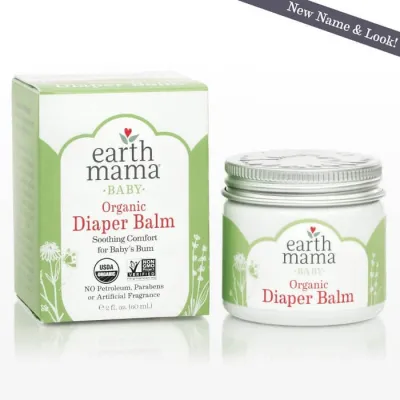
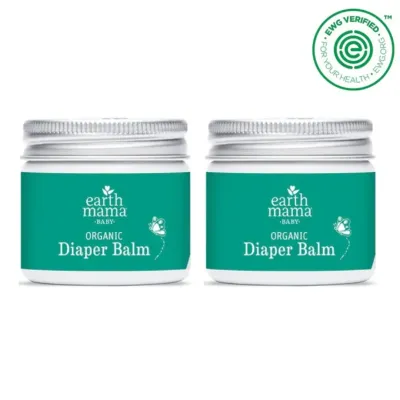
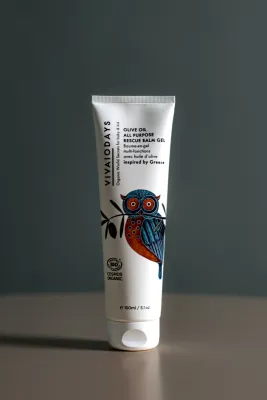
![[SG Local Made] Twinkle Multipurpose Baby Balm 100% Natural Origin 12g TOP SELLER](https://img.lazcdn.com/g/p/58cdf13c4ddec1e66455c9d83f69fed7.jpg_400x400q80.jpg_.webp)
![[Bundle] Vicks Baby Balsam 50g](https://img.lazcdn.com/g/p/cc84846481c60ecf88780f9eb2009156.jpg_400x400q80.jpg_.webp)
Prices are valid at publication and may change. Please refer to the product page for the latest price.
While home care with diaper balms is highly effective for mild to moderate irritation, parents must monitor the rash closely. If you notice signs of infection, such as pus, blisters, bleeding, or if your baby develops a fever, stop using over-the-counter balms immediately. A rash that does not improve after three days of consistent care also warrants a visit to a pediatrician.
What to Look for When Comparing Diaper Balms
When evaluating diaper balms on the shelves of Singapore pharmacies, a structured decision-making framework helps you select the most appropriate option. The first and most critical factor is the active ingredient list. Different ingredients serve distinct purposes, ranging from heavy moisture blocking to lightweight skin conditioning. Understanding these ingredients allows you to choose a product tailored to your baby’s immediate needs rather than relying on generic marketing claims.

Texture and ease of application play a significant role in daily diapering routines. Thick, heavy pastes provide excellent physical protection but can be difficult to spread over already tender, inflamed skin. Conversely, lightweight ointments and creams glide on easily but may wash away quickly during heavy wetness. In Singapore’s humid climate, finding a balance is key; a balm that is too heavy may trap sweat, while one that is too light might not withstand overnight diaper wear.
Skin compatibility is another vital consideration, especially for babies with sensitive skin or eczema. Parents should carefully check product labels for potential allergens, synthetic fragrances, parabens, and harsh preservatives. Unscented formulas are generally safer for newborns and infants with reactive skin, as added perfumes can exacerbate existing irritation.
Finally, consider the ease of cleanup during routine diaper changes. Some high-strength barrier creams are designed to adhere tightly to the skin, requiring gentle wiping with a damp cloth or oil to remove completely. If a balm is too difficult to clean off, the repeated friction from wiping can worsen the diaper rash, defeating the purpose of the treatment.
Comparing Common Diaper Balm Formulations
To simplify your search, diaper balms can be categorized into three primary formulation types: zinc oxide-based pastes, petroleum and lanolin-based ointments, and botanical or natural oil blends. Each category serves a distinct purpose in a baby’s skincare routine, ranging from heavy-duty treatment to daily preventative care.
Zinc Oxide-Based Balms
Zinc oxide is a classic, time-tested ingredient widely favored for treating active, moderate-to-severe diaper rash. It is a natural mineral that does not dissolve in water, making it an exceptional physical barrier against urine and stool. When applied to the skin, zinc oxide forms a visible white layer that keeps external moisture away from the compromised skin barrier, allowing the underlying tissue to heal.
The texture of zinc oxide balms is typically thick and paste-like, which can make application and cleanup somewhat challenging. Because these pastes are designed to stay put, they do not rub off easily onto the diaper. This staying power is highly beneficial for overnight use or during long stretches between diaper changes, though it requires gentle handling during cleanup to avoid irritating the baby’s skin.
When comparing zinc oxide products, always check the concentration level listed on the label. Daily preventative creams often contain lower concentrations, around 10% to 12%, which are easier to spread and wipe away. For active, angry rashes, look for maximum-strength formulas containing up to 40% zinc oxide, which provide a much denser, more resilient protective shield.
Petroleum and Lanolin-Based Ointments
Petroleum and lanolin-based ointments are highly effective for everyday prevention and locking in natural skin moisture. Unlike zinc oxide pastes, these ointments are typically semi-translucent and have a greasy, slick texture. They work by creating an occlusive layer over the skin, which seals in existing hydration while blocking external wetness from penetrating the surface.
These ointments are particularly useful for overnight protection, as they keep the skin hydrated and shielded from prolonged exposure to wet diapers. However, parents should perform a skin compatibility check before regular use, particularly regarding lanolin. Lanolin is a natural substance derived from sheep’s wool, and while it is deeply moisturizing, some babies with highly sensitive skin or wool allergies may experience localized reactions to it.
A key trade-off of petroleum and lanolin formulations is the balance between breathability and moisture-trapping capabilities. In Singapore’s warm and humid environment, heavy occlusive ointments can sometimes trap sweat against the skin if applied too thickly. To prevent heat rash or clogged pores, apply these ointments in thin, even layers only on completely dry skin.
Botanical and Natural Oil Blends
Botanical and natural oil blends offer a plant-based alternative for parents seeking gentle, daily maintenance and soothing care. These formulations typically utilize ingredients like calendula, chamomile, shea butter, coconut oil, and beeswax to nourish the skin. They are ideal for babies with mild redness, dry skin, or those who are highly sensitive to mineral-based ingredients.
When choosing a botanical balm, it is essential to verify the safety of the ingredients on the product label. Look for formulas that are free from synthetic fragrances and artificial colorants, and check if the product has been pediatrician-tested. While natural oils are excellent for skin conditioning, some plant extracts or essential oils can still trigger allergic reactions in sensitive infants, making a patch test on a small area of skin highly advisable.
It is important to note the limitations of botanical blends compared to mineral-based options. Plant oils absorb into the skin relatively quickly, which means they do not create the same long-lasting, heavy physical moisture barrier as zinc oxide or petroleum. Consequently, botanical balms are best suited for daily prevention and mild soothing rather than treating severe, weeping diaper rashes.
Which Diaper Balm Should You Choose?
Selecting the right diaper balm depends entirely on your baby’s current skin condition and your specific diapering goals. If your baby is currently dealing with an active, red, or weeping diaper rash, a high-concentration zinc oxide paste is the most effective choice. The thick mineral barrier will shield the raw skin from further irritation, giving the epidermis the necessary environment to recover.
For daily prevention, especially before bedtime or long outings, a petroleum or lanolin-based ointment is highly suitable. These formulas lock in moisture and prevent the skin from drying out or chafing against the diaper. They are easy to apply and provide reliable protection against overnight wetness, provided your baby does not have a lanolin sensitivity.
If your baby has healthy skin but is prone to mild dryness, or if you prefer a lightweight, plant-based routine, a botanical oil blend is an excellent option. These balms keep the skin soft and hydrated without the heavy, greasy feel of mineral ointments. They are perfect for quick, daily application during routine daytime diaper changes.
Regardless of the product you choose, always prioritize your baby’s comfort and safety. If a diaper rash does not show signs of improvement within a few days, or if it appears to worsen despite consistent application, stop using the balm and consult a healthcare professional. A pediatrician can help identify underlying issues, such as a yeast or bacterial infection, and prescribe the appropriate targeted treatment.
Safe Application and When to See a Doctor
To maximize the effectiveness of any diaper balm, proper application technique is just as important as choosing the right formula. Always begin by cleaning the diaper area gently with mild wipes or warm water and a soft cloth. Before applying any balm, ensure the skin is completely dry; patting the skin gently with a clean towel or letting it air dry for a few moments is highly recommended. Applying balm over damp skin traps moisture underneath the barrier, which can actually worsen or prolong a diaper rash.
When applying the balm, use a clean finger or a dedicated diaper cream applicator to spread the product. For active rashes, apply a thick, even layer—similar to frosting a cake—over the entire affected area, ensuring you cover all skin folds. For daily prevention, a thin, translucent layer is sufficient to protect the skin barrier without making cleanup overly difficult during the next change.
Monitor your baby’s skin closely during every diaper change for warning signs that require professional medical attention. If you observe blisters, peeling skin, open sores, or pus-filled bumps, stop using home-care balms immediately. Additionally, if the rash is accompanied by a fever, or if your baby seems unusually fussy and in pain, seek advice from a pediatrician to ensure proper diagnosis and treatment.
Frequently Asked Questions (FAQ)
Can I use diaper balm on newborns?
Newborn skin is incredibly delicate, thin, and highly permeable, making it more sensitive to topical products. Before applying any diaper balm to a newborn, always check the manufacturer’s age guidelines on the packaging. For premature infants or newborns with highly sensitive skin, it is best to consult a pediatrician before introducing any new skincare products to ensure they are safe and appropriate.
Should I wipe off the old balm layer during every change?
It is not necessary to scrub off every trace of clean, residual diaper balm during every change. Doing so can cause unnecessary friction and further irritate your baby’s sensitive skin. Simply wipe away the soiled areas, urine, and stool gently, leaving any clean, intact barrier balm in place, and then apply a fresh layer over the top as needed.
Are cloth diapers compatible with all diaper balms?
No, many standard diaper balms are not compatible with cloth diapers. Ingredients like zinc oxide and petroleum can build up on cloth diaper fibers over time, creating a waterproof coating that causes the diapers to repel liquid and leak. If you use cloth diapers, look for balms specifically labeled as cloth-safe, or use a disposable diaper liner to protect the fabric from residue.

Community discussion
Share your experience or ask a question. Comments are reviewed before publication.