
Choosing the right wet bag for cloth diapers is just as important as selecting the diapers themselves. While many popular brands market their products with appealing prints and promises of absolute containment, real-world performance depends entirely on material specifications, seam construction, and closure designs. In a tropical, high-humidity environment like Singapore, these material choices become even more critical. High humidity accelerates odor development and increases the risk of mildew if moisture is trapped incorrectly or if the bag takes too long to dry after washing. Rather than relying on brand reputation alone, parents can make an informed decision by evaluating how different bags are constructed. This guide breaks down the essential features of high-quality wet bags, helping you select a durable, leak-proof solution that fits seamlessly into your laundry routine.
Key Specifications for Evaluating Wet Bag Quality
To understand what makes a wet bag reliable, you must first look at the materials used for the waterproof lining. The two most common materials are Polyurethane Laminate (PUL) and Thermoplastic Polyurethane (TPU). PUL is typically created using a chemical solvent process to bond a polyester fabric to a thin waterproof polyurethane film. This results in a highly durable, slightly stiffer barrier that can withstand frequent washing and higher temperatures. In contrast, TPU utilizes a heat-bonding process that is often considered more environmentally friendly. TPU tends to be softer and more flexible than PUL, though it can be more sensitive to extreme heat over time.
Beyond the fabric itself, seam construction is the most critical factor in preventing leaks. Standard sewing needles create tiny punctures in waterproof fabric as they stitch the panels together. If a wet bag has standard sewn seams along the bottom or sides, liquid can eventually seep through these needle holes under the weight and pressure of wet diapers. High-quality wet bags address this by using sealed, taped, or welded seams that cover the stitch lines with a waterproof barrier. Alternatively, some designs feature a seamless bottom, using a single folded piece of fabric to eliminate the primary point of leakage entirely.
Products mentioned in this guide
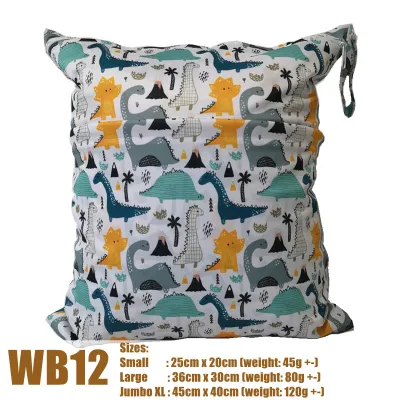
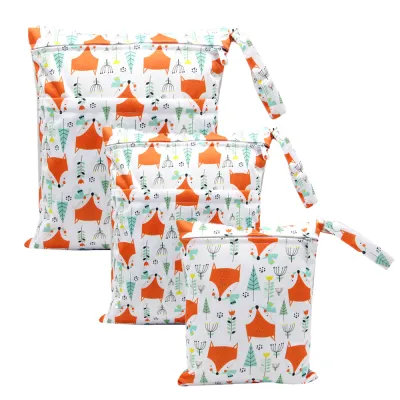
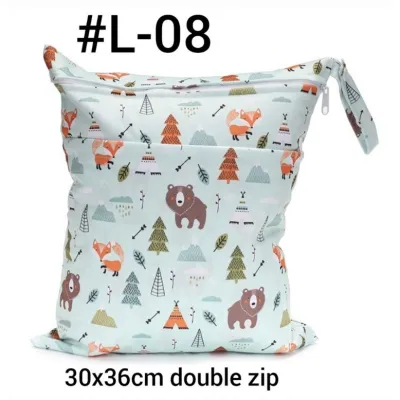


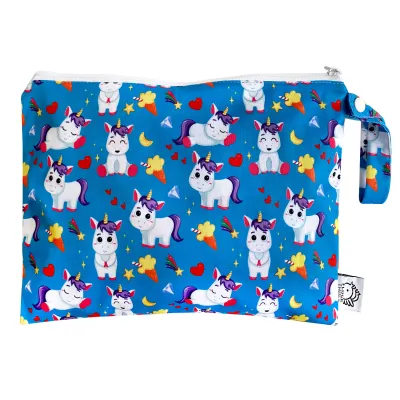
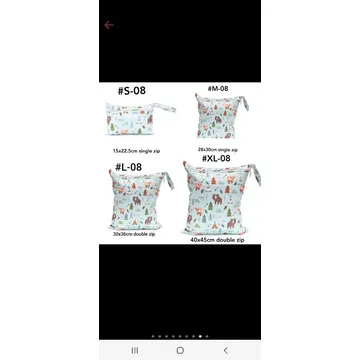
Prices are valid at publication and may change. Please refer to the product page for the latest price.
Finally, the closure mechanism determines how well the bag contains both moisture and odors. Zippers offer the most secure seal for travel, but they are not completely airtight unless paired with a protective fabric flap. Drawstrings are highly convenient for quick, one-handed access at home but do not contain odors or wetness well when packed in a diaper bag. Many wet bags also feature snaps on the handles or hanging straps, allowing you to secure the bag to a stroller handlebar, changing table, or towel rail, which is incredibly practical for maximizing space in smaller homes.
Assessing Waterproofing and Odor Containment
When evaluating a wet bag’s ability to trap odors and prevent leaks, start by inspecting the thickness and quality of the interior lining. A thicker laminate layer generally offers better resistance to wear and tear, but it can also increase the time it takes for the bag to dry after washing. Look for a protective fabric flap, often called a “zipper guard,” that covers the zipper teeth on the inside. This simple design feature helps block damp air and odors from escaping through the tiny gaps in the zipper coil, keeping your nursery or diaper bag smelling fresh.

It is also important to recognize the physical limits of waterproof materials. Even the highest-quality wet bag is not designed to hold standing water or soaking wet items that have not been wrung out. If you place dripping wet diapers or swimsuits directly into a bag, the pooled liquid will eventually find a path of least resistance, usually escaping through the zipper teeth or the seams under pressure. Additionally, sharp objects like open diaper pins, rough hook-and-loop fasteners, or sharp fingernails can puncture the delicate laminate lining, permanently compromising its waterproof integrity.
Effective odor containment also relies heavily on matching the bag’s size to your daily diaper load. If a wet bag is stuffed beyond its intended capacity, the tension pulls the zipper teeth apart, allowing odors to escape and putting unnecessary stress on the seams. Choosing a bag size that matches your specific routine—such as a medium bag for day trips (holding three to four diapers) and a large hanging pail liner for home use (holding fifteen to twenty diapers)—ensures the closures can function as intended without straining the materials.
Evaluating Durability and Washability
Because wet bags are washed just as frequently as the cloth diapers they hold, they must be built to withstand heavy laundering. Start by inspecting the stitching quality and reinforcement at high-stress points. Fully loaded wet bags can become quite heavy, especially when filled with wet overnight diapers. Look for double-stitching, reinforced box stitches, or heavy-duty bar tacks where the handles, hanging straps, and zipper ends meet the main body of the bag to prevent the fabric from tearing over time.
Before purchasing, always verify the manufacturer’s washing instructions, as care requirements vary significantly between materials. Some laminates can tolerate warm or hot water washes (up to 60°C) to ensure thorough sanitization, while others require cold washes to prevent the waterproof layer from separating from the outer fabric. Avoid using chlorine bleach, fabric softeners, or vinegar unless explicitly permitted by the manufacturer, as these additives can rapidly degrade the laminate lining and weaken the adhesive bond.
Regularly inspect your wet bags for early signs of lining failure to avoid unexpected leaks. The most common sign of wear is delamination, which appears as bubbling, peeling, or blistering of the shiny inner plastic layer away from the woven outer fabric. Other warning signs include fine cracks in the lining, a sticky or gummy texture, or persistent moisture transferring to the dry exterior fabric during normal use. If you notice any of these issues, the waterproof barrier has been compromised, and the bag should be retired from holding wet items.
Decision Framework: Matching Features to Your Routine
Selecting the right wet bag depends largely on your daily diapering environment and lifestyle habits. If your routine involves long travel days, commuting, or sending your child to infant care, prioritize heavy-duty zippered bags with double linings or dual compartments. Often called “wet/dry bags,” these designs feature two separate pockets—one lined with waterproof material for soiled items and one dry pocket for clean diapers. This allows you to carry everything in a single, compact package while keeping clean and dirty items completely isolated.
For home use where air circulation is preferred to minimize ammonia buildup, a single-layer drawstring bag or an open hanging pail liner may be more practical. These designs are typically easier to wash, dry much faster in humid climates, and take up minimal space when folded. They are ideal if you wash your diapers every 24 to 48 hours and do not need to transport soiled items long distances. Hanging a pail liner inside a plastic trash can or on a dedicated hook keeps dirty diapers out of reach while allowing easy access during diaper changes.
Finally, always verify manufacturer specifications and warranty terms if you plan to use high-heat sanitizing wash routines or specific stain treatments. Some brands offer generous warranties that cover manufacturing defects, zipper failures, or premature delamination, but these warranties are often voided if the bag is washed outside of the recommended temperature range or exposed to harsh chemicals. Aligning your wet bag selection with your existing laundry habits ensures you won’t accidentally damage your gear or void your consumer protections.
Maintenance and Care for Longevity
Implementing proper drying techniques is the single most effective way to extend the lifespan of your wet bags. Whenever possible, line dry the bag by hanging it inside out so the waterproof lining is fully exposed to air circulation. In high-humidity environments, ensuring adequate airflow is crucial to prevent mildew from forming on the damp fabric. Avoid hanging wet bags in direct, intense sunlight for extended periods, as UV rays can degrade the polyurethane laminate; instead, choose a shaded, well-ventilated outdoor area or an indoor drying rack near a window. If you must use a clothes dryer, select a low-heat or air-fluff setting to prevent the laminate from melting or cracking.
To address stubborn stains or lingering odors without damaging the bag, stick to gentle, manufacturer-approved cleaning methods. A pre-rinse in cold water before the main wash helps remove organic residue before it sets into the fabric. For persistent odors, a standard wash with an enzyme-based detergent is usually sufficient. Avoid soaking the bag in harsh chemical solutions, using abrasive scrub brushes on the delicate inner lining, or twisting the bag tightly to wring out excess water, as these actions can tear the laminate away from the fabric backing.
Even with meticulous care, wet bags eventually reach the end of their functional lifespan. If you notice visible cracks in the lining, peeling laminate, or moisture consistently seeping through to the exterior, the bag is no longer sanitary or effective. Continuing to use a compromised bag increases the risk of cross-contamination and leaks. At this stage, it is best to stop using the bag for wet items and consult the manufacturer to see if the damage is covered under warranty, or repurpose the bag for dry storage.
Frequently Asked Questions (FAQ)
Can I use a standard reusable bag instead of a specialized wet bag?
Standard reusable shopping bags or canvas totes lack the specialized waterproof linings (like PUL or TPU) and sealed seams required to contain moisture and odors. Using a non-specialized bag for soiled cloth diapers will inevitably lead to liquid leaking through the fabric, creating a mess and increasing the risk of bacterial cross-contamination on your hands, clothes, or diaper bag. Specialized wet bags are specifically engineered to trap wetness and contain ammonia odors safely until laundry day.
How many wet bags are needed for a full-time cloth diaper routine?
For a full-time cloth diapering routine, a baseline rotation of three to four wet bags is highly recommended. This ensures you always have one bag in active use (either hanging at home or packed in your travel bag), one bag in the washing machine with your current load of diapers, and one or two bags hanging to dry. Because wet bags must be air-dried or dried on low heat, they often take longer to dry than standard laundry, making a multi-bag rotation essential for a seamless daily routine.
Community discussion
Share your experience or ask a question. Comments are reviewed before publication.