
Finding the right breast pillow for long feeding sessions is not about finding a single “best” brand, but rather matching a pillow’s structural design to your unique physical needs, feeding positions, and your baby’s growth stage. Because every caregiver’s torso length, breast shape, and seating setup differ, a pillow that offers perfect ergonomic relief for one person might cause shoulder strain or slipping for another. To achieve pain-free, extended feeding sessions, you must look past brand names and evaluate specific physical attributes: structural shape, fill density, and adjustability.
During the early weeks of breastfeeding, feeding sessions can last anywhere from twenty to forty-five minutes and occur multiple times a day. Holding a baby’s weight for this long without proper support can lead to poor posture, muscle fatigue, and latch issues. By understanding how different pillow designs support your body, you can make an informed decision that promotes a comfortable, sustainable feeding journey.
Key Features That Define Comfort and Support
The primary purpose of a high-quality breast pillow is to bridge the gap between your lap and your baby, allowing you to maintain an upright, relaxed posture. Ergonomic lift is the most critical factor in preventing physical strain. When a pillow is too low, caregivers naturally hunch forward to bring the breast to the baby, which places immense tension on the cervical spine, shoulders, and upper back. A supportive pillow should elevate the baby to the height of your nipple, allowing your shoulders to drop and your neck to remain in a neutral position.
Products mentioned in this guide
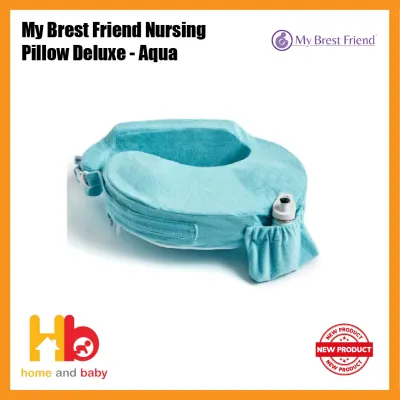
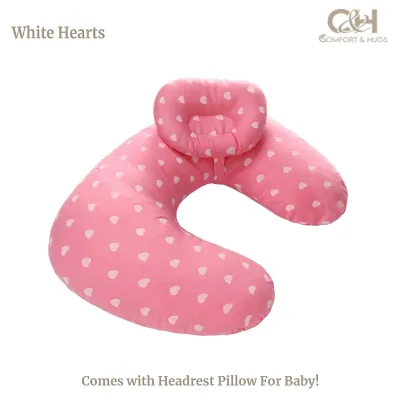
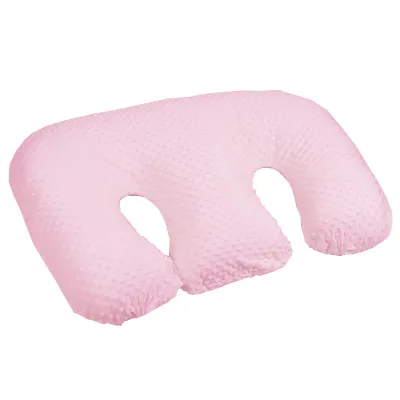
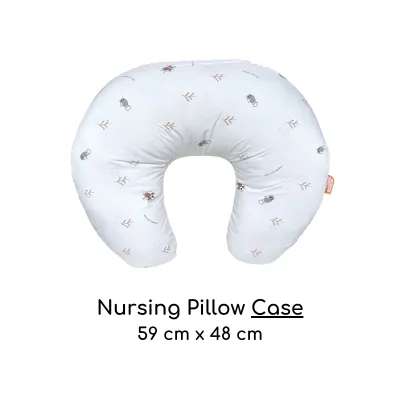
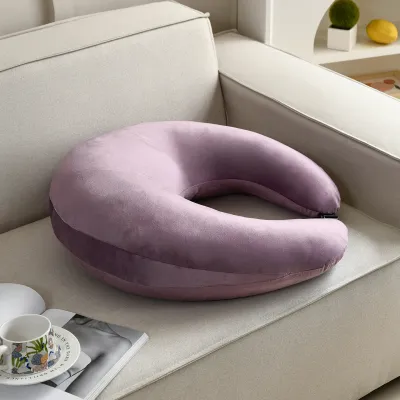
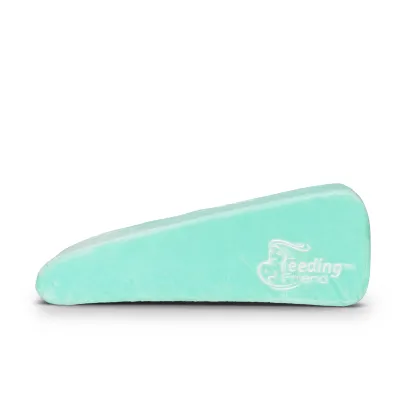
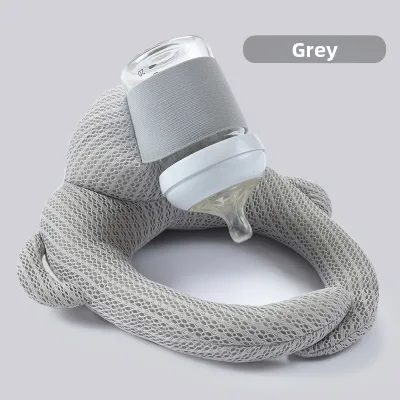
Prices are valid at publication and may change. Please refer to the product page for the latest price.
As your baby grows, their physical dimensions and weight distribution change significantly. A pillow with a narrow surface area might support a newborn adequately, but it will quickly become unstable as the baby’s torso and limbs lengthen. A wider, flatter surface area provides the lateral stability required to keep an older, more active baby secure. Without sufficient surface area, the baby may roll inward toward your abdomen or outward away from you, forcing you to use your arms and wrists to constantly correct their position.
Another essential feature to look for is a securing mechanism, such as an adjustable waist strap, buckle, or wrap-around band. These features keep the pillow flush against your body, preventing it from shifting or sliding forward during a feed. When a pillow lacks a securing mechanism, a gap can easily form between the cushion and your torso. The baby can slide into this crevice, which not only disrupts their latch but also forces you to tense your abdominal and back muscles to hold the pillow in place.
Comparing Popular Breast Pillow Shapes and Designs
Breast pillows generally fall into three structural categories, each designed to accommodate different feeding styles, body shapes, and comfort preferences. Understanding these shapes will help you narrow down your choices based on how and where you plan to feed your baby.

C-shaped or crescent pillows are among the most common designs available. These pillows are shaped like a semi-circle and are designed to slide easily around the front of your waist. They are highly portable and lightweight, making them easy to move from room to room or pack for travel. The rounded front provides excellent targeted support for traditional cradle and cross-cradle holds. However, because they rely on the natural spring-back tension of the “C” shape to hug your waist, they may not fit all body types perfectly. Caregivers with very narrow or very wide waists may find that the pillow either pinches or slides away, creating a gap.
U-shaped or full-wrap pillows offer a more comprehensive support system by wrapping completely around your torso. These designs often feature a flat, firm platform in the front and a backrest that secures with an adjustable strap or buckle. This 360-degree support distributes the baby’s weight evenly across your hips and lower back, significantly reducing lumbar strain. The secure fit makes this style highly stable, allowing for hands-free positioning of the pillow itself. Additionally, the wrap-around design is highly beneficial for caregivers recovering from a Caesarean section, as the firm front platform can be positioned to protect the sensitive incision site from direct pressure. It is also the preferred shape for tandem feeding twins or utilizing the football hold.
Flat or wedge-style inserts represent a modular approach to feeding support. These pillows often consist of multiple angled layers or stackable wedges that can be adjusted to change the height and slope of the feeding platform. This design is highly versatile because it can adapt to your baby’s growth; you can use the full stack for a newborn who needs maximum elevation, and remove layers as the baby grows taller. Wedge-style pillows are also easier to store flat, making them an excellent choice for compact living spaces where bulky, one-piece pillows might be difficult to put away.
How to Evaluate Fill Quality and Firmness
The internal material of a breast pillow dictates how well it retains its shape and supports your baby’s weight over months of daily use. When comparing brands, pay close attention to the type of fill used, as this directly impacts both comfort and durability.
High-density polyurethane foam or molded memory foam provides a firm, flat, and stable platform. This type of fill does not compress easily under weight, ensuring that your baby remains at the correct height throughout the entire feeding session. Foam is highly effective at preventing the baby from rolling or sinking, which helps maintain a consistent, deep latch. However, foam can feel rigid to some caregivers, and it does not conform to the body as easily as softer materials.
Polyester fiberfill offers a softer, more traditional pillow feel. These pillows are highly moldable, allowing you to shift the stuffing to customize the support under your baby’s head or torso. While comfortable and plush, fiberfill is highly prone to compression. Over a long feeding session, the baby’s weight can cause the fibers to flatten, requiring you to constantly adjust the pillow or prop your elbows underneath to maintain the necessary height.
When evaluating manufacturer specifications, look for details regarding fill density and cover materials. In Singapore’s warm and humid tropical climate, heat retention is a major consideration. Dense foam pillows can trap body heat, causing both you and your baby to sweat during long feeding sessions. To mitigate this, look for pillows that feature breathable, open-cell foam structures or those paired with covers made from natural, moisture-wicking fibers like organic cotton or bamboo rayon. Additionally, verify if the materials are certified hypoallergenic to minimize the risk of skin irritation for your baby’s sensitive skin.
Over time, all nursing pillows experience wear and tear. You should regularly check for observable signs that the pillow is losing its structural integrity. For fiberfill pillows, look for clumping, hollow spots, or a permanent loss of loft. For foam pillows, check for sagging in the center, crumbling foam, or a failure to rebound after pressure is released. If you find yourself hunching forward or if your baby is constantly sinking during feeds, it is time to replace the pillow or the internal fill.
Decision Framework: Matching Pillow Design to Your Needs
To choose the right breast pillow, you must evaluate your personal physical requirements, your primary feeding environment, and your baby’s specific needs. Use the following framework to guide your selection:
Choose a firm, C-shaped pillow if you prioritize quick setup, frequent repositioning, and easy portability around the home. This style is ideal if you prefer feeding in different chairs or on the go, and if you primarily use the cradle or cross-cradle hold. Before purchasing, verify the inner curve dimensions to ensure it will fit comfortably around your waist without pinching or leaving a wide gap.
Choose a U-shaped or full-wrap pillow if you experience lower back pain, require maximum stability, or are feeding multiples. The secure waist strap and integrated backrest will help distribute weight to your hips and prevent the pillow from shifting, allowing you to focus entirely on your baby’s latch. This style is also highly recommended if you are recovering from a Caesarean section and need a firm barrier to protect your abdomen.
Choose an adjustable or wedge-style pillow if you have a long torso, experience severe neck and shoulder tension, or need to feed your baby at a specific angle to manage reflux. The ability to customize the height and slope of the platform ensures you can achieve an optimal ergonomic position regardless of the seating surface.
Regardless of the shape you choose, always verify that the pillow cover is fully removable and machine-washable. Feeding sessions are inevitably messy, involving milk spills, spit-up, and sweat. A cover that is easy to remove and wash is essential for maintaining hygiene and preventing the growth of mold or bacteria in humid environments.
Safety Checks and Maintenance for Nursing Pillows
While breast pillows are invaluable tools for feeding comfort, they must be used with strict adherence to safety guidelines to protect your baby. The most critical safety rule is that nursing pillows are designed exclusively for supported feeding and awake positioning under direct, active caregiver supervision. They must never be used for unsupervised infant sleep, co-sleeping, or placed inside a crib, bassinet, or playpen. If your baby falls asleep on the pillow during or after a feed, safely transfer them to a firm, flat sleep surface immediately to prevent positional asphyxiation.
Perform routine visual and physical inspections of your pillow to ensure it remains safe for use. Check the seams for any loose threads, which can pose a wrap hazard for tiny fingers and toes. Inspect the zippers and buckles to ensure they are functioning correctly and do not have sharp edges that could scratch your baby’s skin. If the pillow uses a strap, ensure the buckle snaps securely and the strap does not show signs of fraying.
Finally, always follow the manufacturer’s specific washing instructions to maintain the pillow’s structural integrity. While most outer covers can be machine-washed on a gentle cycle, the inner cushion often requires specialized care. Washing a foam insert in a washing machine can cause it to tear or degrade, while improper drying of a fiberfill pillow can lead to permanent clumping. Proper maintenance ensures the pillow continues to provide the firm, reliable support you need for comfortable, long-term feeding sessions.
Frequently Asked Questions (FAQ)
Can a regular bed pillow replace a dedicated breast pillow?
A standard bed pillow generally lacks the structural firmness and specialized contours required for safe, ergonomic feeding. Standard pillows compress easily under a baby’s weight, forcing you to constantly adjust your posture or prop your arms up with extra cushions to maintain the correct height. This instability increases the risk of the baby slipping into gaps and places unnecessary strain on your neck, shoulders, and wrists during long feeding sessions.
When should I stop using a nursing pillow?
Most caregivers transition away from using a nursing pillow when the baby develops strong trunk control and can sit independently, which typically occurs around six months of age. You should also stop using the pillow if your baby outgrows the manufacturer’s recommended weight or length limits, or if they can easily latch and feed comfortably without the extra elevation. If you are unsure about your baby’s positioning or developmental readiness, consult a lactation consultant or pediatrician for personalized guidance.
Community discussion
Share your experience or ask a question. Comments are reviewed before publication.