
Active babies in Singapore are constantly on the move—crawling, climbing, or taking their first steps in a warm, humid climate. When babies reach these active developmental milestones, parents often find that the diaper that worked perfectly during the newborn stage suddenly begins to leak. The truth is that no single brand of baby disposable diapers can guarantee absolute leak protection for every active infant.
Leakage is rarely a sign of a defective diaper; instead, it is usually a mismatch between a diaper’s design and your baby’s unique body shape, size, and movement patterns. Major brands approach leak protection with distinct engineering philosophies. Some focus on highly elastic waistbands to prevent back blowouts, others prioritize high-capacity absorbent cores to handle sudden wetting, and some emphasize ultra-flexible leg gathers that move with a crawling child. To find the most reliable leak protection, you must identify where your baby’s leaks typically occur and match that specific vulnerability to the diaper design best equipped to address it.
What Makes Baby Disposable Diapers Leak-Proof for Active Babies?
When a baby is sedentary, gravity keeps liquid relatively centered in the diaper’s absorbent core. However, once a baby starts crawling, rolling, pulling up, or walking, physical movement compresses the diaper, shifts its position, and creates temporary gaps between the material and the baby’s skin. If a baby urinates while active, the liquid must be absorbed almost instantly before movement forces it out through these gaps. Understanding the structural components of a diaper helps you evaluate which features will keep your active baby dry.
Products mentioned in this guide


![[Carton Sale]NOMIEO Diapers Pants / Tape S M L XL XXL XXXL bundle of 3 Baby disposable diapers](https://img.lazcdn.com/g/p/mdc/b7bbf8f670dd10c9c495b30106ee151a.jpg_400x400q80.jpg_.webp)
![[SG Seller] Disposable Baby Swimming Diapers Trunk / 5 Packets / Infant Swim Diaper Pants / Cloth Waterproof](https://img.lazcdn.com/g/p/f2015285678421d34766d9a4b41caaab.jpg_400x400q80.jpg_.webp)
Prices are valid at publication and may change. Please refer to the product page for the latest price.
Leg Cuffs and Elastic Barriers
The leg openings are the most common escape route for liquid when a baby is crawling or walking. Modern baby disposable diapers feature a dual-barrier system consisting of an inner standing leak guard and an outer leg gather. The inner guard is a thin, hydrophobic strip of material held upright by fine elastic threads, designed to act as a physical wall that channels liquid back toward the absorbent core.
The outer leg gathers provide a secondary seal around the thigh. For active babies, these elastics must be highly stretchable. They need to maintain a continuous, snug seal against the skin as the baby’s legs bend and kick, without being so tight that they dig into the skin. In Singapore’s warm weather, tight elastics can trap sweat, leading to chafing, making the flexibility of these leg cuffs crucial for both comfort and leak prevention.
Waistband Flexibility and Fit
As babies transition from lying flat to sitting, crawling, and standing, their abdominal shape changes. A baby’s stomach expands when they sit down or eat, and contracts when they stand. If a diaper’s waistband is rigid, these postural shifts create a prominent gap at the lower back or the front waist.
A flexible, wide waistband is essential for accommodating these rapid changes in posture. Stretchy waistbands or elasticized back pockets allow the diaper to expand and contract in harmony with the baby’s movements. This flexibility prevents the diaper from sliding down under the weight of a wet core, which is a frequent cause of sag-induced leaks. A snug waistband also acts as a vital barrier against high-pressure bowel movements, which frequently occur when babies are sitting or crawling.
Absorbent Core Distribution
The absorbent core of a diaper pulls wetness away from the skin and locks it inside, typically using a blend of fluff pulp and superabsorbent polymers (SAP). However, how this absorbent material is distributed within the diaper plays a massive role in leak prevention during active play.
Some diapers feature targeted absorption zones. For instance, some diaper designs place more absorbent material toward the front, which is highly beneficial for active boys or babies who spend a lot of time crawling on their tummies. Other designs distribute the SAP evenly throughout the length of the diaper, making them more suitable for babies who roll frequently or sleep in varied positions. When a baby moves, the diaper core is subjected to pressure; a well-designed core must lock the liquid so securely that physical compression does not squeeze the moisture back out.
Comparing Leak Protection Designs in Popular Brands
In Singapore, parents have access to a wide array of premium diaper brands, each with its own design philosophy and structural features. Rather than looking for a single “best” brand, it is more practical to understand how each brand’s signature design addresses the challenges of an active baby. This allows you to select a brand that aligns with your baby’s specific physical build and movement style.

Pampers
Pampers has long been a staple in the diaper market, known for its focus on thinness, flexibility, and rapid absorption. Their design philosophy for active babies centers on minimizing bulk so that the diaper does not restrict movement. To achieve this, Pampers diapers often utilize advanced core technologies that distribute liquid evenly across multiple channels, preventing the diaper from sagging or clumping when wet.
For active babies, Pampers incorporates highly stretchable side panels that act like an elastic bandage around the hips. These side tabs stretch and contract smoothly, allowing for a highly customizable fit around the waist. This flexibility is particularly useful for babies who are walking or climbing, as the diaper moves with the hips rather than resisting the motion. The absorbent core is engineered to lock away moisture quickly, reducing the risk of wetness leaking out when the diaper is subjected to the sudden pressure of active play.
Huggies
Huggies approaches leak protection with a strong emphasis on structural barriers and a secure, contoured fit. One of their most recognizable design features is the pocketed waistband, located at the back of the diaper. This pocket is specifically engineered to catch and contain runny stools and liquid before they can escape up the baby’s back, making it highly effective for babies who are sitting, rolling, or crawling.
Alongside the pocketed waistband, Huggies diapers typically feature robust, wide leg elastics that provide a secure seal around the thighs. The brand’s fastening systems are designed to hold the diaper firmly in place, minimizing shifting even during vigorous play. This snug-fit philosophy is excellent for preventing gaps from forming around the legs and waist, though parents should ensure they choose the correct size to prevent the sturdy elastics from leaving red marks on chubbier babies.
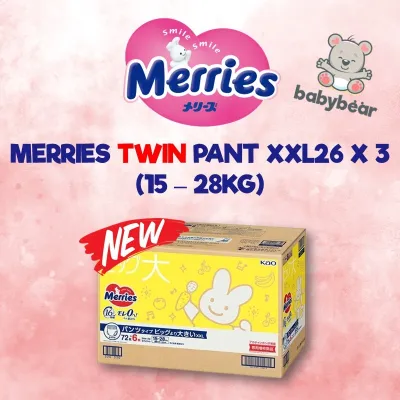
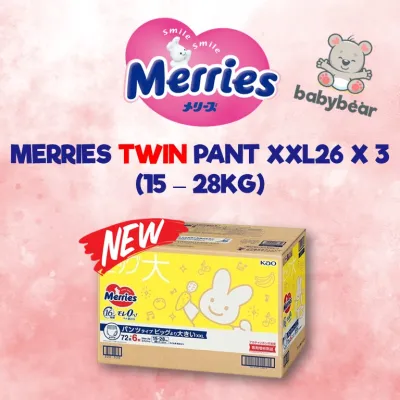
Merries and Moony
Japanese diaper brands like Merries and Moony are highly popular in Singapore, favored for their exceptional softness, breathability, and gentle fit. The design philosophy of these brands is centered on preventing leaks while minimizing skin irritation, which is a major consideration in Singapore’s humid climate.
Merries utilizes a unique, highly flexible three-dimensional gather system around the legs and waist. Instead of relying on tight, localized elastics, Merries distributes the elastic tension over a wider surface area. This creates a soft, airy seal that hugs the baby’s curves gently, preventing leaks without digging into the skin. Moony similarly focuses on a “curves-fit” design that conforms naturally to the baby’s rounded silhouette. The materials used in both brands are incredibly soft and stretchable, which prevents the diaper from shifting or bunching up as the baby twists and turns during play. This gentle, secure fit is particularly beneficial for babies with sensitive skin who are prone to friction-induced rashes or leaks caused by diaper displacement.
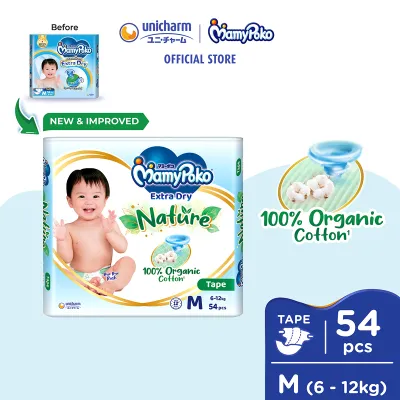
Mamypoko
Mamypoko is widely recognized for its high-capacity absorption and generous coverage areas. Their diapers, particularly their popular pants range, are engineered to handle large volumes of liquid over extended periods, making them a common choice for active toddlers and overnight wear.
The brand’s design philosophy prioritizes maximum containment. Mamypoko diapers often feature a deeper, wider rise, providing extensive coverage over the baby’s bottom and waist. The absorbent core is thick and highly efficient, designed to absorb multiple wettings without leaking. To support this high capacity, Mamypoko utilizes wide, supportive waistbands that distribute the weight of a wet diaper evenly around the baby’s hips, preventing the diaper from sagging down during active movement. This makes them highly reliable for long outings or periods when immediate diaper changes are not possible.
Troubleshooting Leaks: Why Fit and Sizing Matter Most
When a diaper leaks, the immediate reaction of many parents is to blame the brand and switch to a different product. However, in the vast majority of cases, persistent leaks are caused by fit and sizing issues rather than a failure of the diaper’s technology. Even the most technologically advanced, premium diaper will leak if it is not fitted correctly or if the size is incorrect for the baby’s current developmental stage.
To troubleshoot leaks, you must first evaluate how the diaper fits your baby’s body. A proper fit requires a balance between security and comfort. If a diaper is too tight, it will restrict movement, cause discomfort, and may even fail under pressure. Conversely, if a diaper is too loose, visible gaps will form around the legs and waist, allowing liquid to escape instantly before it can reach the absorbent core.
You can easily check the fit of your baby’s diaper using a few simple diagnostic checks:
- The Two-Finger Rule: Once the diaper is fastened, you should be able to slide two fingers comfortably between the waistband and your baby's stomach. If you cannot fit two fingers, the diaper is too tight and may cause discomfort when the baby sits. If you can fit more than two fingers, the waistband is too loose, which can lead to sagging and leaks.
- The Leg Ruffle Check: After every diaper change, make it a habit to run your finger around the leg openings. Ensure that the outer leg ruffles (the cuffs) are pulled completely outward and are not tucked inward. Tucked-in leg cuffs are one of the most common causes of immediate leg leaks, as they break the liquid barrier.
- Red Mark Inspection: When changing your baby, inspect their skin for red marks around the thighs or waist. If you see deep, persistent red indentations that do not fade within a few minutes, the diaper is too small or fastened too tightly.
Active babies often require a transition to a larger diaper size earlier than less active babies of the same weight. While manufacturer packaging provides weight guidelines (e.g., Size M for 6–11 kg), these ranges are broad and do not account for a baby’s unique proportions or activity level. A baby with chubby thighs or a round tummy may need to size up sooner to ensure adequate leg coverage and a high-capacity absorbent core. If your baby is near the upper limit of a weight range and you are experiencing frequent leaks, transitioning to the next size up is often the simplest and most effective solution.
Decision Framework: Which Diaper to Choose Based on Leak Patterns
To help you navigate the many options available in Singapore, use this structured decision framework to match your baby’s specific leak patterns to the diaper design best suited to solve them.
- Choose a brand with pocketed waistbands (such as specific Huggies lines) if:
- Your baby experiences frequent leaks at the back, especially during or immediately after bowel movements.
- Leaks occur most often when your baby is sitting up, rolling over, or playing on their back.
- Your baby has a leaner waist where standard flat waistbands tend to gape.
- Choose a brand with highly stretchy side panels and flexible leg cuffs (such as Pampers or Merries) if:
- Leaks consistently occur around the leg openings during high-movement activities like crawling, walking, or climbing.
- Your baby has very active leg movements, and rigid elastics leave red marks or chafing on their thighs.
- You notice the diaper shifting or twisting out of alignment as your baby moves.
- Choose a high-capacity or extended-coverage brand (such as Mamypoko or dedicated overnight variants) if:
- Leaks are caused by heavy saturation, where the diaper is completely soaked through when the leak occurs.
- You need reliable protection for long active stretches, stroller outings, or during naps and overnight sleep.
- Your baby drinks large amounts of fluids and wets heavily in a short period.
- Verify first if:
- Your current diaper size is correct and applied properly. Before spending money to switch brands entirely, try adjusting the fastening tabs, ensuring the leg cuffs are pulled out, or testing one pack of the next size up in your current brand.
Frequently Asked Questions (FAQ)
Why does my baby's diaper leak at the legs every time they crawl?
Crawling involves repetitive, wide-angle leg movements that place unique stress on a diaper’s leg seals. If the leg elastics are too rigid or the diaper is slightly too small, this movement pulls the diaper away from the inner thigh, creating temporary gaps where liquid can escape. To prevent this, ensure that the leg cuffs are manually pulled outward after every change and are not tucked inward. If leaks persist, consider sizing up to provide wider coverage around the thighs, or look for brands known for highly flexible, multi-thread leg gathers that maintain contact with the skin during movement.
Should I use a different diaper for daytime play and nighttime sleep?
Using different diapers for day and night is a practical strategy for many parents of active babies. Daytime diapers should prioritize flexibility, breathability, and a trim fit to allow your baby to move freely without bulk restricting their development. Nighttime diapers, on the other hand, require maximum absorption capacity and extended barriers to contain liquid over 10 to 12 hours of sleep. If your baby is leaking during the night, switching to a dedicated overnight diaper variant or using a high-capacity brand for sleep can resolve the issue while allowing you to keep a lighter, more flexible diaper for active daytime play.
Do diaper liners or boosters help prevent leaks for active babies?
While diaper liners or booster pads can increase the overall absorption capacity of a diaper, they are often not the best solution for highly active babies. Adding an extra layer inside the diaper increases bulk, which can disrupt the engineered fit of the diaper, alter the alignment of the leg cuffs, and actually create gaps that lead to more leaks. For an active baby, a more reliable and secure solution is to size up the diaper itself, which naturally increases both the absorbent capacity and the surface area of the leak barriers without compromising the diaper’s structural fit. If skin irritation or persistent leaks continue despite sizing adjustments, consult a pediatrician or health professional for personalized guidance.
Community discussion
Share your experience or ask a question. Comments are reviewed before publication.