
Quick Answer: Finding the Most Trusted Changing Pad Brand
There is no single “most trusted” baby changing pad brand that fits every family in Singapore. Trust is built on individual parental priorities, which typically center on ergonomic support, non-toxic materials, or budget-friendly practicality. The ideal choice for your nursery depends heavily on your available space, furniture compatibility, and cleaning preferences.
Highly rated brands consistently deliver on core safety features, such as non-slip bases and secure restraint systems, alongside durable, wipe-clean surfaces. Regardless of the brand you select, a baby changing pad must always be used under direct caregiver supervision. Never leave your infant unattended on any raised surface, even for a brief moment.
Key Dimensions Singapore Parents Use to Evaluate Baby Changing Pad Brands
Parents in Singapore face unique environmental and spatial challenges when choosing nursery gear. From compact apartment layouts to high-humidity tropical weather, selecting a baby changing pad requires evaluating specific physical and material properties to ensure long-term safety and usability.
Products mentioned in this guide
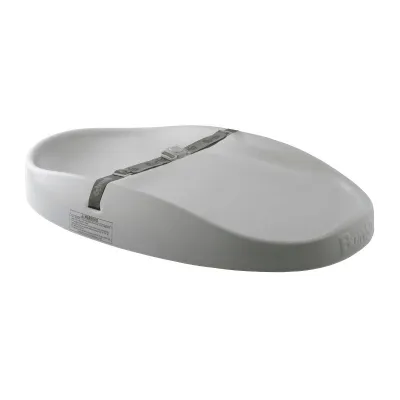
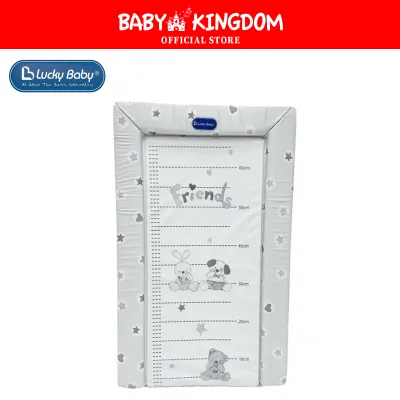
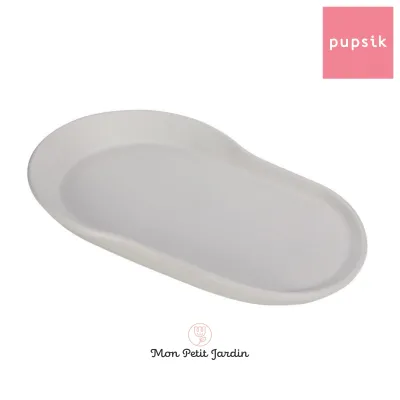
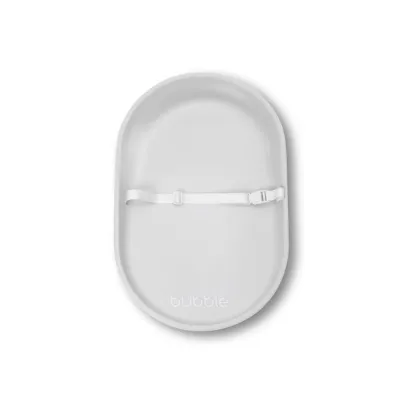
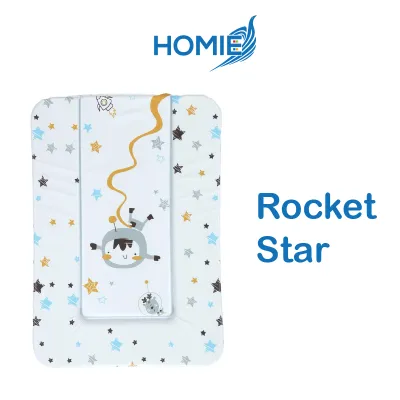
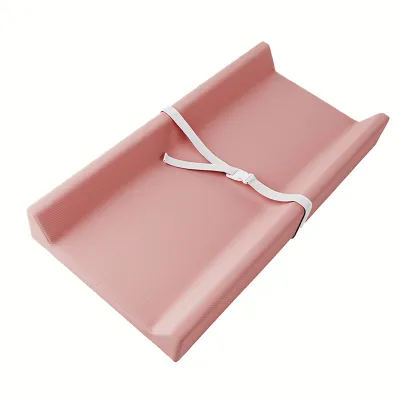
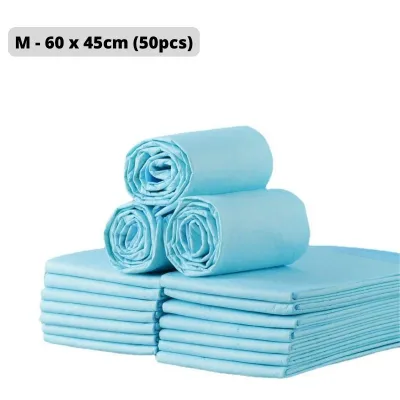
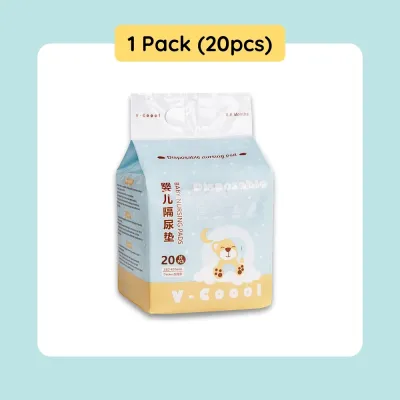
Prices are valid at publication and may change. Please refer to the product page for the latest price.

Safety, Stability, and Ergonomics
Physical safety features differentiate trusted brands from generic alternatives. High-quality changing pads often feature contoured edges with raised sides to help keep your baby centered. A non-slip base or integrated attachment straps are essential to secure the pad firmly to a dresser or changing table, preventing sliding during active diaper changes.
Always check the manufacturer’s documentation for the maximum weight and age limits of the pad. Never assume a pad is suitable for toddlers without verifying these specifications first. Brands that prioritize safety will provide robust mounting hardware or clear instructions on how to secure the pad to prevent tipping or shifting.
Caregiver supervision remains the primary safety measure during any diaper change. Restraint straps are designed to assist in keeping your baby positioned, but they do not replace the need for an active hand on your child. Before purchasing, examine the quality of the buckle and strap attachments to ensure they can withstand regular use and washing.
Material Hygiene and Climate Adaptability
Singapore’s tropical climate, characterized by high relative humidity, creates a challenging environment for nursery hygiene. Materials that trap moisture can quickly become breeding grounds for mold, mildew, and odor-causing bacteria. Trusted brands address this by utilizing non-porous, wipe-clean surfaces or highly breathable, washable covers.
Waterproof materials like molded polyurethane or thermoplastic polyurethane (TPU) coatings are highly efficient for local homes. These surfaces allow you to wipe away liquids immediately, eliminating the need for frequent machine washing. If you prefer fabric covers, ensure they are quick-drying and can withstand high-temperature laundering without shrinking.
Avoid materials that degrade, crack, or become sticky when exposed to warm, humid conditions. Low-quality plastics or cheap synthetic coatings can deteriorate rapidly in tropical climates, leading to a compromised surface that is difficult to sanitize. Inspecting material specifications before buying helps ensure the pad remains hygienic over months of use.
Furniture Compatibility and Space Efficiency
Many Singaporean homes, particularly HDB apartments, require space-efficient furniture choices. Parents often place changing pads on top of chest dressers or multi-purpose storage units rather than dedicated changing tables. Consequently, verifying the exact physical dimensions of both the pad and your furniture top is critical.
Reliable brands provide precise length, width, and depth measurements to help you avoid dangerous overhangs or gaps. A changing pad that is too large for its supporting surface can easily tip when weight is applied to the edge. Conversely, a pad that is too small may slide around if not properly anchored.
Measure your furniture’s flat surface area twice before selecting a pad. If your dresser has a decorative lip or safety rail, ensure the changing pad’s base fits snugly inside those boundaries. Choosing a brand that offers universal sizing or flexible mounting options can simplify this matching process.
Comparing Popular Changing Pad Brand Categories
To help navigate the local market, we can organize popular options into three distinct brand categories found across Singapore’s specialty baby boutiques and online marketplaces. Each category caters to different household needs, budgets, and space constraints.
| Brand Category | Core Features | Pros | Cons | Best For |
|---|---|---|---|---|
| Premium Ergonomic | Molded polyurethane foam, waterproof surface, integrated safety harness, non-slip base | Extremely easy to wipe clean, no extra fabric covers required, durable | Higher initial cost, heavier, less portable | Dedicated changing stations where quick cleanups are prioritized |
| Eco-Friendly & Organic | Certified organic cotton covers, natural latex or plant-based foam, chemical-free | Hypoallergenic, soft on sensitive skin, sustainable materials | Requires frequent washing of covers, risk of mold if not dried fully | Babies with sensitive skin or eczema, eco-conscious households |
| Practical & Portable | Lightweight foam or inflatable core, foldable designs, water-resistant polyester | Affordable, highly portable, fits compact spaces, easy to store | Less cushioning, shorter lifespan, may slide easily without backing | Families on a budget, frequent travelers, or secondary changing areas |
Premium Ergonomic and Contoured Brands
Premium ergonomic brands focus on maximum convenience and structural durability. These pads are typically constructed from a single piece of molded polyurethane foam, creating a soft yet supportive cushion that does not require additional fabric covers. The surface is completely waterproof, allowing you to spray and wipe it clean in seconds.
These brands often feature deep-contour designs with high side walls to cradle your infant securely. They are equipped with heavy-duty safety straps and non-skid bottom grips to prevent movement on smooth wooden or laminate surfaces. While these premium options carry a higher price tag, their durability often allows them to last through multiple children.
Always follow the manufacturer’s care instructions when cleaning molded foam surfaces. Avoid using harsh chemical solvents, bleach, or abrasive scrubbing pads, as these can degrade the waterproof outer skin. A simple wipe down with mild soap and warm water is usually sufficient to maintain hygiene.
Eco-Friendly and Non-Toxic Brands
Eco-friendly brands cater to health-conscious parents who want to minimize their baby’s exposure to synthetic chemicals. These pads prioritize natural materials, such as certified organic cotton covers, natural latex cores, or plant-based foams. They are free from polyurethane foam, PVC, phthalates, and chemical flame retardants.
These brands frequently highlight international textile certifications to back up their non-toxic claims. While these materials are gentle on sensitive newborn skin, they do require more maintenance. Because natural fabrics absorb liquids, you will need to purchase multiple covers to ensure you have a clean one available while others are in the wash.
In Singapore’s humid environment, fabric-covered pads must be dried thoroughly after washing to prevent mold growth. If your baby has highly sensitive skin or eczema, consult a pediatrician or dermatologist for guidance on selecting hypoallergenic laundry detergents and fabric types that minimize skin irritation.
Practical and Space-Saving Brands
Practical and space-saving brands offer lightweight, affordable, and highly portable solutions. These pads often feature a simple foam core wrapped in a water-resistant polyester cover, or they may be completely inflatable. They are designed to be easily stored in a closet, slid under a crib, or packed into a travel bag.
These options are ideal for smaller HDB apartments where a permanent changing station is not feasible. They allow you to turn any flat, stable surface—such as a bed or a clean floor—into a temporary changing area. However, because they are lightweight, they may lack robust non-slip backings and require extra care during use.
When using a portable changing pad, always ensure the surface beneath it is completely flat and stable. Never place a portable pad near the edge of a bed or table where a sudden movement could cause the pad to slide off. Inspect the seams and zippers regularly to ensure the inner foam remains protected from moisture.
How to Verify Brand Safety Claims and Quality
Independent verification is essential when evaluating a brand’s safety claims. Do not rely solely on marketing terms like “hypoallergenic” or “non-toxic” without looking for supporting evidence. Reliable brands make their testing standards and certifications transparent and easily accessible to consumers.
First, check product labels and descriptions for recognized safety certifications. For textile components, look for the OEKO-TEX Standard 100 or Global Organic Textile Standard (GOTS) labels, which indicate testing for harmful substances. For physical structural safety, verify if the brand aligns with international standards such as ASTM (American Society for Testing and Materials) or EN (European Standards). You can verify the validity of these certifications by checking the certificate numbers directly on the certifying bodies’ official databases.
Next, analyze user reviews on local e-commerce platforms and parenting forums, looking past overall rating scores to read specific feedback. Search for recurring complaints regarding physical durability, such as safety straps breaking, seams splitting, fabric covers shrinking significantly after a single wash, or strong chemical odors that persist after unboxing. A pattern of similar complaints often indicates a quality control issue.
Finally, verify the availability of local customer support and warranty coverage. Purchasing your baby changing pad through an authorized local distributor or the brand’s official store in Singapore ensures you have access to customer service if you encounter a defect. It also makes it much easier to source genuine replacement parts, such as extra safety straps or fitted covers, which are crucial for maintaining the pad’s safety and hygiene over time.
Decision Framework: Which Brand Category Fits Your Nursery?
To finalize your decision, evaluate your specific household setup, budget, and daily routine against the characteristics of each brand category. Choosing the right category ensures your changing pad integrates seamlessly into your life.
- Choose Premium Ergonomic Brands if: You have a dedicated changing table or flat dresser top, prioritize quick wipe-clean convenience to minimize your weekly laundry load, and have a flexible budget for nursery furniture.
- Choose Eco-Friendly Brands if: Your baby has highly sensitive skin or eczema, you prioritize sustainable and natural materials throughout your home, and you are comfortable with regular machine-washing and thorough air-drying of fabric covers.
- Choose Practical/Foldable Brands if: You live in a compact HDB apartment where space is limited, need a secondary pad for travel or multi-room use, or are furnishing your nursery on a strict budget.
- Verify first if: The changing pad's physical dimensions do not match your existing furniture surface perfectly, or if the brand lacks clear local customer support, authorized distributors, and return policies in Singapore. Always defer to the manufacturer's safety guidelines and stop use immediately if any component shows signs of tearing, wear, or structural instability.
Frequently Asked Questions (FAQ)
Do I need an expensive branded changing pad, or will a generic one work?
Generic changing pads can meet your basic daily needs if they are placed on a flat, stable surface and used under constant caregiver supervision. However, trusted, branded options typically offer superior long-term durability, better ergonomic support, more reliable safety straps, and non-slip materials that prevent sliding. Established brands also provide transparent material safety disclosures and accessible customer service for replacement parts, offering parents greater peace of mind.
How do I prevent mold on a changing pad in Singapore's humid climate?
To combat Singapore’s high relative humidity, wipe down waterproof surfaces daily with a mild, baby-safe cleaner and ensure the pad is completely dry before placing any fabric covers over it. If you use fabric covers, wash them frequently and dry them thoroughly in a well-ventilated area or a dryer. Avoid leaving damp items or wet wipes on the pad. Choosing brands that feature non-porous, moisture-resistant materials or highly breathable, quick-drying fabrics will significantly reduce the risk of mold, mildew, and odor absorption.

Community discussion
Share your experience or ask a question. Comments are reviewed before publication.