
Selecting a baby carrier that provides optimal ergonomic hip and spine support requires looking past marketing buzzwords and understanding the physical mechanics of infant development. While many brands advertise their products as “ergonomic,” the actual support depends on how well the carrier’s structure adapts to your baby’s growing body and your own physical frame. By focusing on verifiable design features, adjustable components, and recognized safety standards, you can confidently compare different brands to find a carrier that protects your baby’s physical development while ensuring your own carrying comfort.
What Defines Ergonomic Hip and Spine Support in Baby Carriers
To evaluate any baby carrier brand, you must first understand the biomechanical positions that support healthy infant growth. During the first few months of life, a baby’s skeletal system is highly flexible, consisting largely of cartilage that gradually ossifies into bone. The hip joints are particularly vulnerable, as the socket is shallow and the femoral head can easily slip out of alignment if the legs are forced into an unnatural position.
An ergonomic carrier must support the “M-shape” or “froggy” leg position, where the baby’s hips are bent and the knees are positioned slightly higher than or level with the bottom. In this position, the thighs are spread wide and fully supported by the carrier’s seat fabric, extending all the way to the back of the baby’s knees. This alignment keeps the femoral head securely centered within the hip socket, reducing the risk of hip strain or developmental dysplasia.
Products mentioned in this guide
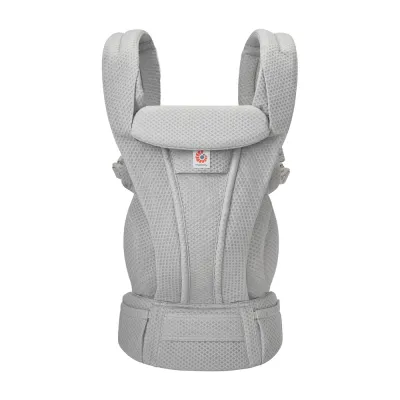
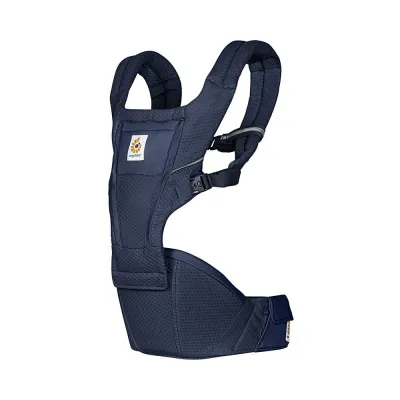
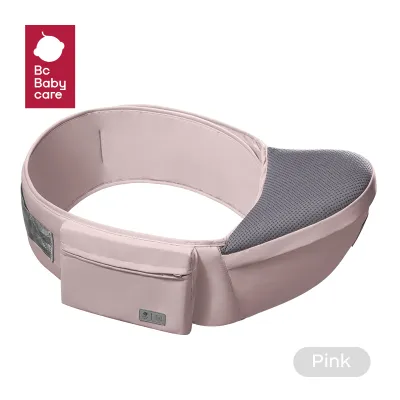
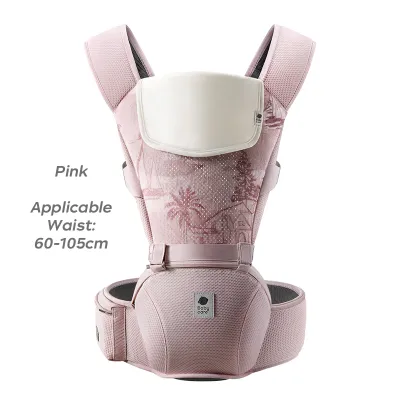
![[✅SG Ready Stock] Baby Carrier Infant Comfortable Breathable Multifunctional Sling Backpack Hip Seat Carrier Baby Carrier Sling 婴儿背带](https://img.lazcdn.com/g/p/d720ec7829ce8f1ccf59f71cb1a8ec5a.png_400x400q80.png_.webp)
![[SG READY STCOK]Baby Carrier 0 to 36 Months Infant Baby Sling Toddler Side-Sling Carrier Up to 20kg Ice silk baby scarf](https://img.lazcdn.com/g/p/0832fea66591b0720d1ac5912f00f99f.jpg_400x400q80.jpg_.webp)
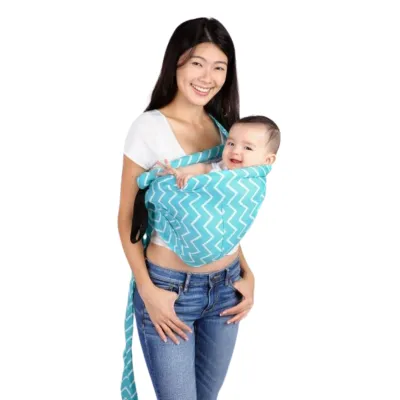

Prices are valid at publication and may change. Please refer to the product page for the latest price.
Equally important is the carrier’s ability to accommodate the natural “C-curve” of the infant spine. Newborns are born with a primary kyphotic curve, meaning their spine naturally curves outward like the letter C. A supportive carrier features a soft, flexible back panel that conforms to this natural curvature without forcing the baby’s back into a rigid, straight upright position. Forcing a young baby’s spine straight too early can place unnecessary pressure on the developing vertebrae and neck muscles.
Proper baby positioning also directly influences the wearer’s comfort. When a baby is held in a secure, high, and snug position—often described as “close enough to kiss”—their center of gravity aligns closely with yours. This alignment distributes the baby’s weight evenly across your hips, pelvis, and shoulders, preventing the lower back strain and shoulder fatigue that often occur with poorly designed carriers.
How to Verify Ergonomic Certifications and Brand Claims
Because any manufacturer can label their product as “ergonomic,” you must independently verify these claims before making a purchase. One of the most reliable ways to do this is to check if the carrier brand has been acknowledged by established medical and developmental organizations. For example, look for products that have been officially designated as “hip-healthy” by the International Hip Dysplasia Institute (IHDI). You can verify this by checking the official IHDI product registry or looking for their seal of acknowledgment on the brand’s official website and packaging.

Beyond third-party acknowledgments, always read the manufacturer’s labels and user manuals for strict age, weight, and developmental milestone limits. A carrier that is safe for a six-month-old may not provide the necessary head and neck support for a newborn. Look for clear instructions regarding when a baby can safely transition between different carrying positions, such as moving from inward-facing to outward-facing or back-carrying.
Inspect the physical product or its detailed specifications for adjustable seat widths and back panel heights. High-quality ergonomic brands avoid fixed-size seats, which are often too wide for newborns and too narrow for older infants. Instead, they feature built-in adjustment mechanisms—such as sliding tracks, velcro tabs, or snap buttons—that allow you to customize the seat width to match your baby’s changing knee-to-knee measurements as they grow.
Key Design Features to Compare Across Brands
When comparing different baby carrier brands, focusing on specific, observable design features will help you identify which model offers the best balance of support, comfort, and usability.
Adjustability Mechanisms Compare how different brands handle seat and panel adjustments. Some brands use internal velcro tabs along the waistbelt to narrow or widen the seat, which provides a highly customized fit but can be difficult to adjust while wearing the carrier. Other brands utilize external snap buttons or sliding buckle tracks that allow for quick, on-the-go adjustments. Ensure the adjustment system is intuitive and holds its position securely under the baby’s weight without slipping.
Wearer Comfort and Weight Distribution The design of the shoulder straps and waistbelt determines how comfortable the carrier will be during extended use. Look for brands that offer thick, high-density foam padding in the shoulder straps to prevent the fabric from digging into your collarbones. Some brands feature crossable shoulder straps (often referred to as an “X-back” configuration), which can distribute weight more evenly across your upper back compared to traditional parallel straps (“H-back”). Additionally, a wide, structured lumbar support pad on the waistbelt is highly beneficial for relieving lower back pressure.
Climate Adaptability In warm and humid climates like Singapore, heat retention is a major consideration for both the baby and the wearer. Carrying a baby generates significant body heat, which can lead to discomfort and skin rashes. Compare the fabric options offered by different brands. Look for carriers constructed with 3D breathable mesh panels, lightweight performance fabrics, or organic cotton blends that promote airflow. Avoid heavy, multi-layered synthetic fabrics that trap heat and moisture.
Carrying Positions and Ergonomic Viability A versatile carrier should maintain ergonomic alignment across all supported carrying positions. While inward-facing is the gold standard for newborns and young infants, many parents appreciate the option for outward-facing or back-carrying as their child grows. Compare how different brands transition between these modes. In an outward-facing position, the carrier must still support the baby’s thighs and prevent their legs from dangling straight down. If a brand’s outward-facing mode narrows the seat to the point where the baby’s legs hang vertically, it may not provide adequate ergonomic support for that specific position.
Decision Framework: Matching Carrier Designs to Your Needs
To narrow down your choices, consider how different carrier designs align with your baby’s age, your lifestyle, and your physical comfort requirements.
Choose Structured Carriers If: You plan to carry your baby for long periods, navigate outdoor environments, or continue carrying as your baby grows into a toddler. Structured carriers (often called soft-structured carriers or SSCs) feature robust waistbelts, padded shoulder straps, and secure buckle systems. They excel at distributing heavier loads and are ideal for active parents who need a durable, supportive option for daily errands or long walks. These models typically accommodate babies from infancy up to toddlerhood, though some may require a separate newborn insert.
Choose Soft-Structured or Wrap Hybrids If: You are looking for a carrier primarily for the newborn stage and prefer a snug, womb-like fit. Wrap hybrids and soft-structured fabric carriers combine the soft, conforming feel of a traditional wrap with the security of simple buckles or rings. They are highly flexible, lightweight, and easy to pack into a diaper bag. These designs are excellent for soothing newborns and facilitating skin-to-skin contact at home, though they may offer less lumbar support as your baby gets heavier.
Verify First If: Your baby was born prematurely, has a low birth weight, or has been diagnosed with hip dysplasia or other musculoskeletal concerns. In these situations, standard carrier guidelines may not apply. Always consult your pediatrician, a pediatric orthopedist, or a certified babywearing consultant before selecting or using a carrier to ensure the design is safe for your baby’s specific medical needs.
Safe Usage and Transitioning as Your Baby Grows
An ergonomic carrier is only effective if it is adjusted correctly to match your baby’s current developmental stage. As your baby grows, you must actively monitor their positioning and make necessary adjustments to the carrier’s structure.
Begin by performing regular visual checks. When placing your baby in the carrier, ensure the seat fabric extends fully from knee crease to knee crease. If the fabric stops mid-thigh, or if your baby’s knees begin to drop below their bottom, it is time to widen the seat adjustment. Similarly, the back panel should support your baby’s torso without covering their face or blocking their airway. For newborns, the panel should reach the base of the neck; for older babies with full head control, it can sit lower, around the shoulder blades.
Be alert to observable signs that the carrier is no longer providing adequate support. If you notice your baby’s legs dangling straight down, the fabric digging into their thighs or neck, or if you experience persistent shoulder or lower back pain during use, the carrier may need adjustment or your baby may have outgrown its physical limits.
Always respect the manufacturer’s stated weight and height limits. Once your baby exceeds the maximum weight capacity or their head extends past the top of the back panel without proper support, discontinue use immediately. Transitioning to a toddler-specific carrier or a different carrying method will ensure continued safety and comfort for both you and your child.
Frequently Asked Questions (FAQ)
Can a baby carrier cause hip dysplasia?
Baby carriers do not directly cause hip dysplasia, but a poorly designed carrier can worsen the condition in babies who are already predisposed to it or born with mild hip instability. If a carrier holds the baby’s legs in a straight, tightly bound position with the hips and knees extended, it forces the femoral head out of its natural socket. Using an ergonomic carrier that supports the wide M-shape position helps keep the hips in a secure, natural alignment, promoting healthy joint development. If you have concerns about your baby’s hip development, consult your pediatrician for a professional evaluation.
At what age can a baby face forward in a carrier?
A baby should only face forward in a carrier once they have achieved full, independent head and neck control, which typically occurs around five to six months of age. Additionally, the baby must be tall enough so that their chin completely clears the top of the carrier’s front panel to prevent airway obstruction. Many pediatricians and developmental experts recommend limiting forward-facing time to short intervals of 15 to 20 minutes. This helps prevent physical overstimulation from the environment and reduces the potential for spinal strain, as forward-facing positions can alter the baby’s center of gravity and place more pressure on their lower back.
Community discussion
Share your experience or ask a question. Comments are reviewed before publication.