
Choosing the right baby bed requires balancing rigorous structural safety with non-toxic material finishes, often referred to as the baby bed palette. Because specific brand certifications and material formulations change frequently, this guide provides a reliable framework to compare leading baby bed brands available in Singapore. Instead of relying on unverified marketing claims, you will learn how to evaluate verifiable safety standards, assess finish transparency, and apply conditional decision rules to select the safest option for your nursery.
In Singapore’s warm and humid climate, indoor air quality is a primary concern for parents. Many nurseries are set up in compact, air-conditioned rooms where ventilation can be limited, meaning any chemicals off-gassing from synthetic paints or adhesives can linger in the air. Understanding how to read safety labels and identify truly non-toxic finishes ensures you create a sleep environment that protects your baby’s developing respiratory system and overall health.
Key Safety Certifications to Verify Across Brands
When evaluating any baby bed, structural integrity must be your first checkpoint. Reputable brands must design their cribs to prevent accidental entrapment, falls, or structural collapse. To verify this, look closely at the product specification sheets rather than relying on promotional images. Slat spacing is a critical dimension; the gap between slats must be no wider than 6 centimeters (approximately 2.38 inches) to prevent a baby’s head or limbs from slipping through and becoming trapped.
Products mentioned in this guide
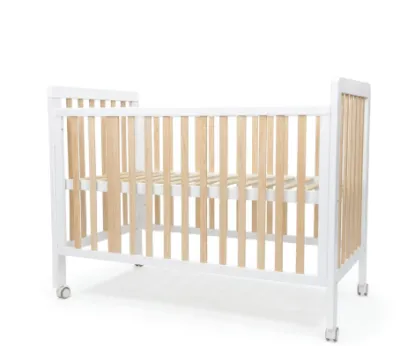
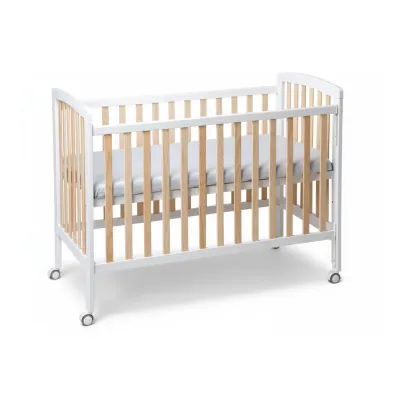
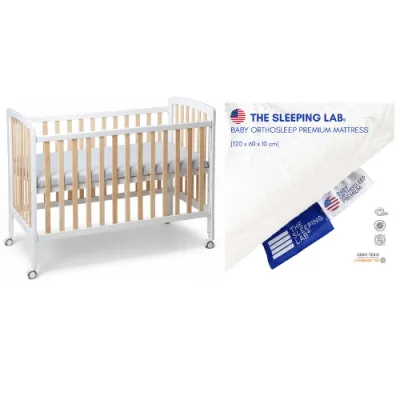
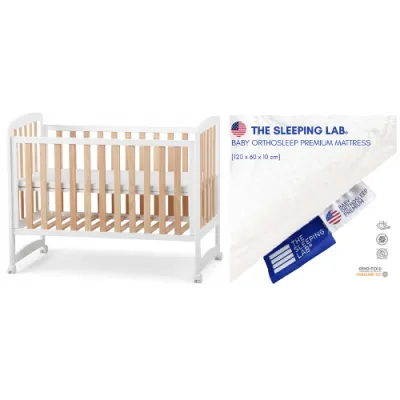
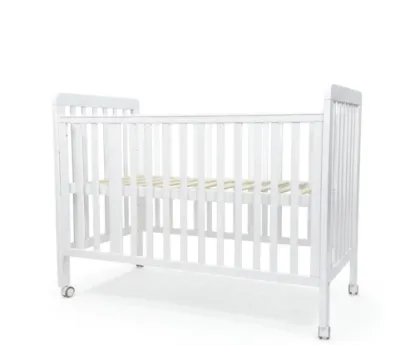
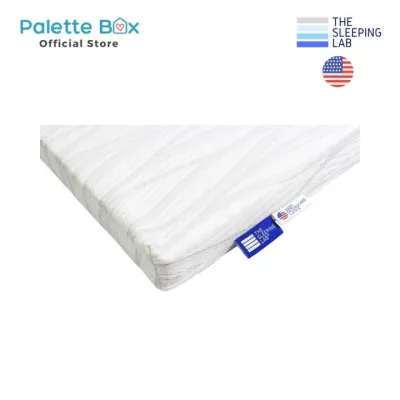
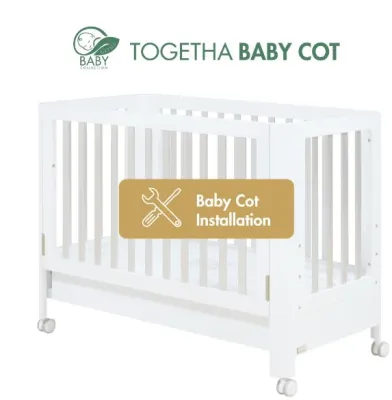
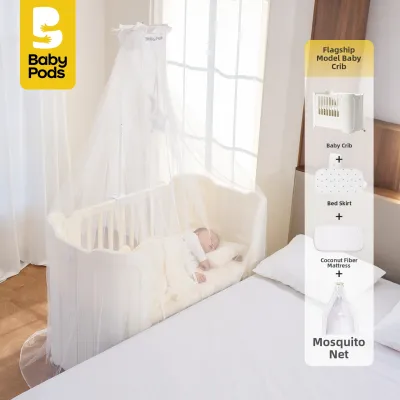
Prices are valid at publication and may change. Please refer to the product page for the latest price.
Another vital structural check is the mattress fit. A mattress that is too small for the crib frame leaves dangerous gaps. When the mattress is placed inside the crib, there should be no more than a two-finger gap (approximately 3 centimeters) between the edge of the mattress and the crib sides. Furthermore, modern safety standards have largely banned or heavily restricted drop-side mechanisms due to the risk of the moving side detaching and creating a hazardous space where a baby can suffocate. Ensure any model you consider features fixed sides or a highly secure, certified conversion system.
Material safety labels provide the necessary proof that a manufacturer has undergone independent testing. Look for explicit mentions of recognized international standards on official brand websites or physical product tags. Common standards include EN 716 (the European standard for children’s cots), ASTM F1169 (the United States standard for full-size baby cribs), and AS/NZS 2172 (the Australian and New Zealand standard). These certifications guarantee the bed has undergone rigorous mechanical testing for strength, stability, and impact resistance.
Be highly cautious of vague marketing language in product descriptions. Phrases such as “meets international safety standards” or “designed with safety in mind” without citing a specific testing framework or providing a downloadable certificate are major red flags. Reliable manufacturers make their compliance documentation easily accessible to consumers, allowing you to verify the exact testing body and the date of certification before making a purchase.
Evaluating Non-Toxic Finishes and the Baby Bed Palette
The term “baby bed palette” refers to the range of colors, stains, and protective coatings applied to a crib. Because teething babies frequently chew on the crib rails, the chemical composition of these finishes is just as important as the structural design. Finishes generally fall into three categories: water-based paints, low-VOC (volatile organic compounds) stains, and untreated natural wood. Each option has distinct implications for safety and nursery aesthetics.

Water-based paints use water as their primary carrier instead of chemical solvents, which drastically reduces the emission of harmful VOCs into your home. These paints allow manufacturers to offer a diverse baby bed palette, including popular nursery shades like soft whites, greys, and pastel tones. However, because water-based finishes can be more sensitive to moisture, you must verify that they are certified scratch-resistant and do not chip easily under normal wear and tear.
To verify “non-toxic” claims, look for specific third-party emissions and chemical certifications on the manufacturer’s detailed spec sheet. The Greenguard Gold certification is one of the most rigorous standards, ensuring the product has been tested for over 10,000 chemicals and maintains extremely low VOC emissions. Another crucial standard is EN 71-3 (the European toy safety standard), which specifically restricts the migration of heavy metals—such as lead, antimony, and arsenic—from dry paint or lacquer layers, ensuring the finish is safe even if a baby chews on the wood.
There are clear trade-offs between painted palettes and natural wood finishes. Painted options provide excellent design flexibility to match modern Singaporean home interiors, but they require strict verification of low-VOC and heavy-metal-free certifications. On the other hand, natural wood finishes limit your color choices to earthy, organic tones but often rely on simpler, food-grade oil seals (such as linseed oil or beeswax) or water-based clear coats. These natural alternatives carry a lower chemical risk by default, making them an excellent choice for parents prioritizing minimal chemical exposure.
Comparison Framework: How Leading Brands Approach Safety and Finishes
To navigate the diverse market in Singapore, it helps to categorize baby bed brands into three distinct tiers based on their design philosophies, material choices, and documentation standards. This framework allows you to assess what you are paying for and where you need to perform extra verification.
Premium brands typically position themselves around maximum safety transparency and high-end materials. These manufacturers often use solid hardwoods, such as sustainably sourced beech, oak, or birch, which are naturally denser and more durable than softwoods. They frequently provide downloadable Greenguard Gold and EN 71-3 certificates directly on their product pages. When shopping in this tier, do not rely solely on the brand’s premium reputation; always verify that the specific model and color variant you are purchasing carry the active certifications, as different finishes within the same brand line can have different chemical profiles.
Mid-range brands often strike a balance between natural wood options and standard safety compliance. These cribs are commonly constructed from solid softwoods like New Zealand pine, which is lightweight but more prone to denting. While mid-range brands usually meet standard structural safety requirements, they may not always pay for expensive third-party emissions testing like Greenguard Gold. For these brands, it is essential to check if their painted color options carry the same non-toxic guarantees as their natural wood counterparts, as some painted models may use standard lacquers that require longer airing-out periods.
Budget or flat-pack brands, frequently found on online marketplaces, typically focus on affordability and basic structural compliance. These beds often incorporate engineered woods like MDF (medium-density fiberboard) or particleboard, which rely on adhesives that can emit formaldehyde if not properly sealed. The finishes are often laminates or basic synthetic veneers. If you choose a budget option, you must perform a strict physical inspection upon assembly, checking for strong chemical odors, rough edge sealing, and loose or poorly machined hardware.
| Brand/Product Tier | Typical Finish Palette | Expected Safety Documentation | Key Verification Steps for Parents |
|---|---|---|---|
| Premium | Wide range of water-based pastel, white, and natural wood tones | Greenguard Gold, EN 71-3, and EN 716 certificates downloadable on the official site | Download the specific model's certificate; verify the wood source is solid hardwood. |
| Mid-Range | Standard white, grey, and natural pine finishes | Basic EN or ASTM compliance sheets available upon customer service request | Confirm if the painted models use the same non-toxic finishes as the natural wood models. |
| Budget / Flat-Pack | Limited laminate colors or basic clear-coated pine | General compliance statements on packaging; individual certificates rarely public | Inspect physical joints for glue residue; check for strong chemical odors; verify slat spacing manually. |
Decision Guide: Choosing the Right Baby Bed for Your Nursery
Selecting the right baby bed comes down to aligning your aesthetic preferences, budget, and safety priorities into a clear decision path. If your nursery design requires a specific color scheme, such as a clean white or a soft pastel, choose a premium painted palette. Before buying, navigate to the product’s specification page and confirm that the model carries a certified low-VOC or EN 71-3 rating to ensure the paint is safe for a teething infant.
If your primary goal is to minimize chemical exposure and you prefer a minimalist, organic look, choose a natural wood finish. Look for solid wood cribs sealed with food-grade oils or water-based clear coats. While this limits your baby bed palette to natural timber tones, it provides peace of mind without requiring you to decipher complex chemical emission reports.
Before adding any baby bed to your cart, verify that the manufacturer provides accessible, downloadable safety manuals and material spec sheets. A reputable brand will clearly outline assembly instructions, weight limits, and maintenance guidelines. Having access to these documents beforehand allows you to verify that the bed fits your nursery space and matches your assembly capabilities.
Always prioritize safety over aesthetics or cost. If a product lacks clear slat-spacing dimensions, hardware instructions, or a detailed finish ingredient list, stop and consult the manufacturer. If they cannot provide verifiable proof of safety compliance, seek an alternative brand. If you ever observe structural instability, loose joints, or peeling paint during use, stop using the crib immediately and contact a qualified professional or the manufacturer for replacement parts.
Frequently Asked Questions (FAQ)
How can I test if a baby bed finish is truly non-toxic at home?
There are no reliable home chemical test kits that can accurately measure VOC emissions or identify specific heavy metals in cured paint without damaging the crib. Instead, you should rely on observable physical checks. When you first unbox the baby bed, conduct an initial odor check in a well-ventilated room. A strong, sweet, or chemical smell indicates that the finish is still off-gassing; you should let the assembled bed air out in an unoccupied, well-ventilated space until the odor completely dissipates. Additionally, closely inspect the wood and paint for any peeling, bubbling, or chipping, especially along the top rails. Always follow the manufacturer’s recommended cure-time or airing-out instructions before allowing your baby to sleep in the bed.
Are second-hand baby beds safe regarding structural integrity and finishes?
Using a pre-owned baby bed carries significant safety risks that require careful inspection. First, search international and local consumer safety databases using the exact brand and model number to check for any active product recalls. Inspect the hardware thoroughly for wear, cross-threaded screws, or missing structural brackets; never substitute original hardware with generic screws from a DIY store, as they may not bear the structural load correctly. Finally, assess the condition of the finish. Older cribs may have been coated with paints that do not meet modern low-VOC or non-toxic standards, and older paint layers can degrade, flake, or powder over time. If a previous owner has repainted the crib, it is safest to avoid it unless they can provide verifiable proof of the exact non-toxic paint brand used.
Community discussion
Share your experience or ask a question. Comments are reviewed before publication.