
Finding a pregnancy belly support garment that remains comfortable from morning to evening requires balancing adequate lift with breathable, non-restrictive materials. Because individual body shapes, pregnancy stages, and sensitivity levels vary greatly, a single product rarely suits everyone. To find a garment you can wear comfortably for extended periods, you must evaluate specific material compositions, understand the functional differences between support types, and establish a systematic fitting routine.
In warm and humid climates, such as Singapore’s tropical weather, managing heat retention and skin irritation is just as critical as finding the right level of physical support. This guide provides a structured framework to evaluate design features, match support types to your daily routine, and build a reliable shortlist of options from reputable maternity wear brands, ensuring you make an informed choice for extended daily use.
Key Features That Define All-Day Comfort
High humidity and warmth mean sweat accumulation can quickly lead to chafing, heat rash, or general discomfort. When evaluating fabric composition, look for breathable, moisture-wicking blends such as bamboo viscose, modal, or high-performance microfibers mixed with elastane. Bamboo viscose is particularly valued for its soft texture and natural breathability, making it gentle on sensitive skin. Avoid heavy, purely synthetic fabrics that trap heat and moisture against your abdomen.
Products mentioned in this guide
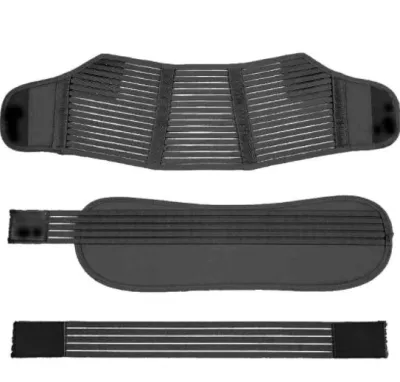
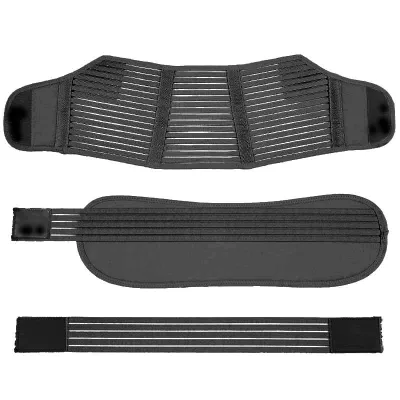
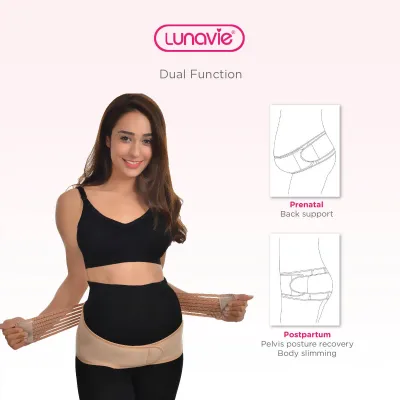
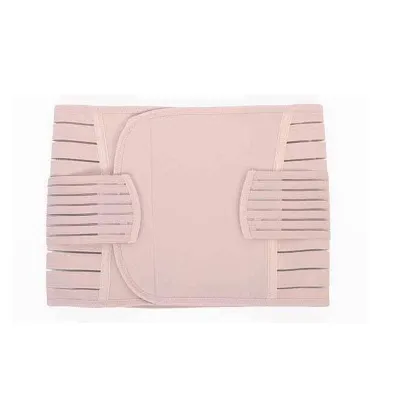
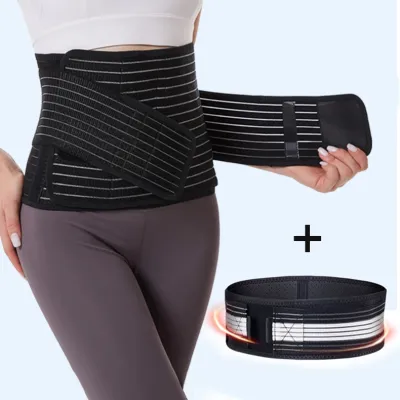
Prices are valid at publication and may change. Please refer to the product page for the latest price.
A common complaint with belly bands is that they roll up from the bottom or slide down from the top during movement. Look for garments featuring anti-roll silicone grips along the inner hems or those with wide, bonded edges. Seamless knitting technology allows the edges to lie flat against your skin, distributing pressure evenly and preventing the band from digging into your ribs or hips as you transition between sitting and standing.
Consider how the band secures and adjusts throughout the day. Hook-and-loop closures offer highly customizable compression, allowing you to tighten or loosen the band as your belly grows or as your comfort needs change. However, these closures can sometimes feel stiff or scratchy if not aligned perfectly. On the other hand, pull-on stretch fabrics provide consistent, gentle support without any hard fasteners, making them comfortable for sitting but less adjustable for targeted lower back relief.
Friction is the enemy of all-day wear. Traditional raised seams can rub against your skin, leaving red marks and causing irritation after several hours of wear. Prioritize flatlock seams or entirely seamless designs. These constructions minimize chafing and ensure the support garment remains virtually invisible under fitted workwear or casual clothing, allowing you to maintain a smooth silhouette without irritation.
Types of Belly Support and Their Primary Use Cases
Pull-on belly bands, often referred to as support tubes, are simple, highly elastic fabric bands designed to slip over your abdomen. They are ideal for early pregnancy when your bump is just starting to show and you need light, non-restrictive coverage. A major practical benefit of pull-on bands is their ability to bridge the gap in your wardrobe; they can hold up unbuttoned pre-pregnancy pants or skirts, saving you from transitioning to full maternity wear too early. Because they offer gentle, all-over compression rather than heavy structural lift, they are exceptionally comfortable for long periods of sitting at a desk.

As you enter the second and third trimesters, the weight of your growing baby can place significant strain on your lower back and pelvis. Adjustable wrap belts feature structured, non-stretch panels combined with elastic tension straps that wrap under your belly to provide a physical lift. This design mimics the natural support of your abdominal muscles, helping to redistribute weight and alleviate lower back pressure. These belts are highly suited for active periods, such as running errands, walking, or standing for extended durations, though they may need to be loosened when you sit down.
For a fully integrated solution, support maternity briefs and leggings feature built-in compression zones woven directly into the fabric. These garments eliminate the need for a separate band, combining your everyday underwear or activewear with targeted abdominal and lumbar support. They are highly suitable for seamless all-day wear under professional office attire or during prenatal exercise. When choosing these, look for styles that offer graduated compression—firmer support under the belly and lighter, highly stretchable fabric over the top of the bump to avoid restricting growth.
How to Build Your Shortlist of Reputable Brands
Maternity sizing can be confusing, and relying on your pre-pregnancy size is a common pitfall. Your body expands in multiple dimensions during pregnancy, including your ribcage and hips. To find a comfortable fit, take current measurements of your under-bust, the fullest part of your belly, and your hips using a soft measuring tape. Cross-reference these figures with the specific manufacturer’s size chart for each product. If you fall between sizes, many brands recommend sizing up to accommodate future growth and prevent the band from feeling too restrictive.
Skin sensitivity often increases during pregnancy due to hormonal changes. It is essential to check product descriptions and labels for material safety indicators. Look for brands that explicitly state their products are latex-free to avoid allergic reactions. Certifications such as OEKO-TEX Standard 100 indicate that the fabric has been tested for harmful substances, providing peace of mind for direct skin contact. If a brand does not disclose its material composition clearly, treat it as a signal to look elsewhere.
Because comfort is highly subjective and depends on your unique body shape, you may need to try on a few different styles before finding the perfect match. Before purchasing from online marketplaces or specialized maternity boutiques, carefully verify their return and exchange policies. Many retailers classify belly bands and support underwear as intimate apparel, which may restrict returns once the packaging is opened. Look for retailers that offer flexible exchanges for sizing issues or clear guidelines on how to try the product on over undergarments safely.
When browsing customer reviews on online platforms, look past simple star ratings and search for specific keywords related to long-term wear. Search for terms like “all-day wear,” “rolling down,” “heat retention,” and “velcro scratching.” Pay close attention to feedback from buyers who share a similar body type or are in the same trimester as you. If multiple reviews mention that a band loses its elasticity after a few washes or causes excessive sweating in warm weather, it may not be suitable for your daily routine.
Fitting, Adjusting, and Safety Checks
When putting on your belly support band, the goal is to achieve a gentle, upward lift rather than tight compression. The band should support the weight of your abdomen without pressing flat against your belly. You should be able to slide two fingers easily between the band and your skin. Ensure that the garment does not restrict your breathing, interfere with digestion, or limit natural fetal movement. If you feel any shortness of breath or pressure on your stomach, loosen the band immediately.
While a support band can provide immense relief, it is not designed for continuous, twenty-four-hour wear. Most manufacturers and healthcare professionals recommend limiting use to a few hours at a time, or during specific physical activities, to prevent your core muscles from relying too heavily on the external support. Plan scheduled breaks throughout the day—such as when you are sitting down for lunch or resting at home—to remove the band and allow your skin to breathe and recover.
Your body will give you clear signals if a support garment is fitted incorrectly or worn for too long. Remove the band immediately if you experience numbness, tingling, or a “pins and needles” sensation in your legs or pelvic area, as this indicates restricted circulation or nerve pressure. Other warning signs include deep skin indentations that persist after removal, localized skin redness, itching, or an sudden increase in pelvic or lower back pain.
Over-the-counter belly bands are excellent tools for managing mild, everyday pregnancy discomfort. However, they are not a cure for underlying clinical conditions. If you are experiencing severe pelvic girdle pain, symphysis pubis dysfunction, or persistent lower back pain, stop using standard support wear and consult your obstetrician or a qualified prenatal physiotherapist. They can provide a proper diagnosis and may recommend specialized medical-grade orthotic supports or targeted exercises.
Frequently Asked Questions (FAQ)
Can I wear a belly support band while sleeping?
Generally, manufacturers advise against wearing structured belly support bands or adjustable wrap belts while sleeping. When you are lying down, the gravitational pull on your abdomen changes, reducing the need for upward lift, and wearing a tight band can restrict circulation or cause overheating during the night. If you experience discomfort or pelvic pain while resting, alternative sleep-support options such as ergonomic pregnancy pillows, wedge pillows, or specially designed light maternity sleep briefs are much safer and more comfortable choices for nighttime use.
How do I wash and maintain the elasticity of the band?
To preserve the elasticity and structural integrity of your support band, always follow the manufacturer’s care label instructions. As a general rule, wash the band in cold water using a mild, gentle detergent, and place it inside a mesh laundry bag to prevent the fabric from stretching or snagging on other garments. If your band features hook-and-loop fasteners, make sure to fasten them securely before washing to protect the delicate elastic fibers. Always air-dry the band flat or hang it up; avoid using a tumble dryer, as high heat can rapidly degrade elastane, spandex, and silicone grip strips.
Will wearing a support band weaken my core muscles?
Using a belly support band as a temporary aid during active hours will not cause muscle atrophy, but relying on it constantly can lead to muscle dependency. Support bands are designed to manage symptoms and provide temporary mechanical relief, not to replace the natural stabilizing function of your core and pelvic floor muscles. To maintain your physical strength, combine the use of support wear with gentle, prenatal core-strengthening exercises approved by your healthcare provider, and ensure you take regular breaks from wearing the band throughout the day.
Community discussion
Share your experience or ask a question. Comments are reviewed before publication.