
To find the most comfortable maternity tummy wrap for Singapore’s hot and humid climate, you must prioritize maximum breathability, lightweight construction, and adjustable support. Brands that offer targeted mesh panels or seamless, ultra-thin nylon-spandex blends provide the best balance of relief and comfort during long, humid days. Selecting the right wrap involves understanding how different fabrics interact with tropical conditions and matching the structural features of the garment to your daily routine.
Singapore’s daily reality involves transitioning between intense outdoor humidity and heavily air-conditioned indoor spaces like offices, shopping malls, and MRT trains. This constant temperature fluctuation makes sweat management critical. A poorly designed wrap can trap heat, leading to friction, itching, and skin irritation. By focusing on material science and ergonomic design, you can find a tummy wrap that keeps you cool, dry, and supported throughout your pregnancy.
Why Fabric and Design Matter in Singapore's Climate
Singapore’s tropical climate, characterized by relative humidity levels that frequently exceed 80%, presents a unique challenge for maternity wear. When you wear a supportive garment like a tummy wrap, it sits flush against your skin, trapping your body’s natural heat and perspiration. Without adequate ventilation, this microclimate quickly becomes a breeding ground for bacteria and yeast, increasing the risk of heat rash (miliaria) or contact dermatitis.
Products mentioned in this guide
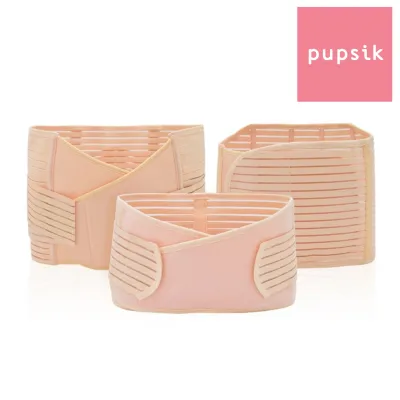
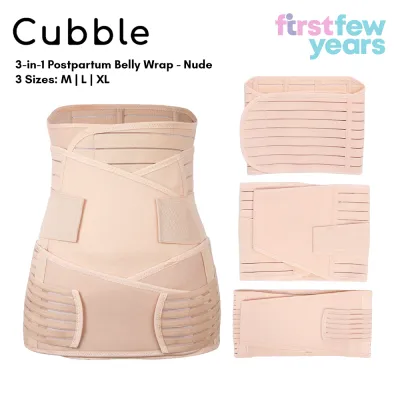
![[SG Stock] Postpartum Belly Wrap Belly Shrink Abdominal Belt Waist Girdle Shaping After C-section and Natural Birth](https://img.lazcdn.com/g/p/3644ab55af001075d9ec5bb10bc45a9d.jpg_400x400q80.jpg_.webp)
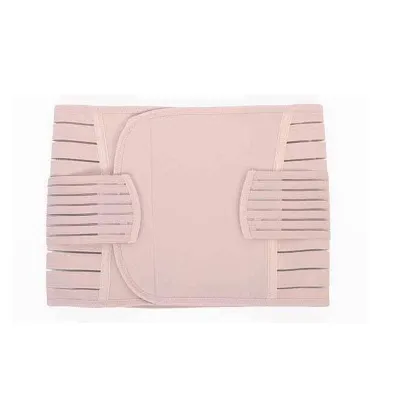
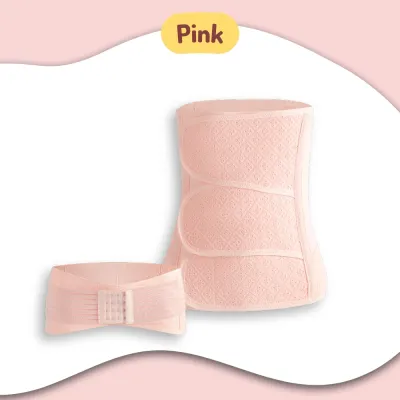
Prices are valid at publication and may change. Please refer to the product page for the latest price.
To combat this, the material composition of your tummy wrap is the single most important factor. Moisture-wicking fabrics are engineered to pull sweat away from your skin to the outer surface of the garment, where it can evaporate quickly. Look for advanced synthetic blends like nylon and elastane (spandex) that incorporate open-weave structures or breathable mesh panels. These panels act as miniature vents, allowing air to circulate freely around your lower back and abdomen.
Conversely, you should avoid thick, heavy, or non-porous synthetic materials. Standard polyester blends or heavy neoprene, while highly supportive, do not allow the skin to breathe. They trap moisture against your body, leading to intense friction and chafing as you move.
The weight and weave of the fabric also dictate how the wrap distributes pressure. A lightweight, high-gauge knit can offer surprising tensile strength and compression without adding unnecessary bulk. By selecting a wrap with a porous, lightweight weave, you ensure that the garment provides the necessary physical support for your growing bump while keeping your skin cool and dry.
Essential Features for All-Day Belly Support
Achieving all-day comfort requires a delicate balance between structural support and physical freedom. Your body changes continuously throughout the day, influenced by your posture, activity level, and standard pregnancy bloating. Therefore, a supportive tummy wrap must be highly adaptable.

Adjustable closures, typically featuring wide hook-and-loop fasteners, offer the highest degree of customization. They allow you to loosen the wrap when sitting down for a meal or tighten it when embarking on a walk. However, the quality of these fasteners is crucial; they should be wide enough to distribute pressure evenly without curling or digging into your skin. Pull-on styles, on the other hand, offer a smooth, uninterrupted silhouette under clothing but lack the ability to provide targeted, adjustable compression as your bump grows.
Seamless edges and bonded hems are essential design features for preventing localized skin irritation. Standard stitched seams can create high-friction points, especially along the sensitive skin of your lower ribs, hips, and pubic bone. When you sit or bend, these seams can press deeply into your skin, leaving painful red indentations. Seamless construction ensures that the wrap transitions smoothly against your body, minimizing friction and allowing the garment to disappear under your daily wear.
Effective weight distribution is another hallmark of a well-designed tummy wrap. The primary goal of a support garment is to alleviate pressure on your lower back and pelvic floor. To achieve this without causing localized discomfort, the wrap should feature a wider back panel that distributes the baby’s weight across a larger surface area. Ergonomic shaping—such as a curved front panel that cradles the underside of your bump—helps lift the abdomen naturally, reducing the strain on your lower back muscles without restricting your natural movement.
Finally, look for flexible sizing options. A wrap that fits perfectly in your second trimester may become uncomfortably tight in your third. Choosing a brand that offers multi-way stretch or adjustable panels ensures that the garment adapts to your changing shape, protecting your investment and guaranteeing comfort throughout your entire pregnancy journey.
Maternity Tummy Wrap Brands to Consider for Breathable Support
When searching for the ideal tummy wrap in Singapore, evaluating brands based on their material innovation and structural design is key. The right choice depends on your daily schedule, whether you spend your time in air-conditioned offices, active outdoor environments, or lounging at home.
While many brands claim to offer “cooling” or “all-day” comfort, it is essential to look closely at their construction methods and fabric blends. Individual body shapes and skin sensitivities vary greatly, meaning a wrap that works perfectly for one mother may cause discomfort for another. Always check the specific manufacturer product labels and care instructions to verify the exact material composition before making a purchase.
Brands Specializing in Breathable Mesh and Cooling Fabrics
Brands that specialize in active or orthopedic maternity support often utilize advanced, perforated mesh fabrics. These wraps are engineered specifically for maximum air permeability, making them highly suitable for Singapore’s outdoor humidity. The design typically features a solid, supportive back panel paired with highly breathable, mesh-like side and front bands. These targeted ventilation zones allow heat to escape rapidly from the areas most prone to sweating, such as the lower back and under the belly.
These wraps are highly recommended for days when you expect to be active, such as running errands, walking in the park, or commuting via public transit. The structured nature of mesh wraps provides excellent pelvic and lower back stability, helping to manage the physical strain of a heavy bump during prolonged standing.
However, these high-support styles do have limitations. The hook-and-loop fasteners used to secure them can be abrasive if they come into direct contact with your skin or delicate clothing. Additionally, frequent washing can cause the hook-and-loop mechanisms to collect lint or lose their grip over time. The edges of rigid mesh panels can also cause friction or chafing if the wrap is not sized correctly or if it is pulled too tight. Always verify the exact material blend on the product tag, as genuine cooling properties rely on specific technical weaves or moisture-wicking treatments rather than simple synthetic fibers.
Brands Focused on Seamless and Lightweight Everyday Wear
For mothers who prioritize a smooth silhouette and a soft feel against the skin, brands focusing on seamless, lightweight everyday wear are an excellent choice. These wraps are typically designed as continuous, pull-on elastic bands made from buttery-soft nylon-spandex blends. They lack bulky fasteners, straps, or rigid panels, allowing them to sit completely flat under fitted maternity dresses, office wear, or casual clothing.
These lightweight bands are ideal for everyday wear in air-conditioned environments, such as offices or shopping malls, where intense physical support is less critical than continuous, gentle comfort. They are also highly favored for relaxing at home or during the early stages of pregnancy when you simply need a little extra warmth and light support to hold up your regular pants.
The primary trade-off with these seamless styles is their support capacity. Because they rely on the natural elasticity of the fabric rather than structured straps or rigid panels, they offer lighter, more generalized compression. They may not provide sufficient relief if you are experiencing severe pelvic girdle pain or require heavy, targeted lifting for a large bump. Furthermore, it is important to check the elasticity retention of the fabric. Over time and with frequent wear, lightweight elastic blends can stretch out and lose their supportive shape, especially if they are subjected to high heat during washing or drying.
Quick Comparison: Mesh vs. Seamless Tummy Wraps
To help you determine which style aligns best with your daily routine and support requirements, the following comparison highlights the fundamental differences between breathable mesh wraps and seamless lightweight wraps based on general design principles.
| Feature | Breathable Mesh Wraps | Seamless Lightweight Wraps |
|---|---|---|
| Breathability | High; features targeted ventilation zones and perforated panels | Moderate; stretchy fabric allows some airflow, but lacks open mesh |
| Support Level | High; provides targeted, structured lift for the lower back and pelvis | Light to Moderate; offers gentle, generalized abdominal compression |
| Ease of Use | Highly adjustable with fasteners, but can be bulky under tight clothing | Easy pull-on style; completely seamless and invisible under outfits |
| Best Scenarios | Outdoor commuting, walking, active errands, and heavy third-trimester support | Office environments, lounging at home, and light everyday layering |
| Potential Drawbacks | Fasteners can snag clothes; rigid edges may chafe if improperly fitted | May stretch out over time; insufficient support for severe back pain |
By evaluating these design characteristics against your personal lifestyle and daily environment, you can select the style that keeps you comfortable and supported throughout your pregnancy.
Safe Usage and Care Tips for Humid Conditions
Wearing a tummy wrap in Singapore’s humid climate requires diligent hygiene and care to protect both your skin and the longevity of the garment. Sweat and friction can quickly lead to skin irritation if proper precautions are not taken.
One of the most effective ways to prevent chafing is to wear a thin, breathable layer of clothing underneath your tummy wrap. A lightweight, 100% cotton maternity camisole acts as a protective barrier, absorbing excess sweat and preventing the synthetic fibers of the wrap from rubbing directly against your skin. This simple step can significantly reduce the risk of heat rash and friction burns.
Additionally, you should manage your wear time carefully. Avoid wearing a supportive tummy wrap continuously for more than three to four hours at a time. Your core muscles need opportunities to engage naturally, and your skin needs regular breaks to breathe and dry out. If you are sitting at a desk for an extended period, consider loosening the fasteners or removing the wrap entirely to promote circulation and comfort.
Proper maintenance is crucial for keeping the wrap hygienic and preserving its elastic properties. Because you will likely sweat while wearing it, wash the wrap frequently using a mild, hypoallergenic detergent. Avoid using fabric softeners, as they leave a chemical coating on the fabric fibers that clogs the pores of moisture-wicking and mesh materials, permanently reducing their breathability.
When drying the garment, always refer to the manufacturer’s care label. Air-drying the wrap flat in a shaded, well-ventilated area is generally the safest method. Avoid placing the wrap in a hot dryer or exposing it to direct, intense sunlight, as extreme heat can degrade the elastic fibers and cause the wrap to lose its supportive tension.
When to Adjust or Stop Using Your Tummy Wrap
While a tummy wrap can provide immense relief, it must be used with safety in mind. A support garment should never feel restrictive or painful. It is designed to gently cradle and support your bump, not compress your abdomen or restrict your natural movements.
Pay close attention to physical warning signs that indicate your wrap is too tight or positioned incorrectly. If you experience shortness of breath, digestive discomfort, acid reflux, or a feeling of restriction when breathing deeply, the wrap is likely too tight and must be loosened immediately. Other warning signs include numbness, tingling, or a “pins and needles” sensation in your legs or pelvic area, which suggests that the wrap is compressing local nerves or blood vessels. If the wrap leaves deep, red indentations on your skin that do not fade quickly after removal, it is a clear sign that you need to adjust the tension or switch to a larger size.
A tummy wrap should never cause pelvic pain or trigger uterine contractions. If you feel any sharp pain, unusual pressure in your pelvis, or cramping while wearing the wrap, remove it immediately.
It is vital to remember that maternity support garments are designed for comfort and are not a substitute for professional medical care. If you are experiencing severe lower back pain, pelvic girdle pain, symphysis pubis dysfunction (SPD), or any unusual symptoms such as spotting, do not rely on a tummy wrap to manage the issue. Stop using the garment and consult your OB-GYN or a specialized women’s health physiotherapist for a comprehensive assessment and targeted treatment plan. Always follow the manufacturer’s specific guidelines regarding trimester limits, postpartum recovery timelines, and correct positioning to ensure a safe and comfortable experience.
Frequently Asked Questions (FAQ)
What is the difference between a tummy wrap and a maternity support belt?
A tummy wrap (often referred to as a belly band) is typically a wide, stretchy fabric band that covers the entire abdomen. It provides gentle, generalized compression, helps hold up non-maternity pants, and offers light support suitable for everyday wear. In contrast, a maternity support belt is a more structured, medical-grade device. It usually features narrower, adjustable elastic straps, rigid or semi-rigid back panels, and targeted lifting mechanisms. These belts are designed specifically to redistribute the weight of the baby, relieving severe strain on the lower back, hips, and pelvic floor during physical activity.
Can I wear a maternity tummy wrap while sleeping?
Generally, it is not recommended to wear a structured or tight maternity tummy wrap while sleeping. When you lie down, the gravitational pull on your baby bump changes, and the physical need for vertical support is eliminated. Wearing a compression garment overnight can restrict your blood circulation, limit your breathing, and cause unnecessary skin irritation due to trapped sweat. If you require abdominal support at night due to a specific medical condition, you must consult your doctor or physiotherapist. If they recommend a soft, non-restrictive sleep band, ensure you follow their exact instructions and monitor your skin closely for signs of overheating or irritation.
Community discussion
Share your experience or ask a question. Comments are reviewed before publication.