
Quick Answer: Are Cloversoft Wet Wipes Safe for Babies?
When caring for a baby’s delicate skin, choosing the right diapering products is a primary concern for parents. While many baby wipes are formulated to be gentle and skin-friendly, infant skin sensitivity varies significantly from one child to another. Determining whether Cloversoft wet wipes are safe for your baby requires looking beyond the brand name and examining the specific ingredient list printed on the packaging.
The popular Cloversoft wet wipes 100-sheet packs, like many other options on the market, are designed for daily hygiene. However, “safe” is not an absolute label that applies universally to every infant. A wipe that works perfectly for one baby might cause redness or irritation in another with a highly sensitive skin barrier or pre-existing eczema.
To make an informed decision, you must check the physical packaging for potential irritants such as denatured alcohol, synthetic fragrances, or harsh preservatives. Safety is ultimately determined by your baby’s individual skin tolerance, the absence of known allergens on the label, and proper usage practices rather than marketing claims alone.
Products mentioned in this guide
![[10-packs] Cloversoft 100% Antibacterial Unbleached Bamboo Organic Wet Wipes (15/40 sheets)](https://img.lazcdn.com/g/p/fc763d37876da03360287639ebaff23a.jpg_400x400q80.jpg_.webp)
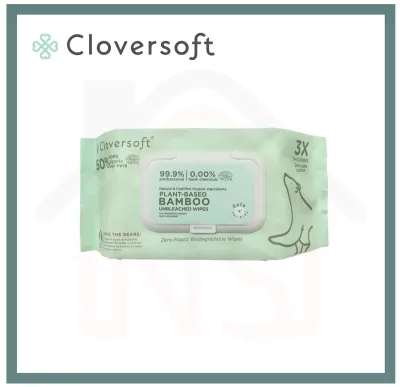
![[Single Product Bundle] Cloversoft Plant-Based Unbleached Bamboo 99.9% Antibacterial Organic Wet Wipes 8/15/40/100 Sheets](https://img.lazcdn.com/g/p/68fd9095f1ff95b7afb04b932eee0b46.png_400x400q80.png_.webp)
![[Cloversoft Official] Carton Deal Unbleached Bamboo Wet Wipes [15|40|100 Sheets]](https://img.lazcdn.com/g/p/ebc43f54f39c8d3cce25b63d44427dac.png_400x400q80.png_.webp)
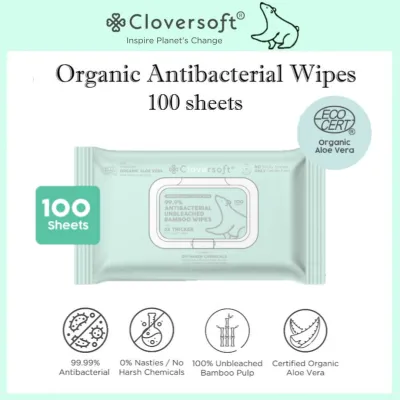
Prices are valid at publication and may change. Please refer to the product page for the latest price.
How to Read and Verify the Cloversoft Wet Wipes 100 Ingredient List
Understanding what goes onto your baby’s skin starts with reading the product label correctly. When you purchase a pack of Cloversoft wet wipes 100, the first step is to locate the ingredient list, which is typically printed on the back or side of the plastic packaging.

In Singapore, cosmetic and personal care products must adhere to consumer safety guidelines that require ingredients to be listed in order of concentration. This means the ingredient present in the highest amount—usually water—is listed first, while the preservatives and active botanical extracts present in the smallest amounts are listed at the very end. If you see beneficial extracts listed near the bottom, they are present in very small quantities.
It is important to remember that manufacturers occasionally update their product formulations to improve performance, shelf life, or compliance with safety standards. A formulation you purchased a year ago might not have the exact same ingredients as a pack bought today. Therefore, you should always verify the physical label of the specific batch you have in hand rather than relying on outdated reviews.
To ensure you have the most up-to-date and accurate information, consider cross-referencing the physical packaging list with the official brand website or authorized local retailers in Singapore. If you notice discrepancies between online descriptions and your physical pack, rely on the physical label as it represents the exact formulation of the batch you purchased. Checking the batch number and manufacturing date on the seal can also help you verify if you have the latest version.
Common Baby Wipe Ingredients: What to Look For and What to Avoid
Evaluating baby wipes requires a basic understanding of what typical formulations contain. Most baby wipes are composed of a non-woven fabric saturated with a liquid solution designed to cleanse, moisturize, and preserve the product. Comparing these ingredients against general pediatric dermatology guidelines helps you identify which components are beneficial and which ones warrant caution.
Generally Recognized Safe and Gentle Ingredients
The liquid solution in high-quality baby wipes is primarily made of purified water. Water serves as the carrier for all other ingredients and provides the necessary moisture to lift away dirt and organic residue without causing mechanical friction. A high water content is essential for maintaining the skin’s natural balance during cleansing.
In addition to water, gentle wipes often include mild, plant-derived surfactants. Surfactants are cleansing agents that help break down oils and organic residue on the skin. Common gentle options include decyl glucoside and coco-glucoside, which cleanse effectively without stripping the skin’s natural lipid barrier or causing dryness.
Humectants and skin-conditioning agents are also frequently added to prevent dryness. Ingredients like glycerin, aloe vera (Aloe barbadensis leaf juice), and chamomile extract help attract and lock moisture into the skin. These botanical and organic humectants soothe the skin barrier, reducing the risk of friction-induced diaper rash, which is particularly common in Singapore’s warm, humid climate.
Ingredients to Watch Out For or Avoid
While many ingredients are designed to soothe, others can act as potential allergens or irritants, especially on compromised skin. Denatured alcohol or ethanol should be avoided in baby wipes. Alcohol is highly drying and can disrupt the lipid barrier of infant skin, leading to painful cracking and increased susceptibility to infections.
Synthetic fragrances are another major trigger for contact dermatitis. While a pleasant scent might appeal to parents, fragrances serve no functional purpose in cleaning and are among the most common causes of allergic skin reactions in infants. Look for “fragrance-free” or “unscented” labels, but always verify the ingredient list to ensure no masking fragrances are present.
Preservatives are necessary in wet wipes to prevent the growth of harmful bacteria, mold, and yeast in a moist environment. However, some preservatives are highly controversial. Parents should check labels for parabens, methylisothiazolinone (MIT), and phenoxyethanol. While some regulatory bodies permit low concentrations of phenoxyethanol, it can still cause localized irritation in newborns or babies with eczema. If your baby has highly reactive skin, identifying and avoiding these specific compounds can prevent chronic diaper rash.
Evaluating "Hypoallergenic" and "Dermatologically Tested" Claims
When browsing the baby care aisle in Singapore supermarkets, you will encounter various marketing claims on wet wipe packaging. Phrases like “hypoallergenic,” “dermatologically tested,” and “99.9% pure water” are frequently highlighted to build consumer trust. However, parents must understand the regulatory limitations of these terms.
The term “hypoallergenic” is not a strictly regulated medical guarantee. It simply indicates that the manufacturer has formulated the product to minimize the likelihood of causing an allergic reaction by omitting common allergens like specific synthetic dyes or strong perfumes. It does not mean the product is guaranteed to cause zero reactions in all babies, as individual sensitivities vary.
Similarly, “dermatologically tested” means the product was tested on human skin under the supervision of a dermatologist. It does not automatically mean the test was conducted on infant skin, which is significantly thinner and more permeable than adult skin. Unless the label explicitly states “tested on newborn skin” or “pediatrician-approved,” you should treat the claim as a general indicator of skin compatibility rather than absolute proof of safety for your infant.
Marketing claims like “99.9% water” mean the remaining 0.1% consists of preservatives, surfactants, and conditioning agents. While 0.1% sounds negligible, the specific chemicals used in that fraction are critical for keeping the product sterile and functional. Therefore, relying on a transparent, detailed ingredient list is always more reliable than relying solely on front-of-pack marketing slogans.
Best Practices for Using Wet Wipes on Sensitive Infant Skin
Regardless of the brand of wet wipes you choose, adopting safe and mindful application habits is essential for maintaining your baby’s skin health. Implementing a structured routine can significantly reduce the risk of irritation and diaper rash.
First, always perform a patch test before introducing a new pack of wipes to your daily routine. Apply a single wipe to a small, discreet area of your baby’s skin, such as the inner forearm or thigh, and wait 24 to 48 hours. If you notice any redness, swelling, or tiny bumps, discontinue use immediately.
Second, avoid rubbing the skin vigorously during diaper changes. Mechanical friction can damage the delicate epidermal layer. Instead, use a gentle patting motion to cleanse the area. After wiping, allow the skin to air-dry completely or gently pat it dry with a clean, soft cloth before putting on a fresh diaper. Trapping excess moisture inside a diaper creates a warm, damp environment that encourages bacterial and fungal growth.
Third, consider alternating between wet wipes and plain water. During the newborn stage, or if your baby is currently experiencing a diaper rash flare-up, the skin barrier is highly compromised. In these situations, using soft cotton cloths dipped in lukewarm water is the gentlest way to clean the skin, allowing the barrier to heal without exposure to any preservatives or surfactants.
Finally, always prioritize the manufacturer’s care and safety instructions printed on the packaging. If the instructions on the product label conflict with general advice, or if your baby’s skin condition does not improve, stop using the product and consult a qualified healthcare professional.
Frequently Asked Questions (FAQ)
Can I use Cloversoft wet wipes on my newborn's face and hands?
You should check the product packaging for specific usage warnings and age recommendations before applying any wipe to your newborn’s face or hands. Newborn skin is highly permeable and sensitive. If the wipes contain any preservatives, surfactants, or botanical extracts, it is generally safer to use plain water and a soft cotton cloth for the delicate facial area until the skin barrier matures.
What should I do if my baby develops a rash after using these wipes?
If your baby develops a rash, stop using the wipes immediately. Gently rinse the affected area with lukewarm water, pat it dry with a soft towel, and leave the diaper off for short periods to let the skin air out. Consult a pediatrician or dermatologist if the redness persists or worsens, and bring the wipe packaging along so the doctor can review the exact ingredient list.

Community discussion
Share your experience or ask a question. Comments are reviewed before publication.