
When preparing a nursery, determining whether a baby mattress is firm enough is one of the most critical decisions you will make. While Clevamama mattresses are generally designed to meet the rigorous firmness standards required for newborn safe sleep, safety is never a passive guarantee. A mattress that feels comfortably soft to an adult can pose a severe physical hazard to an infant. To ensure your newborn’s safety, you must understand how to evaluate mattress firmness, verify the specific model’s guidelines, and maintain the sleep surface properly over time.
Is the Clevamama Mattress Firm Enough for Newborns?
Infant mattresses, including those produced by Clevamama, are engineered to be significantly firmer than standard adult mattresses. This structural rigidity is intentional and necessary to support a newborn’s developing spine and keep their airway clear. When you touch a newborn mattress, it should feel solid and unyielding under moderate pressure, rather than plush, contouring, or cloud-like.
Clevamama offers various mattress models utilizing different core materials, such as their proprietary ClevaFoam or pocket springs. Because specifications, materials, and target age ranges can vary across different product lines, you must check the specific model’s packaging and documentation for age recommendations. Look for explicit labels indicating the product is “suitable from birth” before placing a newborn on it, as some transition or toddler mattresses may have different structural properties.
Products mentioned in this guide
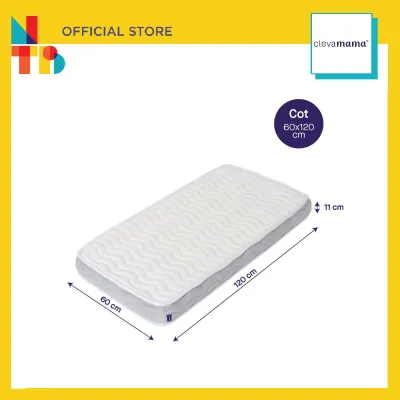
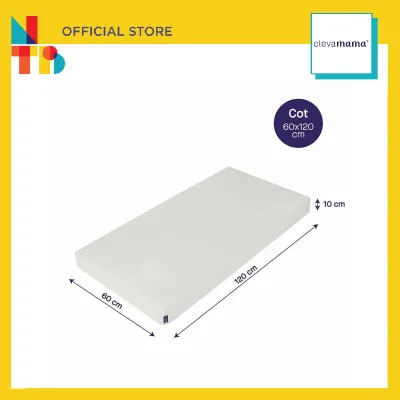


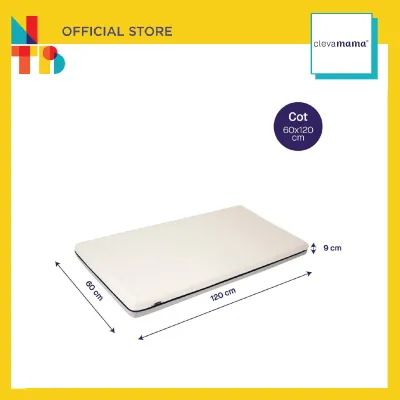
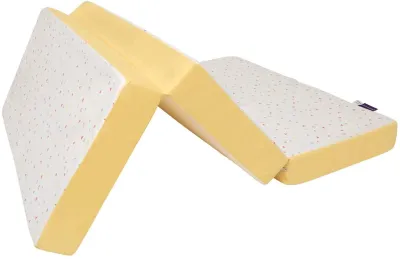
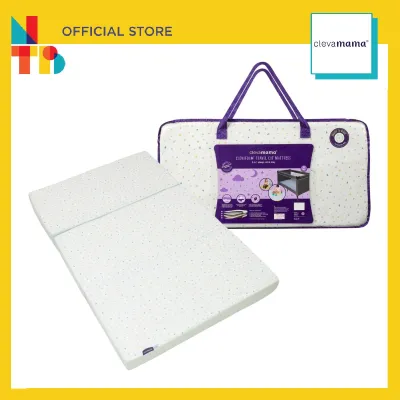
Prices are valid at publication and may change. Please refer to the product page for the latest price.
Never assume that every product bearing a specific brand name is automatically suitable for all developmental stages. While many Clevamama mattresses are designed specifically for infants, some dual-sided or transition models may feature softer zones intended only for older toddlers. Always consult your pediatrician if you have specific concerns about your child’s physical development, muscle tone, or safe sleep requirements, and never rely on a brand name alone as a guarantee of absolute safety.
Why Firmness Matters for Infant Sleep Safety
The requirement for a firm infant sleep surface is rooted in critical pediatric safety guidelines aimed at reducing the risk of Sudden Infant Death Syndrome (SIDS) and accidental suffocation. During the first few months of life, newborns lack the motor skills, neck strength, and coordination to lift or turn their heads if they roll over. If a baby rolls onto a soft surface, their face can sink into the material, creating a pocket that traps exhaled carbon dioxide and blocks fresh oxygen.

Furthermore, newborns are obligate nasal breathers, meaning they breathe primarily through their noses for the first few months of life. A soft mattress increases the risk of airway obstruction if the infant’s nose or mouth becomes even partially obstructed by a conforming surface. A firm, flat surface ensures that the baby’s head remains in a neutral position, keeping the airway open and unobstructed. This is why pediatric health organizations worldwide mandate that infants sleep on a flat, firm surface without any contouring or indentation.
While choosing a firm mattress is a fundamental step in setting up a safe nursery, it is important to view it as a critical risk-reduction measure rather than an absolute guarantee of safety. Mattress firmness works in tandem with other safe sleep practices, such as sleep positioning and room environment. Understanding the physiological reasons behind these guidelines helps caregivers maintain consistency in sleep safety practices.
How to Test and Verify Your Mattress's Firmness at Home
You should never rely solely on a product’s brand name or marketing claims to determine if a mattress is safe for your newborn. Performing simple, physical checks upon delivery and during routine cleanings allows you to verify that the mattress meets safe sleep standards.
The Hand Press Test
To evaluate the surface firmness, place the mattress on a flat, stable surface and press your open palm firmly down into the center, then repeat the test near the edges. When you release your hand, the mattress should immediately snap back to its original flat shape without leaving any temporary indentation or handprint. If the material takes several seconds to recover or conforms closely to the shape of your hand, it is too soft for a newborn.
The Edge Support Test
A high-quality infant mattress must maintain its structural integrity across the entire surface, including the perimeter. Apply firm downward pressure along the edges and corners of the mattress to check for sagging or collapsing. Weak edges can compress under a baby’s weight, potentially causing them to roll into the gap between the mattress and the cot frame, which presents a severe entrapment hazard.
The Fit Test
Place the mattress inside your cot and check the fit along all four sides. There should be no significant gaps between the mattress and the cot walls; a standard rule of thumb is that you should not be able to fit more than two fingers between the edge of the mattress and the cot frame. In Singapore, where cots are sourced from various international brands using different European (60×120 cm) or American/Asian sizing standards, verifying this snug fit is absolutely essential to prevent entrapment.
If at any point during these tests the mattress feels soft, sags under light pressure, or shows permanent indentations from previous use, you must stop using it immediately. In such cases, contact the manufacturer or retailer to address potential defects or compatibility issues.
Essential Safety Features to Check on Clevamama Mattresses
When evaluating a Clevamama mattress, look beyond the brand name and carefully inspect the product tags, packaging, and manufacturer documentation to verify specific safety features.
Breathability and Airflow
A safe infant mattress should promote air circulation to help regulate your baby’s body temperature and reduce the risk of carbon dioxide rebreathing. Check the manufacturer’s specifications to confirm if the mattress core and cover utilize breathable, open-cell structures or perforated materials. This feature is particularly important in warm, humid climates like Singapore, where heat retention can lead to infant discomfort and overheating.
Waterproofing and Hygiene
Moisture from diaper leaks, spit-up, or high ambient humidity can seep into a mattress core, leading to the growth of mold, mildew, and bacteria. Verify whether the mattress features an integrated waterproof barrier or if the manufacturer recommends a specific, breathable waterproof protector. Any waterproof layer used must fit snugly and must not compromise the overall firmness or breathability of the sleep surface.
Safety Certifications and Standards
Look for recognized, independent safety and chemical emission certifications physically printed on the mattress tags or detailed in the official product manual. Certifications such as Oeko-Tex Standard 100 or CertiPUR indicate that the materials have been tested for harmful substances and emissions. Ensure the product complies with relevant local safety guidelines or recognized international standards for children’s furniture before use.
Maintenance and Structural Integrity
Regularly inspect the physical condition of the mattress. If you notice torn fabric, broken seams, a compromised waterproof layer, or degradation of the inner foam or springs, discontinue use immediately. Always follow the manufacturer’s cleaning instructions strictly, as using incorrect detergents or soaking the core material can damage the structural fibers and compromise the mattress’s firmness.
Building a Safe Sleep Environment Beyond the Mattress
A firm mattress is only one component of a comprehensive safe sleep strategy. To protect your newborn, you must ensure that the entire sleep environment conforms to established pediatric safety guidelines.
Always place your baby on their back to sleep for every sleep session, both naptime and nighttime. The cot must remain entirely free of loose bedding, pillows, quilts, bumper pads, sheepskins, and soft toys, as these items present significant suffocation and strangulation hazards. A fitted sheet designed specifically for the mattress dimensions is the only fabric that should be present in the cot.
In Singapore’s tropical climate, maintaining a comfortable room temperature is essential to prevent overheating, which is a known risk factor for SIDS. Use a reliable room thermometer to monitor the environment, utilize air conditioning or fans to promote gentle air circulation, and dress your baby in lightweight, breathable sleep clothing or a sleep sack. Avoid placing fans where they blow directly onto the infant, and regularly check your baby’s chest or the back of their neck to ensure they are not sweating or overly warm.
Remember that safety devices and high-quality products cannot replace active parental supervision. Regularly monitor your sleeping infant, ensure the cot is assembled correctly according to the manufacturer’s instructions, and keep the sleep area completely smoke-free. Quality baby mattresses in Singapore generally range from S$100 to S$300+ depending on materials, but safety depends entirely on how the sleep environment is managed.
Frequently Asked Questions (FAQ)
Can I use a mattress topper or extra padding on a Clevamama baby mattress?
You should never add aftermarket mattress toppers, mattress pads, pillows, or folded blankets to a Clevamama baby mattress. Adding soft layers on top of a firm mattress completely defeats its safety design, creating a soft surface that can conform to your baby’s face and significantly increase the risk of suffocation. The mattress must be used exactly as provided by the manufacturer, covered only by a single, tight-fitting, breathable sheet.
When should I transition my baby to a softer mattress?
Infants and toddlers require a firm sleep surface to support their growing bones and ensure open airways during sleep. While some dual-sided mattresses feature a firm infant side and a slightly softer toddler side, you must strictly follow the manufacturer’s age, weight, and developmental milestones before flipping the mattress. Do not transition your child to a softer surface prematurely, and consult your pediatrician if you are unsure whether your child is developmentally ready for a softer mattress.
Community discussion
Share your experience or ask a question. Comments are reviewed before publication.