
When baby-proofing a home in Singapore, walls and sharp structural corners often require careful attention. As infants transition into active toddlers, their mobility increases, bringing a higher risk of bumps against hard surfaces and accidental damage to home interiors. Singaporean apartments, characterized by concrete structural walls, plaster finishes, and drywall partitions, present unique challenges for mounting protective gear. High humidity levels can also affect how adhesives perform over time, making it essential to choose the right materials and installation methods. Selecting the appropriate wall protection involves balancing the preservation of your home’s interior with the safety of your child. This guide provides a practical framework for identifying your specific wall protection needs, evaluating material safety, comparing product types, and executing safe installation and removal.
Identifying Your Wall Protection Needs
To establish an effective baby-proofing plan, start by assessing the specific types of wall damage your toddler is likely to cause. Toddlers naturally interact with their environment through touch, play, and movement, which can quickly lead to cosmetic or structural wear on your walls. Common issues include dark scuff marks from toy stroller wheels, deep dents from thrown wooden blocks, and colorful crayon or marker drawings on lower wall sections. By identifying these potential hazards early, you can select protectors that offer the right level of impact resistance and washability for each room.
Next, map out the high-risk zones within your living space that require immediate attention. In typical Singapore apartments, narrow hallways are primary transit areas where strollers, ride-on toys, and walkers frequently bump against the walls. Dedicated play areas, the spaces directly behind bedroom and bathroom doors, and the dining area where high chairs are positioned are also highly vulnerable. Protecting these specific zones prevents costly paint repairs and plaster chipping while ensuring that high-impact areas are thoroughly cushioned.
Products mentioned in this guide
![ [SG Stock] Wall Cushion Baby Protection Pad DIY Wall Protector Kids Playroom Anti-collision Wall 20*50cm](https://img.lazcdn.com/g/p/575ac78c054e3fbfd1b7ce7cba6cbf19.jpg_400x400q80.jpg_.webp)
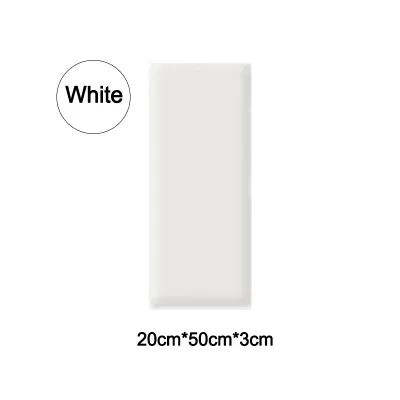
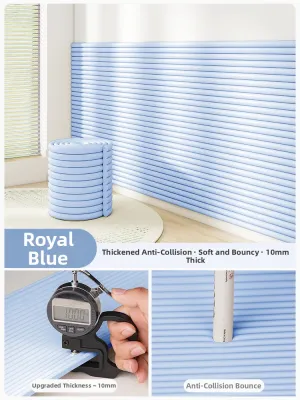
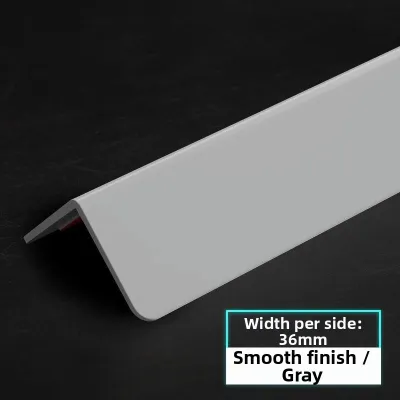
Prices are valid at publication and may change. Please refer to the product page for the latest price.
Finally, evaluate your existing wall finishes and textures to determine product compatibility. Smooth, semi-gloss painted concrete walls behave very differently from textured wallpaper, matte-painted drywall, or tiled surfaces. Some heavy-duty adhesives bond permanently to matte paint, causing significant tearing during removal, while other adhesives may fail to stick to textured wallpaper or dusty plaster. Knowing the exact material and finish of your walls allows you to choose protectors with compatible backing, ensuring a secure hold without risking permanent surface damage.
Essential Safety and Material Criteria
When selecting wall protection products, safety must be your primary consideration. Because toddlers are in a developmental stage where they explore objects by touch and mouth, any installed guards must be chemically safe. Caregivers should actively verify that foam, plastic, or silicone protectors are free from harmful plasticizers, heavy metals, bisphenol A (BPA), and volatile organic compounds (VOCs). Rather than relying on vague marketing claims such as “non-toxic” or “baby-friendly,” look for official manufacturer documentation or safety data sheets that confirm compliance with international toy safety standards.

Physical design is another critical safety factor that requires careful inspection. Small, detachable parts, loose end caps, or thin plastic strips can easily become choking hazards if a toddler manages to pry them loose from the wall. Choose single-piece molded designs or protectors with deeply embedded, secure backing that cannot be easily torn into small pieces by curious fingers. If a protector begins to show signs of wear, cracking, or tearing, caregivers should stop using it immediately and replace the damaged section to prevent ingestion risks.
Adhesives used to mount these protectors must also be evaluated for both chemical safety and surface compatibility. Strong chemical adhesives can emit strong odors or VOCs, which can linger in enclosed, air-conditioned rooms common in Singapore homes. Opt for pressure-sensitive acrylic adhesives that specify low-VOC emissions and are rated for indoor residential use. Additionally, ensure that the adhesive does not degrade into a sticky, toxic residue that a child could touch or ingest if the protector is partially peeled back.
It is important to remember that wall protectors are secondary safety measures designed to minimize impact injuries and wall damage; they do not replace active caregiver supervision. Always verify the recommended age and development stage, method of use, and manufacturer warnings from the specific product documentation before installation. If you are unsure about the safety or chemical composition of a product, consult a qualified child safety professional or contact the manufacturer directly for clarification.
Comparing Types of Wall Protectors
Understanding the different functional categories of wall protectors allows you to match them to your specific household scenarios. Corner and edge guards are designed to cushion sharp, protruding wall corners, structural pillars, and low furniture edges. These are typically made of soft, high-density foam or clear silicone, which absorb the impact of a falling toddler. They are particularly useful for covering the sharp edges of concrete pillars commonly found in modern Singapore condominiums and HDB flats, preventing painful bumps and head injuries.
Kick plates and scuff guards offer broad, flat protection for the lower portions of your walls. Often made of thin, durable plastic sheets or clear acrylic, these guards shield paint from toy wheels, dirty hands, and thrown objects. They are highly effective in dining areas where high chairs are pushed against walls, as well as along hallway baseboards where low-level impacts are frequent. These sheets are easy to wipe clean, keeping your paint pristine without requiring frequent touch-ups.
Door stoppers and finger pinch guards serve a dual purpose: they protect your walls from handle impacts while keeping small fingers safe from slamming doors. Heavy-duty wall-mounted bumper guards absorb the force of a swung door, preventing the door handle from punching holes in drywall or chipping plaster. Finger pinch guards, placed on the hinge or top edge of the door, prevent the door from closing fully, protecting curious hands from painful pinches.
For dedicated play zones or nursery walls, full-panel protective mats or modular wall pads provide the highest level of coverage. These large, padded panels are mounted directly to the wall surface, creating a soft, cushioned backrest for toddlers who are learning to stand, climb, or crawl. They are ideal for covering large expanses of wall next to playpens or activity tables, offering peace of mind during high-energy play sessions.
Navigating Online Selection and Purchasing
When shopping for wall protectors on e-commerce platforms or online marketplaces, physical inspection is impossible, making a structured evaluation process essential. Start by analyzing verified user reviews, specifically searching for feedback from buyers in humid climates like Singapore. Reviews that report adhesive failure within days or severe paint peeling during removal provide critical clues about how the product performs under local environmental conditions. Avoid listings with overwhelmingly generic praise and focus on detailed, practical user experiences.
Carefully check the seller’s return policies and any guarantees regarding wall surface damage. While few manufacturers guarantee that their adhesives will never damage paint—due to the high variability of wall preparation and paint quality—reputable sellers often offer clear guidelines on compatible surfaces. Avoid sellers who make absolute claims of “zero paint damage” without providing specific installation and removal instructions. A reliable seller will provide clear, step-by-step guidance on how to apply and remove their products safely.
Before finalizing your online purchase, measure your target wall spaces precisely and compare them against the product dimensions listed online. Many buyers underestimate the length of corner guards or the surface area of scuff sheets needed, leading to incomplete protection or mismatched seams. Purchasing pre-cut lengths that match your measurements reduces the need for manual cutting, which can leave sharp or uneven edges that are unsafe for toddlers.
Establish a realistic budget in S$ based on the total linear meters or square meters of wall space requiring protection. High-quality, non-toxic foam guards and heavy-duty acrylic sheets generally cost more upfront but offer better durability and safer adhesives. Balancing your budget between high-risk areas that need premium protection and low-risk areas can help manage overall baby-proofing expenses. Remember to factor in the cost of replacement adhesive strips, as you may need to reinstall guards if they are moved or peeled off.
Installation, Care, and Safe Removal
Proper surface preparation is the single most important factor in ensuring a secure adhesive bond. Before applying any wall protector, clean the target area with a mild soap solution or rubbing alcohol to remove dust, oils, and fingerprints. Allow the wall to dry completely; any trapped moisture, especially in humid environments, will compromise the adhesive and lead to premature peeling. Avoid using harsh chemical cleaners that can leave a residue, as this will prevent the adhesive from bonding correctly.
Once installed, wall protectors require regular monitoring to ensure they remain safe and effective. Check the edges of foam guards weekly to ensure they are not lifting or peeling away from the wall. Toddlers are naturally curious and may attempt to pull at loose edges, which can compromise the protector’s stability and create a peeling hazard. If you notice any lifting, do not simply press the guard back down; remove it, clean the surface, and apply fresh adhesive.
Cleaning methods should be tailored to the specific material of your wall protectors. Smooth plastic and acrylic scuff guards can be wiped down easily with a damp microfiber cloth and mild household detergent. Soft foam protectors, however, are more porous and should be cleaned gently without harsh chemicals that could degrade the foam structure or leave toxic residues. Always allow the cleaned surfaces to dry completely to prevent mold growth, which can thrive in humid climates.
When it is time to remove the wall protectors, hasty peeling can tear away layers of paint and plaster. To minimize damage, use a hair dryer on a low-to-medium heat setting to gently warm the adhesive backing. The heat softens the glue, allowing you to slowly peel the protector away at a shallow angle. Any remaining adhesive residue can be cleaned off with a specialized adhesive remover or rubbing alcohol, depending on your paint type. If the underlying wall surface is damaged during removal, consult a professional painter or plasterer to restore the finish safely.
Frequently Asked Questions (FAQ)
Are adhesive wall protectors safe for all types of paint?
Adhesive wall protectors are not universally safe for all paint finishes. Matte and flat paints are highly porous and have a weaker surface bond, making them highly susceptible to peeling when adhesives are removed. In contrast, semi-gloss and satin finishes are more durable and tolerate adhesives much better. Always test a small, hidden piece of the adhesive on an inconspicuous area of your wall before proceeding with a full installation, and consult the manufacturer’s guidelines for specific paint compatibility.
How often should I check the condition of installed wall guards?
It is recommended to perform a visual and physical check of all installed wall guards at least once a month. If your toddler is highly active or frequently bumps into specific protected areas, increase this frequency to a weekly check. Look closely for lifting corners, cracked foam, or loose adhesive backings that could be pulled off and present a choking hazard. Promptly replace any damaged or peeling sections to maintain a safe environment.
What should I do if a wall protector starts peeling off?
If a wall protector begins to peel, do not simply press it back onto the wall, as the compromised adhesive will no longer hold securely. Carefully peel the loose section off completely using a safe removal method like gentle heat. Clean the wall surface thoroughly to remove any old adhesive residue, dust, or oils. Replace the damaged section with a fresh piece of protector, ensuring you use an adhesive recommended for your specific wall finish, or consult a professional if the underlying plaster or paint has suffered structural damage.

Community discussion
Share your experience or ask a question. Comments are reviewed before publication.