
Parents in Singapore identify trusted knee pads for kids by looking for brands that balance high-density impact absorption with breathable, skin-friendly fabrics suitable for the local tropical climate. Rather than relying on marketing claims alone, experienced parents prioritize brands that offer clear sizing charts, transparent material specifications, and verifiable safety standards. Whether your child is crawling on polished indoor tiles or scooting along outdoor park connectors, finding the right knee protection involves assessing the specific activity, verifying the manufacturer’s safety guidelines, and checking local community feedback.
Why Knee Protection Matters for Active Kids
As children grow, their physical boundaries expand rapidly, bringing them into contact with various surfaces that can cause scrapes, bruises, or joint strain. During the crawling and early walking stages, infants frequently lose their balance, landing repeatedly on their knees. In typical Singapore apartments, floors are often made of hard materials like polished marble, ceramic tiles, or vinyl, which offer very little shock absorption for delicate joints. Providing a soft barrier during these developmental milestones helps protect sensitive skin from friction burns and minor bruising.
As toddlers transition to outdoor activities like riding balance bikes, scooting, or roller skating, the risk of higher-impact falls increases significantly. Outdoor environments, such as concrete void decks, asphalt park connectors, and rubber-matted playgrounds, present much rougher surfaces than indoor flooring. A fall on these surfaces at speed can cause painful abrasions or deeper joint impact. High-quality knee pads act as a crucial shield, absorbing the force of the collision and preventing painful injuries that could otherwise discourage children from staying active.
Products mentioned in this guide
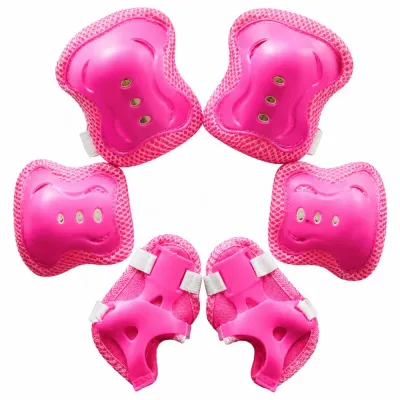
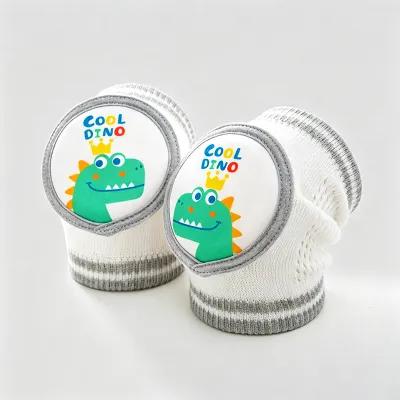


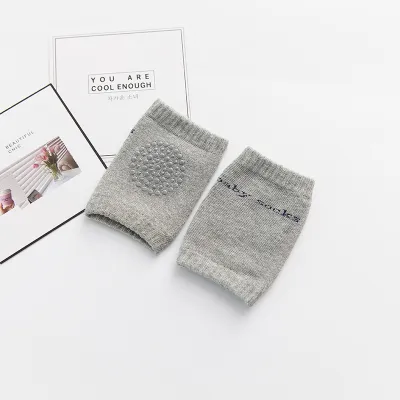
![[SG Ready Stock] SOC006A Baby Boy Girl Crawling Pad Baby Knee Elbow Guard Socks Embroidered details [Little Gems] Breathable Durable Cute unisex bear bunny](https://img.lazcdn.com/g/p/2cb36df3265f80ae15eedd8dcda1f918.jpg_400x400q80.jpg_.webp)
![[SG Ready Stock] SOC006 Baby Boy Girl Crawling Pad Baby Knee Elbow Guard Protectors Socks Safety [Little Gems]](https://img.lazcdn.com/g/p/31442db22fefaf6ef8d3fa9158827a44.jpg_400x400q80.jpg_.webp)
![[LocalStock] Baby Toddler Knee Protector Knee Pad Anti-Slip Crawling Pad Knee Guard Baby Care](https://img.lazcdn.com/g/p/d9bdfa9f4c5be0c40ac6f61d44788f66.jpg_400x400q80.jpg_.webp)
Prices are valid at publication and may change. Please refer to the product page for the latest price.
However, introducing knee protection requires a careful balance between safety and natural physical development. Knee pads must not restrict a child’s natural range of motion, as restricted movement can alter their gait or hinder muscle development. Lightweight, flexible options are ideal for daily indoor play, while more robust, structured pads are necessary for high-speed outdoor sports. Selecting the right type of protection ensures that your child remains safe without compromising their freedom to explore, run, and play naturally.
Key Features Parents Look for in Trusted Brands
When evaluating different brands, the quality of the impact-absorption material is the first feature to examine. Trusted manufacturers typically use high-density EVA (ethylene-vinyl acetate) foam, neoprene, or specialized gel inserts that disperse impact forces away from the joint. Parents should check the product specifications to verify the thickness and density of the padding, ensuring it is appropriate for the intended activity. For everyday indoor use, a thin, flexible foam layer is usually sufficient, whereas outdoor sports require thicker, multi-layered padding.

Singapore’s hot and humid climate makes breathability a non-negotiable feature for any wearable baby gear. Trapped sweat and heat under thick, non-breathable fabrics can quickly lead to heat rash, skin irritation, or friction sores. Reliable brands address this by incorporating moisture-wicking fabrics, such as bamboo fiber or cotton-spandex blends, alongside integrated mesh ventilation panels. These materials allow air to circulate freely, keeping the child’s skin dry and comfortable even during active outdoor play in the afternoon heat.
The fastening and strap system is another critical component that determines both safety and comfort. Knee pads must stay securely in place during vigorous movement without shifting down the leg, yet they must not pinch the skin or restrict blood circulation. Look for brands that utilize wide, adjustable hook-and-loop straps or soft, elasticized sleeves with non-slip silicone grippers along the inner rims. These design elements help distribute pressure evenly across the thigh and calf, preventing the pads from slipping without cutting off circulation.
Finally, daily use demands high durability and ease of maintenance. Kids’ knee pads are bound to get dirty quickly from sweat, dirt, and outdoor dust, requiring frequent washing. Trusted brands construct their products with reinforced double-stitching and high-quality elastic that retains its shape and tension after multiple wash cycles. Checking whether the pads are machine-washable or require hand-washing helps ensure the product fits seamlessly into your household’s daily cleaning routine.
Common Types of Kids' Knee Pads and Their Uses
Understanding the different styles of knee pads allows parents to match the product precisely to their child’s age and activity level. Soft fabric sleeves with integrated foam or gel inserts are the most common choice for infants and toddlers. These sleeves slide easily onto the legs, providing a comfortable, low-profile barrier that is perfect for crawling on indoor floors or playing at indoor playgrounds. They offer excellent flexibility, allowing babies to bend their knees fully while protecting their skin from friction.
For older children engaging in outdoor sports like cycling, skateboarding, or inline skating, hard-shell knee pads are essential. These pads feature a tough, impact-resistant plastic outer cap riveted over a thick foam cushion. The hard exterior allows the child to slide safely along concrete or asphalt during a fall, dispersing the kinetic energy and preventing severe road rash. These are typically sold as part of a protective gear set that includes elbow pads and wrist guards for comprehensive safety.
Another popular option for infants is anti-slip crawling pants or leggings with built-in knee protection. These garments feature reinforced, rubberized, or padded knee patches integrated directly into the fabric. This design eliminates the need for separate straps or sleeves, ensuring the protection stays perfectly positioned as the baby moves. It is an excellent, hassle-free solution for daily wear at home, especially during the transitional phase when babies alternate between crawling, sitting, and standing.
Adjustable strap-on knee pads offer the greatest versatility and longevity, making them ideal for growing toddlers and older children. These pads feature open-back designs with adjustable straps, allowing them to accommodate rapid growth spurts without requiring immediate replacement. They can be worn directly on the skin or over leggings and trousers, making them highly adaptable for various weather conditions and outdoor play scenarios.
How to Verify Brand Reliability and Safety Claims
With numerous options available on online marketplaces, parents must learn to independently verify safety claims rather than relying on promotional slogans. One of the most reliable indicators of quality is the presence of recognized safety certifications on the product packaging or the manufacturer’s official website. For outdoor sports gear, look for standards such as EN 14120 or CE markings, which indicate the product has undergone standardized impact and durability testing. For infant products, check for compliance with safety standards like CPSIA, ensuring the materials are free from harmful chemicals and heavy metals.
Always consult the manufacturer’s official documentation for specific age, weight, and sizing guidelines. Sizing is critical; a knee pad that is too loose will slide down and fail to protect the joint during a fall, while one that is too tight can restrict blood flow and cause physical discomfort. Never assume suitability based solely on a generic age label like “for toddlers,” as children’s physical development and leg circumferences vary widely. Accurate measurements are the only way to guarantee a safe and functional fit.
Be alert to common red flags when browsing different brands. Vague material descriptions, such as “soft fabric” or “protective foam” without specifying the exact materials used, often indicate lower-quality manufacturing. A lack of a clear, detailed sizing chart with specific measurement ranges is another warning sign. Reliable brands are transparent about their materials, manufacturing processes, and sizing, providing clear customer support channels for inquiries.
While knee pads are designed to protect, caregivers must remain vigilant during use. If you notice any signs of skin irritation, redness, chafing, or deep red marks left by the straps, stop using the product immediately. Ensure the pads are clean and dry before the next use, as trapped moisture or dirt can exacerbate skin issues. If skin irritation persists or if your child complains of ongoing discomfort, consult a qualified pediatrician or healthcare professional for guidance.
Where to Find Genuine Parent Reviews in Singapore
Finding authentic feedback from other parents in Singapore is one of the best ways to gauge how a brand performs in real-world conditions. Local parenting forums, community chat groups, and neighborhood Facebook groups are excellent resources for unbiased discussions. Parents in these spaces frequently share practical insights, such as how well a specific brand’s fabric holds up against Singapore’s humidity, or whether the elastic bands stretch out quickly after a few weeks of daily use.
When browsing online marketplaces, it is important to filter reviews carefully to separate genuine experiences from superficial feedback. Look for reviews from verified purchases that include detailed descriptions of long-term use, rather than those written immediately after unboxing. Pay close attention to reviews that mention how the product fits children of similar ages or weights, and look for photos or videos showing the knee pads in active use. Reviews that highlight specific pros and cons provide much more decision value than simple five-star ratings.
Focus on feedback that addresses the durability and washability of the knee pads over time. A high-quality knee pad should maintain its elasticity, padding structure, and strap security even after multiple rounds through the washing machine. If multiple reviews mention that the stitching unravels quickly or that the silicone grippers peel off after a few washes, it is a strong indication that the brand may not offer the long-term reliability you need.
For a hands-on assessment, consider visiting local baby boutiques, maternity specialty stores, or major department stores in Singapore. Physical stores allow you to inspect the materials directly, feel the density of the padding, and test the strength of the straps or elastic. Additionally, experienced retail staff can often provide valuable recommendations based on return rates, customer feedback, and common sizing queries they receive from other local parents.
A Quick Checklist Before You Buy
Before finalizing your purchase, take a few minutes to run through this essential checklist to ensure the selected knee pads are safe, comfortable, and suitable for your child’s needs:
- Measure Leg Circumference: Use a flexible measuring tape to measure the circumference of your child's thigh and calf at the points where the bands will rest. Do this while the knee is slightly bent, and compare these measurements strictly against the brand's official sizing chart.
- Match Activity to Protection Level: Ensure the pad's design matches the primary activity. Choose soft, breathable fabric sleeves for indoor crawling and light play, and opt for certified hard-shell pads for high-impact outdoor sports like cycling or skating.
- Verify Return and Exchange Policies: Confirm the retailer's return or exchange policy before buying, especially when purchasing online. This provides peace of mind in case the fit is incorrect or if the material causes unexpected skin sensitivity upon trying them on.
- Review Care and Washing Instructions: Check the manufacturer's care label to ensure the washing instructions fit your household routine. If you prefer machine washing, verify if the pads require a protective laundry net or if they must be air-dried to preserve the elastic and padding integrity.
Frequently Asked Questions (FAQ)
At what age should my child start wearing knee pads?
Children typically benefit from knee pads when they reach developmental milestones that involve frequent falls or friction on hard surfaces. This usually begins during the crawling phase, which often starts between six and ten months of age, and continues through the early walking stages. Always check the manufacturer’s specific product documentation for minimum age, weight, and size guidelines to ensure the product is safe and suitable for your child’s current developmental stage.
How do I clean and maintain kids' knee pads?
To maintain hygiene and extend the lifespan of the knee pads, always refer to the specific care label provided by the manufacturer. Generally, fabric knee pads should be washed in cold water using a mild, baby-safe detergent to prevent skin irritation. It is highly recommended to air-dry the pads in a well-ventilated area away from direct sunlight, as high heat from a dryer can degrade elastic bands, weaken hook-and-loop fasteners, and damage the internal padding structure.
Can knee pads restrict my child's movement or circulation?
Knee pads can restrict movement or blood circulation if they are improperly fitted, too small, or fastened too tightly. To prevent this, ensure the pads fit snugly but comfortably, allowing you to easily slip two fingers under the elastic bands or straps. Check your child’s legs regularly during and after use; if you observe deep red marks, skin indentation, numbness, or if your child shows signs of restricted movement, stop using the product immediately and adjust the fit or choose a larger size.
Community discussion
Share your experience or ask a question. Comments are reviewed before publication.