
When baby-proofing a home in Singapore, finding the right anti-collision pad is a top priority for parents as their little ones begin to crawl, stand, and explore. While many online marketplaces and local baby fairs showcase a vast array of brands, there is no single universal “best” brand that fits every household. Instead, the most trusted brands are those that provide transparent material disclosures, reliable adhesive specifications, and verifiable safety certifications. Rather than relying on unverified star ratings or generic marketing claims, parents can secure their living spaces by systematically evaluating how different materials and adhesives perform under local conditions, such as Singapore’s high humidity.
By focusing on objective safety standards and material properties, you can select edge guards and corner protectors that withstand daily wear while keeping your child safe from sharp furniture edges. This guide outlines the essential criteria for evaluating anti-collision pad brands, compares the most common materials, and provides a practical decision framework to help you choose the right options for your home.
Key Criteria for Evaluating Anti-Collision Pad Brands
To identify a reliable anti-collision pad brand, parents must look beyond aesthetic appeal and focus on three core pillars: material safety, adhesive quality, and shock absorption. Because babies often explore their environment using their mouths, the chemical composition of any baby-proofing product installed within their reach is of paramount importance. Reputable brands clearly state their material formulations on their packaging or official websites, allowing parents to verify that the products are free from harmful substances.
Products mentioned in this guide
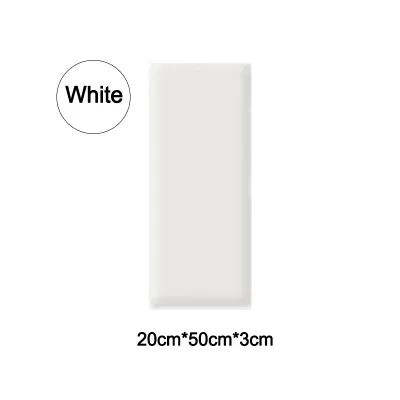
![ [SG Stock] Wall Cushion Baby Protection Pad DIY Wall Protector Kids Playroom Anti-collision Wall 20*50cm](https://img.lazcdn.com/g/p/575ac78c054e3fbfd1b7ce7cba6cbf19.jpg_400x400q80.jpg_.webp)
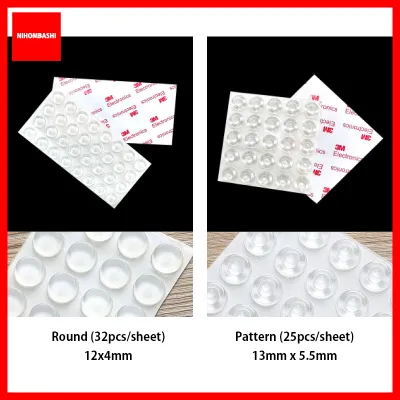
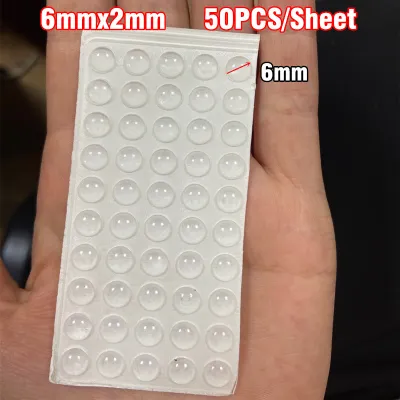
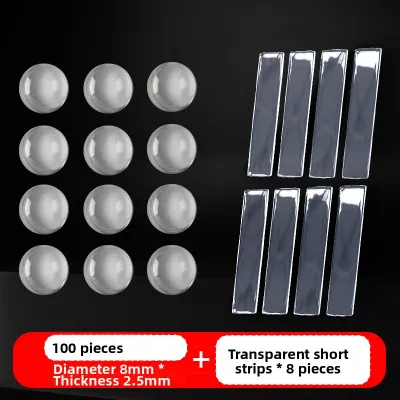
Prices are valid at publication and may change. Please refer to the product page for the latest price.
Material safety should always be your first checkpoint. Look for brands that explicitly label their products as BPA-free, phthalate-free, lead-free, and non-toxic. Since these pads are placed on low tables, TV consoles, and bed frames where infants can easily chew or pull on them, verifying these chemical-free claims prevents accidental exposure to hazardous industrial chemicals. If a brand cannot provide a clear breakdown of its material composition, it is best to look for an alternative.
Adhesive quality is another critical factor. The ideal adhesive must be strong enough to resist the persistent pulling of a curious toddler, yet gentle enough to be removed without stripping the paint, varnish, or laminate off your furniture. Trusted brands often partner with established adhesive manufacturers or specify the type of tape included, such as double-sided acrylic adhesive, which tends to perform well in warm, humid environments like Singapore without melting or sliding.
Finally, shock absorption determines how well the pad actually protects your child during an impact. This property depends heavily on the density and thickness of the material. High-quality brands provide detailed specifications regarding the thickness of their foam or silicone guards, allowing you to match the level of protection to the specific hazard. A thin, flimsy guard may look neat, but it will do little to cushion a hard fall against a sharp corner.
Comparing Common Anti-Collision Pad Materials
The two most common materials used by reputable anti-collision pad brands are Nitrile Butadiene Rubber (NBR) foam and clear silicone or Polyvinyl Chloride (PVC). Each material has distinct physical properties, aesthetic impacts, and ideal use cases, meaning that most parents end up using a combination of both throughout their homes.

NBR foam is highly regarded for its exceptional shock absorption and soft, cushiony texture. Because it can be manufactured in thick, dense profiles, it is the preferred choice for high-impact zones, such as the sharp edges of low coffee tables, TV consoles, and heavy wooden bed frames. The primary trade-off with NBR foam is its visual bulk; it is highly visible and can alter the appearance of your furniture. Additionally, because it is soft, some toddlers may find it tempting to bite or pick at, which requires close caregiver supervision to prevent choking hazards if pieces are torn off.
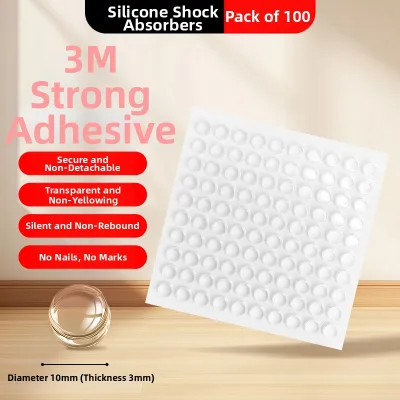
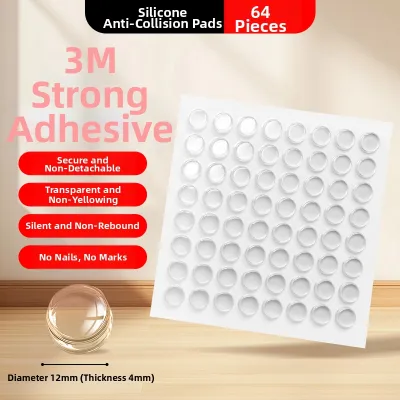
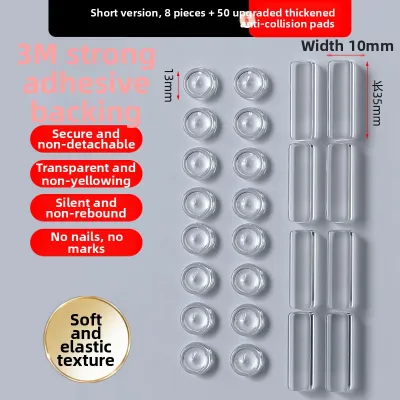
Clear silicone or PVC guards offer a much more discreet baby-proofing solution. These are highly favored for modern Singaporean homes featuring minimalist designs, glass dining tables, or delicate wooden surfaces where parents wish to preserve the furniture’s natural aesthetic. While silicone is highly durable and resistant to bite marks, it is generally firmer than NBR foam. This means that while it prevents cuts and severe lacerations from sharp corners, it may not cushion a blunt impact as softly as a thick foam pad. Parents must check the manufacturer’s specifications to ensure the silicone is of a high, impact-resistant grade rather than a thin decorative plastic.
To help you compare these options at a glance, the table below outlines the key characteristics of each material based on standard manufacturer specifications:
| Material Type | Best Use Case | Shock Absorption Level | Aesthetic Impact | Durability & Maintenance |
|---|---|---|---|---|
| NBR Foam | Sharp wooden corners, low TV consoles, high-impact zones | High (excellent cushioning for hard falls) | High visibility (bulky, available in limited solid colors) | Moderate (can be torn or chewed; requires regular inspection) |
| Clear Silicone / PVC | Glass tables, modern wooden furniture, discreet edge protection | Moderate (prevents sharp cuts, firmer impact) | Low visibility (transparent, blends with furniture) | High (highly durable, bite-resistant, easy to wipe clean) |
Safety Certifications and Labels to Verify
Because the baby-proofing market is flooded with generic products, relying on brand names alone is not enough. The most reliable way to verify a brand’s safety claims is to look for recognized international safety certifications and standards on the product packaging or the manufacturer’s official website.
When evaluating an anti-collision pad, look for references to established toy and children’s product safety standards. For example, compliance with EN71 (the European standard for toy safety) or ASTM F963 (the standard consumer safety specification for toy safety in the United States) indicates that the product has undergone rigorous testing for physical hazards, flammability, and heavy metal toxicity. Brands that invest in these third-party tests are generally much more reliable than those that make vague, unsubstantiated safety claims.
Parents should remain highly skeptical of generic buzzwords such as “100% safe,” “eco-friendly,” or “medical-grade” when they are not backed by verifiable documentation. True safety-conscious brands will readily provide or publish their compliance certificates, chemical test reports, or material safety data sheets (MSDS) upon request. If you are shopping on an online marketplace and the seller cannot provide proof of these certifications, it is safer to assume the product has not been independently tested.
Additionally, always check if there have been any active product recalls associated with the brand. In Singapore, parents can check consumer safety advisories or international recall databases to ensure the brand they are considering has a clean safety record. A trusted brand will have clear channels for customer support and transparent product labeling that includes the manufacturer’s contact details and country of origin.
Installation, Maintenance, and Safety Checks
Even the highest-quality anti-collision pad will fail to protect your child if it is installed incorrectly or left unmaintained. Proper application and routine monitoring are essential to ensure the pads remain securely in place and do not become hazards themselves.
Before applying any adhesive pad, thorough surface preparation is crucial. Dust, oil, polish residue, and moisture will significantly weaken the bond of even the strongest industrial tapes. Clean the furniture edge thoroughly with a mild soap solution or rubbing alcohol, ensuring the surface is completely dry before application. Apply the pad firmly, pressing down along the entire length for at least thirty seconds to activate the pressure-sensitive adhesive. For the best results, allow the adhesive to cure undisturbed for twenty-four hours before letting your child near it.
Routine monitoring is a vital part of home safety. As babies grow, they become more curious and physically stronger, often attempting to peel, pull, or bite the edge guards. Caregivers must inspect the pads daily for signs of wear, loose corners, or bite marks. If a foam pad shows signs of tearing or crumbling, it must be replaced immediately, as small pieces of foam can easily become choking hazards. Never leave a child unsupervised around damaged baby-proofing equipment.
When it is time to remove the pads—either because your child has outgrown them or the pads need replacement—following the manufacturer’s removal instructions is key to protecting your furniture. Applying gentle heat from a hair dryer can help soften the adhesive, allowing you to peel the pad away slowly without tearing the wood grain or lifting the paint. Any remaining residue can usually be cleaned with a mild adhesive remover or vegetable oil, followed by a thorough wipe-down.
Decision Framework: Matching Pads to Your Home
To finalize your baby-proofing plan, use this practical decision framework to match the right anti-collision pads to your specific household needs and furniture types:
- Choose thick NBR foam if: You are protecting sharp, hard corners on heavy wooden or metal furniture in high-traffic areas, such as the living room. This material provides the maximum possible cushioning for active toddlers who are prone to losing their balance.
- Choose clear silicone if: You need to secure glass-topped tables, modern laminates, or high-end furniture where you want to maintain a clean, unobtrusive look. Ensure the manufacturer's specifications confirm a high-density silicone formulation to guarantee adequate impact protection.
- Neither may fit if: The furniture surface is highly textured, uneven, unfinished wood, or frequently exposed to moisture (such as outdoor patio furniture or bathroom cabinets). Standard adhesives will not bond securely to these surfaces, and attempting to force an installation may result in the pad falling off, creating a choking hazard. In these cases, consider rearranging the furniture or restricting your child's access to the area entirely.
- Verify first if: The product packaging or brand website lacks clear material composition details, third-party safety certifications (like EN71 or ASTM), or specific age and usage guidelines. If a brand does not provide this basic safety information, continue your search until you find a transparent, verified option.
Frequently Asked Questions (FAQ)
How often should anti-collision pads be replaced?
Anti-collision pads should be inspected daily and replaced at the first sign of physical degradation. This includes visible tearing, thinning of the material, crumbling foam, or loose edges where the adhesive has begun to fail. If your baby has started chewing on the pads or if you notice bite marks, replace them immediately or switch to a firmer, bite-resistant silicone material, as loose pieces of foam pose a severe choking hazard. Even without visible damage, adhesives can dry out and lose their strength over time in Singapore’s humid climate, so a general review every six months is recommended.
Are clear silicone pads as protective as thick foam?
Clear silicone pads offer excellent protection against sharp cuts and lacerations, but they do not provide the same level of deep shock absorption as thick NBR foam. Because silicone is a denser, firmer material, it absorbs less impact energy during a hard collision. For high-risk areas where a child is likely to fall with significant force—such as low coffee tables or tiled steps—thick foam is generally the safer choice. However, for glass furniture or areas where visual discretion is preferred, high-quality, thick silicone guards are a highly effective compromise, provided you verify their density specifications first.

Community discussion
Share your experience or ask a question. Comments are reviewed before publication.