
Selecting the right toddler utensil set is a foundational step in supporting your child’s journey toward independent eating. Rather than viewing spoons and forks as simple tools, it is helpful to see them as developmental aids that must adapt to your child’s growing motor skills. In the early months of weaning, a baby’s physical coordination is highly limited, requiring soft, easy-to-grip designs that prioritize sensory exploration. As their hand-eye coordination and wrist control mature, their utensils should transition toward shapes and materials that mimic adult cutlery while remaining safely scaled to small hands.
Introducing the wrong type of utensil too early can lead to frustration, mealtime resistance, or minor injuries to sensitive gums. For instance, a long, rigid metal spoon is difficult for a six-month-old to navigate and can cause discomfort if bumped against their mouth. Conversely, continuing to use soft, flexible beginner spoons for an older toddler can hinder their ability to scoop denser foods or spear soft vegetables. By understanding the distinct stages of self-feeding, you can curate a progression of utensils that matches your child’s physical capabilities at every milestone.
When choosing these items, parents must navigate a wide array of materials, shapes, and safety features. The ideal approach involves evaluating your child’s current grip style, their ability to rotate their wrists, and their interest in mimicking your eating habits. This guide breaks down the developmental cues that signal readiness, outlines the essential material checks to perform before purchasing, and provides a stage-by-stage roadmap to help you select the most supportive utensils for your growing toddler.
Products mentioned in this guide
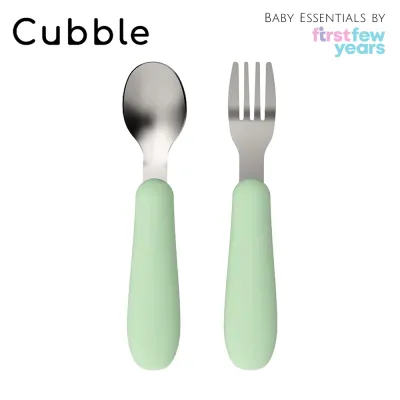
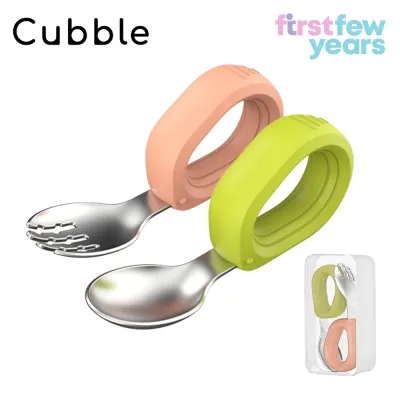
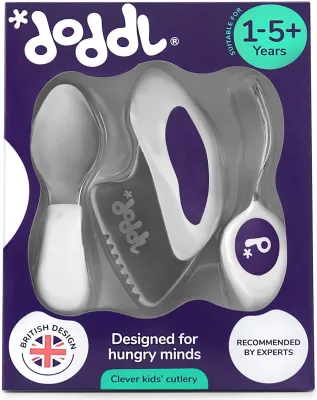
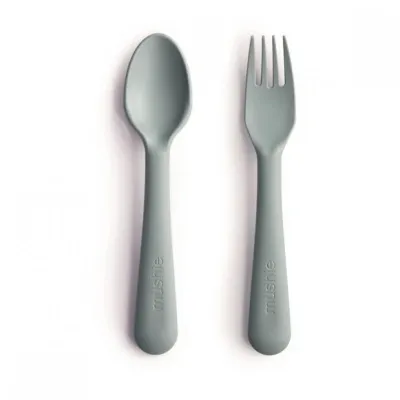
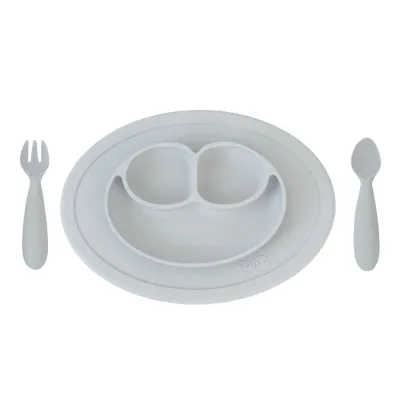
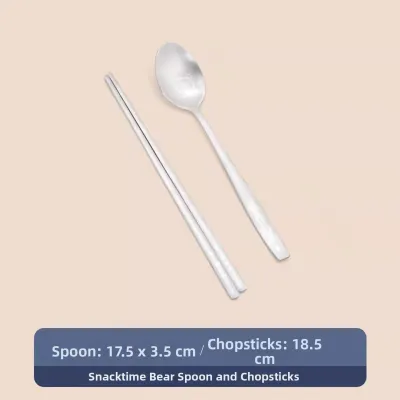
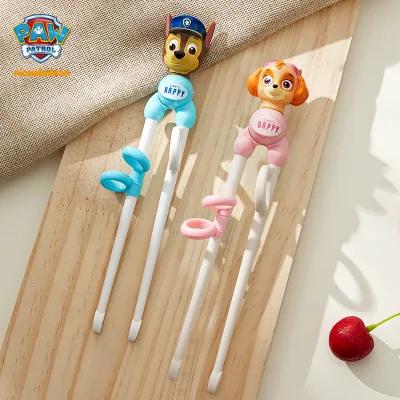
Prices are valid at publication and may change. Please refer to the product page for the latest price.
Recognizing Your Child's Self-Feeding Readiness
Before introducing any utensil, it is essential to observe your child’s natural physical behaviors during mealtimes. Children develop at their own pace, and chronological age is often less reliable than observable motor skills. One of the earliest signs of readiness is a keen interest in your own cutlery; your baby may reach for your spoon, watch your hand movements intently as you eat, or attempt to grab food directly from your plate. Additionally, if your child is already adept at bringing their hands, toys, or finger foods accurately to their mouth, they possess the basic hand-eye coordination required to begin utensil training.
Another critical milestone is the evolution of your child’s grip. Infants initially use a palmar grasp, wrapping their entire fist around an object. This grip is strong but offers limited precision, making short, chunky handles necessary. As they approach their first birthday, they gradually transition to a pincer grasp, using their thumb and index finger to pinch smaller items. Observing which grip your child naturally uses will help you determine whether they need thick, bulbous handles or slimmer, more contoured designs that encourage finger placement.
When starting this transition, it is highly recommended to introduce spoons well before forks. Early solid foods typically consist of smooth purees, thick mashes, or soft yoghurts, which are far easier to manage with a scooping motion. Spoons also present a lower risk of oral discomfort as babies learn to gauge the distance between the utensil and their mouth. Introducing a spoon first allows your child to master the basic concept of loading food and bringing it to their mouth safely, establishing a secure foundation before they attempt the more complex action of spearing food with a fork. If you notice persistent difficulties with swallowing, gagging, or coordination, it is always wise to consult a pediatrician or a pediatric occupational therapist for personalized guidance.
Key Design and Material Checks for Toddler Utensils
When evaluating potential utensil sets, the physical design and ergonomics should be your first point of inspection. Look for handles that are specifically engineered for small, uncoordinated hands. Chunky, rounded handles are easier for a palmar grasp, while textured surfaces—such as raised ridges or silicone bumps—provide sensory feedback and prevent the utensil from slipping out of wet, soapy fingers. The weight distribution of the utensil also matters; a slightly weighted handle can help stabilize a toddler’s shaky hand movements, making it easier for them to guide the food successfully to their mouth.

Material safety is a paramount concern that requires careful verification of manufacturer labels. Because toddlers frequently chew on their utensils, you must ensure all materials are non-toxic and durable. Look for food-grade silicone, which is soft on developing teeth and gums, and high-quality stainless steel for older toddlers who need to cut through denser foods. When purchasing plastic options, verify that the packaging explicitly states the product is free from bisphenol A (BPA), phthalates, and lead. Since safety standards and material certifications can vary by region and change over time, always check the manufacturer’s documentation to confirm compliance with current food-contact safety regulations.
Beyond the utensil itself, consider practical features that simplify daily use and transport. Some utensil sets feature built-in rests or weighted handles that keep the spoon bowl or fork tines elevated off the table surface, helping to maintain hygiene during messy meals. If you frequently eat out or travel, look for sets that include a dedicated, washable travel case to keep dirty utensils contained. Finally, check the manufacturer’s instructions regarding dishwasher compatibility and temperature limits; some materials may warp, degrade, or release chemicals if exposed to high-heat sanitizing cycles, so verifying these limits beforehand is essential for long-term durability.
Matching Utensil Features to Feeding Stages
As your child’s fine motor skills and wrist rotation develop, their utensil needs will change significantly. Selecting the right features for each stage ensures they are neither under-challenged nor overwhelmed by the tools in front of them.
Stage 1: Early Grasping and Pre-Feeding (Approx. 6–9 Months)
During the initial phase of weaning, the primary goal is exploration and sensory familiarity rather than efficient eating. At this stage, babies do not yet possess the wrist rotation required to scoop food, so utensils must be designed to hold purees simply by being dipped into the bowl. Look for short, thick handles that fit comfortably into a full palmar grasp, allowing your baby to hold the utensil securely with their entire fist.
The material at this stage should be soft, flexible, food-grade silicone. This serves a dual purpose: it protects your baby’s highly sensitive, teething gums from accidental bumps and provides a satisfying texture for them to chew on. Many stage-one spoons feature textured heads that hold purees through surface tension, allowing babies to taste food no matter how they orient the spoon.
Safety is critical during this exploratory phase, making choke-guard barriers an invaluable feature. These wide collars prevent the baby from inserting the spoon too far into their mouth, reducing the risk of gagging or choking. Additionally, prioritize seamless, single-piece designs; utensils constructed from a single mold have no crevices where food particles or bacteria can hide, making them significantly easier to keep hygienic. Always supervise your baby closely during these early self-feeding sessions to ensure they use the utensils safely.
Stage 2: Transitioning to Scooping and Spearing (Approx. 9–15 Months)
As toddlers approach their first year, they begin attempting to scoop food independently, though their wrist rotation remains underdeveloped. To support this transition, look for utensils with angled or curved handles. These specialized designs bring the spoon bowl closer to the mouth without requiring the child to bend their wrist excessively, reducing frustration and helping them build confidence as they practice the mechanics of scooping.
The design of the spoon bowl and fork tines must also adapt during this stage. Look for deeper spoon bowls that help retain loose foods, such as oatmeal or mashed vegetables, even when the toddler tilts the utensil. For early fork practice, choose models with blunt, rounded tines; these allow the child to spear soft foods like banana slices or steamed sweet potato without the risk of puncturing their lips or tongue. The spacing between the tines should be wide enough to release food easily but narrow enough to hold it secure.
Stability is another key factor to consider during this transitional phase. Utensils with slightly weighted bases or handles can help counteract the natural shakiness of a toddler’s arm movements. This extra weight provides proprioceptive feedback, helping the child sense where the utensil is in space and making the journey from bowl to mouth more predictable and successful.
Stage 3: Advanced Control and Independent Eating (Approx. 15+ Months)
By the time your child reaches 15 months or older, their fine motor skills, hand-eye coordination, and grip strength have progressed significantly. They are now ready to transition away from bulky, specialized baby tools and toward utensils that closely resemble adult cutlery. Look for longer, slimmer handles that naturally encourage the transition from a palmar grasp to a mature tripod or pincer grasp, which is essential for writing and other fine motor tasks later in life.
At this stage, transitioning to stainless steel heads is highly beneficial. Unlike silicone or plastic, stainless steel is rigid enough to cut through denser foods and spear firmer items like meats or raw fruits. However, safety remains a priority; ensure the metal edges are smoothly rounded and the fork tines, while effective, are not sharp enough to cause injury. The metal should be securely bonded to the handle to prevent any risk of separation.
The handles of these advanced sets should feature ergonomic grips scaled precisely to a child’s hand size. Non-slip rubberized or silicone zones on the handle can guide finger placement and provide a secure hold, even if hands are greasy. These sets bridge the gap between toddlerhood and preschool, giving your child the tools they need to fully participate in family meals with confidence and independence.
Daily Maintenance and Safety Inspections
Maintaining the hygiene and structural integrity of your toddler’s utensils is vital for their health and safety. Daily cleaning should always align with the manufacturer’s specific guidelines. While many silicone and stainless steel utensils are dishwasher-safe, plastic components or specialized non-slip coatings may degrade under high temperatures. Always verify the maximum temperature limits for your dishwasher, sterilizer, or bottle warmer before exposing utensils to these appliances, as overheating can cause materials to warp, crack, or leach chemicals.
In addition to regular cleaning, establish a routine for visual and tactile safety inspections. Before every meal, run your fingers over the utensils to check for rough edges, deep scratches, or structural weaknesses. Pay close attention to silicone spoons, which can develop bite marks or deep tears if your child uses them as teething toys. These small tears not only harbor bacteria that are difficult to clean but can also weaken the material, potentially causing a piece of silicone to break off and present a choking hazard.
Knowing when to stop using a utensil and replace it is crucial. If you observe any deep cracks in plastic handles, tears in silicone tips, loose choke guards, or separation between metal heads and plastic grips, discard the item immediately. It is far safer to replace a compromised utensil than to risk your child swallowing a small fragment or injuring their mouth on a sharp edge. Regularly updating your utensil drawer ensures that your child’s self-feeding journey remains both hygienic and safe.
Frequently Asked Questions (FAQ)
When should I introduce a fork instead of just a spoon?
You can typically introduce a toddler fork once your child has mastered the basic motion of bringing a spoon to their mouth and shows the motor coordination required to intentionally stab or spear soft items. This readiness often coincides with their interest in firmer finger foods. Start by offering soft-cooked vegetables, large pasta shapes, or soft fruit chunks that are easy to pierce. Always verify that the fork tines are blunt, rounded, and appropriately spaced to prevent oral injuries while still being functional enough to hold the food.
Are angled toddler spoons necessary for self-feeding?
Angled toddler spoons are not strictly necessary for every child, but they can be highly beneficial for those who struggle with the wrist rotation required for traditional scooping. These curved designs compensate for limited wrist mobility, allowing the child to guide food into their mouth more easily. Observe your child’s natural movements; if they consistently spill food because they cannot keep the spoon level, an angled spoon can reduce frustration. However, as their motor skills advance, you should transition them to straight handles to encourage natural wrist development and prepare them for standard cutlery.
How do I clean deep crevices in textured toddler utensil handles?
To clean deep crevices, sensory ridges, or textured grips effectively, use a small, soft-bristled brush—such as a clean bottle nipple brush or a dedicated food-safe cleaning brush—along with mild dish soap and warm water. Avoid using harsh abrasive pads, which can scratch the materials and create new microscopic pockets where bacteria can grow. Always check the manufacturer’s guidelines regarding safe soaking times, as prolonged immersion can trap moisture inside hollow handles, leading to discoloration, unpleasant odors, or mold growth. If you notice persistent mold or discoloration that cannot be removed, discard the utensil immediately.
Community discussion
Share your experience or ask a question. Comments are reviewed before publication.