
Choosing the right tableware for your child is a milestone that combines developmental readiness with safety considerations. As your little one transitions from milk to solid foods, the plates you place on their high chair tray do more than just hold food; they interact with heat, withstand drops, and undergo frequent washing. With options ranging from flexible silicone to rigid bamboo composites and lightweight plastics, finding the safest and most practical kids plate set requires looking beyond attractive designs to understand how these materials behave under daily use.
In Singapore’s warm, humid climate and busy households, practical factors like dishwasher compatibility, microwave safety, and resistance to mold are just as important as chemical safety. Parents must balance the convenience of quick heating and easy cleanup with the physical limits of each material. By understanding the properties of silicone, bamboo, and plastic, you can select tableware that supports your child’s self-feeding journey while maintaining a hygienic kitchen environment.
Decoding Safety Labels and Material Certifications
Navigating the world of children’s tableware requires a basic understanding of safety labels and material certifications. Marketing terms like “natural,” “eco-friendly,” or “non-toxic” are often used loosely and do not carry official regulatory weight. Instead of relying on these buzzwords, look for specific, verifiable certifications on the packaging or the manufacturer’s official documentation.
Products mentioned in this guide
![[6pcs] iKea Plate mixed colours kids plate](https://img.lazcdn.com/g/p/587e33d123311180caa1c756dbfbde74.jpg_400x400q80.jpg_.webp)
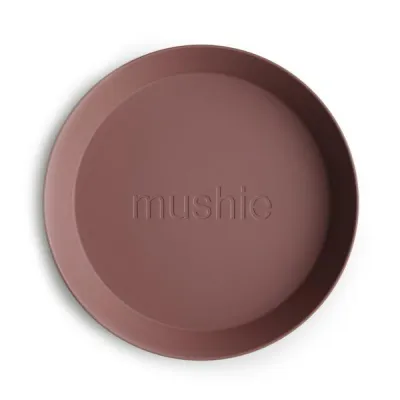
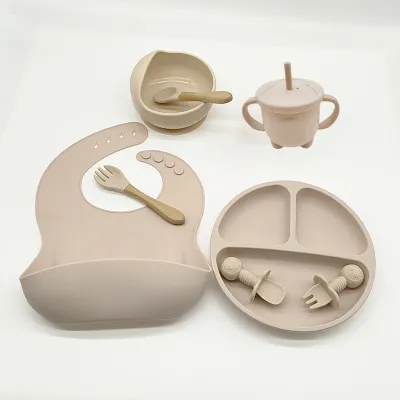
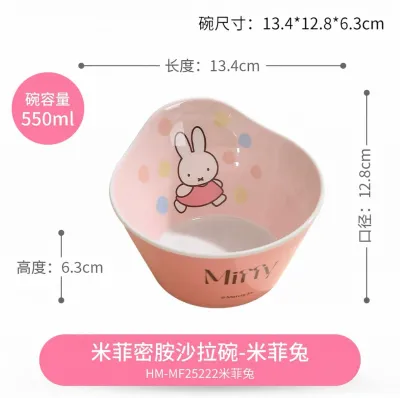
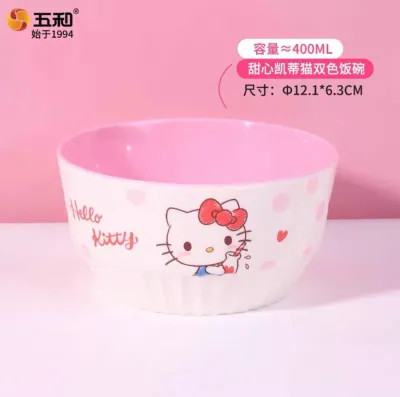
Prices are valid at publication and may change. Please refer to the product page for the latest price.
To verify food-contact safety, look for recognized international symbols, such as the “glass and fork” symbol, which indicates the material is approved for food contact under European Union standards. For plastic items, check the resin identification code, usually stamped inside a triangle on the bottom of the plate. High-quality food-grade silicone should ideally meet either FDA (U.S. Food and Drug Administration) or LFGB (German Food and Feed Code) standards, with LFGB often considered to have stricter testing requirements for volatile organic compounds.
It is equally important to look for explicit declarations regarding chemical additives. Ensure the product is labeled as free from bisphenol A (BPA), bisphenol S (BPS), and phthalates, which are plasticizers historically used to make plastics clear or flexible. Finally, always check the manufacturer’s stated temperature thresholds. A plate may be safe for serving room-temperature food but could degrade or leach substances if subjected to boiling water, steam sterilisers, or microwave heating.
Comparing Silicone, Bamboo, and Plastic Plate Sets
When evaluating a kids plate set, understanding the physical properties and manufacturing processes of each material helps set realistic expectations for durability and performance. Silicone, bamboo, and plastic represent three distinct categories of materials, each with unique structural characteristics that affect how they handle drops, heat, and daily wear.

Silicone is a synthetic polymer made primarily from silicon, oxygen, carbon, and hydrogen. It is highly flexible, rubbery, and virtually unbreakable, making it excellent for absorbing the impact of being thrown from a high chair. Bamboo plates, on the other hand, are rarely made of pure wood; they are typically composite materials where bamboo fibers are pulverized and bound together using food-grade resins or melamine. Plastic plates are petroleum-based polymers designed to be lightweight, rigid, and highly affordable, though their surface integrity can change over time with utensil use.
Food-Grade Silicone Plates
Food-grade silicone has become a staple in modern kitchens due to its flexibility and resilience. One of its primary advantages is its high slip resistance, which manufacturers often leverage to create integrated suction bases. These suction plates adhere firmly to flat high chair trays, helping to prevent accidental spills and intentional plate-flipping during early self-feeding stages. Because silicone is shatterproof, it easily survives repeated drops onto hard kitchen floors without cracking or chipping.
In terms of temperature resistance, high-quality silicone is exceptionally versatile. Most silicone plates can withstand both freezing temperatures and high heat, making them compatible with microwaves, ovens, dishwashers, and steam sterilisers. However, parents should always verify the specific temperature limits provided by the manufacturer before exposing the plate to extreme heat.
Despite these benefits, silicone has a few practical limitations. The material is naturally hydrophobic but can attract and retain oils from food, which sometimes leads to a soapy or stale odor over time, especially when washed with highly scented dish soaps. Additionally, silicone’s slightly porous surface can stain when exposed to highly pigmented foods, such as tomato-based pasta sauces or turmeric-heavy local dishes.
Bamboo Fibre Composite Plates
Bamboo plates are often favored for their natural, matte aesthetic and lightweight rigidity. However, it is crucial for parents to understand that these are composite materials rather than solid wood. The manufacturing process typically involves mixing fine bamboo powder with a plastic binder, such as melamine-formaldehyde resin, to mold the plate into its final shape. While this creates a smooth, durable surface, it also means the plate carries different care requirements than pure bamboo.
Because of the resin binders, bamboo composite plates are generally rigid and lightweight, making them easy for toddlers to carry. However, they lack the impact resistance of silicone or high-grade plastic. If a bamboo composite plate is dropped onto hard flooring, such as ceramic or homogenous tiles common in Singapore homes, it is susceptible to cracking or chipping.
Maintenance is another key consideration for bamboo composites. These plates are typically not suitable for microwave use, as localized high heat can cause the material to dry out, warp, or degrade the binding resins. They also require prompt drying after washing; in humid environments, leaving bamboo composites soaking in water or failing to let them air-dry completely can encourage mold growth along microscopic surface imperfections.
BPA-Free Plastic Plates
BPA-free plastic remains a popular choice for children’s tableware because of its lightweight nature, affordability, and shatterproof qualities. Modern kids’ plastics are engineered to be highly durable, resisting cracks even when dropped repeatedly by enthusiastic toddlers. This makes them highly practical for outdoor dining, picnics, or quick everyday meals.
However, plastic plates are highly susceptible to physical wear from cutlery. As your child begins using metal forks and knives, these utensils can leave micro-scratches on the plastic surface. Over time, these tiny crevices can harbor food particles and bacteria, making the plate difficult to sanitize thoroughly.
Furthermore, plastic has lower heat tolerance compared to food-grade silicone. While many plastic plates are labeled as dishwasher-safe, placing them on the bottom rack close to the heating element can cause warping or clouding. Parents should monitor plastic plates for signs of material degradation, such as a sticky texture, persistent cloudiness, or warping, which indicate that the plastic is breaking down and should no longer be used for hot food.
Matching the Plate Material to Your Child's Feeding Stage
Choosing the right kids plate set is not a one-size-fits-all decision; it depends heavily on your child’s age and developmental milestones. For infants who are just starting solids around six months of age, heavy silicone plates with strong suction bases are highly beneficial. At this stage, babies are exploring textures and often try to grab, lift, or push their tableware. A secure suction plate keeps the food in place, allowing the infant to focus on grasping finger foods or practicing spoon-loading without the plate sliding away.
As your child transitions into toddlerhood (around 18 to 36 months), their motor skills improve, but so does their strength and tendency to test boundaries. During this phase, lightweight, shatterproof options like high-quality BPA-free plastics or durable composites can be highly practical. Toddlers enjoy carrying their own plates to the table, and lightweight materials foster independence. If throwing plates remains an issue, continuing with silicone suction plates or choosing heavier, slip-resistant designs can help minimize mealtime mess.
Eventually, as children reach preschool age and develop refined hand-eye coordination, you can begin planning the transition to standard family tableware. Introducing small, durable ceramic or tempered glass plates teaches children to handle fragile items with care. This transition helps them adapt to the dining habits of the rest of the household while phasing out specialized children’s tableware entirely.
Daily Care, Cleaning, and When to Retire a Plate
Proper maintenance is essential to ensure the longevity and safety of any kids plate set. For silicone plates, avoid using highly scented dishwashing liquids, as the silicone can absorb the perfume, altering the taste of subsequent meals. If your silicone plate develops a soapy residue or odor, washing it with a fragrance-free soap or boiling it briefly in clean water can help restore the surface.
For bamboo composite plates, hand-washing with a soft sponge is highly recommended to preserve the surface finish. Avoid abrasive scrubbers that can wear down the protective outer layer, and never leave bamboo plates submerged in water for extended periods. After washing, ensure they are placed in a well-ventilated drying rack to dry completely, preventing moisture buildup in humid climates. Plastic plates should be washed on the top rack of the dishwasher to minimize heat exposure, and parents should avoid using sharp metal utensils on them to prevent scratching.
Regularly inspect all children’s tableware for signs of wear and tear. Look for deep scratches, cracks, persistent cloudiness, or peeling surfaces. If a suction base on a silicone plate becomes warped and no longer adheres, or if a plastic plate shows deep utensil gouges, it is time to retire the item. Establishing a routine to replace damaged tableware prevents bacterial accumulation in scratches and ensures your child always eats from a clean, intact surface.
Frequently Asked Questions (FAQ)
Can I microwave bamboo or silicone kids' plates?
Bamboo composite plates should not be microwaved. The intense heat generated in a microwave can degrade the resins used to bind the bamboo fibers, potentially causing the plate to warp, crack, or release substances into the food. In contrast, high-quality food-grade silicone is generally microwave-safe and can withstand high temperatures. However, you should always verify the manufacturer’s specific temperature guidelines printed on the packaging before heating food directly on a silicone plate.
How do I remove stubborn food stains from silicone plates?
To remove stubborn stains or odors from silicone plates without damaging the material, you can create a paste using baking soda and water. Apply the paste to the stained areas, let it sit for approximately twenty to thirty minutes, and then scrub gently with a non-abrasive sponge before rinsing thoroughly. Alternatively, placing the clean silicone plate in direct sunlight for a few hours can help naturally fade organic food stains, such as those from tomato sauce or carrots, without the need for harsh chemical bleaches.
Community discussion
Share your experience or ask a question. Comments are reviewed before publication.