
To find the safest Jeju wet wipes with a flip-top cap for your newborn, you must look beyond marketing claims of volcanic water purity and focus on the complete ingredient list and the physical integrity of the packaging. Newborn skin is exceptionally thin and highly permeable, making it vulnerable to chemical irritants, synthetic fragrances, and harsh preservatives. The safest choice is a fragrance-free, alcohol-free formulation that relies on ultra-purified water and minimal, food-grade preservatives, housed in a pack with a rigid, tightly sealing flip-top cap that prevents bacterial contamination and moisture loss. By systematically evaluating the chemical composition and the physical seal of the packaging, you can protect your baby’s delicate skin barrier during daily diaper changes.
Understanding Newborn Skin Vulnerability and Wipe Formulations
Newborn skin is fundamentally different from adult skin, requiring specialized care and extreme caution when selecting any topical product. During the first few months of life, the outer layer of the skin, known as the stratum corneum, is still developing. This means the skin barrier is significantly thinner, more permeable, and less capable of blocking external irritants or environmental pathogens.
Because of this increased permeability, chemicals applied to a newborn’s skin are absorbed much more readily into the deeper epidermal layers. This heightened absorption rate elevates the risk of contact dermatitis, a painful condition characterized by redness, swelling, and dry, peeling patches. Harsh ingredients that an adult’s skin might easily tolerate can trigger immediate inflammatory responses in an infant.
Products mentioned in this guide
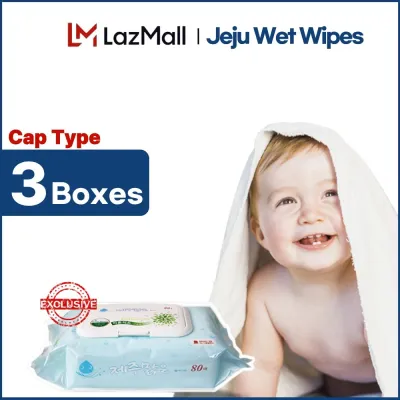
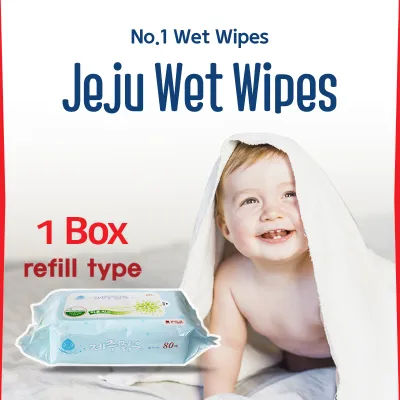
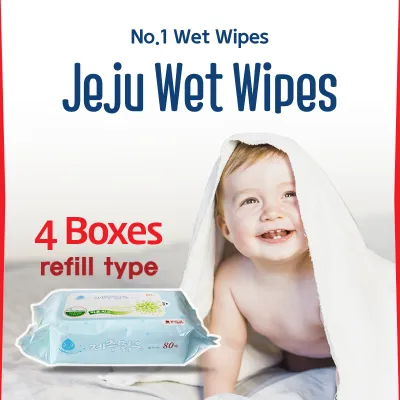
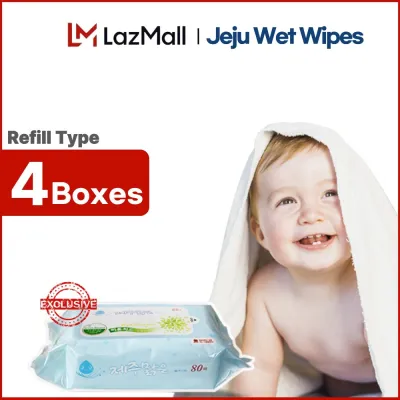
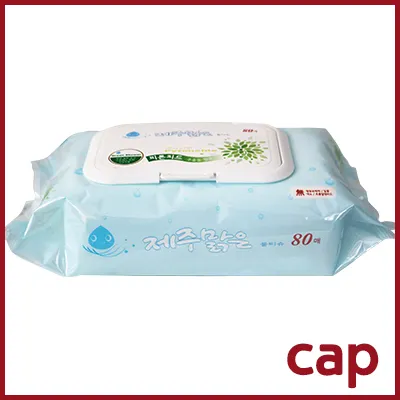
Prices are valid at publication and may change. Please refer to the product page for the latest price.
Furthermore, a newborn’s skin loses moisture at a much faster rate than mature skin. When a wet wipe containing harsh surfactants or drying alcohols is used repeatedly throughout the day, it strips away the natural lipids that protect the skin surface. This rapid moisture loss leaves the skin dry, cracked, and highly susceptible to friction damage from diapers.
To mitigate these risks, the foundational elements of a baby wipe—specifically the water quality and the base material—must meet exceptionally high standards. Many premium wipes utilize multi-stage purified water, often marketed as volcanic or deep-sea water, to ensure the liquid base is entirely free from heavy metals, chlorine, and microbial impurities. The non-woven fabric itself should be soft, thick, and embossed to minimize the physical friction required to clean the skin, reducing mechanical irritation during diaper changes.
Scanning the Ingredient List: What to Keep and What to Avoid
When evaluating Jeju wet wipes, the ingredient list on the back of the packaging is your most reliable tool for verifying safety. Parents should look for formulations where purified water constitutes the vast majority of the product, typically exceeding 99% of the total volume. The remaining fraction of a percent should consist strictly of gentle, food-grade preservatives and skin-conditioning agents.

Beneficial components to look for include mild plant extracts, such as organic aloe vera, chamomile, or calendula, which provide natural soothing properties without introducing synthetic chemicals. Gentle moisturizers like glycerin or lipid-replenishing ingredients can help support the natural skin barrier by locking in moisture after each wipe. These ingredients should be clearly identified by their scientific names, such as Aloe Barbadensis Leaf Extract or Glycerin, on the label.
Conversely, there are several high-risk ingredients that you must strictly avoid when selecting wipes for a newborn. Alcohol, often listed as ethanol or isopropyl alcohol, should never be present, as it causes severe dryness and skin irritation. Parabens and phenoxyethanol, which are commonly used as broad-spectrum preservatives in adult cosmetics, are linked to skin sensitization and should be entirely absent from newborn-grade formulations.
Synthetic fragrances and artificial colorants are among the leading causes of allergic contact dermatitis in infants and must be avoided completely. Even products labeled as “unscented” should be cross-referenced with the ingredient list, as some manufacturers use masking fragrances to cover chemical odors. Additionally, harsh surfactants like sodium lauryl sulfate (SLS) or cocamidopropyl betaine, which create foam and strip natural oils, should be replaced with ultra-mild, non-ionic cleansing agents.
To read the ingredient list effectively, remember that ingredients are listed in descending order of concentration. The first few ingredients represent the bulk of the formulation, while those at the very end are present in minute quantities. However, even at the bottom of the list, the presence of a single harsh preservative or synthetic fragrance is enough to disqualify the product for newborn use. Always scan the entire list from top to bottom to ensure no hidden irritants are included.
Assessing Flip-Top Cap Designs for Hygiene and Moisture Retention
While the formulation inside the pack is critical, the physical design of the packaging plays an equally vital role in maintaining the safety and hygiene of the wipes. A rigid flip-top cap, typically made of hard plastic, serves as the primary barrier between the moist wipes and the external environment. This design is more effective than simple adhesive sticker seals, which quickly lose their stickiness when exposed to dust, lint, or diaper cream residue.
The primary function of a high-quality flip-top cap is moisture retention. If a pack of wipes is left partially open, the water content evaporates rapidly, leaving the wipes dry and abrasive against a baby’s skin. More importantly, a dry or semi-dry wipe loses its ability to clean effectively, forcing caregivers to apply more physical pressure, which can damage the delicate skin barrier.
Furthermore, a compromised seal creates a breeding ground for bacterial and fungal growth. Wet wipes are inherently moist and stored at room temperature, making them highly susceptible to contamination if exposed to air and airborne pathogens. A tight, hard-plastic seal prevents external contaminants from entering the pack, ensuring that every wipe remains sterile and safe for use from the first sheet to the last.
When selecting a pack, caregivers should perform a few simple usability checks on the flip-top mechanism. The hinge should offer moderate resistance, preventing the cap from flopping shut while you are trying to pull out a wipe. The seal alignment must be precise, with the inner rim of the cap fitting snugly into the corresponding groove on the pack. Finally, the cap should feature a prominent tab or button that allows for effortless, one-handed operation, as caregivers often need to keep one hand securely on the baby during diaper changes.
Verifying Safety Claims and Age Recommendations on the Packaging
Navigating the marketing claims on baby wipe packaging requires a critical eye, as terms like “hypoallergenic” or “natural” are often used loosely without strict regulatory definitions. To ensure a product is truly safe for a newborn, look for explicit age recommendations on the label, such as “suitable for newborns,” “0+ months,” or “safe from birth.” These indications suggest the manufacturer has formulated the product specifically with the vulnerability of infant skin in mind.
Dermatological testing claims provide an additional layer of reassurance, but it is important to understand what they actually verify. A label stating “dermatologically tested” simply means the product was tested on human skin under the supervision of a dermatologist, but it does not guarantee a complete absence of reactions for every individual. Look for more specific certifications, such as “pediatrician-tested” or “clinically proven mildness,” which indicate more rigorous testing protocols tailored to infant skin.
Freshness is another critical factor in wipe safety, as preservatives in baby wipes can degrade over time, reducing their effectiveness against microbial growth. Always locate the manufacturing date and the expiry period on the packaging, which are typically stamped on the bottom or side of the pack. Ensure the product has a generous shelf life remaining, and aim to use the wipes within one to two months of opening the flip-top cap.
Even when using a highly rated, newborn-safe wipe, parents must remain vigilant for signs of skin irritation. If you notice persistent redness, dry patches, or a raised rash in the diaper area or anywhere the wipe has been used, discontinue use immediately. Clean the area with plain water and a soft cotton cloth instead, and consult a pediatrician or qualified healthcare professional if the irritation does not resolve within a few days.
Building Your Shortlist: A Step-by-Step Evaluation Checklist
To simplify the selection process, you can use a structured evaluation framework to filter through the available Jeju wet wipe variants on the market. This step-by-step approach ensures that you prioritize skin safety and packaging functionality above marketing hype.
Step 1: Filter by Packaging Design Begin by eliminating any wipe variants that rely solely on adhesive sticker seals. Restrict your shortlist exclusively to products that feature a rigid, hard-plastic flip-top cap. This initial filter ensures that the wipes you purchase will maintain their moisture and hygiene throughout their entire usage cycle.
Step 2: Cross-Reference the Ingredient List Examine the ingredient list of each remaining option against your keep/avoid checklist. Verify that purified water is the primary ingredient and that the formulation is entirely free from alcohol, parabens, phenoxyethanol, synthetic fragrances, and harsh surfactants. If an ingredient list is not clearly printed on the packaging or available on the retailer’s website, remove that product from your list.
Step 3: Verify Age Suitability and Safety Labels Check the packaging for explicit “newborn” or “0+ months” labeling. Look for evidence of dermatological or pediatrician testing, and ensure the manufacturer’s contact details and batch tracking information are clearly visible. This step helps confirm that the brand is transparent and accountable for its product safety.
Step 4: Perform a Preliminary Patch Test Before using a new brand of wipes extensively on your newborn’s sensitive diaper area, perform a simple patch test. Gently swipe a single wipe on a small, non-sensitive area of your baby’s skin, such as the outer thigh or upper arm. Wait 24 to 48 hours to observe any signs of redness, swelling, or irritation; if the skin remains clear, the product is generally safe for regular use.
Frequently Asked Questions (FAQ)
Is it safe to use these wipes on a newborn's face and hands?
While many high-quality Jeju wet wipes are formulated with extremely gentle ingredients, the skin on a newborn’s face is significantly thinner and more sensitive than the skin on their body or diaper area. Additionally, the skin around the eyes and mouth is highly prone to irritation from accidental contact with even mild cleansing agents.
Before using any diaper wipe on your baby’s face or hands, check the packaging for explicit approval for facial use or specific eye-area safety warnings. If the label does not explicitly state that the product is safe for facial application, it is best to avoid using it on these areas. Instead, opt for plain water and sterile cotton balls or a soft, damp washcloth to clean your newborn’s face and hands safely.
How can I tell if the flip-top cap is sealing properly?
A properly functioning flip-top cap should provide a clear visual and tactile response when closed. When you press the cap down, you should hear a distinct, audible click, indicating that the latch has engaged securely. Run your finger along the edge of the closed cap to ensure there are no visible gaps between the plastic lid and the pack surface.
If you notice that the wipes near the opening are starting to dry out, show signs of edge discoloration, or emit an unusual, musty odor, the seal has likely failed. A failed seal allows air and environmental contaminants to enter the pack, compromising the hygiene of the remaining wipes. In such cases, to protect your newborn from potential bacterial exposure, you should safely discard the remaining pack and replace it with a fresh one.
Community discussion
Share your experience or ask a question. Comments are reviewed before publication.