
Selecting the right cotton balls for a newborn grooming kit is a vital decision that directly impacts your baby’s comfort and skin health. The ideal choice for daily grooming is a combination of 100% pure, unbleached organic cotton balls for general cleaning, alongside a dedicated supply of medical-grade sterile cotton balls for umbilical cord care. Because a newborn’s skin is exceptionally delicate and highly permeable, choosing products free from synthetic fibers, chemical bleaches, and artificial additives is essential to prevent irritation and protect their developing skin barrier.
While many products are marketed specifically for infants, caregivers must look past branding and verify specific material attributes, certifications, and packaging designs. Reading the manufacturer’s product documentation, age recommendations, and safety warnings on the packaging is the most reliable way to ensure suitability. By understanding the unique structural and hygienic requirements of newborn care, you can assemble a grooming kit that is both highly effective and completely safe for your baby.
Why Cotton Balls Are Essential in a Newborn Grooming Kit
Cotton balls are an indispensable component of an infant grooming kit because they provide a highly controlled, ultra-gentle method of liquid application and physical cleansing. Unlike synthetic cloths or standard wipes, high-quality cotton balls can absorb and hold a significant volume of liquid, allowing you to squeeze water gently over sensitive areas without making abrasive physical contact. This soft, cushioning effect is crucial during the first few weeks of life when daily hygiene tasks require the utmost care.
Products mentioned in this guide
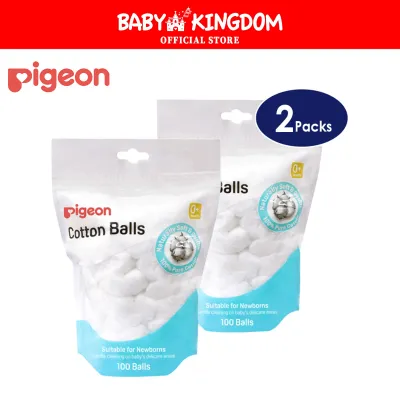
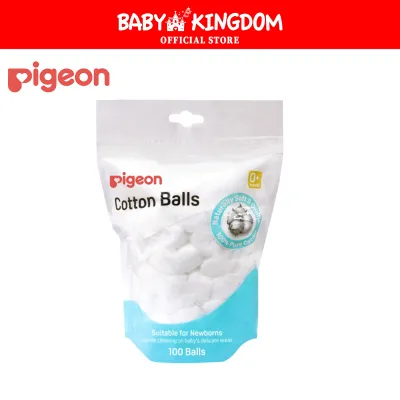
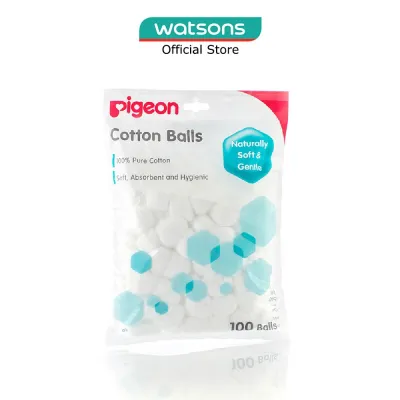
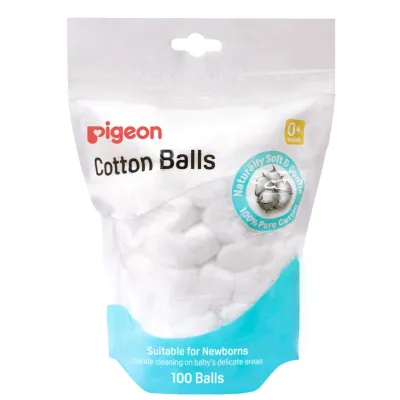
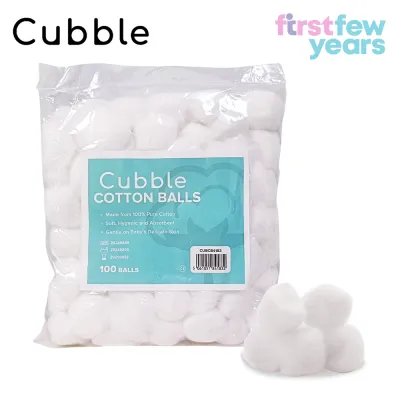
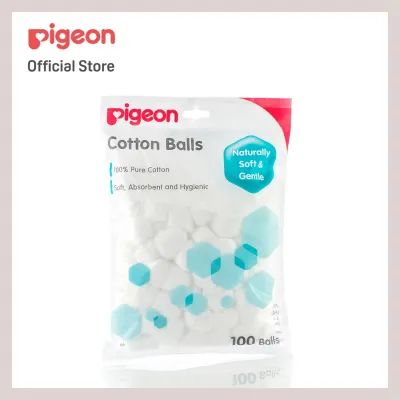
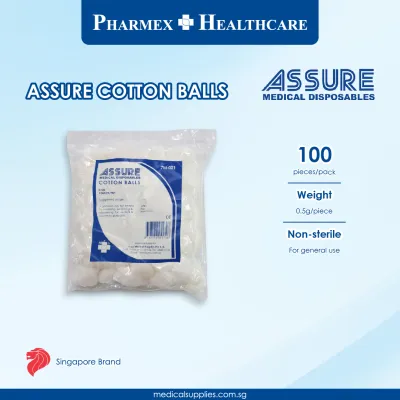
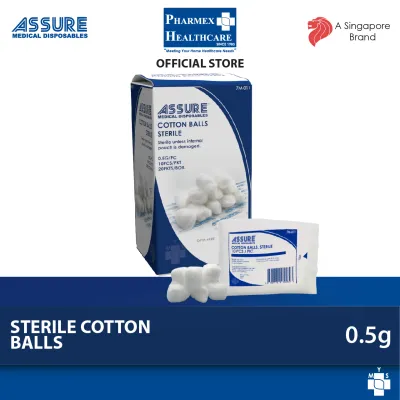
Prices are valid at publication and may change. Please refer to the product page for the latest price.
Physiologically, a newborn’s skin barrier is still developing. The outer layer of the skin, known as the stratum corneum, is up to 30% thinner than adult skin, making it highly susceptible to friction-induced micro-tears and the absorption of environmental chemicals. Using materials that lack sufficient softness or contain harsh chemical residues can compromise this fragile barrier, leading to irritation, dryness, or localized infections.
In daily care, cotton balls serve several specific, high-frequency purposes:
- Umbilical cord stump care: Cleansing the base of the drying umbilical stump requires a soft, highly absorbent material that can dab away moisture and debris without snagging or pulling the delicate tissue.
- Gentle eye wiping: Newborns frequently experience blocked tear ducts, resulting in mild, crusty discharge. Cleansing this highly sensitive area requires a clean, soft medium saturated with sterile liquid.
- Diaper area cleansing: For infants with highly sensitive skin or active diaper rash, pediatricians often recommend using pure cotton dipped in warm water instead of commercial wet wipes, which may contain preservatives or fragrances.
- Application of topical treatments: Applying liquid remedies or soothing solutions to localized skin folds requires a precise, non-irritating applicator.
While cotton balls are incredibly useful, caregivers must exercise close supervision during use. Never leave loose cotton balls within reach of an infant, as they present a severe choking hazard if grasped and placed in the mouth.
Key Safety and Quality Standards for Newborn Cotton Balls
When evaluating cotton balls for your newborn’s grooming kit, prioritizing safety and quality standards over brand names is essential. Parents should carefully inspect product labels and verify specifications to ensure the material meets the rigorous demands of infant care.

Material Purity
Verify that the product label explicitly states “100% pure cotton” or “100% organic cotton.” Avoid products labeled generically as “cosmetic puffs” or “cotton blends” unless they provide a complete material breakdown. Many standard cosmetic balls contain synthetic fibers such as polyester, rayon, or viscose. These synthetic alternatives do not absorb liquids as uniformly as natural cotton and possess microscopic structural differences that can cause unnecessary friction on thin infant skin.
Chemical-Free Processing
Traditional cotton manufacturing often utilizes chlorine bleaching to achieve a pristine, bright white appearance. This chemical process can leave behind trace amounts of dioxins. To protect your baby, look for cotton balls processed using hydrogen peroxide (often labeled as totally chlorine-free or TCF) or select entirely unbleached options. Additionally, confirm that the product is free from optical brighteners (fluorescent whitening agents), synthetic fragrances, artificial dyes, and chemical binders, which are common triggers for contact dermatitis and skin sensitization in newborns.
Lint-Free or Low-Lint Properties
Shedding fibers pose a direct physical hazard to a newborn. Loose cotton lint can easily cling to the moist surfaces of your baby’s eyes, nasal passages, or mouth, leading to mechanical irritation, corneal scratches, or respiratory discomfort. To minimize this risk, select cotton balls described as “high-density” or “tightly wound.” You can perform a simple check by gently pulling a dry cotton ball; it should stretch slightly and maintain its structural cohesion rather than shedding loose, wispy fibers.
Sterility vs. Non-Sterility
It is important to understand the distinction between standard clean cotton and medical-grade sterile cotton. Standard cotton balls are clean and suitable for general wiping of the face, hands, and diaper area. However, for high-risk tasks such as active umbilical cord care or cleaning minor skin breaks, sterile cotton balls are highly recommended. These products undergo sterilization processes, such as gamma irradiation, and are sealed to prevent any bacterial contamination prior to opening.
Packaging Integrity
In humid tropical climates like Singapore, packaging is a critical safety factor. High relative humidity creates an ideal environment for mold, mildew, and bacteria to multiply on organic cotton fibers. Always select cotton balls that come in thick, dust-proof, moisture-resistant, and resealable packaging. If the original packaging does not seal tightly, plan to transfer the cotton balls to a clean, airtight container immediately after opening to maintain hygiene.
Recommended Types of Cotton Balls for Your Kit
To build a well-rounded and practical newborn grooming kit, you should include specific types of cotton balls tailored to different daily care scenarios. Categorizing your supply ensures you always have the right tool for the task.
100% Organic Unbleached Cotton Balls
Organic cotton is grown without the use of synthetic pesticides or genetically modified seeds, minimizing the risk of agricultural chemical residues. Unbleached organic cotton balls are easily recognizable by their natural, creamy off-white or light beige color, and they often contain tiny, harmless dark specks, which are remnants of the natural cotton seed husks. These organic fibers are exceptionally soft and are highly recommended for daily, low-risk cleansing tasks, such as wiping your baby’s cheeks and chin after feeding, or cleansing the diaper area during routine changes.
Medical-Grade Sterile Cotton Balls
For targeted care of vulnerable areas, sterile cotton balls are an essential addition to your grooming kit. These are typically packaged in small, individual blister packs or sterile paper pouches containing a few balls each, ensuring they remain completely uncontaminated until the moment of use. When using sterile cotton, always verify the expiration date on the package and inspect the seal to ensure it has not been compromised. Once you open a sterile package, any unused cotton balls lose their sterile status and should be demoted to general cleaning duties rather than used on open skin or the umbilical stump.
If you notice any signs of infection around the umbilical cord stump—such as persistent redness, swelling, a foul odor, or yellowish discharge—stop home cleaning immediately and consult a qualified pediatrician or healthcare professional for a proper diagnosis.
Extra-Large or High-Density Cotton Balls
Standard cosmetic cotton balls are often small and prone to collapsing or tearing when wet. Selecting extra-large (often labeled as “jumbo” or “triple size”) high-density cotton balls offers significant practical advantages for caregivers. Their larger size provides a better grip, allowing you to clean more surface area with a single ball. Furthermore, high-density winding ensures the ball retains its structural integrity and does not disintegrate or turn into a mushy, fiber-shedding mass when fully saturated with warm water or saline.
Cotton Balls vs. Cotton Pads and Swabs: Making the Right Choice
Understanding when to use each cotton format ensures both safety and efficiency in your daily grooming routine. Each design offers distinct advantages based on absorbency, surface area, and precision.
Cotton Pads
Cotton pads feature a flat, compressed structure with sealed edges, which virtually eliminates fiber shedding. This flat surface area makes them highly efficient for applying liquid lotions, wiping broad areas like the forehead or thighs, and removing thick barrier creams or ointments. However, they lack the plush, spherical volume of a cotton ball, making them less effective at holding a large volume of water for pooling and gentle dabbing.
Cotton Swabs
Cotton swabs consist of small cotton buds wound tightly around a rigid plastic, paper, or wooden stick. They are designed for high-precision tasks, such as cleaning the intricate outer folds of your baby’s ears (the pinna) or the outer edges of the nostrils. Caregivers must exercise extreme caution: never insert a cotton swab into your baby’s ear canal or deep into the nasal passages. Doing so can push earwax or mucus deeper, cause impaction, or puncture the delicate eardrum. Always check the manufacturer’s safety warnings on the packaging before use.
Cotton Balls
Cotton balls remain the superior choice for tasks requiring high liquid retention and a soft, conforming shape. When saturated with warm water, a cotton ball acts like a gentle, dripping sponge, allowing you to squeeze water over your baby’s closed eyes or the umbilical area without making direct, abrasive contact. Their round, flexible shape naturally conforms to the delicate contours of the eye sockets, underarms, and neck folds, providing a cushioned, non-irritating clean.
Safe Handling, Usage, and Storage Guidelines
To prevent contamination and maintain the efficacy of your cotton supplies, establishing proper handling, usage, and storage habits is essential.
Hygiene Protocols
Before reaching into your baby’s grooming kit or touching any cotton product, perform a thorough handwashing routine. Wash your hands with soap and warm water for at least 20 seconds, ensuring you clean between your fingers and under your fingernails. This simple step prevents the transfer of environmental bacteria and viruses from your hands to the clean cotton fibers.
The Eye-Cleaning Technique
To clean your newborn’s eyes safely and prevent infection, always follow the “one ball, one wipe, one direction” rule. Moisten a clean cotton ball with cooled, boiled water or sterile saline. Gently wipe from the inner corner of the eye (near the nose) to the outer corner in a single, smooth motion. Discard the cotton ball immediately. Never reuse the same cotton ball for a second wipe, and always use a fresh, separate cotton ball for the other eye to prevent cross-contamination.
If your baby exhibits persistent eye redness, swelling of the eyelids, or thick, continuous yellow or green discharge, do not attempt to treat it with water alone. Stop use and consult a healthcare professional, as these symptoms may indicate an infection or a blocked tear duct requiring medical intervention.
Proper Disposal
Used cotton balls must be disposed of correctly to maintain household hygiene and protect your plumbing. Always place used cotton balls directly into a lined trash bin. Do not flush cotton balls down the toilet under any circumstances. Unlike toilet paper, cotton fibers do not disintegrate rapidly in water; flushing them will lead to severe plumbing blockages and sewer backups.
Storage Best Practices
Store your main supply of cotton balls in a cool, dry location away from direct sunlight. Given Singapore’s high humidity, avoid storing the bulk supply in the bathroom, where steam from showers can penetrate packaging and promote mold growth. Keep them in a closed pantry cabinet or a dedicated nursery drawer. Always check the manufacturer’s label for any specific storage instructions or recommended shelf life after opening, and keep all grooming supplies strictly out of reach of infants and young children.
Frequently Asked Questions (FAQ)
Can I use regular adult cosmetic cotton balls for my newborn?
It is highly recommended to avoid using standard adult cosmetic cotton balls for newborn care. Many cosmetic cotton balls are manufactured with synthetic fiber blends, chemical binders, and optical brighteners designed to withstand makeup removal or toner application. These additives can easily irritate a newborn’s delicate skin barrier. Additionally, adult cosmetic cotton balls often have a looser wind, leading to excessive linting and shedding that can pose an irritation hazard to your baby’s eyes and respiratory tract.
How do I safely prepare water for cleaning my baby's eyes with a cotton ball?
To safely prepare water for newborn eye care, bring fresh tap water to a rolling boil and let it boil for at least one to three minutes to eliminate any potential waterborne pathogens. Allow the water to cool completely to room temperature in a clean, covered container before dipping your cotton balls into it. Alternatively, you can use commercially prepared sterile saline solution (0.9% sodium chloride) in single-use ampoules, which provides a convenient, pre-measured, and completely sterile option for daily eye hygiene.
Are compressed cotton towels a good alternative to cotton balls in a grooming kit?
Compressed cotton towels are highly convenient for travel and cleaning larger areas because they expand into durable wipes when exposed to water. However, they are not a complete replacement for cotton balls in a newborn grooming kit. Compressed towels are generally thinner and have a more textured surface, which may not offer the same ultra-soft, cushioned feel required for highly sensitive tasks like umbilical cord care or delicate eye wiping. For targeted, high-absorbency grooming tasks, classic high-quality cotton balls remain the most suitable option.
Community discussion
Share your experience or ask a question. Comments are reviewed before publication.