
When starting your baby’s weaning journey, choosing the right baby feeding bowl is a key decision. You might wonder if silicone, plastic, stainless steel, or bamboo is the safest option. The reality is that no single material is universally the safest choice. True safety depends on your baby’s developmental stage, their feeding habits, and how closely you follow the manufacturer’s specific safety and care instructions. Each material has distinct physical properties, heat limits, and maintenance requirements. This guide will help you navigate safety labels, understand material limitations, and choose an age-appropriate bowl that fits your daily routine in Singapore’s warm climate.
Key Safety Factors to Evaluate Before Buying
Before comparing specific materials, it is essential to understand the core safety and usability criteria that apply to all baby tableware. The first factor is chemical safety, which requires verifying that any bowl coming into contact with hot food is free from harmful substances. You should look for clear manufacturer declarations regarding food-grade materials and the absence of known chemical additives. Because baby food is often served warm or requires sterilization, heat resistance is another critical safety factor. Different materials react uniquely to high temperatures, and exceeding these limits can cause structural damage or chemical migration. Finally, you must consider physical durability. A safe baby feeding bowl must withstand being dropped, thrown, or chewed on without breaking, cracking, or creating small parts that could present a choking hazard.
Evaluating Silicone, Plastic, Stainless Steel, and Bamboo
To make an informed decision, you need to look at how each common material behaves under typical feeding, washing, and sterilization conditions. While one material might excel at heat resistance, another might offer excellent drop protection or ease of cleaning. Let us examine the practical safety profiles and ideal use cases for each option.
Products mentioned in this guide
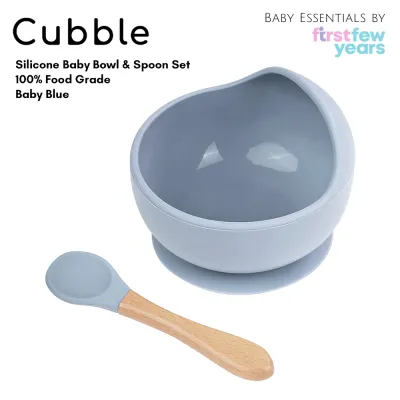
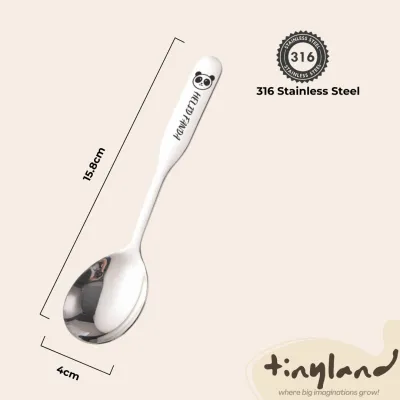
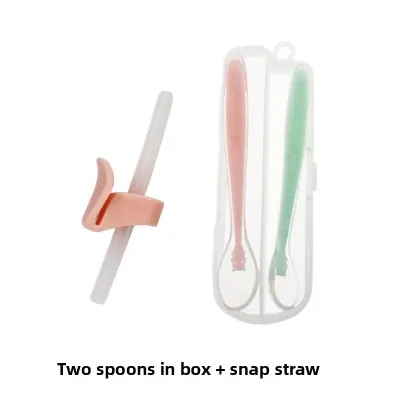
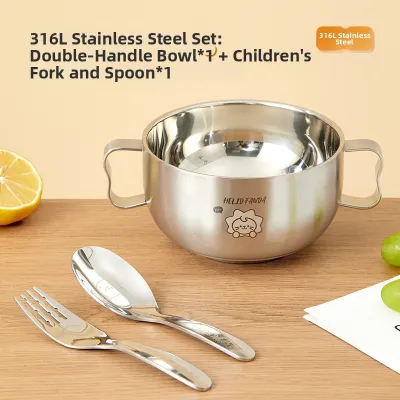
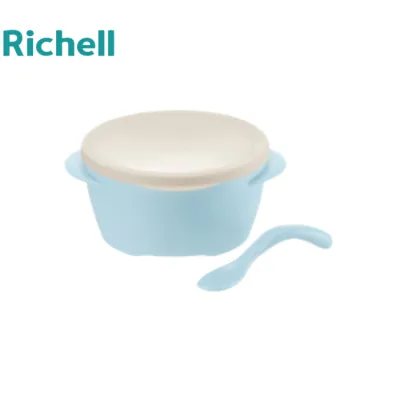
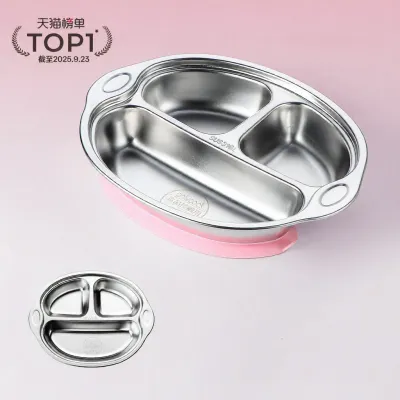
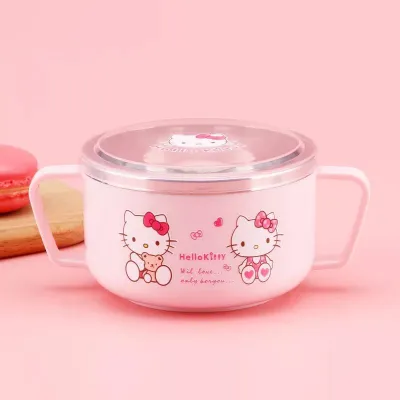
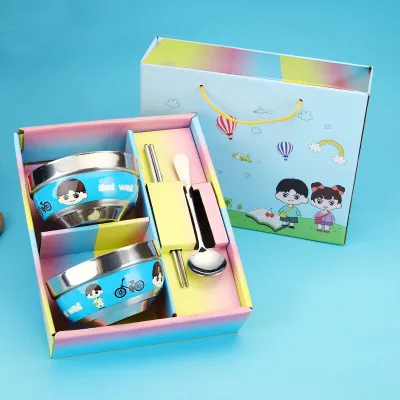
Prices are valid at publication and may change. Please refer to the product page for the latest price.

Silicone Baby Bowls
Food-grade silicone is highly popular for baby feeding bowls due to its flexibility and durability. When evaluating silicone, verify that the product is made from 100% food-grade silicone rather than a blend containing cheap plastic fillers. You can perform a simple check by pinching or twisting a flat section of the bowl; if white shows through the material, it may contain fillers. High-quality silicone is generally highly heat-resistant, but you must always check the manufacturer’s specific temperature limits before placing it in a microwave, oven, or boiling water sterilizer. While silicone is highly resistant to breaking when dropped, its soft texture means it can sometimes retain soapy tastes or food odors if not washed according to the manufacturer’s guidelines.
Plastic Baby Bowls
Plastic bowls are lightweight, highly affordable, and widely available, making them a common choice for many parents. However, safety evaluation for plastic requires careful inspection of product packaging for clear labels indicating the bowl is free from Bisphenol A (BPA), polyvinyl chloride (PVC), and phthalates. Even when labeled BPA-free, plastic bowls have lower heat tolerance compared to silicone or stainless steel. Exceeding the manufacturer’s recommended temperature limits—such as by microwaving food directly in the bowl or using high-heat steam sterilization—can accelerate the degradation of the plastic. You must regularly inspect plastic bowls for signs of wear, such as cloudiness, warping, or surface scratches, and replace them immediately if any degradation is visible.
Stainless Steel Baby Bowls
Stainless steel is highly valued for its exceptional durability, hygiene, and resistance to bacteria growth. When choosing a stainless steel baby feeding bowl, look for markings indicating food-grade quality, such as 304 or 18/8 stainless steel, which resist corrosion and rust. Many stainless steel baby bowls feature a double-walled design or a removable outer plastic sleeve to protect your baby’s hands from heat transfer, as metal conducts heat very rapidly. It is vital to remember that stainless steel is strictly incompatible with microwave ovens, meaning you must heat food in a separate container before serving. Additionally, ensure that any removable parts, such as silicone suction bases or plastic outer sleeves, are securely attached and inspected regularly to prevent dirt accumulation.
Bamboo and Wood Baby Bowls
Bamboo and wooden bowls offer a natural, aesthetic appeal that many parents find attractive. However, because natural wood and bamboo cannot be molded into a bowl shape without processing, they are typically constructed using glues, binders, and protective sealants. Before purchasing, you must verify that the manufacturer uses food-safe, non-toxic glues and finishes. In Singapore’s humid climate, natural materials require meticulous care to prevent moisture retention, which can lead to mold growth and bacterial accumulation in the wood grain. These bowls are strictly hand-wash-only and cannot be placed in dishwashers, steam sterilizers, or microwaves, as the intense heat and moisture will cause the wood to warp, crack, and split.
How to Verify Safety Labels and Manufacturer Instructions
To ensure you are using a baby feeding bowl safely, you must learn to read product packaging and user manuals independently rather than relying on marketing claims. Look for recognized food-contact safety symbols, such as the international wine glass and fork symbol, which indicates the material is approved for food use. Always check the packaging for age recommendations, as some bowls are designed specifically for older toddlers and may not be suitable for early weaning stages.
Cross-referencing sterilization compatibility is another crucial step. Do not assume that a bowl can go into a UV sterilizer, steam sterilizer, or boiling water just because it is marketed as “baby-safe.” Some plastics can degrade under UV light, while natural bamboo will split in a steam sterilizer. Always consult the specific product manual for approved cleaning methods. If you notice conflicting instructions on the packaging or if the manufacturer does not clearly state the sterilization limits, it is safest to stick to mild soap and warm water hand-washing, or contact the manufacturer directly for clarification.
Matching the Material to Your Baby's Feeding Stage
Aligning the bowl’s physical properties with your baby’s developmental milestones is key to both safety and convenience. During the early stages of weaning, typically around six months of age, babies lack the motor skills to keep a bowl steady. For this stage, a bowl with a strong silicone suction base is highly beneficial to prevent spills and keep the food within reach. Silicone or plastic bowls with soft, rounded edges are ideal here, as babies often try to grab and chew on the bowl itself.
As your baby transitions into a toddler and begins learning to carry their own tableware, weight and drop resistance become the primary concerns. A heavy stainless steel bowl might be too heavy for a young toddler to handle safely, while a fragile bamboo bowl could crack if thrown repeatedly from a high chair. Lightweight, shatterproof materials like high-quality plastic or durable silicone are excellent for this transitional phase. As your child’s motor skills improve and they begin eating warmer, more varied meals, you can gradually transition to double-walled stainless steel bowls, which keep food warm while remaining safe to touch.
Safe Cleaning, Sterilization, and Replacement Triggers
Maintaining your baby’s feeding bowl correctly is just as important as choosing the right material. You must adapt your washing and sterilization routines strictly to the limits specified by the manufacturer. For instance, while silicone can often withstand boiling water, harsh abrasive sponges can scratch the surface, creating tiny crevices where food particles and bacteria can hide. Always use soft sponges and mild, fragrance-free dish soap to clean baby tableware.
Knowing when to discard and replace a baby feeding bowl is critical for maintaining a hygienic feeding environment. For plastic bowls, any deep scratches, cloudiness, or warping are immediate triggers for replacement, as damaged plastic is harder to clean thoroughly. For silicone bowls, look out for a sticky residue or a persistent soapy smell that does not wash away, which can indicate material degradation. For bamboo and wood, inspect the surface regularly for any signs of splintering, cracking, or dark mold spots, and discard the bowl immediately if any of these occur. Stainless steel bowls should be replaced if they show signs of rusting, deep denting, or if the outer protective sleeve becomes loose.
Frequently Asked Questions (FAQ)
Can I put a bamboo baby bowl in the dishwasher or sterilizer?
No, you should never put a bamboo or wooden baby bowl in a dishwasher, steam sterilizer, or UV sterilizer. The high heat, prolonged water exposure, and intense drying cycles in dishwashers and steam sterilizers will cause the natural wood fibers to swell, warp, and crack. This structural damage not only ruins the bowl but also creates deep crevices where bacteria and mold can thrive. UV sterilizers can also degrade the protective food-safe sealants used on the bamboo. To keep a bamboo bowl safe and hygienic, wash it by hand with warm, soapy water, wipe it dry immediately, and allow it to air dry completely in a well-ventilated area.
Is scratched plastic unsafe even if it is labeled BPA-free?
Yes, a scratched plastic baby bowl should be replaced, even if it is certified BPA-free. When plastic becomes scratched, the physical integrity of the surface is compromised. These scratches create microscopic grooves that are incredibly difficult to clean and sanitize effectively, turning them into breeding grounds for bacteria and mold. Furthermore, physical damage to plastic can increase the likelihood of microplastic particles shedding into your baby’s food. If you notice visible scratches, scuffs, or a cloudy appearance on your plastic baby bowls, it is time to discard them and transition to a new bowl.
Do silicone bowls absorb food odors or stains over time?
Yes, food-grade silicone is a porous material that can sometimes absorb strong food odors, oils, and soap fragrances over time. To minimize this, avoid using highly scented dish soaps when washing silicone tableware. If your silicone bowl has developed a persistent odor or stain, many manufacturers recommend baking it in a conventional oven at a low temperature (around 120 to 150 degrees Celsius) for a short period, or soaking it in a mixture of warm water and white vinegar or baking soda. Always verify with the manufacturer’s care instructions before attempting these deep-cleaning methods to ensure you do not damage the bowl or void the warranty.
Community discussion
Share your experience or ask a question. Comments are reviewed before publication.