
Selecting the right waterproof bag for your child involves balancing two distinct sets of physical demands. A daily school commute requires structured support, specialized compartments for learning materials, and robust protection against sudden tropical downpours. Conversely, weekend family outings demand lightweight flexibility, quick-access storage, and materials that resist sand, mud, and pool splashes. By analyzing how your child moves through their day, you can identify the specific features that will keep their belongings dry and their growing bodies comfortable.
In Singapore’s highly variable tropical climate, a reliable waterproof bag is more than a convenience—it is a shield for expensive school tablets, textbooks, and daily essentials. Whether your child is navigating a sudden monsoon shower on their walk to the school bus or playing in the sand at East Coast Park, understanding the technical differences in bag construction will help you make a smart, lasting investment.
Assessing Your Child's Primary Bag Needs: School vs. Leisure
Before browsing online marketplaces or physical retail stores, parents must evaluate the primary environment where the bag will be used. A bag designed to survive a daily commute has a fundamentally different structural blueprint than one built for a casual family day trip. Misaligning these needs can lead to physical discomfort for your child or damaged school supplies.
Products mentioned in this guide
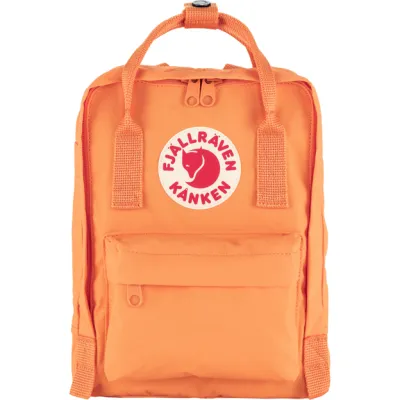
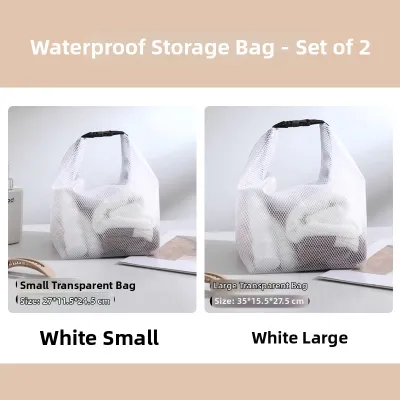
Prices are valid at publication and may change. Please refer to the product page for the latest price.
For the daily school commute, consider the physical journey. Many students walk to nearby MRT stations, wait at unsheltered bus stops, or traverse open school yards during sudden afternoon downpours. They must carry heavy loads, including A4-sized worksheets, textbooks, lunchboxes, and personal learning devices (PLDs). This daily routine requires a bag that prioritizes structural support and compartmentalization alongside its water-resistant properties.
For weekend leisure, the cargo and environment shift completely. During family trips to the Singapore Zoo, beach days at Sentosa, or outdoor play at local splash parks, the bag primarily holds lightweight, bulky items. Spare clothing, towels, sunscreen, snacks, and water bottles take precedence over structured books. In these scenarios, heavy internal dividers and rigid back panels become unnecessary weight, making a flexible, easily washable design far more practical.
To determine which category of bag dominates your household needs, run through this quick mental checklist:
- Primary Cargo: Will the bag mostly hold heavy, flat books and electronics, or soft, irregular items like clothing and toys?
- Duration of Wear: Will your child wear the bag for extended walks during commutes, or will it mostly sit in the stroller, car trunk, or picnic mat during outings?
- Exposure Level: Does the bag need to withstand continuous heavy rain during a walk home, or does it just need to resist poolside splashes and sandy ground?
- School Rules: Does your child's school enforce strict dress codes regarding bag colors and styles, or are you free to choose any design?
Waterproof Bags for Daily School Commutes in Singapore
Daily school bags must withstand heavy wear while protecting valuable contents from Singapore’s intense humidity and sudden rainstorms. When evaluating a waterproof school bag, capacity, internal organization, and ergonomic safety must take priority over simple aesthetics.

Capacity and Smart Organization
A high-quality school bag must comfortably accommodate standard A4 folders, textbooks, writing materials, and a lunchbox without bulging outward. Look for designs with dedicated internal compartments that keep heavy books positioned flat against the child’s back. This placement prevents the load from shifting backward, which can cause the child to lean forward unnaturally to compensate. External side pockets are also essential, allowing quick access to water bottles and compact umbrellas without needing to open the main waterproof compartment.
Ergonomics and Weight Distribution
Because school bags frequently carry heavy academic loads, proper ergonomics are vital for protecting a child’s developing spine. Look for wide, S-shaped shoulder straps featuring thick, breathable mesh padding to distribute pressure evenly across the shoulders. An adjustable chest strap is highly recommended; it keeps the shoulder straps securely positioned and prevents the bag from swaying during movement.
Before purchasing, parents should always check the manufacturer’s recommended age, height, and weight limits to ensure a proper fit. If your child experiences persistent shoulder discomfort or posture changes, stop using the bag immediately and consult a pediatric physiotherapist or medical professional.
Waterproofing Levels for Digital Learning
With many schools incorporating personal learning devices (PLDs) like tablets and laptops into daily lessons, protecting electronics from water damage is critical. Standard water-resistant fabrics may repel light drizzles, but they can saturate during a heavy downpour, allowing water to seep through standard stitched seams and zippers.
For reliable protection, look for bags constructed with high-density nylon or polyester treated with a durable water repellent (DWR) coating, or bags featuring thermoplastic polyurethane (TPU) lamination. Ensure the bag features sealed or taped seams and water-resistant zippers covered by fabric flaps. For maximum security during monsoons, some school bags feature an integrated, high-visibility rain cover stored in a bottom pocket that can be quickly pulled over the entire bag.
Visibility and Pedestrian Safety
Early morning school commutes and late-afternoon co-curricular activities (CCAs) often mean children are walking near roads during low-light conditions. To enhance safety, select bags that feature integrated reflective strips on both the front pocket and the shoulder straps. Brightly colored fabrics or high-visibility accents help bus drivers, cyclists, and motorists spot your child from a distance, especially during heavy rain when road visibility is severely compromised.
Waterproof Bags for Family Outings and Weekend Travel
Weekend outings call for a bag that emphasizes quick access, lightweight portability, and resistance to environmental elements like sand, mud, and saltwater. A heavy, structured school backpack is poorly suited for a day at the beach or a nature hike, making a specialized outdoor waterproof bag a highly practical addition to your gear collection.
Accessibility and On-the-Go Convenience
During outdoor activities, you and your child need to access items quickly without digging through multiple structured compartments. Outdoor waterproof bags, such as lightweight dry bags or simple roll-top backpacks, typically feature a single large main compartment. This design allows you to quickly stuff in towels, wet swimwear, or spare clothes. External mesh pockets are incredibly useful in this scenario, providing a dedicated space to store wet wipes, sunscreen, or soiled items away from the dry contents inside.
Durability Against Outdoor Elements
Outdoor bags are frequently placed on wet grass, sandy beaches, or muddy trails. The base of the bag must be constructed from highly durable, non-porous materials like heavy-duty, PVC-free tarpaulin or thick TPU. These materials prevent moisture from seeping upward when the bag is set on wet ground. Additionally, these fabrics do not trap sand particles in their weave, allowing you to easily shake off debris before loading the bag back into your car or home.
Size, Portability, and Flexibility
For casual outings, heavy internal padding and rigid frames are unnecessary. Choose a lightweight, flexible design that can easily fold down flat when empty. This allows you to pack the waterproof bag inside your primary travel luggage or diaper bag, pulling it out only when needed for water play or beach excursions. A compact, soft-sided dry bag with a single shoulder strap is often easier for a parent to carry alongside other gear, or light enough for a child to carry themselves without fatigue.
Easy Cleaning and Maintenance
Outdoor play inevitably leads to mud, spilled juice, and sunscreen stains. To maintain hygiene and prevent mold growth in Singapore’s humid air, choose materials that can be quickly wiped clean.
Before attempting to wash any waterproof bag, always check the product’s care label and the manufacturer’s specific cleaning instructions. Avoid using harsh detergents, bleach, or hot water, as these can permanently degrade the waterproof coatings and delaminate the sealed seams. Never tumble-dry a waterproof bag unless the manufacturer explicitly states it is safe to do so.
Cross-Scenario Compatibility: Do You Need One Bag or Two?
Deciding whether to purchase a single hybrid bag or invest in two specialized bags depends heavily on your family’s lifestyle, budget, and storage space. Both approaches offer distinct practical and financial trade-offs.
When a Hybrid Bag Works
A single, versatile hybrid bag is an excellent choice for families who prioritize minimalism and want to avoid household clutter. A medium-sized, durable waterproof backpack with removable internal organizers can transition smoothly from school to weekend play. By removing the rigid book dividers on Friday evening, you instantly convert the bag into a spacious, flexible daypack suitable for a Saturday morning hike at Bukit Timah Nature Reserve. This approach saves storage space in compact apartments and maximizes the value of a single high-quality purchase.
When Separate Bags are Necessary
For many families, separating school and leisure gear is the most practical choice. If your child’s daily school commute requires a highly structured, heavy-duty ergonomic backpack to support heavy textbooks, using that same bulky bag for a beach trip is highly impractical. The rigid frame will make it awkward to pack, and exposure to fine beach sand and saltwater can damage the complex zippers and breathable back padding.
In this scenario, it is best to invest in a dedicated, premium ergonomic bag for school, and a simple, inexpensive roll-top dry bag for outdoor outings. This division of labor extends the lifespan of both bags, ensuring the expensive school backpack remains clean, structured, and presentable for the classroom.
Cost and Storage Considerations
While buying two bags requires a higher upfront cost, it often proves more economical over time. Using a single hybrid bag for every activity subjects it to continuous wear and tear, meaning you may need to replace it much sooner. Splitting the usage keeps both bags in better condition.
When calculating your budget, consider that a highly specialized ergonomic school bag typically ranges from S$80 to S$150, while a simple, durable outdoor dry bag can be found for S$20 to S$40. Weigh this combined financial investment against your available home storage space and how frequently your family participates in outdoor water activities.
Essential Safety and Quality Checks Before You Buy
Before finalizing your purchase, look past generic marketing buzzwords and perform a systematic check of the bag’s specifications, physical hardware, and safety features.
Verify Waterproof Claims
Do not rely solely on terms like “waterproof” or “rainproof” printed on the packaging. Read the product specifications to identify the exact materials and construction methods used. Look for terms like “welded seams” or “taped seams,” which indicate that the joints are physically sealed against water penetration. If the bag uses standard stitched seams without tape, it is water-resistant rather than truly waterproof, meaning it will eventually leak during prolonged exposure to heavy rain.
Inspect Safety Standards and Hardware
Carefully inspect all physical hardware, including zippers, buckles, drawstrings, and adjustment straps. Ensure that these components are sturdy and do not pose pinching, choking, or entanglement hazards, especially for younger children. Check the product tag for recognized safety and non-toxic material compliance marks, which indicate that the plastics and dyes used in the bag’s construction have been tested for safety.
Confirm Weight Limits and Posture Guidelines
Always adhere to the manufacturer’s specified maximum load capacity. Overloading a bag not only risks tearing the seams and damaging the waterproof lining but also places dangerous strain on your child’s shoulders and lower back. As a general health guideline, a child’s loaded backpack should never exceed 10% to 15% of their total body weight. Regularly check the contents of your child’s bag to remove unnecessary items and ensure they are only carrying what is essential for the day.
Frequently Asked Questions (FAQ)
How do I clean a waterproof bag after a beach trip?
To clean the bag safely without damaging its protective coatings, first shake out all loose sand from the interior and exterior pockets. Rinse the entire bag thoroughly with cool, fresh water to wash away remaining sand particles and corrosive salt residue. Wipe down the surfaces with a soft, damp microfiber cloth. Always check the manufacturer’s care label before using any mild soaps, and avoid harsh chemical detergents. Hang the bag to air dry completely in a well-ventilated indoor area, keeping it away from direct sunlight to prevent UV damage to the waterproof membranes.
Are roll-top waterproof bags safe for young children to use?
Roll-top closures offer exceptional protection against water and sand, but they require a certain level of manual dexterity to roll down and buckle securely. For younger children, this mechanism can be frustrating and may lead to the bag being left improperly closed, exposing their gear to rain. Younger kids generally benefit from simpler closure systems, such as smooth, oversized water-resistant zippers or magnetic flap closures. Roll-top bags are highly safe and effective but are generally better suited for older children who can independently secure the seal.

Community discussion
Share your experience or ask a question. Comments are reviewed before publication.