
Choosing the right baby food involves more than reading the age recommendation on a box. While Japanese baby food brands like Wakado offer highly structured, stage-based products designed to support early development, every infant progresses at an individual pace. To select the most suitable options, parents must align the product’s texture, ingredients, and preparation style with their child’s physical readiness and nutritional requirements. This approach ensures that mealtime remains both safe and supportive of developing oral motor skills.
Recognizing Your Baby's Feeding Readiness and Developmental Stage
Before purchasing any packaged baby food, caregivers should evaluate whether an infant is physically prepared to handle solid foods. Chronological age is a helpful baseline, but physical milestones offer a far more accurate measure of readiness. A baby is generally ready to begin first foods when they can hold their head steady without assistance, sit upright with minimal support in a high chair, and show active interest in family meals. Another critical indicator is the disappearance of the tongue-thrust reflex, which naturally pushes solid objects out of the mouth to prevent choking.
Relying solely on the age printed on a package can lead to premature transitions. For instance, a product labeled for infants aged seven months might contain soft, small lumps that require active chewing. If a seven-month-old baby has not yet mastered moving food from the front of the mouth to the back, these lumps can trigger a strong gag reflex or cause the baby to spit out the food. Observing how your baby handles basic purees—specifically whether they swallow smoothly without coughing or pocketing food in their cheeks—provides the necessary cue to advance or stay at the current level.
Products mentioned in this guide
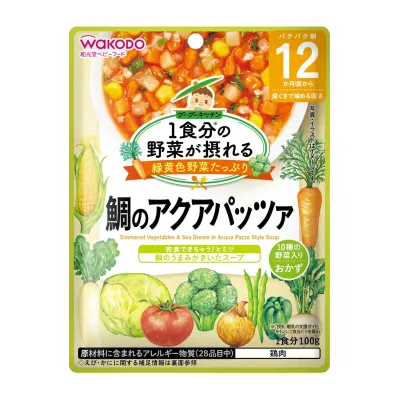
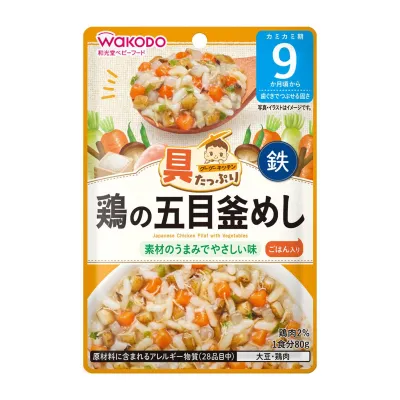
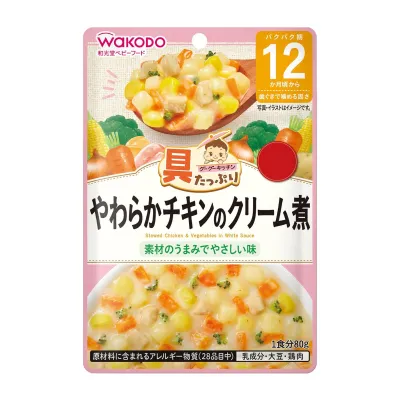
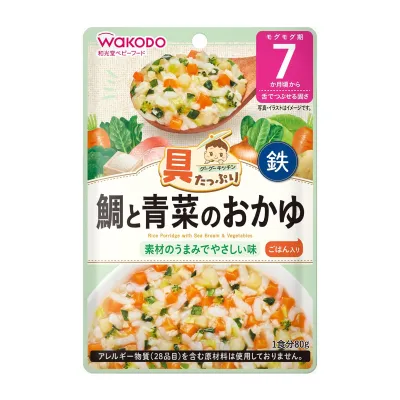
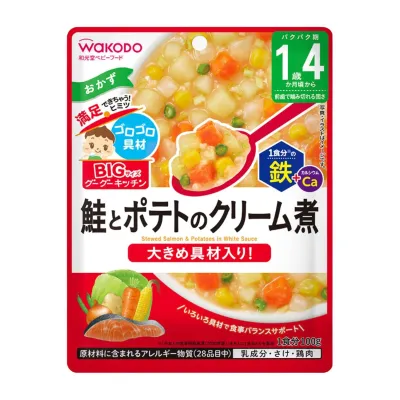
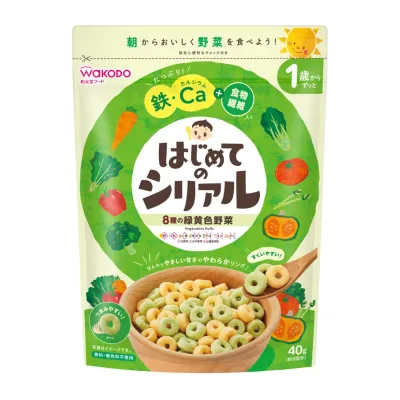
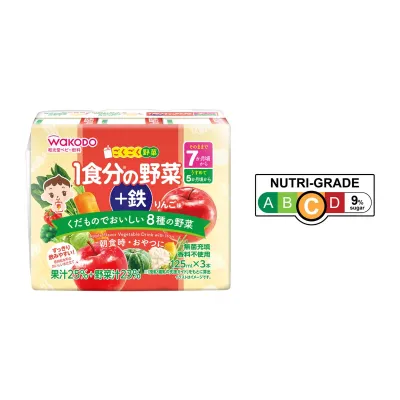
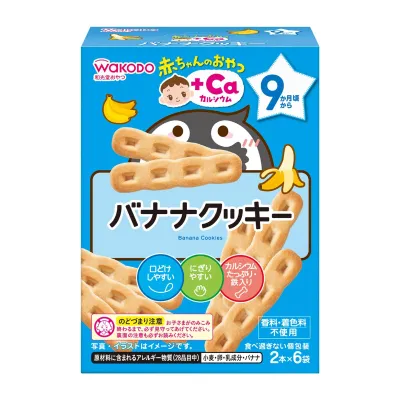
Prices are valid at publication and may change. Please refer to the product page for the latest price.
If a baby consistently pushes food out of their mouth, cries during feedings, or gags frequently on smooth textures, these are clear signs that they require more time. Forcing a transition before oral motor skills have matured can create negative associations with eating and increase safety risks. In such cases, it is best to pause, continue with breast milk or formula, and reintroduce simple, smooth textures a week or two later when the baby shows improved coordination.
Decoding Wakado Packaging Labels and Age Indicators
Wakado products are widely recognized for their color-coded packaging and prominent age indicators, which typically categorize foods into stages starting from 5 months, 7 months, 9 months, and 12 months or older. These indicators are designed to guide parents through a progressive texture ladder. When shopping at local retailers or an online marketplace in Singapore, look for the bold numbers on the front of the box or pouch, which clearly state the target age range. Understanding these stages helps narrow down the options, but verifying the actual texture description remains essential.

Because Wakado is a Japanese brand, the packaging often features Japanese characters alongside English translation labels applied by local distributors. It is crucial to inspect these translated labels to verify the exact texture description, such as “smooth puree” for early stages, “soft mash” or “minced” for intermediate stages, and “soft chunks” or “bite-sized pieces” for older infants. Ensuring that the physical consistency matches your baby’s current chewing ability—whether they are gumming soft foods or beginning to use emerging teeth—prevents swallowing difficulties.
Beyond age and texture, parents must carefully review the ingredient list and allergen declarations on the back of the packaging. Japanese food labeling regulations require the disclosure of common allergens, which are often highlighted in a dedicated table or grid on the box. When purchasing imported products, verify that the English translation accurately lists all ingredients, additives, and potential cross-contaminants. Checking for added salt, sugar, or artificial preservatives is also recommended, as early baby foods should ideally focus on simple, wholesome ingredients without unnecessary additives.
Matching Textures and Nutrients to Your Baby's Evolving Needs
During the initial stage of weaning, which typically begins around five to six months of age, the primary focus is on introducing the concept of swallowing non-liquid foods. Wakado products designed for this stage feature ultra-smooth, watery purees made from single ingredients like rice, pumpkin, or sweet potato. At this point, breast milk or infant formula still provides the vast majority of the baby’s nutrition. However, as iron stores accumulated during pregnancy begin to deplete around six months, parents should verify that subsequent food choices help bridge this nutritional gap by checking ingredient labels for iron-rich components.
As infants reach the middle stages, usually around seven to eight months, their tongue movement transitions from a simple front-to-back motion to an up-and-down crushing motion. Wakado products for this stage introduce soft, tiny lumps suspended in a thick liquid or paste, such as soft rice porridge or finely minced vegetables. This texture encourages the baby to use their tongue and gums to mash food before swallowing. Introducing a wider variety of flavors during this phase—such as mild fish, chicken, or mixed vegetable blends—helps stimulate palate development and reduces the likelihood of picky eating habits later on.
By nine to eleven months, babies typically begin to develop a pincer grasp and show a desire to feed themselves. Wakado products for this older stage feature larger, soft minced pieces and small chewable chunks that can be easily crushed between the gums. These textures are designed to build jaw strength and coordination, preparing the child for family table foods. Many of these products are packaged as convenient ready-to-eat meals or dry mixes that can be easily prepared to support self-feeding practice under close supervision.
When selecting products across these stages, it is beneficial to cross-reference your baby’s specific dietary needs with the declared nutritional profile on the packaging. For example, if a pediatrician recommends increasing calcium or iron intake, look for specific Wakado formulations that incorporate ingredients like spinach, small fish, or fortified grains. Balancing convenient packaged meals with freshly prepared home foods ensures a diverse, nutrient-dense diet that supports healthy growth and development.
Safe Transitioning and When to Pause or Seek Help
Transitioning between different food stages should always be a gradual process. When introducing a new Wakado product line or a single-ingredient puree, implement a standard waiting period of three to five days before introducing another new food. This systematic approach allows parents to isolate and identify the source of any adverse reaction. During this transition window, closely monitor your baby for early signs of allergic reactions, such as skin rashes, hives, swelling around the mouth, or sudden digestive changes like vomiting, diarrhea, or unusual fussiness.
Texture transitions also require careful observation to prevent choking hazards. While gagging is a normal, protective reflex that helps babies move food forward when it is too difficult to swallow, frequent or severe choking episodes indicate that the food texture is too advanced. Always supervise your baby closely during every meal, ensuring they sit fully upright and are never left alone with food. If your baby struggles with a new texture, revert to the previous, smoother stage for a week or two before attempting the transition again.
There are specific situations where parents should pause the introduction of solid foods and seek professional guidance. If your baby exhibits persistent difficulty swallowing, frequent vomiting, or severe abdominal pain after eating, consult a pediatrician immediately. Additionally, if you notice signs of delayed oral motor skills—such as an inability to move food to the back of the mouth, constant pocketing of food in the cheeks, or a complete refusal to accept any textures other than smooth purees past nine months of age—a professional evaluation by a pediatric dietitian or speech therapist can provide tailored support.
Frequently Asked Questions (FAQ)
Can I mix different textures if my baby is transitioning between stages?
Yes, mixing different textures is an effective way to help your baby transition gradually between stages. If your baby is moving from smooth purees to soft lumps, you can blend a small amount of a thicker, textured Wakado product into a familiar, smooth puree. This gradual adjustment allows the baby to get used to small particles without becoming overwhelmed by a sudden change in consistency. Always monitor your baby’s swallowing response during the meal, and adjust the ratio of smooth to textured food based on their comfort and swallowing ability.
How do I identify potential allergens in Wakado baby food products?
To identify potential allergens, carefully examine the ingredient list and the standardized allergen warning box on the Wakado packaging. Japanese products often feature a clear grid indicating the presence of common allergens such as wheat, egg, milk, buckwheat, peanut, shrimp, and crab. When purchasing these products in Singapore, ensure the distributor’s English label is present and fully translated. When introducing a product containing a potential allergen, offer it in a very small quantity on its own, and observe your baby for any signs of skin rashes, swelling, or digestive changes over the next few days.
When should I consult a pediatrician before changing my baby's food stage?
You should consult a pediatrician or a pediatric healthcare professional if your baby shows persistent signs of developmental or physical distress during transitions. Red flags include ongoing gagging or choking, pocketing food in the cheeks without swallowing, significant weight loss, or a complete refusal to eat. Additionally, if your baby has a known history of severe food allergies, gastroesophageal reflux, or other underlying medical conditions, it is highly recommended to seek professional guidance to establish a safe, customized feeding plan before advancing to more complex food stages.
Community discussion
Share your experience or ask a question. Comments are reviewed before publication.