
Choosing the right sterilising method for your baby’s bottles is essential for protecting their developing immune system. While steam and boiling are common, cold-water sterilising tablets offer a highly convenient, portable alternative. These tablets rely on active chemical agents—most commonly sodium dichloroisocyanurate (NaDCC)—which release a controlled amount of free chlorine to eliminate pathogens. Because different baby bottle materials react uniquely to chemical exposure, understanding how these tablets interact with glass, polypropylene (PP), and polyphenylsulfone (PPSU) is crucial for maintaining bottle integrity and ensuring infant safety.
The compatibility of a sterilising tablet depends heavily on the physical and chemical properties of the bottle material. Glass bottles are highly inert and resist chemical wear, making them compatible with almost any standard baby-safe sterilising tablet. In contrast, plastic bottles made of PP or PPSU require more vigilance. PP is a softer plastic that can degrade, cloud, or absorb odors over time when exposed to improper chemical concentrations. PPSU is a highly durable, medical-grade plastic that withstands chemical exposure much better than PP, but still requires careful adherence to manufacturer guidelines to prevent surface degradation. By matching the right tablet formulation to your specific bottle material and following precise preparation protocols, you can keep your baby’s feeding equipment sterile without compromising its lifespan.
Understanding Baby Bottle Material Tolerances
Before selecting a sterilising tablet, caregivers must understand the baseline physical and chemical tolerances of the three primary baby bottle materials. Glass remains a traditional favorite due to its non-porous surface. Because glass does not absorb liquids, chemicals, or odors, it is completely unaffected by the oxidising agents found in sterilising tablets. The primary risk with glass is physical rather than chemical; sudden temperature changes can cause thermal shock, and physical impacts can lead to chips or shattering. When using sterilising tablets with glass, the focus is entirely on safe handling and ensuring complete rinsing.
Products mentioned in this guide
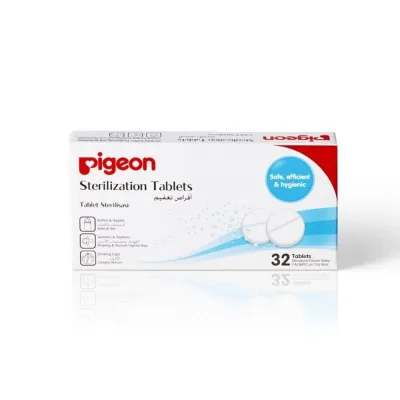
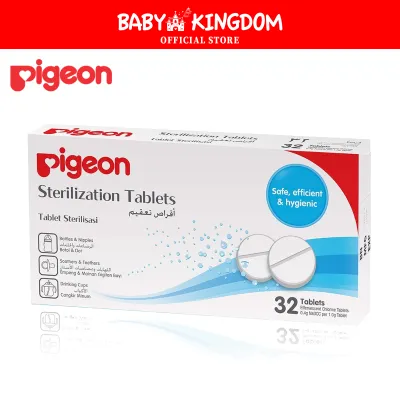
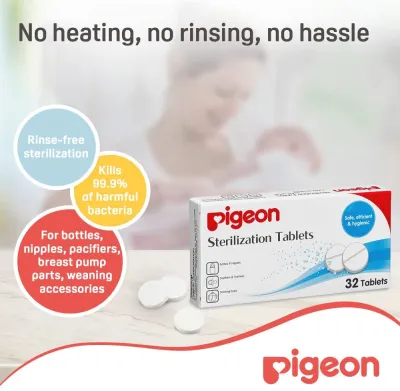
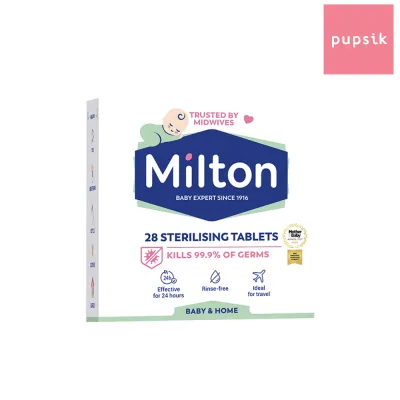
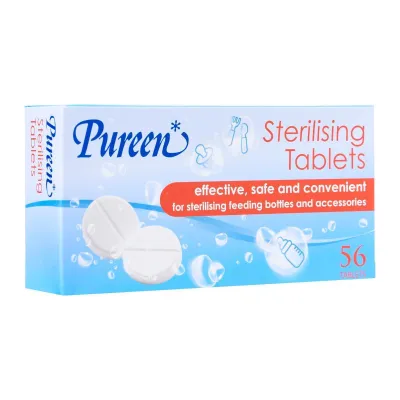
Prices are valid at publication and may change. Please refer to the product page for the latest price.
Polypropylene, commonly labeled as PP, is a lightweight, flexible, and budget-friendly plastic widely used in baby bottles. While PP is generally resistant to mild acids and bases, it has a relatively low surface hardness. This makes PP bottles highly susceptible to micro-scratches from bottle brushes during cleaning. These tiny scratches create microscopic crevices where chemical residues from sterilising tablets can settle, potentially leading to persistent odors or accelerated material aging. Over time, repeated exposure to strong oxidising agents can cause PP to lose its flexibility, leading to a cloudy appearance, brittleness, and eventual cracking.
Polyphenylsulfone, or PPSU, is a premium, medical-grade plastic easily identified by its natural honey or amber tint. PPSU combines the lightweight convenience of plastic with high heat resistance and exceptional chemical durability. It can withstand repeated sterilisation cycles—whether steam, boiling, or chemical—far better than PP. However, PPSU is still an organic polymer. While highly resistant to environmental stress cracking, prolonged exposure to highly concentrated chlorine solutions can slowly degrade the polymer chains. This degradation can manifest as a fading of the amber tint or a subtle change in surface texture, making it essential to verify the bottle manufacturer’s chemical compatibility warnings.
Evaluating Sterilising Tablet Labels and Ingredients
Not all sterilising tablets are created equal, and using the wrong product can damage baby bottles or leave harmful residues. The first step in evaluating any sterilising tablet is to inspect the active ingredients on the packaging. Most reputable baby-specific sterilising tablets use sodium dichloroisocyanurate (NaDCC) as the active agent. NaDCC is highly effective because it releases a consistent, controlled level of free chlorine when dissolved in water, which rapidly disinfects surfaces without the extreme corrosiveness associated with liquid household bleach.

When shopping for sterilising tablets, look for explicit declarations on the label indicating the product is safe for infant feeding equipment or food-contact surfaces. Avoid generic household disinfectants, laundry bleaching tablets, or swimming pool chlorine tablets. These industrial-grade products often contain high concentrations of chlorine, along with added fragrances, surfactants, and stabilizing chemicals that are highly toxic if ingested and nearly impossible to rinse completely from plastic bottle walls.
Additionally, check the packaging for specific material compatibility claims. High-quality brands will often state that their tablets are safe for use on plastics, silicone, and glass. If you are using PPSU bottles, look for tablets that specify compatibility with high-performance polymers or medical-grade plastics. Finally, review the manufacturer’s rinsing instructions. While some tablets are marketed as “no-rinse,” this claim is typically based on a highly precise dilution ratio. If you are concerned about chemical odors or are sterilising older, scratched plastic bottles, you should plan to rinse the items with previously boiled and cooled water.
Matching Tablets to Glass, PP, and PPSU Bottles
To ensure the longevity of your baby bottles, you must match the sterilising tablet to the specific material characteristics of each bottle type. Glass bottles offer the widest compatibility margin. Because glass is chemically inert, you do not need to worry about chemical degradation, clouding, or odor absorption. The primary precaution when sterilising glass bottles with tablets is to ensure the tablet is completely dissolved in the water before submerging the bottles. Undissolved granules settling directly onto the glass surface will not cause chemical damage, but they can create highly concentrated spots that are difficult to rinse off.
For PP bottles, the selection process must be much more conservative. Because PP is prone to absorbing odors and degrading under chemical stress, you must use tablets explicitly labeled as safe for standard plastics. Avoid any tablets that do not clearly state they are non-corrosive to polymers. When sterilising PP, it is critical to monitor the physical state of the bottles. If a PP bottle begins to show signs of wear, such as micro-scratches or a dull, cloudy finish, it will absorb the sterilising solution more readily, making thorough rinsing even more critical to prevent chemical taste transfer.
PPSU bottles, despite their high durability, require a balanced approach. Because PPSU is an expensive investment, you should always cross-reference the sterilising tablet’s instructions with the bottle manufacturer’s care manual. Some premium PPSU bottle brands explicitly approve cold-water chemical sterilisation, while others may caution against it in favor of steam or boiling. If approved, ensure the tablet formulation is gentle and designed for high-grade plastics. The table below outlines how to match material traits with the necessary tablet label claims and observable checks.
| Bottle Material | Chemical Resistance | Risk of Chemical Absorption | Required Tablet Label Claims | Key Observable Check |
|---|---|---|---|---|
| Glass | Excellent (Inert) | None | Food-contact safe, baby-specific | Check for physical chips, cracks, or thermal damage |
| PP (Polypropylene) | Moderate | Moderate (high if scratched) | Plastic-safe, non-corrosive, baby-specific | Check for persistent cloudiness, yellowing, or sticky texture |
| PPSU (Polyphenylsulfone) | High | Low to Moderate | Plastic-safe, medical-grade compatible | Check for fading of amber tint or lingering chemical odor |
Safe Preparation, Soaking, and Rinsing Protocols
Using sterilising tablets safely requires strict adherence to preparation, soaking, and rinsing protocols. The process begins with clean hands and a thoroughly washed bottle. Before sterilising, wash all bottle parts, teats, and collars in warm, soapy water using a dedicated bottle brush to remove all milk residue. Rinse them thoroughly under running water. Any remaining milk fat or protein can react with the sterilising chemical, reducing its effectiveness and potentially creating unpleasant odors.
Next, prepare the sterilising solution by following the manufacturer’s exact water-to-tablet ratio. Typically, this involves dissolving one tablet in a specific volume of cold water, such as 2.3 litres or 5 pints. Always use cold or room-temperature tap water. Never use warm or hot water to dissolve the tablet unless the instructions explicitly direct you to do so. Heat causes the active chlorine compound to release too rapidly into the air, which reduces the sanitizing strength of the solution and creates strong, irritating chemical fumes in your kitchen. Ensure the tablet is completely dissolved before submerging any equipment.
Submerge all bottle components completely in the solution, ensuring no air bubbles are trapped inside the bottles or teats, as trapped air prevents the sterilising solution from contacting the surface. Observe the exact soaking time recommended by the tablet manufacturer, which is usually 30 minutes. Avoid leaving plastic PP or PPSU bottles in the solution for extended periods, such as overnight or for several days. Prolonged exposure to oxidising agents can slowly break down the polymer chains in plastics, leading to premature aging, stickiness, or structural weakness.
Once the soaking time is complete, remove the items with clean sterilising tongs. While many baby-specific tablets are formulated to be safe without rinsing, many parents prefer to rinse to eliminate any faint chlorine smell. If you choose to rinse, use only previously boiled and cooled water to avoid recontaminating the sterile surfaces. Finally, place the bottles and components upside down on a dedicated, clean drying rack in a well-ventilated area. Allow them to air-dry completely; do not wipe them with kitchen towels or tea cloths, which can introduce bacteria and lint back onto the sterile surfaces.
Signs of Degradation: When to Change Your Routine or Replace Bottles
Even when using high-quality sterilising tablets and following instructions perfectly, baby bottles will eventually show signs of wear. Caregivers must regularly inspect bottles for visual and sensory cues of material degradation. For PP bottles, the most common visual cue is persistent cloudiness that does not wash away, a yellowing of the plastic, or the appearance of “crazing”—a network of fine, microscopic cracks on the surface. For PPSU bottles, look for a noticeable fading of the natural amber tint or a change in the surface texture, such as a rough or matte feel.
Sensory cues are equally important indicators of degradation. If a PP or PPSU bottle retains a strong, chemical, or bleach-like odor even after thorough rinsing and complete air-drying, the plastic has likely absorbed the sterilising agent. This typically happens when the bottle’s surface has been compromised by micro-scratches or polymer breakdown. Another critical warning sign is a sticky or tacky film on the plastic surface that persists after washing. This stickiness indicates that the polymer structure of the plastic is actively breaking down, which can compromise the bottle’s structural integrity.
If you observe any of these visual or sensory signs of degradation, you must take immediate action. Stop using the current sterilising tablet routine for those specific bottles. If the bottles themselves are cloudy, scratched, sticky, or cracked, discard them immediately and replace them with new ones. Continuing to use degraded plastic bottles can lead to chemical leaching or physical failure during feeding. If the bottles are still relatively new but show rapid wear, consider switching to a different sterilising method, such as a dedicated steam steriliser, or consult the bottle manufacturer for alternative care recommendations.
Frequently Asked Questions (FAQ)
Can I use regular household sterilising tablets for baby bottles?
No. Regular household sterilising or bleach tablets are formulated for general home disinfection, such as cleaning floors, toilets, or laundry. These products contain much higher concentrations of active chlorine and often include added fragrances, surfactants, and stabilizing chemicals that are not food-safe. Using household tablets on baby bottles poses a severe risk of chemical ingestion for your infant and can rapidly degrade the plastic and silicone components of the bottles. Always use tablets that are explicitly labeled as safe for infant feeding equipment and food-contact surfaces.
Do sterilising tablets leave a taste or smell on PPSU or PP bottles?
Sterilising tablets can leave a mild, pool-like chlorine smell if the solution is mixed incorrectly or if the bottles are not allowed to dry properly. Because PP and PPSU are polymers, they are more prone to absorbing odors than glass, especially if they have micro-scratches from cleaning. To prevent this, always follow the manufacturer’s exact dilution ratios, rinse the sterilised bottles with previously boiled and cooled water, and allow them to air-dry completely on a clean rack. The residual chlorine scent is highly volatile and will naturally dissipate as the bottle dries.
Community discussion
Share your experience or ask a question. Comments are reviewed before publication.