
Selecting the right infant formula requires matching your baby’s developmental stage with their specific digestive tolerance. Similac offers a diverse range of formulas in Singapore, categorized by numerical stages to support age-appropriate growth and specialized variants to address different digestive needs. Navigating these options involves understanding how these formulations differ and verifying your selection with your pediatrician to ensure it supports your baby’s unique health profile.
To make an informed decision, you must look closely at the product labels, understand the role of key ingredients, and monitor how your baby responds to each feed. This guide outlines the stages, maps the variants to common infant profiles, and provides practical steps for safe preparation and transition.
Understanding Similac Formula Stages by Age
Infant formulas are systematically structured into numerical stages to align with a baby’s changing physiological needs and digestive capacity. As infants grow, their nutritional requirements shift from exclusive milk feeding to a mixed diet containing solid foods. Similac categorizes its range into distinct stages to reflect these developmental milestones.
Products mentioned in this guide
![[Bundle of 3] Similac Total Comfort Stage 3 Baby Milk Powder Formula 2-FL 820g (1 year onwards)](https://img.lazcdn.com/g/p/6ac5da0fb0ebc8c24917013eb2ed8c86.jpg_400x400q80.jpg_.webp)
![[Bundle of 6] Similac Total Comfort Stage 3 Baby Milk Powder Formula 2-FL 820g (1 year onwards)](https://img.lazcdn.com/g/p/82a9d4f14c4f7b886ca0fff41881ff4b.jpg_400x400q80.jpg_.webp)
![[Bundle of 4] Similac Total Comfort Stage 3 Baby Milk Powder Formula 2-FL 820g (1 year onwards)](https://img.lazcdn.com/g/p/894b3e80ee081ccced018dd655c66060.jpg_400x400q80.jpg_.webp)

Prices are valid at publication and may change. Please refer to the product page for the latest price.
Stage 1 formulas are designed for newborns and infants from birth up to six months of age. During this initial phase, the infant’s digestive system is highly delicate, and breast milk or Stage 1 formula serves as the sole source of nutrition. These formulations focus on highly digestible protein ratios and specific fat blends that mimic the easy absorption required by a newborn’s gut.
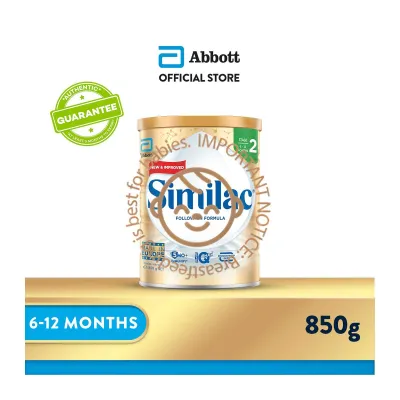
Stage 2 formulas, often referred to as follow-on formulas, are formulated for infants aged six to twelve months. This stage coincides with the introduction of complementary solid foods. The nutritional profile of Stage 2 formula shifts to accommodate this transition, typically featuring adjusted ratios of protein, calcium, and iron to complement the nutrients your baby begins to receive from solids.
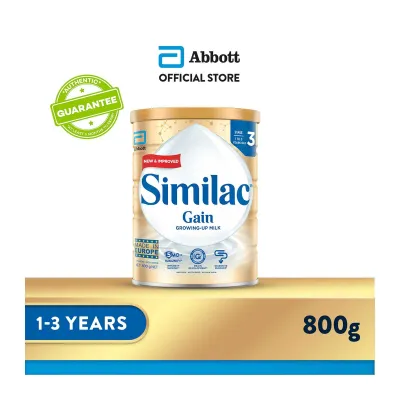
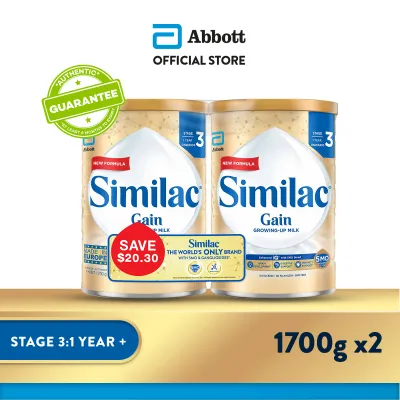
Stage 3 formulas are tailored for toddlers aged twelve months and older. At this stage, toddlers are increasingly active and consume a wider variety of family meals. Stage 3 formulations act as a nutritional supplement to support this active growth phase, often containing fortified levels of vitamin D, calcium, and zinc to help fill potential gaps in a toddler’s daily diet.
Because regulatory standards and product availability can vary, always verify the exact age recommendations, serving sizes, and preparation instructions printed on the specific packaging available in your local Singapore retail store. Do not rely solely on general stage numbers, as product formulations are updated periodically to meet local nutritional guidelines.
Matching Similac Variants to Your Baby's Needs
Beyond selecting the correct stage based on age, you must choose a formula variant that matches your baby’s digestive comfort and health profile. Similac offers several variants designed for different digestive capabilities, ranging from standard options for typical growth to highly specialized medical formulas.
These variants are broadly categorized into standard nutrition, gentle or partially hydrolyzed formulas, extensively hydrolyzed hypoallergenic formulas, and specialized medical options. Identifying your baby’s specific digestive patterns—such as typical tolerance, mild gas, or diagnosed food allergies—will guide you toward the appropriate category.
When browsing retail shelves or online stores in Singapore, pay close attention to the descriptive labels on the tins. Commercial names and branding can vary across different markets, so verifying the active ingredients and protein structures on the ingredient list is the most reliable way to identify the correct variant.
Standard and Growth Formulas
Standard formulas are designed as the baseline option for healthy infants who do not exhibit signs of food allergies, severe digestive sensitivities, or metabolic issues. These formulas utilize intact cow’s milk proteins as their primary protein source, providing complete nutrition that supports typical growth and development.
When examining the label of a standard Similac formula, look for core developmental nutrients such as docosahexaenoic acid (DHA) and arachidonic acid (ARA), which support brain and eye development. Additionally, standard variants often include prebiotics, such as specific oligosaccharides, which help support a healthy gut microbiome and promote softer stools.
For the vast majority of infants, standard formulas are the default and most appropriate choice. Unless your pediatrician advises otherwise based on specific clinical observations or symptoms, starting with a standard Stage 1 formula is the recommended path for non-breastfed infants.
Gentle and Comfort Formulas
Some infants experience mild digestive discomfort that, while not indicative of a medical allergy, can cause fussiness and distress. Common signs that may suggest a need for a gentler formula include frequent mild gas, occasional fussiness after feeding, or minor spit-up.
Gentle or comfort variants address these issues by utilizing partially hydrolyzed proteins. In these formulas, the long cow’s milk protein chains are partially broken down into smaller pieces, making them easier for a developing digestive system to process. Some comfort variants also feature reduced lactose levels to assist babies who have temporary difficulty digesting lactose.
It is important to distinguish between partially hydrolyzed formulas and extensively hydrolyzed hypoallergenic formulas. Partially hydrolyzed formulas are not suitable for infants with a diagnosed cow’s milk protein allergy, as the protein fragments are still large enough to trigger an allergic response. If your baby’s digestive symptoms persist, worsen, or are accompanied by poor weight gain, consult your pediatrician immediately.
Hypoallergenic and Specialized Formulas
Hypoallergenic and specialized formulas are therapeutic products designed for infants with diagnosed medical conditions. These include cow’s milk protein allergy (CMPA), severe malabsorption issues, or specific metabolic requirements that prevent them from digesting standard or gentle formulas.
Hypoallergenic variants typically feature extensively hydrolyzed proteins, where the protein chains are broken down so minutely that the infant’s immune system is highly unlikely to recognize them as allergens. For extremely severe cases, amino acid-based formulas, which contain no cow’s milk proteins at all, may be required.
These specialized medical formulas must strictly be used under direct pediatric supervision and prescription. Never switch your baby to a hypoallergenic or specialized formula without consulting a healthcare professional, as improper use can mask underlying medical issues. Additionally, always follow the precise preparation and mixing instructions on these specific labels, as their physical properties and density can differ from standard powders.
How to Safely Transition Between Stages and Variants
Introducing a new formula stage or variant requires a careful, structured approach to minimize the risk of digestive upset. A baby’s gastrointestinal tract is highly sensitive to changes in protein structures, prebiotic blends, and nutrient concentrations, meaning abrupt switches can lead to temporary feeding issues.
To allow your baby’s digestive system to adapt, plan a gradual transition over a period of three to seven days. You can achieve this by gradually replacing one feed per day with the new formula, or by mixing the old and new powders in a single bottle if approved by your pediatrician. A typical transition schedule might involve feeding 75% of the current formula and 25% of the new formula for the first two days, followed by a 50/50 mix for the next two days, and a 25/75 mix for days five and six, before moving fully to the new formula on day seven.
During this transition period, closely monitor your baby for signs of successful adaptation. Normal adaptation includes maintaining a consistent feeding schedule, steady weight gain, and stool consistency that remains soft and easy to pass. It is common to observe minor, temporary changes in stool color or frequency during a transition.
Conversely, watch for clear signs of intolerance or allergic reaction. These include persistent vomiting, severe diarrhea, blood or mucus in the stool, sudden skin rashes or eczema, and inconsolable crying immediately after feeding. If you observe any of these symptoms, stop the transition immediately, revert to the previous formula, and seek medical advice from your pediatrician.
Essential Checks Before Purchasing and Preparing
Ensuring the safety and quality of your baby’s formula requires strict adherence to purchasing standards and preparation hygiene. Because infant formula is a critical source of nutrition, taking steps to verify product integrity and prevent bacterial contamination is essential.
Always purchase your formula from authorized physical retailers, official brand stores, or established online marketplaces in Singapore. Avoid purchasing parallel imports or buying from unverified third-party sellers, as these products may have been subjected to improper storage temperatures during shipping, which can degrade sensitive nutrients and compromise safety.
Before preparing a feed, perform a thorough physical check of the tin. Verify that the expiration date printed on the bottom of the container is well in the future. Inspect the tin for any signs of damage, such as deep dents, rust, or a compromised plastic lid and inner foil seal. If the seal is broken or the tin is damaged, do not use the product.
Proper hygiene during preparation is vital to protect your baby from harmful bacteria. Wash your hands thoroughly with soap and water before handling feeding equipment. Ensure that all bottles, teats, collars, and mixing utensils have been thoroughly cleaned and sterilized using a dedicated steam sterilizer or by boiling them in water for at least five minutes.
When mixing the formula, always use safe, boiled water that has been allowed to cool to the temperature recommended on the product label. Measure the exact volume of water into the sterilized bottle first, then add the precise number of level scoops of powder as directed. Use the scoop provided in the tin, and avoid packing the powder down or adding extra scoops, as incorrect dilution can lead to dehydration or nutritional imbalances.
Store unopened tins in a cool, dry place away from direct sunlight. Given Singapore’s humid climate, do not store unopened or opened tins in the refrigerator, as condensation can introduce moisture into the powder, leading to clumping and bacterial growth. Once a tin is opened, keep it tightly sealed and use the contents within the timeframe specified on the label, which is typically three to four weeks. Prepared bottles should be consumed immediately or stored in the refrigerator for no longer than 24 hours, and any leftover milk after a feed must be discarded.
Frequently Asked Questions (FAQ)
Can I mix two different Similac variants in the same bottle?
Mixing two different formula variants or stages in the same bottle is generally discouraged unless you are actively transitioning under a structured plan or have received explicit instructions from your pediatrician. Each formula variant is scientifically balanced with a specific osmolality, nutrient density, and protein structure designed to dissolve in a precise volume of water. Combining different powders can alter this balance, potentially making the mixture difficult for your baby to digest or placing unnecessary strain on their developing kidneys.
What should I do if my baby refuses the new Similac variant?
If your baby refuses a new formula variant, start by checking the physical aspects of the feed. Ensure the milk is at a comfortable, lukewarm temperature, as some babies are highly sensitive to temperature changes. Verify that the bottle’s nipple flow rate is appropriate; a thicker formula variant may require a slightly faster flow teat to prevent your baby from tiring during feeds. Additionally, try introducing the new variant gradually when your baby is hungry but not overly fatigued, and maintain a calm, distraction-free feeding environment. If the refusal persists for several feeds, consult your pediatrician to evaluate whether a different variant or transition method is necessary.
Community discussion
Share your experience or ask a question. Comments are reviewed before publication.