
When planning outdoor activities with young children in Singapore—whether it is a morning at East Coast Park or a weekend picnic at the Singapore Botanic Gardens—a reliable kids play mat is an essential piece of gear. The ideal outdoor play mat must balance three critical elements: effortless portability, robust weather resistance, and adequate cushioning. Because local parks feature varied terrains ranging from damp grass to hard concrete, the mat must protect your child from moisture and uneven ground while remaining light enough to carry alongside strollers and diaper bags.
To withstand the tropical climate, look for mats that feature waterproof or highly water-resistant surfaces that can be wiped clean instantly. Portability is equally vital; a quick-folding design with integrated carry straps or a dedicated travel bag will save valuable time and effort during transit. Finally, the mat must offer sufficient density to cushion falls without being too bulky to transport on public buses or trains.
Essential Design Features for Local Parks and Picnics
When evaluating different designs, the choice between foldable and rollable mats is one of the first decisions you will face. Foldable mats are generally superior for urban transit in Singapore. They fold along pre-creased lines into compact rectangles, often fitting neatly into stroller baskets or carrying bags. Rollable mats, while offering a seamless surface without creases, tend to remain bulky and awkward to carry on public transport or when navigating crowded park pathways. Foldable options also tend to deploy and pack away much faster, which is a significant advantage when managing an active toddler.
Products mentioned in this guide
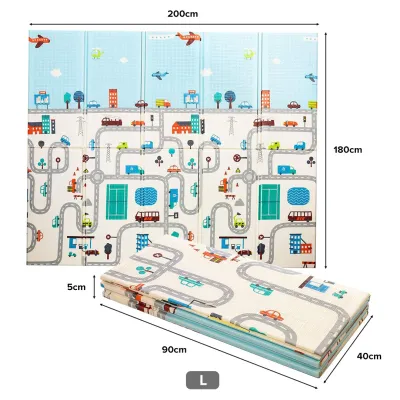
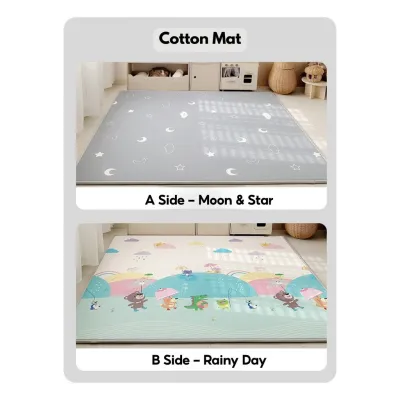
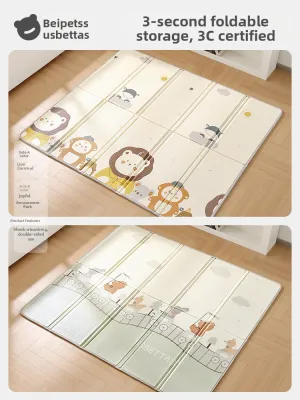
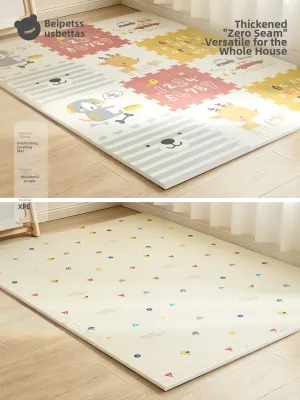
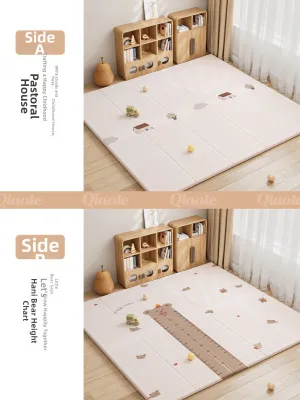
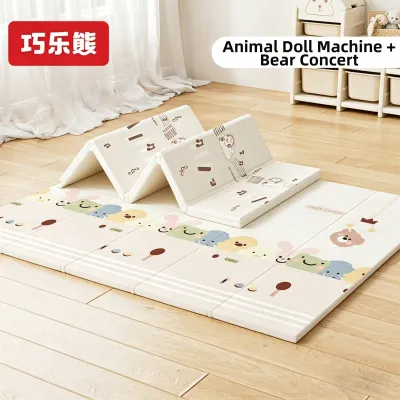
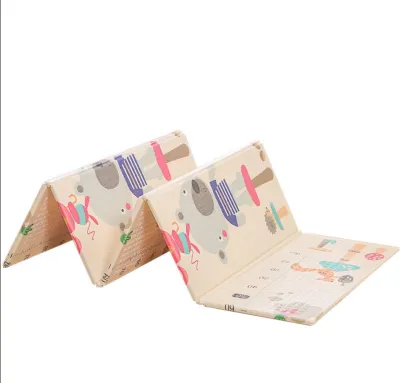
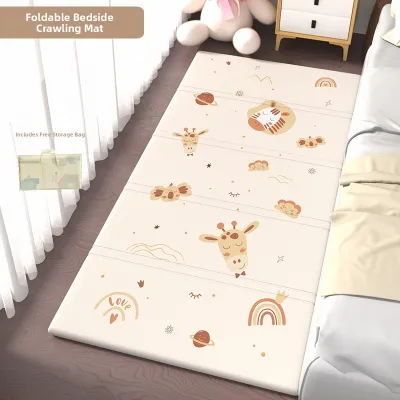
Prices are valid at publication and may change. Please refer to the product page for the latest price.
Outdoor surfaces present unique challenges that require careful consideration of thickness and density. Grassy areas may hide small twigs, pebbles, or damp soil, while paved picnic spots offer no shock absorption. For outdoor use, a thickness of 1 centimeter to 1.5 centimeters is often the ideal range. This thickness provides enough cushioning to protect crawling babies and toddlers from hard ground while keeping the overall weight manageable. Density is just as important as thickness; high-density foam, such as cross-linked polyethylene (XPE), offers firm support that does not bottom out under pressure, ensuring a comfortable barrier against hard pavements.
Safety on the ground also requires excellent stability. A play mat that slides easily on smooth pavilion tiles or dry grass can cause slips when children run onto it. Look for mats designed with textured, non-slip bottom surfaces or rubberized grip patterns. This feature ensures the mat stays firmly anchored in place, even during active play. Additionally, some outdoor-focused designs include weighted corners or loops for ground pegs, which can be highly beneficial on windy days at coastal parks.
Material and Safety Checks for Tropical Conditions
Singapore’s high humidity and sudden rain showers demand materials that do not absorb moisture. When browsing options, inspect the manufacturer’s specifications for waterproof coatings, such as polyurethane (PU) or thermoplastic polyurethane (TPU). These materials prevent dampness from seeping through from the wet grass. UV resistance is another critical factor to verify; prolonged exposure to intense tropical sunlight can degrade plastics, causing them to crack, fade, or release odors. Check product labels for UV-stabilized material claims to ensure long-term durability.

Because infants and toddlers have direct skin contact with the mat and frequently put toys on the surface, verifying chemical safety is paramount. Do not rely solely on vague marketing terms like “eco-friendly” or “safe for babies.” Instead, look for recognized, independent safety certifications on the packaging or official product documentation. Key standards to verify include EN71 (European Toy Safety Standard), ASTM F963, or REACH compliance, which confirm the absence of harmful phthalates, heavy metals, and formamide. Always cross-reference these claims with the manufacturer’s official website or user manuals.
Dark-colored or highly heat-retentive materials can become uncomfortably hot when exposed to direct sunlight in local parks. To prevent discomfort or mild skin irritation, choose mats with lighter, heat-reflective colors and textured surfaces that allow some airflow. While waterproof materials are inherently non-porous, high-quality mats utilize embossed patterns that minimize direct skin contact area, helping to reduce sweating and heat buildup for your child. Always test the surface temperature with your hand before placing your baby on the mat.
Always verify the manufacturer’s recommended age and development stage guidelines on the product packaging. Some mats are designed specifically for infants who require thicker tummy-time cushioning, while others are geared toward older toddlers who need more space. Regardless of the mat’s design, active caregiver supervision is always required during outdoor play to ensure your child remains safe on the mat.
Evaluating Brands and Building Your Shortlist
When researching brands available at local baby boutiques or online marketplaces, look past general star ratings and focus on specific feedback regarding outdoor performance. Search user reviews for keywords like “outdoor,” “park,” “grass,” “mold,” and “wear.” Pay close attention to how the mat’s edges hold up over time; stitched fabric borders can fray or trap dirt if dragged across rough concrete, while heat-sealed edges tend to resist moisture better but may split if subjected to rough folding. Reviews mentioning mold resistance are particularly valuable in Singapore’s humid climate.
Outdoor use naturally subjects a play mat to harsher conditions than indoor living rooms. Before purchasing, review the manufacturer’s warranty terms. Many brands exclude damage caused by outdoor elements, rough surfaces, or improper storage from their warranty coverage. Verify what constitutes a manufacturing defect versus wear and tear. A brand that offers clear guidelines on outdoor usage limits and a straightforward return policy for seam splits or premature peeling is generally a more reliable choice.
Your final choice should align with your family’s specific outdoor routine. If your family enjoys frequent, spontaneous trips using public transport, prioritize an ultra-lightweight, highly foldable XPE foam mat that fits into a compact backpack. For families who travel primarily by car and prefer long, structured picnics on uneven terrain, a thicker, heavier TPU mat with superior cushioning and a dedicated canvas carrying strap may be more suitable. If you only require a mat for occasional backyard play, a simpler, budget-friendly water-resistant fabric mat with a padded inner layer might suffice.
Cleaning and Storage After Outdoor Adventures
The combination of outdoor moisture, sweat, and Singapore’s high humidity creates an ideal environment for mold and mildew growth. Never fold and store a damp play mat. After returning from the park, wipe down both sides of the mat to remove grass, dirt, and moisture. Allow the mat to air-dry completely in a well-ventilated indoor area, away from direct sunlight, before folding it for storage. If the mat has fabric borders, pay extra attention to these areas, as they retain moisture longer than the foam core.
To maintain the integrity of the waterproof coatings and prevent material degradation, avoid harsh chemical cleaners, bleach, or abrasive scrubbing pads. Use a mild, baby-safe dish soap diluted in warm water, or specialized toy cleaning wipes. Gently wipe the surface with a soft microfiber cloth. For stubborn dirt or sand, rinse the mat gently if the manufacturer’s instructions permit, but never submerge a mat that has stitched seams, as water can penetrate the inner foam layers and cause internal mold that is impossible to clean.
Store your portable play mat in a cool, dry place inside your home, away from direct sunlight and sources of heat. Avoid storing it in outdoor risers, balconies, or damp utility closets where humidity levels remain high. Keep the mat in its designated carry bag or storage strap to protect it from dust and accidental punctures from household items. Regularly inspect the mat for any signs of wear, seam separation, or mold before each outdoor trip to ensure it remains safe for your child’s use.
Frequently Asked Questions (FAQ)
Can I leave a portable play mat outside overnight?
Leaving a portable play mat outdoors overnight is highly discouraged. Overnight exposure introduces the mat to heavy dew, condensation, and nocturnal pests, which can lead to rapid moisture accumulation and mold growth. Additionally, temperature fluctuations and morning sunlight can degrade the plastic or foam materials, causing them to warp, crack, or lose their cushioning properties. Always pack up the mat and bring it indoors after your outdoor activities are finished.
Are interlocking foam mats suitable for outdoor park use?
Interlocking puzzle foam mats are generally impractical for outdoor park use. Transporting multiple individual tiles is cumbersome, and assembling them on grass or uneven ground takes significant time. Furthermore, the interlocking seams easily separate on uneven surfaces, creating tripping hazards for toddlers and allowing dirt, insects, and moisture to seep through the gaps. For outdoor adventures, a single-piece foldable or rollable mat is a much safer, more stable, and more convenient option.
Community discussion
Share your experience or ask a question. Comments are reviewed before publication.