
Quick Answer: Essential Traits of an Outdoor Baby Mat
When selecting a portable baby mat for outdoor outings in Singapore, the ideal choice balances three non-negotiable traits: robust weather resistance, effortless sanitization, and a highly compact folding mechanism. Because local conditions range from damp park lawns to hot concrete pathways, a standard indoor blanket will not suffice. The right mat must act as a protective barrier against moisture, heat, and dirt while remaining easy to pack away in a single motion.
Your ultimate selection depends entirely on your primary mode of transport and the specific outdoor environments you frequent. A family relying on public transit requires an ultra-lightweight, fabric-based mat with a waterproof backing that slips into a diaper bag. Conversely, those traveling by private car can prioritize thicker, cushioned foam mats that offer superior comfort on hard surfaces. By matching the mat’s material and design to your lifestyle, you ensure a clean, safe, and comfortable space for your baby to explore the outdoors.
Adapting to the Local Climate and Terrain
Singapore’s tropical climate presents unique challenges that directly impact how outdoor baby gear performs. High relative humidity and sudden, intense downpours mean that the ground is rarely completely dry, even on seemingly sunny days. When choosing a baby mat, avoiding moisture-trapping fabrics is critical. Materials like untreated cotton or open-cell foam act like sponges, absorbing ground moisture from below and sweat from above. This dampness causes immediate discomfort and creates a breeding ground for mold and mildew when the mat is folded and stored.
Products mentioned in this guide
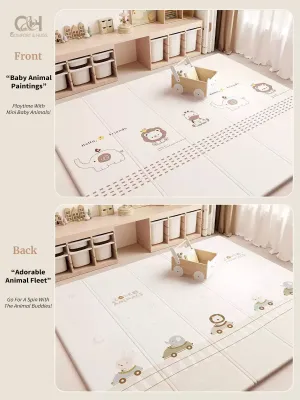
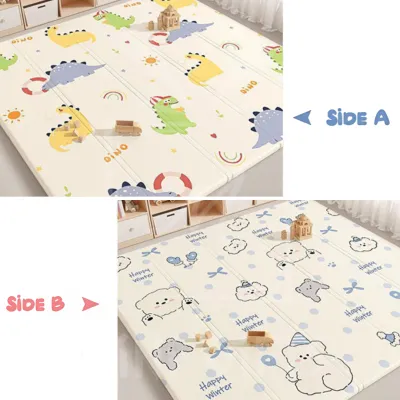
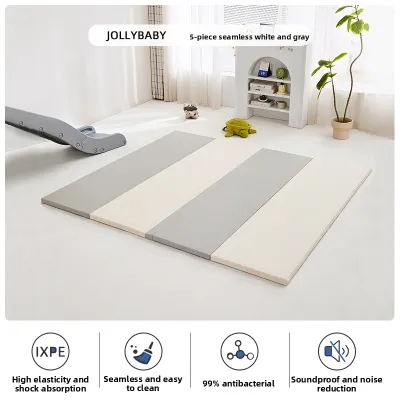
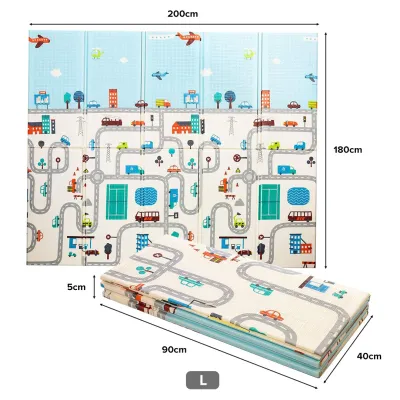
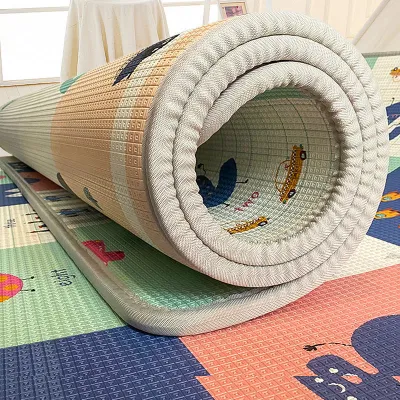
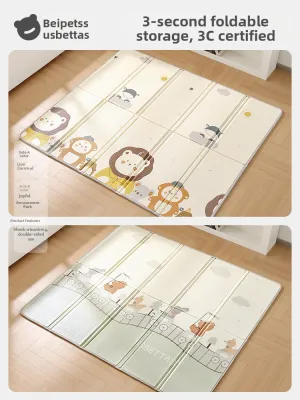
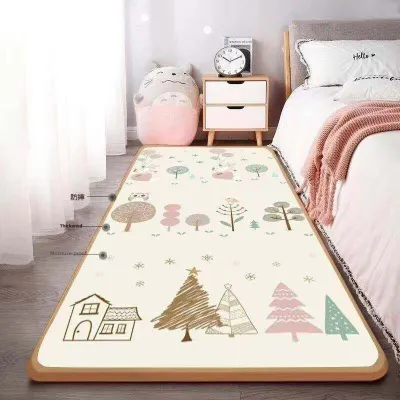
Prices are valid at publication and may change. Please refer to the product page for the latest price.

Different outdoor terrains require specific material responses to ensure your baby remains comfortable and protected:
- Grassy Parks: Public lawns, such as those at the Singapore Botanic Gardens, often retain moisture deep within the soil. A mat used here must feature a completely waterproof bottom layer, typically made of polyurethane (PU) or polyethylene vinyl acetate (PEVA), to prevent water from seeping through to the top layer.
- Sandy Playgrounds and Beaches: Coastal spots like Sentosa or East Coast Park demand a smooth, static-free surface. Heavily textured mats or fleece tops trap sand particles within their fibers, making them incredibly difficult to clean on-site. A slick, tightly woven polyester or nylon surface allows you to shake off sand effortlessly before packing up.
- Paved Pavements and Decking: Hard surfaces, including park pavilions, wooden boardwalks, and concrete pathways, absorb and radiate solar heat rapidly under the afternoon sun. Placing a thin, uninsulated mat directly on these surfaces can expose your baby to uncomfortable temperatures. For these environments, look for mats with built-in thermal insulation or a multi-layered structure that blocks heat transfer from the ground.
Hygiene and Maintenance for On-the-Go Use
Maintaining pristine hygiene while away from home is a primary concern for parents. Outdoor environments expose baby gear to a variety of contaminants, including dirt, grass stains, spilled milk, and sunscreen residue. The ease with which you can clean a mat determines its long-term utility and safety.
When evaluating mats, you will generally choose between wipeable synthetic surfaces and machine-washable fabric tops:
- Wipeable Surfaces: Mats made from thermoplastic polyurethane (TPU), silicone, or water-resistant Oxford cloth offer maximum convenience. Spills, mud, and spit-up can be instantly cleared with a simple baby wipe or a damp cloth. This allows you to maintain a clean surface throughout a long day out without needing immediate access to a laundry room. The trade-off is that these synthetic materials can feel sticky or warm against a baby's skin in humid weather, occasionally requiring a light muslin cloth placed on top for added comfort.
- Machine-Washable Fabric Tops: Quilted polyester or treated cotton mats provide a softer, more breathable surface that feels gentle on delicate skin. They excel at absorbing sweat, keeping your baby cool. However, they require a full washing machine cycle once soiled. If a major spill occurs early in your outing, a fabric mat cannot be easily cleaned on-the-go, potentially cutting your outdoor time short.
To keep your portable mat hygienic, establish a practical cleaning routine immediately after every outing. Shake the mat thoroughly to remove loose dirt, sand, or dry leaves before folding it. Once home, wipe down synthetic surfaces with a mild, baby-safe detergent and warm water, paying close attention to areas where sunscreen or food oils may have accumulated. If using a machine-washable mat, wash it on a gentle cycle with a fragrance-free detergent and ensure it is completely dry before storing it.
Pay close attention to seam construction when selecting a mat. Stitched seams that run through the body of a waterproof mat can allow moisture to penetrate the inner cushioning. Over time, this trapped moisture leads to internal mold growth that is impossible to clean. Opt for mats with heat-sealed seams or those with robust, bound edges that prevent water ingress, ensuring the inner core remains dry and sanitary.
Portability: Matching the Mat to Your Transport Mode
A baby mat is only useful if it is easy to bring along. The physical design, folding mechanism, and weight of the mat should align seamlessly with how you navigate Singapore’s transport network.
The two primary form factors for portable mats are foldable and rollable designs, each offering distinct advantages:
- Foldable Designs: These mats typically fold along pre-creased lines, collapsing into a flat, rectangular shape. This flat profile is highly space-efficient, allowing the mat to slide easily into the under-seat basket of a stroller, alongside a diaper bag, or even into a large backpack. Foldable fabric mats can often be compressed down to the size of a small book, making them the ultimate choice for space-saving travel.
- Rollable Designs: Usually constructed from thicker foam materials like closed-cell polyethylene, rollable mats provide superior cushioning but carry a much larger storage footprint. They do not compress easily and must be rolled into a cylinder. This shape can be awkward to carry if you do not have a dedicated stroller strap or a spacious car trunk.
Convenient carrying features can make a significant difference when your hands are full. Look for mats that feature integrated carrying handles, adjustable shoulder straps, or their own dedicated storage pouches. A well-designed storage system should ensure that the dirty underside of the mat folds inward, keeping it completely isolated from the clean top surface and your other personal belongings during transit.
Weight is another critical factor, particularly for parents relying on public transit. Navigating MRT stations, escalators, and buses with a stroller, diaper bag, and baby requires a lightweight setup. For transit-reliant families, a mat weighing under 1 kilogram is highly recommended. If you primarily travel by private car or taxi, you can afford to carry a heavier, more cushioned foam mat, as weight and folded volume become secondary to comfort.
Building Your Shortlist: A Condition-Based Selection Guide
To help you identify the perfect portable baby mat for your family’s lifestyle, consider how your typical outdoor activities map to specific mat characteristics. Rather than searching for a universal winner, use this condition-based guide to match your primary use case with the correct specifications.
The Public Transit Commuter
- Primary Scenario: Frequent trips via MRT or bus to urban parks, indoor play areas, or shopping malls.
- Ideal Specifications: Ultra-lightweight (under 800 grams), fabric-based with a thin waterproof backing, folding down to a flat profile.
- Material Choice: Tightly woven polyester or nylon top with a thin PEVA backing. This combination offers minimal bulk while protecting against damp benches or grass.
The Weekend Park Picnicker
- Primary Scenario: Extended family gatherings on the lawns of major parks, where comfort and social space are priorities.
- Ideal Specifications: Medium thickness (5mm to 10mm of cushioning), generous surface area (at least 1.5 meters by 1.5 meters), and a convenient shoulder strap.
- Material Choice: A multi-layered mat featuring a soft, breathable fabric top, a thin foam inner layer for comfort on uneven ground, and a heavy-duty waterproof bottom layer to block rising dampness.
The Beach and Sandy Playground Enthusiast
- Primary Scenario: Regular weekend visits to coastal areas or sensory sand play parks.
- Ideal Specifications: Completely smooth surface, zero fabric fibers, water-resistant on both sides, and a design that allows sand to slide off instantly.
- Material Choice: High-density TPU or silicone. These materials do not trap sand grains, can be rinsed off under a beach shower, and dry almost instantly in the sun.
Before finalizing your purchase on any online marketplace or at a local retailer, use this checklist to verify the product specifications:
- Unfolded Dimensions: Ensure the mat provides enough space for your baby to roll or crawl safely without immediately stepping onto the bare ground.
- Folded Dimensions: Measure your stroller basket or diaper bag to confirm the folded mat will fit comfortably alongside your daily essentials.
- Material Safety Labels: Verify that the manufacturer explicitly states the mat is free from harmful chemicals, such as BPA, phthalates, and lead, especially since your baby's bare skin will be in direct contact with the surface.
- Care Instructions: Confirm whether the mat is wipe-clean only or machine-washable, and ensure these requirements fit into your household routine.
Safety Boundaries and Pre-Use Verification
While portable baby mats are excellent tools for outdoor exploration, they must be used with careful attention to safety guidelines and manufacturer instructions. Never assume a mat is suitable for your child based solely on its appearance or marketing terms.
Always verify the manufacturer’s stated age, weight, and developmental stage limits before use. Some lightweight travel mats are designed exclusively for stationary infants who cannot yet roll or crawl. Once your baby becomes mobile, a lightweight, unanchored mat can easily bunch up, slide, or trip a child who is learning to stand or walk.
Before laying your baby down on any outdoor surface, perform these quick safety checks:
- Slip Resistance: Test the mat on the target surface. If placing it on smooth tiles, wooden decking, or synthetic playground turf, ensure the bottom layer has sufficient grip to prevent sliding when the baby moves.
- Cushioning and Firmness: Ensure the mat provides adequate protection from hard ground without being excessively soft. A surface that is too plush can pose a suffocation hazard for young infants during tummy time.
- Choking and Entanglement Hazards: Inspect the mat for loose threads, fraying edges, exposed zippers, or small plastic snaps. Ensure that carrying straps or drawstring bags are kept completely out of the baby's reach during use to prevent entanglement.
Regularly inspect your mat for signs of wear and tear. Over time, exposure to UV rays, heat, and repeated washing can degrade synthetic coatings. You should retire or replace your mat immediately if you notice peeling plastic laminates, deep tears that expose the inner foam core, or persistent mold spots that cannot be removed through standard cleaning. Using a compromised mat compromises both hygiene and safety.
Frequently Asked Questions (FAQ)
Can I use an indoor play mat for outdoor outings?
While it is tempting to bring your indoor play mat outside, doing so is generally not recommended. Indoor mats, especially those made of thick, soft foam, lack the UV-resistant coatings and rugged waterproof backings required to withstand outdoor environments. Rough surfaces like gravel, concrete, or dry twigs can easily puncture or scratch delicate indoor materials. Furthermore, indoor mats are typically bulky and difficult to fold into a portable size, making them highly impractical to transport. Repurposing them outdoors often leads to permanent damage and compromises their hygiene for indoor use.
How thick should an outdoor baby mat be for tummy time?
For tummy time, an outdoor baby mat should prioritize firmness over excessive thickness. A firm, stable surface is essential for supporting your baby’s physical development, allowing them to push up and strengthen their neck, shoulder, and arm muscles. A mat that is too soft or pillowy can restrict their movement and pose a safety risk. Look for a dense foam mat with a thickness of approximately 5mm to 10mm. This range provides sufficient protection from the hard ground while maintaining the necessary firmness for safe motor development. Always check the manufacturer’s specifications for density rather than relying on visual thickness alone.
Community discussion
Share your experience or ask a question. Comments are reviewed before publication.