
Selecting the ideal portable floor mat for a baby in Singapore requires balancing tropical climate resilience with effortless portability. The best outdoor mats feature a water-resistant, easy-to-wipe top layer that does not trap heat, paired with a damp-proof bottom layer to block moisture from wet grass or sand. Parents must prioritize lightweight, compact folding designs that integrate seamlessly with strollers and diaper bags, ensuring a clean and cushioned play space during outings to locations like the Singapore Botanic Gardens or East Coast Park.
Core Selection Criteria for Tropical Outdoor Mats
Singapore’s year-round high humidity and sudden rain showers demand specific material properties for any baby gear used outdoors. A standard indoor mat often fails when exposed to the elements, either by absorbing ground moisture or by heating up rapidly under the tropical sun. When choosing an outdoor floor mat for your baby, the primary challenge is finding a surface that remains cool and dry. High humidity can cause certain synthetic materials to feel sticky or tacky against a baby’s bare skin, leading to discomfort and heat rashes during extended play sessions.
To prevent this, look for mats that offer a balance between water resistance and surface texture. While a completely plasticized surface is highly waterproof and easy to wipe clean, it can trap sweat and heat. Conversely, woven fabric mats with water-resistant coatings offer better breathability but may require more effort to clean if food or liquids spill.
Products mentioned in this guide
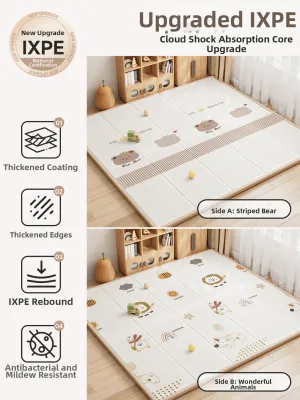
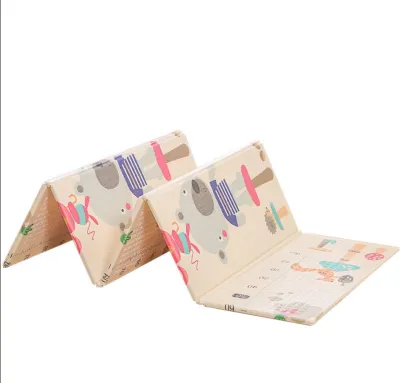
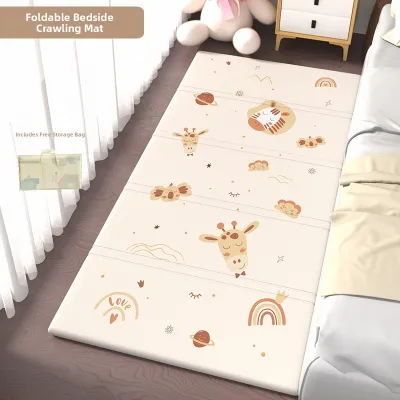
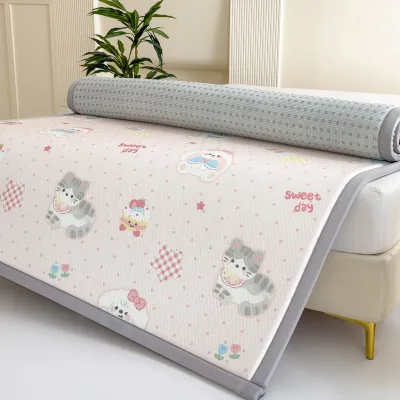
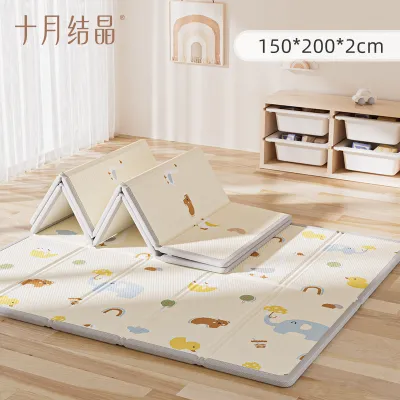
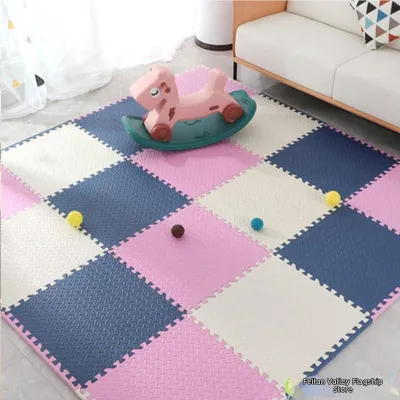
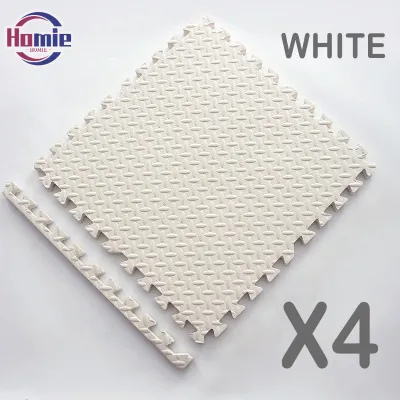
Prices are valid at publication and may change. Please refer to the product page for the latest price.
Another critical decision involves the trade-off between weight and cushioning. Ultra-lightweight travel mats, often made of thin polyester or nylon, fold down to the size of a small book and add virtually no weight to your diaper bag. However, they offer minimal protection against hard ground, twigs, or pebbles. Thicker, cushioned picnic mats—such as those made from closed-cell XPE foam or multi-layered padded fabrics—provide excellent comfort for crawling babies but are bulkier to carry.
Finally, safety on uneven terrain is paramount. Outdoor spaces in Singapore, from manicured park lawns to sandy beaches, present variable surfaces. A suitable outdoor mat must stay securely anchored to the ground, resist sliding on sloped grass, and feature a non-toxic, hypoallergenic surface that is safe for babies who naturally explore their environment by putting their mouths on nearby objects.
Evaluating Material, Portability, and Ground Protection
Selecting the right mat involves a systematic evaluation of how the product interacts with the environment, your travel routine, and your baby’s physical comfort. By analyzing materials, carrying mechanisms, and cushioning depth, you can identify a model that withstands tropical conditions while remaining highly practical for daily use.

Material and Weather Resistance
The top layer of an outdoor baby mat must withstand both spills and sweat without deteriorating. Polyurethane (PU) coatings and thermoplastic polyurethane (TPU) are excellent options, as they provide a reliable waterproof barrier that can be wiped clean with a damp cloth or baby wipe. Unlike cheaper polyvinyl chloride (PVC) alternatives, high-quality TPU does not emit strong chemical odors when exposed to heat and is less prone to becoming sticky in direct sunlight.
The bottom layer of the mat faces a different challenge: ground moisture. Even on dry days, grass in Singapore’s parks often retains moisture from morning dew or high humidity. A backing material made of heavy-duty oxford polyester, water-resistant nylon, or a specialized aluminum film layer is essential to prevent water from seeping upward. This moisture barrier keeps the play surface dry and prevents the growth of mold within the inner layers of the mat.
When shopping, always check the manufacturer’s product labels for specific material certifications. Look for labels indicating that the mat is free from phthalates, BPA, lead, and formaldehyde. Additionally, while some mats claim UV resistance, verify whether this refers to the durability of the fabric or actual skin protection; a UV-resistant mat fabric will last longer without fading or cracking, but it does not replace the need for physical shade to protect your baby from sun exposure.
Portability and Carrying Mechanisms
An outdoor mat is only useful if it is easy to transport alongside a stroller, diaper bag, and baby carrier. Folding designs are generally superior to rolling designs for outdoor travel. Foldable mats typically feature pre-creased lines that allow them to collapse into a flat, rectangular shape, which fits neatly into stroller baskets or slides into travel bags. Rolling mats, while often providing a seamless surface without creases, tend to remain bulky and awkward to carry when rolled up.
Pay close attention to the carrying mechanisms provided with the mat. Some models feature built-in fabric handles that emerge once the mat is folded and secured with hook-and-loop fasteners. Others come with detachable, adjustable shoulder straps, which free up your hands to manage your baby or push a stroller. If you frequently travel by public transport, look for mats that include a dedicated, breathable storage pouch to keep dirt and grass on the bottom of the mat from transferring to your other belongings.
Weight is a critical factor that is often overlooked until you are on the move. A mat weighing more than 1.5 kilograms can quickly become a burden when walking long distances. For casual park visits, aim for a mat that weighs under 1 kilogram while still offering sufficient surface area for your baby to roll and play. High-quality portable mats typically range from S$30 to S$100 on local ecommerce platforms, depending on the material and size.
Thickness, Cushioning, and Ground Protection
The level of cushioning your baby needs depends largely on their developmental stage. For younger babies who are primarily lying down or practicing tummy time, a thinner, lightweight mat placed on soft grass may be sufficient. However, for babies who are sitting up, crawling, or learning to stand, a thicker mat is necessary to cushion inevitable tumbles on hard ground.
A thickness of 5 millimeters to 1 centimeter strikes a practical balance for outdoor use. This range provides enough shock absorption to protect against small pebbles, twigs, and hard soil without making the mat too bulky to fold. Additionally, this middle-ground thickness acts as an insulating barrier, preventing heat radiating from sun-baked pavements or hot sand from reaching your baby’s sensitive skin.
To ensure stability, the base of the mat must feature non-slip properties. Look for textured backing patterns, rubberized dots, or high-friction materials that prevent the mat from sliding when placed on sloped lawns or smooth concrete pavilion floors. A shifting mat can cause a crawling baby to lose balance or slip, making a stable foundation a key safety requirement.
Matching Mat Designs to Your Specific Outdoor Scenarios
Different outdoor activities in Singapore demand different mat characteristics. Matching the mat design to your primary destination ensures you do not carry unnecessary weight or find yourself under-prepared for the terrain.
Park Picnics and Playdates
For leisurely afternoons at the park, space and comfort are your primary goals. Look for a larger mat, ideally measuring at least 150 centimeters by 150 centimeters, to accommodate both your baby and a supervising caregiver. Since picnics often involve snacks, purees, and milk bottles, a highly wipeable surface is essential.
Choose a mat with a padded foam core, such as XPE, which provides a comfortable surface for crawling and sitting. The cushioning protects your baby’s knees from hard ground, while the generous surface area allows them to explore safely without rolling off onto the grass. Ensure the mat can be easily wiped clean of food spills with a simple baby wipe, preventing stains and sticky residues from attracting insects.
Beach and Sand Outings
Taking a baby to the beach requires a mat designed specifically to handle sand and wind. Standard foam mats can trap sand in their textured crevices, making them difficult to clean. Instead, opt for a woven polyester or nylon mat designed with sand-resistant properties, where sand can be easily brushed or shaken off.
Quick-drying capabilities are crucial for beach mats, as babies frequently transition from splashing in the water to resting on the mat. Look for materials that do not absorb water and dry rapidly in the sun to prevent a damp, uncomfortable seating area. Additionally, wind is a common challenge at the coast; select a mat that features corner loops or pockets that can be weighted down with sand or secured with plastic pegs to prevent the mat from folding over or blowing away.
Quick Stops and Travel
For quick errands, doctor visits, or short walks around the neighborhood, a large picnic mat is impractical. Instead, rely on an ultra-compact, lightweight travel pad. These pads are often designed to fold down to the size of a small clutch, fitting easily inside a standard diaper bag or the under-stroller storage basket.
These compact mats are ideal for providing a clean, hygienic barrier over public changing tables, park benches, or cafe seating. While they offer minimal cushioning, their primary purpose is hygiene and quick deployment. Look for models with simple folding patterns that can be opened and closed with one hand while holding your baby in the other.
Pre-Purchase Verification and Safety Boundaries
Before purchasing a portable baby floor mat, conducting a thorough verification of safety standards and practical features is essential to ensure a secure outdoor experience. Do not rely solely on product titles or marketing claims; instead, inspect the detailed specifications and manufacturer guidelines.
Start by verifying the manufacturer’s age and weight recommendations. Some mats feature raised, inflatable edges or structured side walls designed to keep toys contained or provide a sense of enclosure. Ensure these features are appropriate for your baby’s developmental stage, as raised edges can pose a suffocation risk for infants who cannot yet roll over or sit up independently. Always supervise your baby closely, regardless of the mat’s design.
Care instructions require careful review to maintain hygiene and longevity. Outdoor mats are exposed to grass stains, dirt, mud, and moisture, making them breeding grounds for mold and mildew if not cleaned properly. Check whether the mat is machine washable or if it must be hand-washed and wiped down. Avoid mats that require complex cleaning routines or dry cleaning, as these are impractical for busy parents.
Inspect the product description and physical design for potential choking hazards. Ensure there are no small, detachable parts, loose buttons, or exposed zippers that your baby could reach and place in their mouth. Carrying straps should be completely detachable or safely tucked away while the mat is in use to eliminate any risk of entanglement.
Finally, establish a routine to test the mat at home before your first outdoor excursion. Practice folding and unfolding the mat to ensure the mechanism is smooth and manageable. Place the mat on your home floor to check its surface grip and tactile feel. This trial run allows you to confirm that the mat meets your expectations for comfort and usability before you find yourself managing a fussy baby in a busy outdoor park.
Frequently Asked Questions (FAQ)
How do I clean and dry a portable baby mat after a park visit?
To clean your portable baby mat, begin by shaking off any loose debris, grass, or sand immediately after use. Once home, wipe down the entire surface with a damp cloth and a mild, baby-safe detergent. If the manufacturer’s label permits, you can rinse the mat under running water or machine wash it on a gentle cycle. Always allow the mat to air-dry completely in a well-ventilated area away from direct, intense sunlight before folding and storing it. Storing a damp mat in a closed bag can lead to mold, mildew, and unpleasant odors, which can ruin the material and compromise hygiene. Avoid using harsh chemical bleach or abrasive scrubbing pads, as these can degrade the waterproof coatings.
Can I use an indoor foam play mat for outdoor picnics?
Using a standard indoor foam play mat outdoors is generally not recommended. Indoor mats, especially those made of puzzle-piece EVA foam, often have porous surfaces and open seams that easily absorb moisture, dirt, and bacteria from the ground. These mats can quickly become waterlogged on damp grass, making them difficult to clean and dry thoroughly. Furthermore, indoor foam materials are typically not treated to withstand UV exposure; direct sunlight can cause them to degrade, discolor, crack, or release chemical odors. Investing in a dedicated outdoor mat with a sealed, waterproof backing and a durable, easy-to-wipe top layer ensures a hygienic, long-lasting, and safe play environment for your baby.
What should I do if the mat becomes too hot in direct sunlight?
If your baby’s mat becomes too hot under the sun, take immediate steps to protect their sensitive skin. Always place the mat in a shaded area, such as under a tree, a park pavilion, or a portable UV-blocking canopy. If shade is unavailable, lay a breathable, light-colored cotton blanket or muslin sheet over the mat’s surface to act as a barrier against heat absorption. Before placing your baby on the mat, physically test the surface temperature with the back of your hand for several seconds. If the surface feels uncomfortably warm to your skin, it is too hot for your baby. Move to a cooler location or wait for the material to cool down completely.
Community discussion
Share your experience or ask a question. Comments are reviewed before publication.