
Choosing the right portable baby crawling mat for outdoor use in Singapore requires balancing lightweight portability with reliable moisture resistance, heat protection, and easy-to-clean materials. Because our tropical climate brings high humidity, sudden rain showers, and intense sun, parents need a mat that protects their baby’s sensitive skin while remaining compact enough to fit into stroller baskets or carry on public transport. By focusing on material safety, weather resistance, and practical folding designs, you can create a clean, comfortable play space for your little one at any park or beach.
Establish Your Baseline: Core Criteria for Outdoor Mats
When selecting a baby crawling mat for outdoor adventures, establishing a clear set of baseline criteria prevents impulse purchases that fail in real-world conditions. The primary challenge lies in balancing physical protection with ease of transport. Thicker mats offer excellent cushioning against hard roots, stones, and uneven ground, but they often require significant storage space. Conversely, ultra-thin mats fold down to the size of a book but may fail to protect a crawling baby’s knees from hard surfaces.
Safety remains the paramount consideration for any baby gear. Parents must inspect product labels for certified non-toxic materials, ensuring the mat is free from harmful chemicals like phthalates, heavy metals, and formamide. A reliable non-slip base is equally critical to prevent the mat from sliding on dry grass or smooth public tiles when your baby attempts to crawl or stand.
Products mentioned in this guide
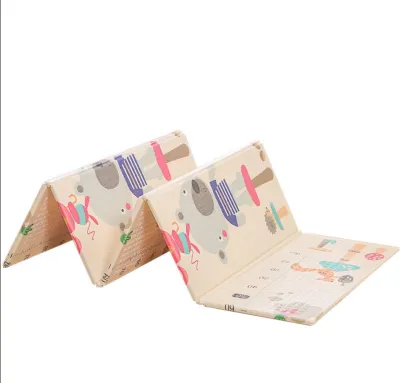
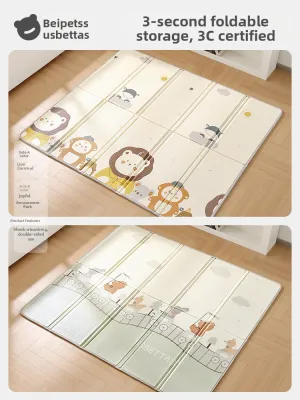
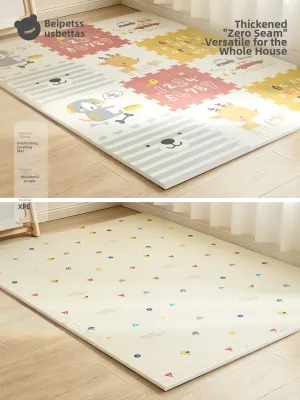
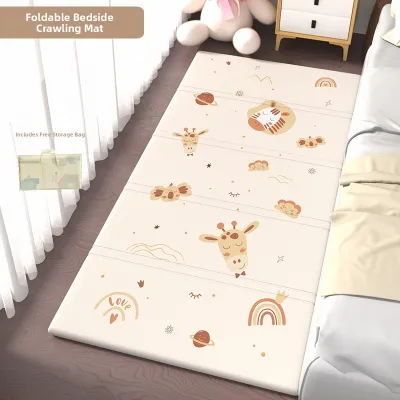
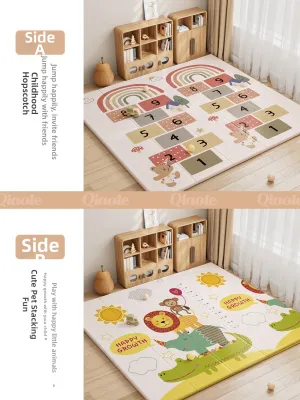
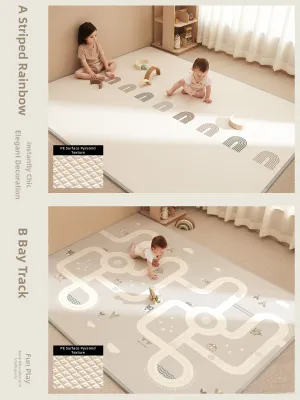
Prices are valid at publication and may change. Please refer to the product page for the latest price.
Finally, outdoor environments demand high structural durability. The mat must withstand rough ground friction, resist moisture absorption from damp soil, and allow for immediate, hassle-free wiping after spills or mud contact. Prioritizing these foundational elements ensures your chosen mat remains a safe and long-lasting investment.
Navigating the Climate: Material and Weather Resistance
Singapore’s tropical climate, characterized by high humidity and intense sunlight, directly impacts how different mat materials perform outdoors. Choosing the wrong material can lead to uncomfortable heat retention or rapid mold growth. Understanding the properties of common mat materials helps you make an informed decision.

Thermoplastic Polyurethane (TPU) is highly regarded for its durability, excellent water resistance, and relatively low heat retention, making it a premium choice for humid park outings. Polyethylene (PE) and cross-linked PE (XPE) mats are incredibly lightweight and offer great shock absorption, though they can sometimes feel slightly warm if left under direct sunlight for extended periods. Ethylene-Vinyl Acetate (EVA) foam puzzle mats are highly modular but have numerous seams that can trap moisture, dirt, and outdoor debris, making them less practical for quick outdoor setups.
To ensure long-term safety and hygiene, parents should check manufacturer specifications for verified UV resistance and antimicrobial or mold-prevention treatments. Without these protective features, prolonged exposure to humid air and damp grass can cause materials to degrade, discolor, or harbor hidden mold spores. Opting for mats with textured, breathable surfaces or heat-reflective backings helps prevent the top layer from becoming uncomfortably hot to the touch. Always test the surface temperature with the back of your hand before placing your baby down, especially during midday outings.
On the Go: Assessing Portability and Transit Practicality
An outdoor crawling mat is only useful if it is easy to transport alongside a stroller, diaper bag, and other baby essentials. Evaluating the folding mechanism is key to ensuring the mat fits your typical transit method. Accordion-folding or tri-fold mats generally pack down into neat, rectangular shapes that slide easily into standard stroller baskets or lay flat in car boots. Roll-up mats, while offering a seamless surface without creases, can be awkward to carry on public transport as they remain long and bulky even when secured.
The overall weight of the mat should ideally allow for single-handed carrying, leaving your other hand free to manage your baby or stroller. Look for models that feature integrated carry handles or come with a dedicated, water-resistant travel bag to keep dirt contained after use.
Frequent folding and unfolding put significant stress on the mat’s structural joints. Inspect the durability of the folding hinges, heat-sealed seams, and fabric binding edges on the product before purchasing. Reinforced borders and high-quality stitching prevent the layers from delaminating or fraying after repeated outdoor excursions.
Scene Matching: Aligning Mat Features with Outdoor Surfaces
Different outdoor environments in Singapore present unique challenges, meaning a mat that excels on park grass might perform poorly on a sandy beach or a concrete surface. Matching the mat’s features to your primary destination ensures a safer play space.
Park Grass and Uneven Ground:
- Thickness: Look for a minimum thickness of 1cm to 1.5cm to cushion against hidden twigs, pebbles, and hard soil.
- Puncture Resistance: Choose high-density foam or reinforced TPU that resists tearing from sharp grass blades or small sticks.
- Moisture Barrier: Ensure the bottom layer has a fully waterproof membrane to block dampness from rising through the soil.
Sand and Beaches:
- Sand-Shedding Surface: Opt for smooth, non-static outer materials that allow sand to slide off easily with a simple shake.
- Quick-Drying Capability: Select lightweight, non-porous materials that dry rapidly under the sun if splashed by sea water.
- Easy Shaking: Avoid deep textures or open crevices where fine sand grains can become permanently lodged.
HDB Void Decks and Paved Areas:
- Grip: Prioritize a high-friction, non-slip backing to prevent the mat from sliding on smooth concrete or polished tiles.
- Thinner Profiles: A thickness of 0.5cm to 1cm is often sufficient on flat, even surfaces, allowing for a lighter and more compact carry.
- Weight: Lightweight designs are ideal here, as you do not need heavy-duty cushioning to overcome uneven terrain.
Post-Adventure Care: Cleaning and Storage Routines
Proper maintenance after an outdoor trip is essential to prevent the buildup of bacteria, mold, and unpleasant odors on your baby crawling mat. Developing a consistent cleaning routine preserves the material’s integrity over time. Begin by shaking off loose dirt, grass, or sand immediately after use, before folding the mat for the journey home.
Once home, unfold the mat completely and wipe both sides thoroughly with a damp cloth and a mild, baby-safe detergent. Avoid harsh chemical bleach or abrasive scrubbing pads, which can degrade the protective waterproof coatings and irritate sensitive baby skin. Always refer to the manufacturer’s care label to verify which cleaning agents are compatible with your specific mat material.
Allow the mat to air dry completely in a well-ventilated, shaded indoor area before rolling or folding it for storage. Storing a mat while it is still damp traps moisture within the folds, creating an ideal breeding ground for mold and mildew. Keep the clean, dry mat stored in a cool, dry place away from prolonged direct sunlight, as continuous UV exposure can cause foam materials to become brittle and crack.
Finalizing Your Choice: Building a Practical Shortlist
Before making your final purchase on an online marketplace or at a local baby boutique, compile a practical shortlist based on your family’s specific lifestyle. Distinguishing between essential features and optional extras will help streamline your decision. Must-have features for Singapore’s outdoors include a waterproof bottom layer, certified non-toxic materials, and a folding design that fits your stroller. Nice-to-have features might include reversible patterns, matching storage bags, or modular expansion panels.
When browsing online, pay close attention to user reviews that specifically mention outdoor durability, ease of cleaning, and actual folded dimensions. Verify the retailer’s return policy and warranty terms, ensuring you can inspect the mat for manufacturing defects or material odors upon delivery.
Finally, cross-check the mat’s fully expanded dimensions with your intended usage spaces, such as your living room floor or your favorite park picnic spot. Ensure the size aligns with your baby’s current developmental stage; active crawlers require a larger surface area to explore safely compared to younger infants practicing tummy time.
Frequently Asked Questions (FAQ)
Can I use an indoor foam mat for occasional outdoor trips?
Standard indoor foam mats are generally not designed to withstand outdoor conditions. They often lack the necessary waterproofing, UV resistance, and puncture protection required for rough surfaces. Additionally, indoor mats frequently feature porous surfaces that can easily absorb outdoor moisture, dirt, and bacteria, making them difficult to sanitize thoroughly afterward.
How do I prevent the mat from blowing away in windy conditions?
To secure a lightweight mat on windy days, use safe, baby-proof weights such as your diaper bag, stroller frame, or specialized mat anchors if provided and approved by the manufacturer. Never use sharp, heavy, or hazardous objects like standard metal tent pegs, bricks, or sharp rocks near your baby’s active play area, as these pose significant safety risks.
Are thicker mats always better for outdoor crawling?
While thicker mats provide superior cushioning on hard or uneven ground, they are not always the best choice for every outdoor scenario. Excessive thickness and softness can actually compromise stability and balance for babies who are learning to push up, sit, or stand. Furthermore, thicker mats are significantly bulkier and heavier, making them much harder to carry on public transit or pack into a crowded stroller.
Community discussion
Share your experience or ask a question. Comments are reviewed before publication.