
Selecting the perfect portable baby carpet mat for outdoor adventures requires balancing comfort, safety, and convenience. Unlike stationary indoor play mats that remain in a climate-controlled nursery, outdoor mats must withstand unpredictable terrain, moisture, wind, and direct sunlight. The ideal choice depends entirely on your primary activity: park visits require cushioned, moisture-resistant barriers; beach trips demand smooth, sand-resistant, heat-reflective surfaces; and travel calls for ultra-lightweight, compact designs. By understanding the specific demands of each environment, you can select a mat that keeps your baby safe and comfortable while simplifying your packing routine.
Core Features to Evaluate Before Buying an Outdoor Baby Carpet Mat
Material Differences: Indoor vs. Outdoor
Indoor play mats are designed with plushness, decorative patterns, and long-term placement in mind, often utilizing thick foam or soft fabrics that absorb spills. Outdoor mats, however, must prioritize structural resilience, lightweight construction, and easy-to-clean surface textures. When searching for a baby carpet mat for outdoor use, look for materials that resist tearing on rough ground and do not absorb moisture or dirt. Outdoor-ready mats typically feature synthetic outer shells, water-resistant backings, and dense, low-profile padding rather than high-pile fabrics. Avoid using delicate indoor fabrics outside, as they can quickly become ruined by dirt and rough surfaces.
Reading the Manufacturer Labels
Never assume a mat is suitable for outdoor use simply because of its synthetic fabric or foam construction. Always check the manufacturer’s product labels and technical specifications for explicit mentions of water resistance, wipeability, and UV stability. Some indoor foam mats can degrade quickly under direct sunlight, becoming brittle or releasing chemical odors, while untreated fabrics can trap moisture and develop mold. Verifying these details on the packaging or official documentation ensures the mat can handle environmental exposure safely and will not deteriorate after a few outdoor outings.
Products mentioned in this guide
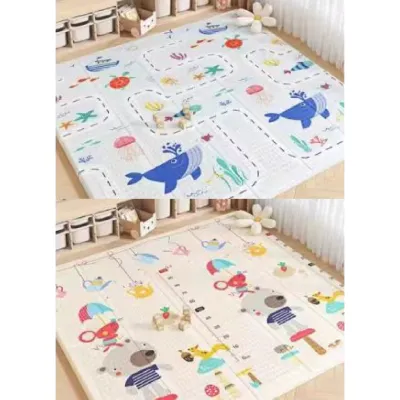
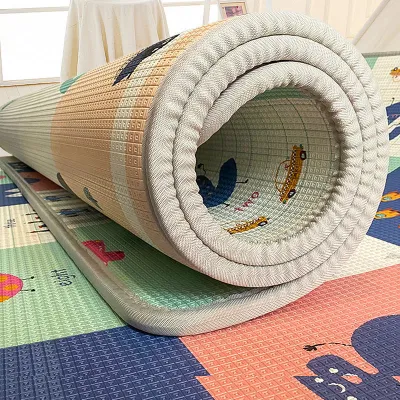
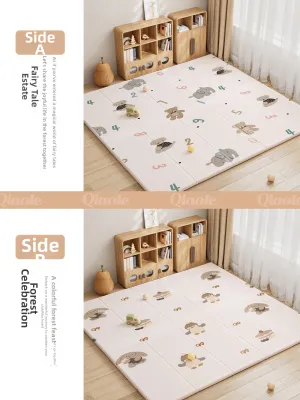
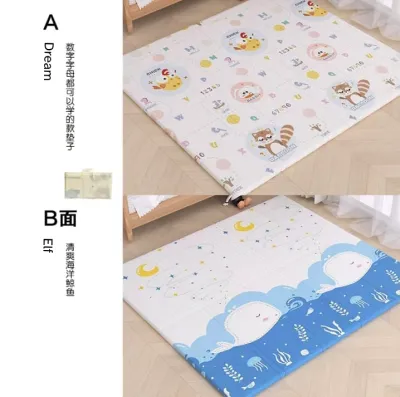

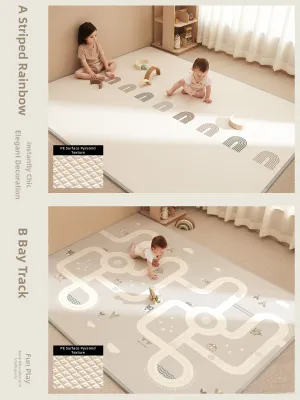
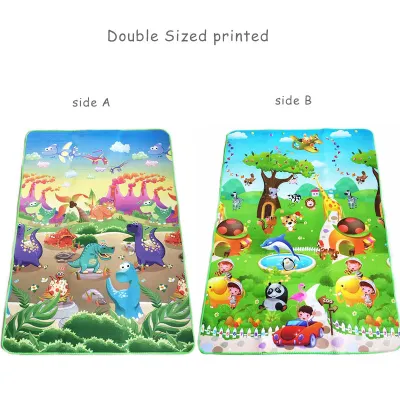
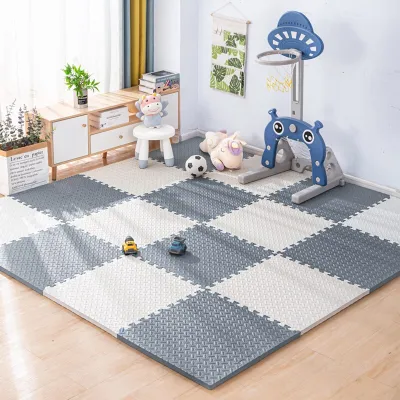
Prices are valid at publication and may change. Please refer to the product page for the latest price.
The Portability vs. Cushioning Trade-Off
One of the most significant decisions you will make is balancing the thickness of the mat against its packed size. A thick, highly cushioned mat offers excellent insulation from hard ground and protects your baby during falls, but it is inherently bulkier and heavier to transport. Conversely, ultra-thin travel mats fold down to the size of a diaper bag insert but provide minimal padding. To make the right choice, evaluate your primary mode of transport—whether you will be loading the mat into a car trunk, carrying it on public transit, or packing it under a stroller—to determine the maximum packed size you can manage.
Park Picnics: Prioritizing Cushioning and Moisture Protection
Dampness and Moisture Barriers
Grassy fields in parks, especially in tropical climates like Singapore, often retain a significant amount of moisture from morning dew, high humidity, or recent tropical rainfall. To keep your baby dry, look for a mat with a dedicated, moisture-proof bottom layer. This barrier prevents dampness from seeping through the mat and soaking into your baby’s clothing, which can cause discomfort and skin irritation. When shopping, verify waterproof claims on the product tags or manufacturer specifications, as simple material names like polyester do not guarantee a complete moisture barrier.

Impact Absorption for Developing Babies
Babies who are learning to sit, roll, or crawl need a supportive surface that cushions them from uneven ground, hidden twigs, and pebbles. A baby carpet mat with adequate thickness—typically between one to two centimeters of dense foam or padded fiber—provides the necessary impact absorption. This cushioning helps prevent minor bumps and bruises, giving your baby a comfortable space to practice motor skills. Ensure the padding is firm enough to support stable movement, as overly soft or squishy mats can make balancing difficult for a crawling infant.
Folding Mechanisms and Transport Styles
How you carry the mat to and from your picnic spot is just as important as how it performs on the grass. Accordion-fold mats are highly popular because they fold flat quickly and maintain their structure, but they can be bulky to carry if they do not include a dedicated harness or bag. Roll-up mats are often more compact and frequently come with integrated shoulder straps or carrying handles, making them easier to manage when your hands are full. Consider your typical outing setup to choose a folding style that complements your existing stroller or diaper bag.
Thermal Considerations on Park Ground
When selecting a mat for park use, pay close attention to the color and material of the bottom layer. Avoid mats with dark-colored backings, such as black or dark gray heavy-duty plastics. If the mat is laid on sun-baked park paths, concrete pavements, or dry grass, these dark surfaces absorb and retain thermal energy rapidly. This heat can quickly transfer through the padding to the top layer, making the surface uncomfortably warm or even unsafe for your baby’s sensitive skin.
Beach Days: Managing Sand, Wind, and Heat
Sand Management and Surface Textures
The coastal environment presents unique challenges that can quickly turn a relaxing beach day into a frustrating cleanup task. Tightly woven, smooth, or non-porous surfaces are ideal for beach outings because they allow you to shake off dry sand with a single quick flick. In contrast, plush, quilted, or heavily textured fabrics tend to trap sand grains within their fibers. Trapped sand is not only difficult to remove but can also act as an abrasive, causing skin irritation when your baby rolls or crawls on the mat.
Wind Resistance and Anchoring Systems
Coastal breezes can easily lift lightweight mats, folding them over or blowing them away entirely, which can startle your baby and cover the clean surface with sand. To prevent this, look for mats designed with built-in wind-resistance features. Some models include corner pockets that you can fill with sand or pebbles to weigh down the edges, while others feature reinforced grommets for securing the mat to the ground with pegs. Avoid using lightweight, unsecured mats in breezy coastal conditions, as they can quickly become unstable.
Direct Sunlight and Surface Temperature
Synthetic materials common in outdoor gear can heat up rapidly under direct sunlight, reaching temperatures that can cause discomfort or skin irritation. Before placing your baby on the mat, always perform a physical temperature check by pressing the back of your hand against the surface for several seconds. Even if the mat is positioned under a beach umbrella or tent, ambient heat and reflected sunlight can raise the surface temperature. If the mat feels hot to your touch, allow it to cool down in the shade or cover it with a light, breathable cotton towel.
Travel and Transit: Maximizing Portability and Space
Compact Folding and Weight Limits
For families who frequently travel, use public buses or trains, or have limited storage space in their vehicles, portability is the top priority. Look for mats constructed from ultra-lightweight materials that can fold down compactly to fit inside a standard diaper bag or carry-on luggage. Many travel-specific mats feature integrated carrying straps or carabiner loops, allowing you to clip the folded mat directly to your stroller frame. This design keeps your hands free to manage tickets, passports, and your baby while navigating busy transit hubs.
Multi-Functional Design Verifications
To save space and reduce the amount of gear you need to pack, you might consider multi-functional mats that claim to double as changing pads, stroller sunshades, or nursing covers. While these versatile options are highly convenient, you must exercise caution. Always verify the manufacturer’s intended uses, weight limits, and safety instructions for each specific function. Do not use a mat for a secondary purpose unless the manufacturer explicitly states it is safe to do so, as makeshift uses can introduce safety hazards like restricted airflow or unstable positioning.
One-Handed Deployment in Busy Hubs
When you are traveling alone or managing a fussy baby in a crowded airport or train station, you need gear that can be set up and packed away instantly. Complex folding sequences, difficult snaps, or tight carrying bags can be incredibly frustrating in high-stress environments. Prioritize mats with intuitive, quick-deploy features, such as simple magnetic closures, elastic bands, or self-folding designs. Being able to unpack and pack the mat with one hand while holding your baby makes travel transitions significantly smoother and less stressful.
Cross-Scenario Compatibility: Finding One Mat for All Activities
Understanding the Practical Compromises
While the idea of a single “do-it-all” baby carpet mat is highly appealing, it is important to recognize that any multi-purpose product involves practical compromises. A thick, highly cushioned foam mat that is perfect for protecting your baby on hard park pavements will inevitably be too bulky and heavy for air travel or compact diaper bags. Conversely, a paper-thin, sand-resistant beach mat will lack the necessary padding to keep your baby comfortable on uneven, rocky park ground. Acknowledging these trade-offs helps prevent unrealistic expectations and ensures you buy with confidence.
A Priority-Based Selection Framework
Instead of searching for a non-existent perfect hybrid mat, use a priority-based decision framework to guide your purchase. Identify the outdoor scenario you participate in most frequently and select a mat that excels in that specific environment. If you spend almost every weekend at local parks, prioritize cushioning and moisture protection, and accept that you may need to carry a slightly bulkier item on occasional beach trips. By aligning the mat’s primary strengths with your lifestyle, you ensure the best value and utility for your family.
Evaluating Reversible Options
For parents seeking a balanced compromise, reversible mats can be an excellent solution. These designs often feature a soft, comfortable fabric side suitable for park picnics or indoor play, paired with a smooth, wipeable, waterproof side designed for beach days or messy outdoor activities. When evaluating a reversible mat, check the manufacturer’s care instructions and material durability for both sides. Ensure that cleaning one side does not damage the other, and verify that both surfaces are free from harmful chemicals or rough textures that could irritate your baby.
Safety Boundaries and Maintenance for Outdoor Use
Safe Placement and Supervision Rules
Regardless of the type of mat you choose, safety must always be your primary concern. Never leave your baby unattended on an outdoor mat, even for a moment. Avoid placing the mat on elevated or highly uneven surfaces, such as retaining walls, steep grassy slopes, or rocky terrain, where a rolling baby could fall or get hurt. Additionally, ensure the mat lies completely flat on the ground; curling edges, loose corners, or wrinkled fabric can create tripping hazards for both toddlers and caregivers carrying infants.
Identifying Wear, Tear, and Choking Hazards
Outdoor environments expose baby gear to rough surfaces, moisture, and sunlight, which can accelerate wear and tear. Regularly inspect your baby carpet mat before and after each outing for signs of physical deterioration. If you notice peeling coatings, cracking foam, deep tears, or delamination of the waterproof layers, stop using the mat immediately and consult the manufacturer. Damaged mats can release small pieces of foam or plastic that pose choking hazards to curious babies who tend to explore objects with their mouths.
Cleaning Protocols and Mildew Prevention
Proper maintenance is essential to keep your outdoor mat hygienic and structurally sound. After every outing, shake off loose debris, sand, or grass, and wipe the surface thoroughly with a damp cloth. Always allow the mat to air-dry completely in a shaded, well-ventilated area before folding and storing it away. Storing a damp mat, especially in humid climates, can quickly lead to the growth of mold and mildew, which can trigger allergies and ruin the materials. Always refer strictly to the specific product care label for machine-washing instructions or chemical cleaner restrictions.
Community discussion
Share your experience or ask a question. Comments are reviewed before publication.