
Organizing a nursery requires balancing comfort, style, and practical functionality. When managing a growing collection of soft toys, finding the right plushie storage is essential for keeping your child’s room tidy, safe, and visually peaceful. In Singapore, where residential layouts often demand smart space utilization, the ideal storage solution must maximize every square meter while remaining highly accessible to little hands.
The best storage option is one that adapts to your child’s developmental stage, fits the physical constraints of your room, and minimizes safety hazards. From soft fabric baskets that sit safely on the floor to vertical wall hammocks that free up valuable floor space, each method offers distinct advantages. By evaluating your nursery’s layout and your child’s daily routines, you can select a system that keeps these cherished toys clean, organized, and ready for playtime.
Key Criteria for Choosing Nursery Plushie Storage
Selecting the right storage for soft toys involves more than simply finding a container that fits your decor. In a nursery environment, the primary consideration must always be how the storage system interacts with your child. A successful setup encourages independence, maintains a secure environment, and respects the physical boundaries of your living space.
Products mentioned in this guide
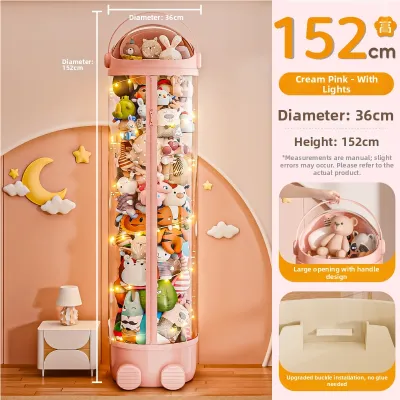
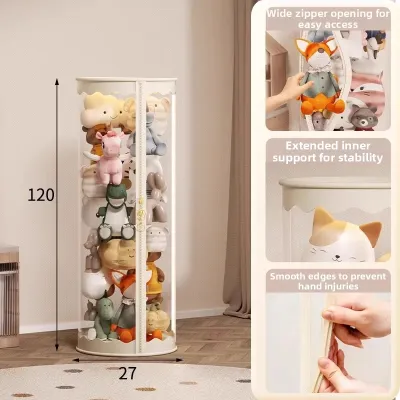
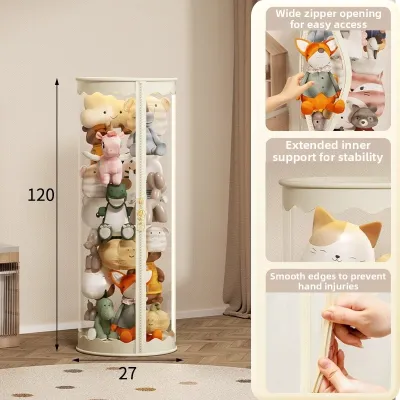
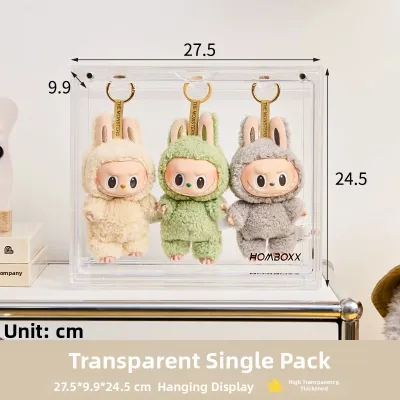
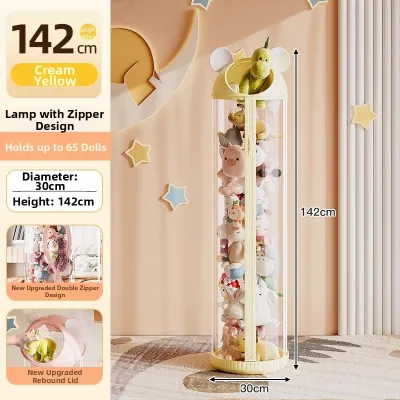
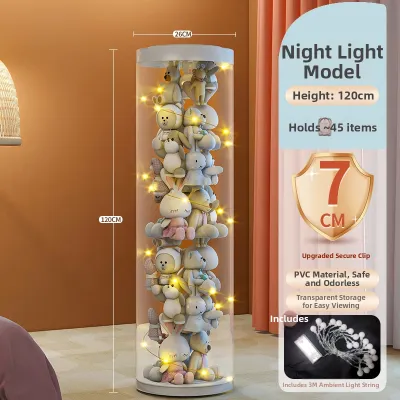
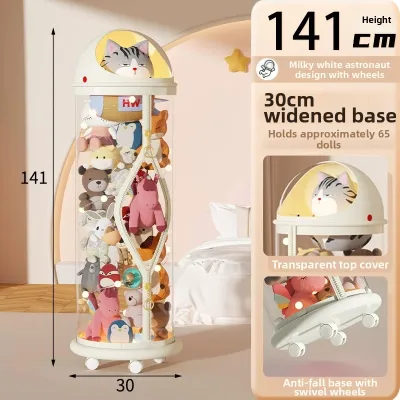
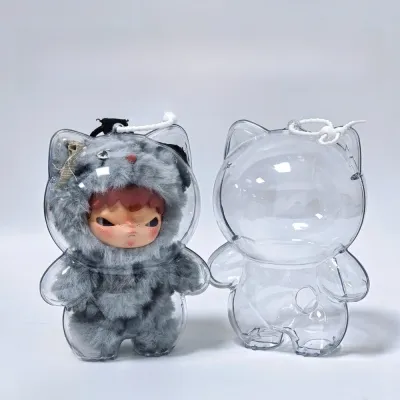
Prices are valid at publication and may change. Please refer to the product page for the latest price.
Child accessibility is a cornerstone of early childhood development and room organization. When toddlers can easily reach their favorite toys and, more importantly, return them to their proper places without adult assistance, they develop fine motor skills and a sense of responsibility. Storage solutions that are too tall, have heavy lids, or feature complex latches frustrate young children and discourage them from participating in cleanup routines.
Safety boundaries are equally critical when selecting furniture and accessories for infants and toddlers. Soft toys themselves are lightweight, but the structures used to hold them can present hazards if not carefully evaluated. Caregivers must look out for tipping risks, sharp edges, rough finishes, and potential entanglement hazards like long cords or low-hanging nets. Every storage item introduced to the nursery must be structurally sound and free of small, detachable parts that could pose a choking risk.
Space efficiency is a major factor for families living in Singapore, where nursery rooms are often compact. A bulky toy chest can quickly overwhelm a bedroom, leaving little space for crawling, playing, or moving around safely. The right storage solution should offer a high capacity-to-footprint ratio, utilizing vertical wall space, unused corners, or under-bed areas without obstructing natural walking paths or emergency exits.
Comparing Common Plushie Storage Types
To find the perfect fit for your nursery, it helps to understand the practical trade-offs of the most common storage categories. Different designs cater to different age groups, room sizes, and collection volumes.

By comparing these options based on their storage capacity, toy visibility, and spatial footprint, you can narrow down the choices that best align with your family’s daily needs and space constraints.
Soft Bins and Fabric Baskets
Soft bins and fabric baskets are among the most popular choices for infant nurseries due to their gentle construction and versatility. Typically made from cotton rope, canvas, or felt, these containers sit directly on the floor, making them incredibly easy for crawling babies and toddlers to access. Because they lack hard corners or rigid frames, they pose virtually no risk of injury if a child bumps into them or attempts to climb inside.
These flexible containers are highly portable and can be easily moved from the nursery to the living room during playtime. Many designs are collapsible, allowing you to fold them flat and store them away when the plushie collection shrinks or when transitioning to different storage styles. They are ideal for storing medium-sized, everyday plushies that get frequent use.
However, fabric baskets do have structural limitations. Because they lack internal dividers, toys tend to get piled on top of one another, which can make finding a specific small plushie difficult without dumping the entire contents onto the floor. Over time, heavily loaded fabric bins can lose their shape and begin to sag, which may detract from the neat appearance of the nursery.
Hanging Hammocks and Corner Nets
Hanging hammocks and corner nets offer an excellent way to utilize vertical space, making them highly suitable for smaller nurseries where floor space is at a premium. Suspended across a corner of the room, these nets keep soft toys off the ground while keeping them fully visible and beautifully displayed. This setup creates a whimsical, floating look that adds a playful decorative element to the nursery.
By keeping plushies elevated, hammocks help protect toys from floor dust, pet hair, and accidental spills. This is particularly beneficial for decorative or sentimental plushies that are not played with daily but are still a cherished part of the room’s environment.
The primary limitation of hanging hammocks is their accessibility and installation requirements. Because they are mounted high on the wall, young children cannot reach them independently, meaning caregivers must assist with retrieval and cleanup. Additionally, they require secure wall mounting with appropriate hardware to prevent them from falling under the weight of the toys, and they must be kept strictly out of reach of infants to avoid any risk of entanglement.
Open Shelving and Cubbies
Open shelving units and cubby organizers provide a highly structured and visually organized approach to toy storage. These wooden or composite structures allow you to categorize plushies by size, color, or character, making it easy for children to spot exactly what they want. Cubbies can be paired with removable fabric inserts, giving you the flexibility to hide clutter or display favorite toys openly.
This type of storage is highly durable and can transition seamlessly as your child grows, eventually holding books, school supplies, or board games. The flat top of low shelving units can also serve as an additional display surface for nursery decor, photo frames, or nightlights.
The main drawback of open shelving is its physical footprint and the absolute necessity of safety precautions. Rigid shelves take up dedicated floor space and can present sharp corners for unsteady toddlers. Most importantly, tall or heavy shelving units present a severe tipping hazard if a child attempts to climb them, making secure wall anchoring an indispensable step during installation.
Stuffed Animal Cages and Pens
Stuffed animal cages, often constructed with a wooden frame and flexible elastic cords, are specialized vertical enclosures designed to hold massive quantities of plushies. These structures act like a “zoo” or “pen,” keeping toys contained in a single vertical column while keeping them fully visible through the gaps. Children can easily pull plushies out between the elastic cords and stuff them back in when playtime is over.
This option is incredibly efficient for families with extensive soft toy collections, as it maximizes vertical storage without requiring the depth of a traditional toy chest. The interactive nature of the elastic cords can also make the cleanup process feel like a game, encouraging children to tidy up.
On the other hand, these cages have a relatively bulky vertical footprint and may not fit comfortably in very tight corners. Because toys are stacked vertically, plushies at the very bottom of the cage can become compressed and difficult to access, often remaining forgotten for long periods unless the entire cage is emptied.
Safety and Accessibility Checks for Nurseries
When introducing any new furniture or storage accessory into a nursery, conducting a thorough safety and accessibility audit is essential. Children are naturally curious and will often interact with storage units in unexpected ways, such as climbing, pulling, or hanging on them.
Anti-tip anchoring is the single most critical safety measure for any freestanding nursery furniture, including shelving units, cubbies, and heavy storage cages. In Singapore, residential walls are commonly made of concrete or drywall, each requiring specific mounting hardware. Caregivers must verify that all tall or heavy units are securely anchored to the wall using heavy-duty brackets and screws appropriate for the wall material. Never rely on the weight of the furniture or the toys inside to keep a unit stable.
Entanglement and choking hazards must be carefully managed, especially with hanging storage options. Hammocks, nets, and hanging organizers often feature long cords, mounting ropes, or small metal hooks. These items must be installed at a height that is completely out of reach of infants and toddlers, particularly when positioned near a crib, changing table, or playpen. Regularly inspect these installations to ensure the netting remains taut and the mounting hardware has not loosened over time.
Ergonomic height plays a vital role in both safety and usability. To foster independence, the storage units intended for daily use should align with your child’s physical reach. For toddlers, active storage openings should ideally be kept below shoulder height, allowing them to see inside and reach toys safely without stretching or climbing. If a storage unit is too tall, children may be tempted to climb the shelves or pull on the edges to reach a toy, increasing the risk of accidents.
Before finalizing any storage setup, always verify the manufacturer’s age recommendations, weight limits, and assembly instructions. If a product is not explicitly rated for nursery use, inspect it closely for rough wood grain, splintering, sharp plastic edges, or exposed metal screws that could scratch sensitive skin.
Integrating Storage into Your Nursery Layout
An effective storage system should integrate seamlessly into your nursery’s layout, supporting your daily routines and maintaining a peaceful, uncluttered environment. How you position your storage can influence your child’s sleep quality, play habits, and the overall flow of the room.
Zoning is an excellent design strategy for creating a balanced nursery. Divide the room into distinct areas for sleeping, changing, and playing. Place active plushie storage, such as soft floor bins or low cubbies, directly within the designated play zone. Keep the sleep zone, particularly the area immediately surrounding the crib, free of toy storage to minimize distractions at bedtime and ensure a calm, restful atmosphere.
Implementing a toy rotation strategy is highly effective for managing large collections of plushies without overwhelming the room. Instead of keeping every soft toy on display, select a few favorites to place in the accessible floor bins. Store the remaining plushies in a secondary, out-of-reach location, such as a high closet shelf or an under-bed storage box. Every few weeks, swap the toys out to renew your child’s interest and keep the nursery looking fresh and organized.
Multi-functional integration is another smart approach, especially in compact Singapore homes. When planning your nursery budget in S$, prioritizing safety hardware and versatile furniture is always a wise investment. Look for pieces that serve dual purposes, such as a storage bench with a padded top that provides seating for reading while housing fabric bins underneath. Some changing tables also feature lower shelves that can be outfitted with baskets for plushies, maximizing the utility of a single piece of furniture.
Frequently Asked Questions (FAQ)
How often should I wash plushies stored in open bins or hammocks?
Plushies stored in open bins or hammocks are exposed to ambient dust, pet dander, and household allergens, which can accumulate over time. In Singapore’s warm and humid climate, dust mites can thrive, making regular maintenance important for maintaining a healthy nursery environment. Generally, toys that are played with daily should be washed or cleaned every two to four weeks, while decorative plushies stored in high hammocks can be cleaned every few months.
Before cleaning any soft toy, always check the manufacturer’s care label for specific instructions, as some materials are surface-wash only while others can tolerate machine washing. For machine-washable plushies, placing them inside a mesh laundry bag and using a gentle, allergen-free detergent on a delicate cycle is recommended. For delicate or non-washable toys, regular vacuuming with a brush attachment or gentle spot cleaning with a damp cloth can help keep dust at bay.
What is the safest way to mount a plushie hammock in a rented apartment?
Mounting a plushie hammock in a rented apartment requires balancing structural safety with the need to avoid permanent wall damage. Before installing any wall-mounted storage, review your tenancy agreement regarding drilling and wall alterations. In Singapore, nursery walls are often solid concrete, which requires a masonry drill bit and plastic wall plugs to secure screws safely.
If drilling is permitted, using proper wall anchors rated for the expected weight of the hammock and toys is the safest approach. Ensure the hammock is mounted high enough to be completely out of reach of young children. If drilling is strictly prohibited by your landlord, avoid using standard adhesive hooks, as they can fail under tension and cause the hammock to fall. Instead, consider pivoting to freestanding vertical storage options, such as a lightweight corner shelving unit or a tall fabric bin, which require no wall drilling while still utilizing corner space effectively.
How can I encourage my toddler to put their plushies away independently?
Encouraging a toddler to participate in cleanup routines requires making the process as simple, intuitive, and engaging as possible. Choose storage solutions with wide, open tops, such as fabric baskets or low cubbies, which allow children to drop toys inside quickly without struggling with heavy lids, zippers, or complex latches.
Using visual cues is another highly effective strategy for young children who cannot yet read. Attach simple picture tags or color-coded labels to the front of the storage bins to show exactly where the plushies belong. This turns sorting into a visual matching game rather than a chore.
Finally, integrate cleanup into your daily transition routines, such as tidying up right before bath time or bedtime. Keep the expectations manageable by focusing on putting away just a few toys at a time, and offer positive reinforcement to build confidence and establish consistent habits.

Community discussion
Share your experience or ask a question. Comments are reviewed before publication.