
Selecting the right plug covers for baby-proofing Singapore’s Type G electrical outlets is a critical step in securing a safe environment for crawling infants and curious toddlers. Because Singapore homes utilize the British standard 3-pin rectangular configuration operating at a high voltage of 230V, generic or foreign-designed safety covers often fail to fit securely, creating serious electrical and choking hazards. The most reliable solution involves choosing high-quality, flame-retardant covers specifically engineered for Type G sockets, verifying their physical security through regular testing, and integrating them into a broader household safety strategy.
While many baby-proofing kits sold online are marketed as universal, electrical standards vary significantly across regions. In Singapore, wall sockets are typically positioned at skirting-board height, placing them directly within a baby’s line of sight and reach. Understanding the unique physical mechanics of these outlets is the first step in selecting protective barriers that actually perform their intended function.
Understanding Type G Outlet Compatibility
Singapore’s standard electrical outlets utilize the Type G configuration, which is characterized by three flat, rectangular pins arranged in a triangular pattern. This design is governed by strict safety specifications, including a built-in shutter mechanism inside the socket. Under normal operation, the longer top pin (the earth pin) must be inserted first to push open the internal shutters that protect the lower live and neutral ports.
Products mentioned in this guide

Prices are valid at publication and may change. Please refer to the product page for the latest price.
Because of this unique shutter mechanism, universal plug covers designed for US (Type A or B) or European (Type C or F) outlets are entirely incompatible. Foreign covers with round pins or thin blades cannot engage the earth shutter correctly, meaning they either will not insert at all or will sit loosely in the socket. A loose-fitting cover is highly dangerous; it fails to block access to the live terminals and can easily be pulled out by a child, turning a safety device into an immediate choking hazard.
When shopping for outlet protectors, parents must carefully inspect the product packaging and specifications. Look for explicit declarations of compatibility with “Type G,” “UK standard,” “BS 1363,” or “Singapore 3-pin” outlets. Avoid products labeled generically as “universal” unless the manufacturer explicitly lists the Type G configuration in their compatibility documentation. Verifying these standards ensures the cover’s dummy pins are sized and spaced precisely to engage the socket shutters and sit flush against the wall plate.
Key Safety Features to Evaluate Before Buying
Before purchasing any plug covers, caregivers must evaluate several critical design and material attributes to ensure the product does not introduce new risks into the home. The primary goal is to find a cover that resists a child’s curiosity and physical strength while remaining manageable for adults to operate.

Choking hazard prevention is the most vital physical attribute to verify. A plug cover must be constructed as a single, solid piece of durable plastic with no small, detachable parts or fragile tabs that can snap off during removal. If a cover breaks, the resulting fragments can easily be swallowed by an infant. Check the overall dimensions of the cover; it should be large enough that it cannot fit entirely into a child’s mouth, even if they manage to extract it from the wall.
Material safety is another non-negotiable factor. Because these covers sit directly inside active electrical sockets, they must be made from non-toxic, BPA-free, and flame-retardant materials, such as high-grade polycarbonate or heavy-duty ABS plastic. Parents should verify that the manufacturer declares flame-retardant properties on the packaging. This ensures that in the rare event of an electrical fault or overheating within the wall socket, the cover will not easily catch fire or melt, preventing the release of toxic fumes.
Finally, analyze the removal mechanism of the cover. The design must require adult finger strength, dexterity, or a specific tool to extract. Some high-quality Type G covers feature a completely flat surface with a hidden pull tab or a dual-press mechanism that must be squeezed simultaneously to release. Avoid covers with prominent outer ridges, loops, or exposed edges that a baby can easily grip with their fingernails or teeth to pry the cover loose.
Comparing Common Types of Outlet Protectors
Baby-proofing an entire home requires different solutions depending on how individual wall sockets are used. Sockets that remain permanently empty require a different protective approach than those powering essential household appliances.
To create an effective safety barrier, parents must distinguish between blocking empty, unused sockets and securing active plugs that are constantly connected to power. Matching the right type of protector to the specific function of the outlet minimizes daily inconvenience while maintaining a high standard of safety.
Standard Insert Caps for Unused Outlets
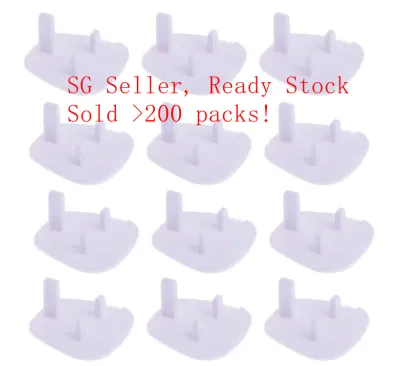
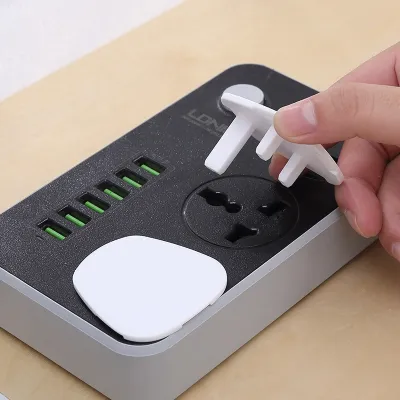
Standard insert caps are individual plastic covers featuring three dummy rectangular pins that plug directly into empty Type G sockets. They are designed to sit completely flush against the wall plate, leaving no exposed edges for a child to grab.
These caps are highly favored for their simplicity, affordability, and ease of installation. They are also highly portable, making them an excellent choice for travel, temporary setups, or visits to relatives’ homes. However, because they must be completely removed to use the outlet, they can easily be misplaced or left lying around, creating a temporary choking hazard. Caregivers must perform regular fit checks, as repeated insertion and removal can wear down the plastic dummy pins, causing the cap to sit loosely over time.
Sliding Outlet Covers and Faceplates
Sliding outlet covers are spring-loaded plates that either stick over the existing socket or replace the wall faceplate entirely. When an appliance plug is pulled out, the spring mechanism automatically slides a plastic barrier over the socket holes, blocking access instantly.
This option offers a highly secure, permanent, and aesthetically clean solution for frequently used outlets. Because the barrier is integrated into the faceplate, there are no loose parts to lose, completely eliminating the risk of a misplaced cover becoming a choking hazard. The primary drawback is the installation process, which may require unscrewing the existing wall plate—a task that requires turning off the home’s main power supply for safety—or using strong adhesives that can damage paint. Additionally, sliding the mechanism open while inserting a plug requires a level of adult coordination and strength that toddlers cannot replicate.
Locking Boxes for Plugs in Use
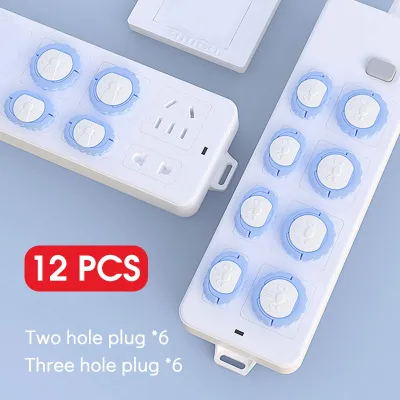
Locking boxes, or outlet enclosures, are protective plastic domes that fit over the entire wall outlet, enclosing both the socket and any plugged-in power cords. These boxes typically feature a secure latch or a key-lock system that only adults can open.
These enclosures are ideal for outlets that must remain constantly active, such as those powering refrigerators, Wi-Fi routers, television consoles, or air purifiers. They prevent toddlers from pulling out active plugs, which protects the child from exposed live terminals and prevents accidental power disruptions to critical appliances. The main trade-off is their physical bulk; locking boxes protrude significantly from the wall, which can impact room aesthetics and prevent furniture from being pushed flush against the wall. When choosing a locking box, parents must verify the internal dimensions to ensure it can comfortably accommodate bulky Type G plugs and thick, insulated power cords without bending or damaging them.
How to Test and Verify the Secure Fit
Once plug covers are installed, parents must actively verify their effectiveness through physical testing and ongoing maintenance. A safety device is only useful if it can withstand the persistent curiosity of a developing child.
Immediately after installing any plug cover, perform a physical pull and wiggle test. Attempt to pry the cover off using only your fingernails or by pulling gently from different angles. If the cover wobbles, slides out easily, or allows you to get a firm grip under the edges without using the designated removal tool or mechanism, it is unsafe. A toddler’s fingers are small and surprisingly strong; if an adult can remove the cover without using the proper release mechanism, a child will eventually figure out how to do the same.
Establish a routine to inspect all installed outlet covers at least once a month. During these checks, look for signs of physical wear, such as plastic discoloration, hairline cracks, or warping caused by ambient temperature changes. In Singapore’s warm and humid climate, some plastics can degrade or become brittle over time, especially if the outlet is located near a window with direct sunlight exposure. Gently wiggle each cover to ensure the fit remains tight and secure.
Define clear stop-use conditions for your safety products. If you notice any visible cracking, structural weakness, or if a cover becomes loose, replace it immediately. More importantly, if your child successfully extracts a plug cover or figures out how to bypass a sliding mechanism, stop using that specific product. As children grow and develop better fine motor skills, physical barriers must be upgraded to more advanced solutions, such as locking boxes or blocking the outlet entirely with heavy furniture.
Creating a Comprehensive Electrical Safety Plan
While plug covers are an essential tool, they represent only one layer of defense in a comprehensive household safety strategy. Relying solely on physical barriers can create a false sense of security; a complete safety plan addresses the entire electrical environment.
Combine plug covers with robust cable management solutions to address the dangers associated with exposed wires. Loose, dangling cords from appliances are highly tempting for babies to pull, which can result in heavy items like lamps, irons, or kitchen appliances falling on top of them. Use cable trunking, cord shorteners, or heavy-duty cable boxes to hide and secure wires along the baseboards. This not only keeps cords out of reach but also prevents tripping hazards for both children and adults.
Evaluate the layout of your home and use strategic furniture placement to block access to wall outlets. Position heavy bookshelves, sofas, sideboards, or cabinets directly in front of unused sockets. When placing furniture, ensure there is sufficient clearance so that plugs and cords are not pinched or bent against the wall, which can damage the insulation and create a fire hazard. Blocking physical access entirely is often the most reliable way to eliminate outlet-related risks in high-traffic living areas.
Finally, remember that physical safety devices are designed to delay a child and buy time for adult intervention—they do not replace active supervision. Keep a watchful eye on crawling babies and toddlers as they explore new spaces. As your child grows, complement physical barriers with age-appropriate safety education, teaching them early on that electrical outlets and cords are dangerous and must not be touched.
Frequently Asked Questions (FAQ)
Can I use European or US plug covers on Singapore outlets?
No, you cannot safely use European or US plug covers on Singapore outlets. Singapore utilizes Type G sockets, which feature three flat, rectangular holes in a specific triangular layout. US (Type A or B) and European (Type C, E, or F) plug covers are designed with completely different pin shapes, sizes, and spacings. Attempting to force these foreign covers into a Type G outlet will either fail to block the socket holes, damage the internal safety shutter mechanism, or result in an extremely loose fit that a child can easily remove, creating an immediate choking and electrical hazard. Always purchase covers explicitly certified for Type G or UK/Singapore standard sockets.
At what age can I stop using plug covers?
There is no universal age cutoff for removing plug covers, as children develop cognitive understanding and physical capabilities at different rates. Generally, most parents maintain physical outlet barriers until their child is between two and four years old. By this stage, children typically develop a clearer understanding of cause and effect, can comprehend verbal safety warnings, and can follow instructions regarding electrical hazards. Before removing any covers, observe your child’s behavior, consult pediatric safety guidelines, and ensure you have thoroughly educated them about the dangers of electricity.
Community discussion
Share your experience or ask a question. Comments are reviewed before publication.