
Infant congestion is a common challenge that can quickly disrupt a household’s peace. Because babies are obligate nasal breathers for the first few months of life, even a minor buildup of mucus can make simple activities like feeding and sleeping incredibly difficult. For parents in tropical or humid environments where air conditioning is frequently used, sudden temperature shifts can trigger nasal congestion, making a reliable nasal aspirator an indispensable component of any baby grooming kit.
Navigating the variety of nasal clearance tools available can feel overwhelming, especially when looking at a trusted brand like Pigeon. Rather than searching for a single, universally perfect model, the key to finding the right nose cleaner lies in matching the device’s specific mechanism to your baby’s developmental stage, the thickness of the mucus, and your own comfort level as a caregiver.
By understanding how different suction methods operate and how to safely apply them, you can ease your baby’s breathing safely and effectively. This guide will walk you through the essential factors to consider, from assessing congestion levels to comparing manual and electric designs, ensuring you select a tool that fits seamlessly into your daily care routine.
Products mentioned in this guide
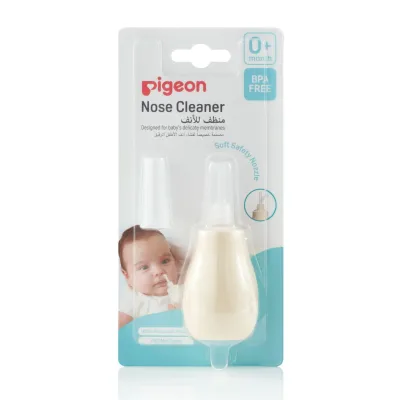
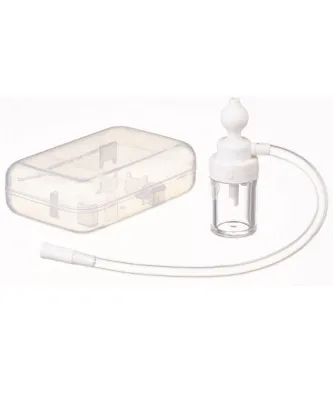
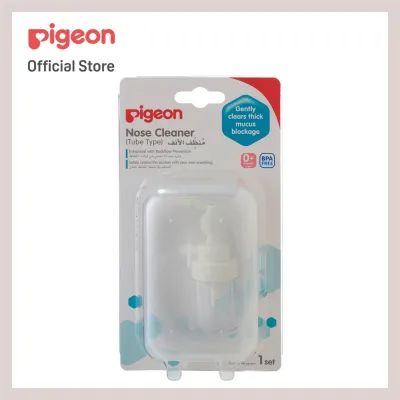
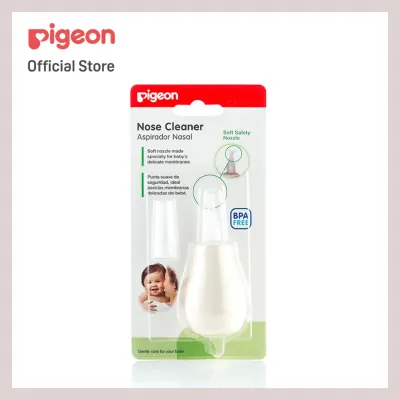
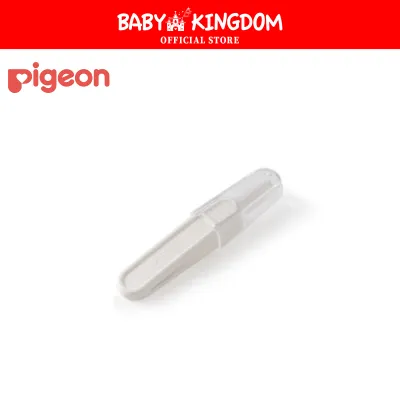
Prices are valid at publication and may change. Please refer to the product page for the latest price.
Assessing Your Baby's Nasal Needs and Safety Boundaries
Before reaching for any nasal clearance tool, it is crucial to evaluate the nature of your baby’s congestion. Mild congestion often presents as slight snuffling or noisy breathing, but the baby remains able to nurse, take a bottle, and sleep without significant distress. In these instances, a gentle approach is usually best, as infant nasal passages are incredibly delicate and easily irritated by excessive intervention.
Severe congestion, on the other hand, directly impacts a baby’s ability to feed and rest. Because infants must breathe through their noses while sucking, a blocked nasal passage can cause them to pull away from the breast or bottle frequently, gasp for air, or become highly irritable during feeding times. If you observe your baby struggling to maintain suction during feeds, showing signs of chest retractions (where the skin pulls in around the ribs), or exhibiting extreme lethargy, these are clear indicators that the congestion is severe and requires immediate professional attention.
There are strict boundaries where home suctioning must be paused in favor of a pediatrician’s evaluation. If your baby presents with a high fever, persistent coughing, wheezing, or nasal discharge that is consistently thick and green or yellow over several days, consult a healthcare professional. Additionally, if you notice any blood in the mucus or if the baby shows signs of ear pain, such as pulling at their ears, a doctor should evaluate the child before you attempt further suctioning.
To avoid mucosal damage and swelling, caregivers must adhere to strict safety protocols. The lining of an infant’s nose is highly vascular and sensitive; aggressive or overly frequent suctioning can cause the tissues to swell, actually worsening the congestion. Always ensure that any suction tip is placed gently at the entrance of the nostril rather than pushed deep inside, and never force a nozzle into a tight nasal passage.
Comparing Pigeon Suction Mechanisms: Manual vs. Electric
When exploring the Pigeon range, you will primarily choose between manual suction devices and electric or battery-operated models. Each mechanism offers distinct advantages and trade-offs that appeal to different caregiving styles and situational needs. Understanding these differences allows you to select a tool that aligns with your lifestyle and your baby’s temperament.

Manual and mouth-suction models, often referred to as bulb syringes or aspirators with a mouthpiece, rely entirely on caregiver control. With a mouth-suction model, you place a soft nozzle in the baby’s nostril and gently draw air through a mouthpiece connected by flexible tubing. This design gives you precise, real-time control over the suction strength, allowing you to adjust the pull instantly if your baby becomes startled or if the mucus is particularly stubborn. These models are highly portable, require no batteries or electrical outlets, and operate silently, making them excellent for travel or quick nighttime adjustments. However, they do require the use of hygiene filters or specific chamber designs to prevent any contact with the mucus.
Electric and battery-operated models offer a different set of conveniences, primarily centered around consistent suction delivery and ease of use. These devices generate steady, continuous suction at the press of a button, which can be highly effective for clearing thicker congestion quickly. Because they operate with a motorized pump, they allow for one-handed operation, leaving your other hand free to gently stabilize your baby’s head. The trade-off, however, lies in the noise level and portability. Electric motors produce a humming sound that may startle sensitive infants, and these devices are generally bulkier and require a reliable power source, whether through replaceable batteries or a charging cable.
When weighing these options, consider the complexity of cleaning and long-term maintenance. Manual aspirators typically have fewer parts, making them straightforward to wash and sterilize quickly. Electric models, while highly efficient, often feature more intricate assemblies, including internal valves, collection cups, and motor housings that must be carefully managed to prevent moisture from entering the electrical components. Caregivers should weigh the convenience of automated suction against the time required to disassemble, clean, and reassemble the device after each use.
Matching Nozzle Types and Suction Levels to Age and Stage
A baby’s nasal anatomy changes rapidly during the first few years of life, meaning a nozzle that works perfectly for a toddler could be uncomfortable or ineffective for a newborn. Selecting the correct nozzle attachment and suction setting is essential to ensure both safety and efficacy as your child grows.
For newborns and young infants aged zero to three months, the nasal passages are exceptionally narrow and the mucosal lining is highly delicate. During this stage, it is critical to use ultra-soft, narrow silicone nozzles specifically designed for tiny nostrils. The suction applied must be kept at the absolute lowest setting. If using a manual mouth-suction model, this means drawing breath very gently; if using an electric model, ensure it is set to its lowest operational level. The goal is simply to clear loose mucus from the entrance of the nostril rather than attempting to reach deep into the nasal cavity.
As your baby transitions into older infancy and the toddler years, their nasal passages widen, and the nature of their congestion may change, often resulting in thicker, more stubborn mucus. At this stage, you can transition to wider, slightly firmer nozzle attachments that create a more secure seal at the nostril opening. This secure seal is necessary to generate the pressure required to draw out thicker secretions. Many advanced models offer adjustable suction features, allowing you to gradually increase the suction strength to match the consistency of the mucus, always starting low and adjusting upward only as needed.
To ensure compatibility and safety, caregivers should carefully read the product packaging and user manuals for age recommendations. Pigeon products typically specify the intended age range for each nozzle type and device model. Verify these details before purchase, paying close attention to warnings regarding nozzle insertion depth and recommended suction durations. Never attempt to modify a nozzle or use an unapproved third-party attachment, as this can compromise the safety seal and risk injuring your baby’s nasal tissues.
Key Design and Hygiene Features to Evaluate
When building a comprehensive baby grooming kit, the usability and hygiene of your nasal aspirator are just as important as its suction power. Evaluating specific design features before making a purchase can save you significant time and frustration during stressful, congested nights.
One of the most critical hygiene features to look for is an anti-backflow valve or a specialized chamber design. These mechanisms are engineered to prevent mucus and air from flowing backward toward the caregiver’s mouthpiece or into the motor housing of an electric device. This not only protects the caregiver from cross-contamination but also safeguards the internal components of electric models from moisture damage and bacterial growth. Additionally, check whether the model utilizes replaceable hygiene filters, which act as an extra physical barrier to trap fine particles and moisture.
Daily maintenance is another key consideration. Caregivers should verify whether the components of the nose cleaner are dishwasher-safe or if they require strict hand-washing and sterilization. Silicone nozzles and plastic collection cups that can withstand high temperatures are much easier to sanitize, whether in a standard steam sterilizer or via boiling water. If a device features long, narrow tubing, ensure that a dedicated cleaning brush is included or that the tubing can be easily flushed with warm, soapy water and hung to dry completely.
Finaly, consider the physical design and ergonomics of the device. An ergonomic grip allows you to hold the aspirator securely, even if your hands are damp or if your baby is wriggling. For nighttime use, look for models that feature dedicated storage cases to keep all nozzles and accessories organized and hygienic. If opting for an electric model, check for noise-reduction designs or quiet motor specifications, as a quieter device is far less likely to wake a sleeping baby or cause anxiety during use.
Safe Operation, Cleaning, and Maintenance Routines
Proper technique and regular maintenance are vital to ensuring your nasal aspirator remains a safe, hygienic, and effective tool. Even the best device can cause discomfort or fail prematurely if it is operated incorrectly or neglected.
To operate the nose cleaner safely, begin by positioning your baby comfortably. For most infants, laying them flat on their back with their head slightly elevated on a small rolled towel or resting them securely in your arm is ideal. If the mucus is dry or very thick, you may want to apply a drop of sterile saline solution to each nostril a few minutes before suctioning to help loosen the secretions. Gently place the silicone nozzle at the opening of the nostril, ensuring it forms a gentle seal. Do not press the nozzle upward or force it into the nasal passage. Apply suction gently and in brief intervals, lasting no more than a few seconds at a time, to avoid irritating the nasal lining.
Immediately after each use, the device must be thoroughly cleaned to prevent the growth of mold and bacteria. Disassemble all removable parts, including the nozzle, collection chamber, and any connecting tubing. Wash these parts in warm, soapy water, using a small brush to clear any remaining mucus from tight crevices. Rinse all components thoroughly with clean water. To sterilize, check the manufacturer’s instructions to confirm which parts can be boiled, steam-sterilized, or chemically sanitized. Allow all parts to air-dry completely on a clean towel in a well-ventilated area before reassembling or storing them.
Over time, wearable parts such as silicone nozzles, flexible tubing, and internal filters will experience wear and tear. Inspect these components regularly for signs of degradation, such as discoloration, cracking, or loss of elasticity. Silicone parts that become sticky or brittle must be replaced immediately to maintain a proper seal and ensure hygiene. Keep a supply of replacement nozzles and filters on hand so that your baby’s grooming kit is always ready for use when congestion strikes.
Frequently Asked Questions (FAQ)
How often should I use a Pigeon nose cleaner on my baby?
Nasal suctioning should be limited to times when congestion actively interferes with your baby’s ability to feed or sleep, typically no more than two to three times a day. Overusing a nose cleaner can irritate the delicate nasal mucosa, leading to swelling and increased mucus production, which actually worsens congestion. If you notice redness around the nostrils, minor bleeding, or if your baby becomes highly distressed during suctioning, stop using the device and allow the nasal passages to rest.
Can I use a Pigeon nose cleaner if my baby has a cold or fever?
Yes, a nose cleaner can be highly beneficial during a cold to help clear excess mucus and improve your baby’s comfort, especially before feeding or bedtime. However, a nose cleaner only addresses the symptom of congestion, not the underlying illness. If your baby has a fever, is unusually lethargic, or exhibits rapid breathing, these are signs of a systemic infection or respiratory distress that require immediate evaluation by a pediatrician rather than home suctioning alone.
What should I do if the Pigeon electric aspirator loses suction?
If your electric aspirator experiences a drop in suction, first check for any physical blockages in the nozzle or collection chamber, as dried mucus can easily restrict airflow. Next, verify that all components are securely assembled and that the silicone seals are properly aligned to prevent air leaks. Check the battery status or power connection, as low power can significantly reduce motor performance. Finally, inspect the internal filter to see if it is wet or clogged, and replace it according to the manufacturer’s instructions; if the issue persists, contact the manufacturer’s customer service for assistance.
Community discussion
Share your experience or ask a question. Comments are reviewed before publication.