
Selecting the correct Pigen cotton ball variant depends on matching the product’s physical traits—such as size, thickness, and packaging—to the specific demands of baby grooming. Because a newborn’s skin is up to thirty percent thinner than adult skin, using the wrong type of cotton can lead to friction, skin irritation, or the inhalation of loose fibers. For delicate areas like the eyes, a small, highly bound, lint-free variant is essential to prevent irritation from loose fibers. For high-moisture tasks like diaper area cleaning, a larger, thicker, and highly absorbent jumbo variant is necessary to provide an effective barrier and clean efficiently. By evaluating these specifications on the product label and inspecting the physical characteristics of the cotton, caregivers can ensure a safe, hygienic, and comfortable grooming routine for their baby.
Key Selection Criteria for Baby Cotton Balls
When evaluating different Pigen cotton ball variants, understanding the baseline physical and material standards is the first step toward ensuring infant safety. The most critical factor is material purity. Caregivers should always verify that the packaging explicitly states “100% pure cotton” rather than a generic “cotton blend.” Pure cotton is naturally hypoallergenic, exceptionally soft, and highly absorbent, whereas synthetic blends may contain polyester fibers that can scratch delicate skin or cause allergic contact dermatitis.
Another essential criterion is lint-free processing and shedding resistance. During manufacturing, high-quality baby cotton undergoes specialized water-jet processing or surface binding to keep the fibers tightly locked together. Low-quality cotton balls often shed fine fibers when dry or wet. These loose fibers pose a significant risk if they cling to the baby’s skin, enter the nasal passages, or get trapped under the eyelids, leading to irritation or minor infections.
Products mentioned in this guide
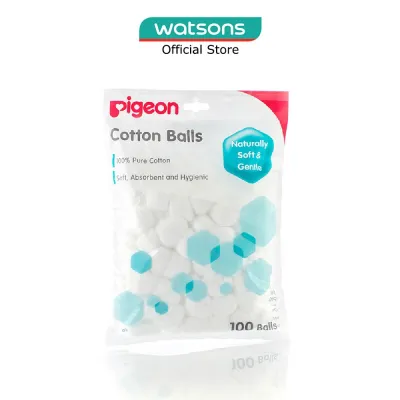
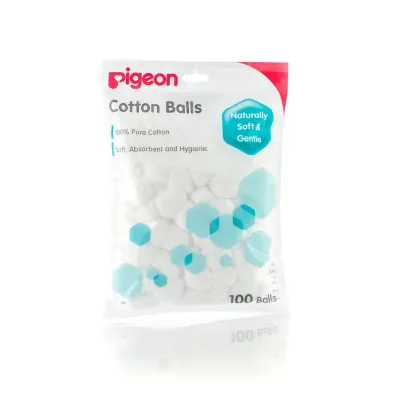
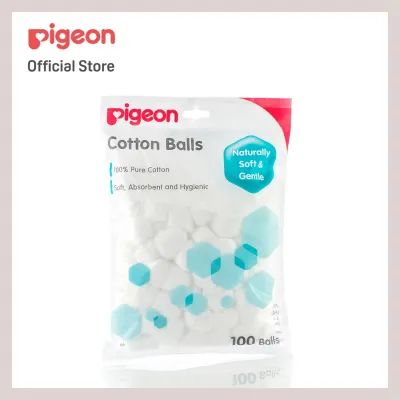
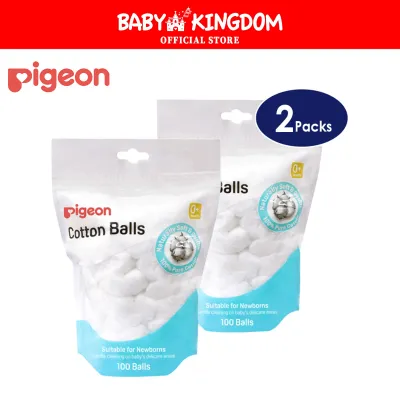
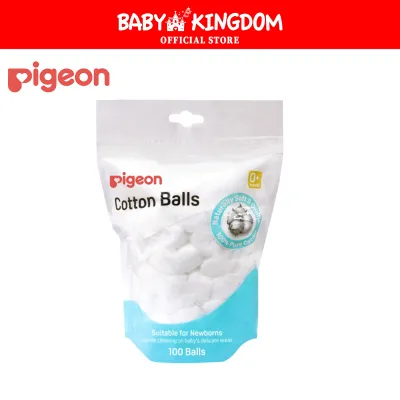
![[Bundle Of 8] Pigeon Cotton Ball 100pcs](https://img.lazcdn.com/g/p/0d5ff7641b3385425c743bc38cd54968.png_400x400q80.png_.webp)
Prices are valid at publication and may change. Please refer to the product page for the latest price.
Thickness and density directly determine how well a cotton ball performs under wet conditions. A high-density cotton ball retains its structural integrity when saturated with water, baby oil, or cleansing lotion. It allows caregivers to apply gentle pressure without the ball collapsing, tearing, or flattening into a thin sheet. Conversely, low-density variants tend to disintegrate quickly, requiring the use of multiple cotton balls for a single task and increasing overall waste.
Finally, packaging hygiene plays a vital role in maintaining the purity of the cotton balls after the product is opened. In warm, humid climates, open cotton is highly susceptible to absorbing airborne moisture, dust, and microscopic mold spores. Caregivers should look for variants packaged in secure, resealable zip-lock bags, drawstring closures, or rigid plastic tubs. These designs protect the remaining cotton from environmental contamination, ensuring that every piece remains sterile and dry until the moment of use.
Matching Cotton Ball Traits to Baby Care Tasks
Different baby grooming routines demand distinct physical properties from a cotton ball. Using a single, generic variant for every task often leads to inefficient cleaning, product waste, or unnecessary skin friction. By matching specific cotton ball traits to individual grooming needs, caregivers can optimize their daily routine while keeping their baby’s skin clean and healthy.

Delicate Eye and Face Cleaning
Cleaning the delicate skin around a baby’s eyes and face requires maximum precision and softness. For these sensitive areas, caregivers should prioritize smaller or medium-sized cotton ball variants. Smaller sizes allow for targeted wiping without covering too much of the face or accidentally dragging dirt across clean areas. This precision is particularly important when clearing away dried mucus or discharge from the corners of the eyes.
When selecting a variant for facial care, checking the label for ultra-soft or specially processed claims is essential. The cotton must feel completely smooth to the touch, with no rough outer crust or loose fibers. Caregivers must strictly avoid any variants that show visible shedding when dry. If a cotton ball leaves behind tiny lint particles near the eyes, the baby’s natural blinking reflex can trap these fibers, causing redness, tearing, or irritation.
To perform this task safely, moisten the cotton ball with sterile water or a recommended saline solution, then gently wipe from the inner corner of the eye outward. Always use a fresh cotton ball for each wipe, and never use the same cotton ball on both eyes. This practice prevents the transfer of potential bacteria or infections from one eye to the other, maintaining a high standard of hygiene.
Diaper Area and Full-Body Wiping
Diaper changes and full-body wiping require cotton balls that can handle high volumes of moisture and cover larger surface areas quickly. For these tasks, jumbo or extra-thick cotton ball variants are highly recommended. The increased surface area of a jumbo cotton ball allows caregivers to clean the diaper region efficiently, reducing the total number of wipes needed per change and minimizing the time the baby is exposed to cool air.
The thickness of the cotton ball also serves a practical hygienic purpose. A thick, dense cotton ball acts as a reliable physical barrier between the caregiver’s hands and the baby’s waste, preventing accidental contact and cross-contamination. The cotton must possess excellent wet strength, meaning it should hold its shape and resist tearing even when fully saturated with warm water or a mild liquid cleanser.
Because diaper changes occur multiple times a day, caregivers should also consider the packaging size of these larger variants. Opting for bulk packaging, such as large resealable tubs or high-capacity bags, is highly practical and cost-effective. This ensures a steady supply of clean, dry cotton is always within arm’s reach at the changing station, reducing the frequency of reordering.
Applying Toners, Oils, or Lotions
Applying skincare products like baby oils, liquid lotions, or soothing toners requires a cotton ball with specific liquid retention and release properties. For these tasks, high-density cotton ball variants are the ideal choice. High-density cotton is tightly wound, which prevents the liquid from sinking entirely into the core of the ball where it cannot be retrieved.
Instead, a dense cotton ball holds the liquid near the surface and releases it evenly when pressed gently against the baby’s skin. Overly fluffy, low-density variants tend to act like sponges, absorbing a large amount of the skincare product and trapping it inside. This leads to significant waste of expensive baby oils or specialized dermatological lotions over time.
Furthermore, caregivers must verify that the chosen cotton variant does not pill or break apart during application. When oil or lotion is rubbed onto the skin, the friction can cause low-quality cotton to clump into small, sticky pills that adhere to the baby’s body. A high-quality, tightly bound cotton ball will glide smoothly across the skin, leaving behind only the desired layer of skincare product without any messy residue.
Comparing Variant Specifications for Your Needs
To help caregivers select the most appropriate Pigen cotton ball variant, it is helpful to compare the physical specifications side-by-side. Different grooming tasks require distinct balances of size, density, and fiber binding. By understanding these relationships, caregivers can quickly identify which product specifications to look for when shopping.
The following table maps common baby grooming tasks to their ideal cotton ball characteristics:
| Task Type | Recommended Size | Density & Thickness | Lint-Free Priority | Packaging Recommendation |
|---|---|---|---|---|
| Eye & Face Cleaning | Small to Medium | Medium Density (Ultra-Soft) | Critical (Zero Shedding) | Resealable Zip-Lock (Small Pack) |
| Diaper Area Care | Jumbo / Extra-Large | High Thickness & Absorbency | Moderate | Bulk Tub or Large Drawstring Bag |
| Lotion & Oil Application | Medium | High Density (Compact) | High (No Pilling) | Resealable Zip-Lock or Tub |
Caregivers can use this table as a practical shortlisting tool when browsing online marketplaces or physical retail shelves. For instance, if the primary goal is to stock up on supplies for daily diaper changes, focusing on jumbo-sized variants in bulk tubs will offer the best utility. If the focus is on delicate facial grooming, prioritizing small, zip-locked packs labeled as ultra-soft or low-lint is the safest approach.
Safety Checks and Label Verification
Before using any cotton ball variant on an infant, caregivers must perform thorough safety checks and verify the product labels. The first step is to look for explicit quality and purification claims. Labels indicating “sterilized,” “hygiene packed,” or “purified” provide assurance that the manufacturing process adheres to strict sanitary standards, reducing the risk of introducing harmful microorganisms to the baby’s skin.
It is equally important to verify what is not in the product. Caregivers should carefully read the ingredient list to confirm the absolute absence of added fragrances, synthetic dyes, optical brighteners, or chemical softeners. Optical brighteners are often used in standard cotton to make them appear artificially white, but these chemicals can leave residues that irritate sensitive skin. Pure, unbleached, or chlorine-free bleached cotton is the safest choice for avoiding contact allergies.
Additionally, caregivers should confirm the age suitability and review any specific manufacturer warnings printed on the packaging. Some variants may have specific instructions regarding supervision or limits on use around open wounds. Always keep cotton balls completely out of reach of infants and toddlers, as loose cotton poses a severe choking hazard if placed in the mouth.
While high-quality cotton is designed to be gentle, every baby’s skin is unique. Caregivers must monitor their baby’s skin closely during and after use. If any signs of skin irritation, redness, dryness, or a persistent rash appear, stop using the product immediately. In such cases, consult a pediatrician or a qualified healthcare professional to identify the underlying cause and receive appropriate guidance.
Purchasing and Post-Delivery Inspection
To ensure the authenticity and safety of Pigen cotton balls, caregivers should purchase them only from reliable retail channels. This includes official brand stores, authorized e-commerce platforms, or reputable local supermarkets and pharmacies. Purchasing from unverified third-party sellers on open online marketplaces increases the risk of receiving counterfeit products, expired stock, or items that have been stored in unhygienic conditions.
Upon receiving the product, a thorough post-delivery inspection is essential before the cotton touches the baby’s skin. First, examine the integrity of the outer packaging seal. If the plastic wrap is torn, punctured, or the zip-lock is partially open, the cotton may have been exposed to moisture, dust, or pests during transit. Any compromised packaging should be returned or discarded immediately.
Next, locate and check the manufacturing or expiration date printed on the pack. While dry cotton does not spoil in the traditional sense, older stock may have suffered from degraded packaging seals, leading to a loss of hygiene. Ensuring the product is relatively fresh guarantees that the structural integrity of the fibers and the cleanliness of the packaging remain intact.
Finally, caregivers can perform a quick, simple physical test on their own skin to verify the quality. Rub a dry cotton ball gently against the back of your clean hand to check for softness and fiber shedding. If it feels scratchy or leaves behind a visible trail of lint, it is unsuitable for delicate baby care. Additionally, wet a cotton ball with a few drops of water and squeeze it; a high-quality variant should retain its basic shape and not disintegrate into a mushy pulp.
Frequently Asked Questions (FAQ)
Can I use standard adult cotton balls instead of baby-specific variants?
Standard adult cotton balls are generally not recommended for baby care because they are manufactured to different quality and safety standards. Adult cosmetic cotton balls often contain synthetic fiber blends, such as polyester, which can feel rougher on an infant’s highly sensitive skin. They are also more likely to be treated with optical brighteners, fragrances, or chemical binders that can trigger allergic reactions or contact dermatitis in babies. Furthermore, adult variants typically have lower fiber binding, meaning they shed lint much more easily, posing a risk of irritation if used near the baby’s eyes, nose, or mouth. For maximum safety, caregivers should stick to variants specifically labeled for baby use, which prioritize 100% pure cotton, low-lint processing, and chemical-free purification.
How should I store cotton balls to maintain hygiene?
To maintain the hygiene of baby cotton balls, proper storage is crucial, especially in humid environments. Once the original packaging is opened, the cotton is exposed to airborne moisture, dust, and potential contaminants. Caregivers should always ensure that the original resealable zip-lock or drawstring is pulled completely tight after every single use. For added protection, or if the original packaging does not seal well, transfer the cotton balls into a clean, airtight plastic or glass container equipped with a secure silicone gasket. Store this container in a cool, dry cupboard or drawer, away from direct sunlight and high-humidity areas like the bathroom. Additionally, always wash and dry your hands thoroughly before reaching into the container to prevent transferring moisture or bacteria to the remaining cotton.
Community discussion
Share your experience or ask a question. Comments are reviewed before publication.