
Selecting a versatile bag that transitions effortlessly from structured school days to active weekend outings requires balancing physical comfort, storage capacity, and ease of use. Notabag’s signature convertible design—which transforms from a tote to a backpack with a single pull of the straps—offers an innovative solution for children on the go. However, finding the specific model that suits your child’s daily routine involves evaluating how their physical frame handles varying loads and how the bag’s minimalist structure accommodates both schoolbooks and play gear. By focusing on ergonomic fit, material durability, and practical organization, parents can select a bag that supports both their child’s education and their weekend adventures.
Assessing Your Child's Dual-Purpose Carry Needs
Before exploring specific models, it is essential to analyze the physical footprint of the items your child carries daily. School essentials typically consist of structured, heavy items such as A4 folders, textbooks, notebooks, pencil cases, and a lunchbox. These items require a bag with sufficient height and width to prevent corners from bending. Conversely, weekend outing gear is often more varied and less structured, encompassing items like a light jacket, small toys, snacks, and a water bottle. A bag that accommodates both scenarios must be flexible enough to compress when carrying light weekend loads, yet spacious enough to expand for school days without putting undue strain on the child’s body.
Ergonomics should be the primary consideration when selecting any bag for a growing child. Pediatric guidelines generally recommend that a loaded backpack should not exceed 10% to 15% of a child’s total body weight to prevent spinal strain, muscle fatigue, and posture issues. To determine the appropriate bag size, measure your child’s torso length from the base of the neck to the top of the hip bone. The bag should sit comfortably within this range, never hanging below the lower back or pulling the shoulders backward. A bag that is too large for the child’s frame will alter their center of gravity, forcing them to lean forward and increasing the risk of falls during active play.
Products mentioned in this guide
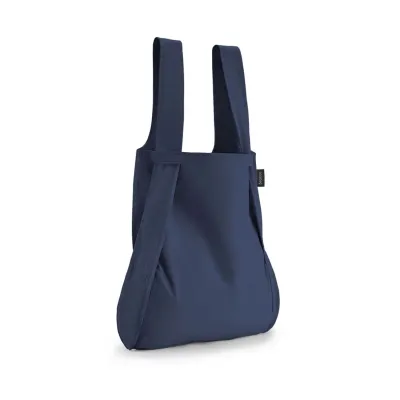
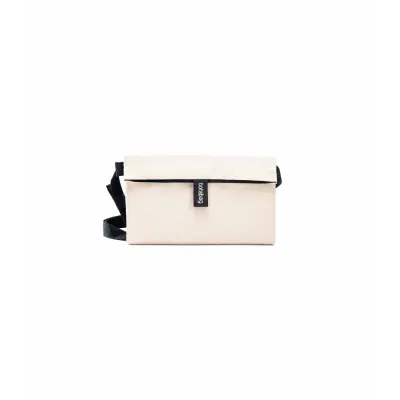
Prices are valid at publication and may change. Please refer to the product page for the latest price.
Additionally, parents must identify any school-specific rules regarding bag styles, colors, or dimensions. Some schools mandate rigid-frame backpacks to protect textbooks, while others require specific high-visibility reflective elements for safety during the daily commute. If your child’s school has strict guidelines regarding bag structure, a highly flexible, frameless convertible bag may need to be paired with a rigid internal organizer to comply. Understanding these constraints beforehand ensures that the bag you choose is both practical for the classroom and compliant with school policies.
Key Design and Material Checks for School and Play
The unique convertible strap system of a Notabag requires careful evaluation regarding comfort and weight distribution. Because the straps are designed to slide smoothly through the bag’s body to transition from a tote to a backpack, they are typically flat and unpadded. While this design keeps the bag incredibly lightweight and easy to fold, it means that the weight of the contents is distributed directly through the fabric straps. Parents must check if the strap width is sufficient to prevent the fabric from digging into the child’s shoulders, especially when the bag is loaded with heavier schoolbooks.

Strap adjustability is another critical factor for a growing child. The bag must be able to adapt to different heights and varying clothing thicknesses, from thin school uniforms during hot afternoons to thicker layers worn during rainy-day outings. Ensure that the straps can be adjusted easily so the bag sits high and tight against the child’s back, which minimizes movement and reduces shoulder strain. If the straps are too long or cannot be adjusted sufficiently, the bag will sag, causing discomfort and making it difficult for the child to run or play freely.
Material durability and ease of cleaning are paramount for bags subjected to the rigors of both school and outdoor play. School bags are frequently placed on classroom floors, playground dirt, and public transport surfaces, making them highly susceptible to stains and spills. Parents should check the manufacturer’s care instructions to verify whether the specific model is machine washable or requires hand washing. Water-resistant materials are highly beneficial, especially in tropical climates prone to sudden rain showers, as they help protect schoolbooks and digital devices from water damage.
Security features and closure mechanisms must also be assessed based on the child’s age and environment. A bag used for active weekend outings needs secure closures to prevent personal items from falling out during running, climbing, or cycling. Some convertible bags feature open-top designs with a single button snap, while others incorporate zippers or internal pockets. Evaluate whether your child has the physical dexterity to operate these closures independently, ensuring they can secure their belongings without adult assistance during a busy school day.
Matching Notabag Sizes and Styles to Your Child
When comparing available sizes, parents must weigh the trade-offs between compact, kids-specific variants and standard-sized models. Compact or mini variants are specifically designed for younger children, typically from preschool to early primary grades. These smaller bags match a shorter torso well, preventing the bag from bumping against the child’s thighs and allowing for maximum mobility during weekend outings. The primary limitation of these compact models is their capacity; they are often too small to hold standard A4-sized school folders or larger tablets, making them better suited for light outings or schools with minimal daily carry requirements.
For older primary school students who must carry standard folders, notebooks, and digital devices, a standard or original-sized convertible bag is generally necessary. While these models offer the required volume, parents must carefully verify that the strap drop is appropriate for the child’s physical frame. If the standard bag is too large, the straps may slip off the child’s shoulders, or the bag may hang too low, leading to poor posture. Testing the bag’s fit with a realistic load is an effective way to ensure the standard size is manageable for your child.
Because convertible bags prioritize a lightweight, foldable design, they often feature a minimalist interior with few, if any, built-in compartments. To make a minimalist bag work for school use, parents should consider implementing an organizational strategy using lightweight, removable pouches or color-coded inserts. This allows the child to separate school stationery and books from weekend gear, such as sunscreen, toys, or a change of clothes. Using removable organizers also adds a layer of structure to the bag, helping it maintain its shape and protecting delicate items from being crushed.
To make a final decision, build a conditional shortlist based on your child’s primary use case. If the bag will be used primarily for school, prioritize models made from heavier, more durable fabrics that offer slightly more structure, and pair them with internal organizers. If the bag is intended primarily for weekend travel, day trips, and light outings, prioritize lightweight flexibility, high-visibility colors, and water-resistant materials that allow the child to move freely and stay visible in crowded public spaces.
Cleaning and Maintenance for Dual-Environment Use
Maintaining proper hygiene and structural integrity is essential when a bag transitions between the classroom and outdoor environments. Establish a weekly routine for school use, which should include shaking out the bag to remove pencil shavings, paper scraps, and food crumbs, followed by a thorough wipe-down of the interior and exterior with a damp microfiber cloth. This simple routine prevents dirt from building up and keeps the bag looking fresh throughout the school term.
For deeper cleaning after muddy weekend trips to the park or beach, always refer to the manufacturer’s specific care label. If machine washing is permitted, use a gentle cycle with cold water and a mild detergent, avoiding harsh chemicals, bleach, or fabric softeners that can degrade water-resistant coatings and weaken the synthetic fibers. If hand washing is recommended, submerge the bag in lukewarm soapy water, gently agitate it, and rinse thoroughly. Always allow the bag to air dry completely in a well-ventilated area away from direct sunlight, as high heat from dryers or intense sun exposure can warp the fabric and damage the convertible strap mechanism.
Regularly inspect high-stress areas of the bag to identify early signs of wear and tear. The points where the straps thread through the bag’s body are subject to constant friction during the conversion process and carry the brunt of the load’s weight. Check these areas, along with the seams and closures, for loose threads, fraying, or weakened stitching. Addressing minor wear early, such as trimming a loose thread or reinforcing a stitch, can prevent a sudden strap failure during the school commute or an outdoor excursion.
Proper storage is also crucial for preserving the bag’s shape and functionality when it is not in use. Store the bag flat or folded according to the manufacturer’s instructions to maintain its “folding memory,” which ensures the convertible mechanism continues to operate smoothly. Avoid hanging a heavily loaded bag by its straps on a wall hook for extended periods, as this can permanently stretch the fabric and distort the alignment of the strap system, making future transitions difficult.
Where to Buy and What to Verify Before Checkout
To ensure you receive an authentic product with reliable stitching, safe materials, and a functional convertible mechanism, always purchase from authorized distributors, official brand stores, or reputable local retailers in Singapore. Avoid buying from unverified third-party sellers on online marketplaces, as counterfeit bags often look identical but are constructed with inferior materials that can fail under the weight of school supplies, posing a safety risk to your child.
Before finalizing your purchase, carefully verify the manufacturer’s warranty coverage. A reliable warranty should cover manufacturing defects in the zippers, snaps, stitching, and the convertible strap mechanism. Understanding the warranty terms provides peace of mind, especially given the daily wear and tear a child’s bag experiences across different environments.
Finally, review the retailer’s return and exchange policies to ensure you can return the bag if the physical fit is not correct. Once the bag arrives, conduct a home test by filling it with your child’s typical daily school load. Have your child wear the bag in both tote and backpack modes, observing how it sits on their shoulders and back. Check the strap drop, ensure they can walk and bend comfortably, and verify that they can operate the convertible mechanism independently before removing any tags or labels.
Frequently Asked Questions (FAQ)
Can a Notabag safely hold a child's school water bottle and lunchbox?
Yes, but parents must take specific precautions to ensure safety and comfort. Because convertible bags typically lack rigid internal compartments, a heavy water bottle can shift during transit, causing the bag to sag unevenly and potentially crushing delicate lunch items or schoolbooks. To prevent this, check the manufacturer’s weight guidelines and place the water bottle in an upright position, securing it between flat items like notebooks or folders. Always use high-quality, leak-proof containers for both liquids and food, as a spill inside a fabric bag can quickly ruin schoolwork and digital devices.
Is the convertible mechanism easy for a young child to operate alone?
The transition from tote to backpack is designed to be simple and intuitive, but it does require a basic level of physical coordination and bilateral hand strength. A young child must learn to pull the straps outward with equal force to ensure the bag sits symmetrically on their shoulders. To build your child’s confidence, practice the conversion process together at home before the school term begins. Turn the practice into a fun game, allowing them to transition the bag back and forth until they can manage it independently in a busy classroom or playground environment.
Community discussion
Share your experience or ask a question. Comments are reviewed before publication.