
The most effective lanolin cream for soothing nipple soreness during frequent breast pump use is a 100% ultra-purified, single-ingredient formulation that contains no added fragrances, preservatives, or alcohol. Because frequent pumping strips the skin of its natural moisture, a highly refined lanolin cream acts as a protective barrier to lock in hydration and support natural skin recovery. To protect both your skin and your breast pump, the cream should be applied sparingly after pumping sessions, ensuring it does not interfere with the suction or material integrity of your pump parts.
While lanolin is a trusted staple for many lactating parents, integrating it into a busy pumping schedule requires a clear understanding of product labels, application techniques, and equipment compatibility. By focusing on ingredient purity and proper hygiene, you can maintain a comfortable pumping routine and prevent unnecessary wear on your equipment.
Identifying Pump-Related Soreness and the Role of Lanolin
Breast pumping introduces unique mechanical forces to your skin that differ significantly from direct breastfeeding. The continuous back-and-forth motion of the nipple inside a plastic or silicone flange tunnel creates localized friction. Over multiple sessions a day, this friction can strip away the skin’s natural lipid barrier, leading to surface dryness, chafing, and a raw, burning sensation during or after you pump.
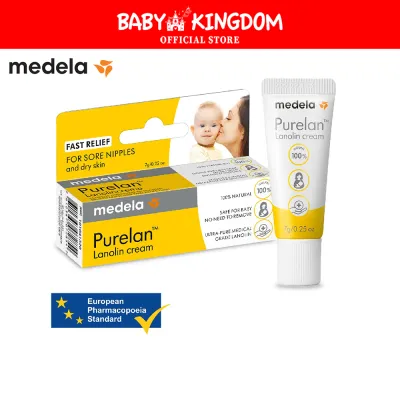
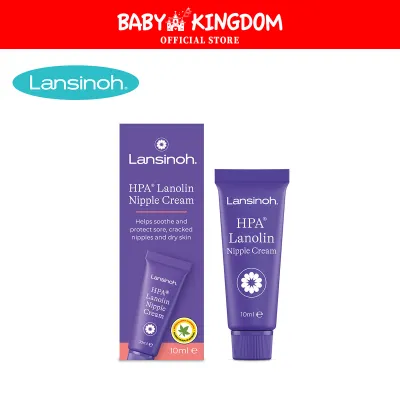
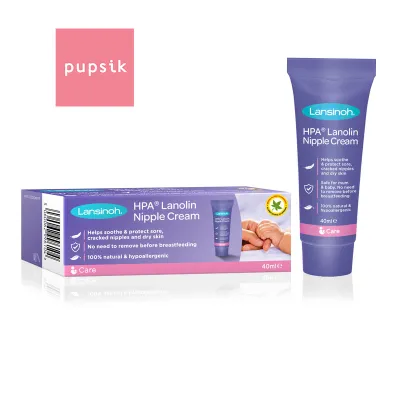
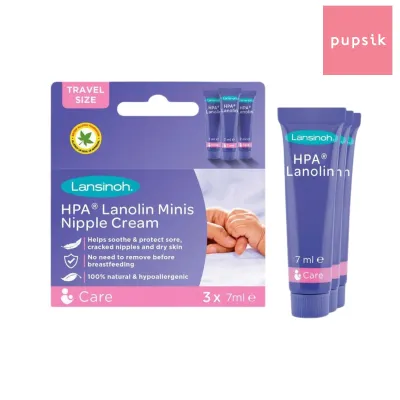
Products mentioned in this guide
![[2 Sizes] Lansinoh HPA Lanolin Nipple Cream - 10ml / 40ml | lasinoh nipple cream / lanolin nipple cream / lanolin / lanolin cream / nipple care cream / nipple cream](https://img.lazcdn.com/g/p/c164efb444d80d09a2e5cbfd977393c7.jpg_400x400q80.jpg_.webp)
Prices are valid at publication and may change. Please refer to the product page for the latest price.
It is essential to distinguish this surface-level friction from deeper mechanical pain or injury. If you experience sharp, pinching pain during a session, or if your nipples appear misshapen, white, or bruised afterward, the primary issue is likely an incorrectly sized breast pump flange or excessive suction settings. A topical cream cannot resolve the physical trauma caused by a flange tunnel that is too narrow or too wide for your anatomy.
Ultra-purified lanolin supports skin recovery by acting as an external lipid barrier that mimics the skin’s natural oils. When applied to dry or chafed skin, it provides semi-occlusive protection, which means it traps moisture within the skin layers while still allowing the tissue to breathe. This moist environment is highly effective for soothing surface irritation and helping micro-tears heal naturally.
However, topical creams have clear limits and are not a cure-all for every type of breast pain. If you are dealing with deep tissue pain, cracked skin that bleeds persistently, painful milk blisters, or underlying infections such as thrush, lanolin will not resolve the root cause. These conditions require targeted clinical evaluation and treatment rather than protective cosmetic ointments.
What to Look for in a Pump-Friendly Lanolin Cream
When shopping for a nipple cream on online marketplaces or at local baby boutiques in Singapore, always verify the ingredient list on the packaging. The ideal cream should contain exactly one ingredient: 100% ultra-purified lanolin. Avoid products with added fragrances, essential oils, alcohol, or preservatives, as these additives can irritate already compromised skin and may not be safe for your baby to ingest during subsequent feeding sessions.

Consider the packaging design for practical, everyday use. Squeeze tubes are generally preferred over open jars because they minimize the risk of bacterial contamination from repeated finger dipping. When you are managing a busy pumping session, a tube with a flip-top cap allows for easy, one-handed dispensing, keeping the remaining product clean and hygienic.
Check the manufacturer’s label to confirm the cream’s preparation requirements. Look for formulations explicitly labeled as “no need to remove before breastfeeding or pumping.” Constantly washing or wiping your nipples with water or wipes before every single pumping session can severely dry out the skin, defeating the purpose of using a soothing cream in the first place.
Evaluate the physical consistency of the cream. Pure lanolin is naturally thick and can become quite firm in air-conditioned rooms or cooler environments. Look for medical-grade options that are refined to glide on smoothly. A cream that is too stiff will require you to rub and tug on highly sensitive skin, which can worsen soreness and micro-tears.
How to Apply Lanolin Safely Around Your Pumping Schedule
To maximize the benefits of your lanolin cream, establish a consistent application routine. The best time to apply the cream is immediately after you finish a pumping session. First, gently pat the area dry with a clean cloth or let it air dry, then apply a very thin layer of lanolin to lock in the remaining moisture and protect the skin until your next session.
Before applying any cream, review your specific breast pump manufacturer’s manual. Some brands use specialized silicone or thermoplastic elastomer materials for their flanges and valves. You must verify if the manufacturer approves the use of lanolin or other oil-based ointments, as some materials can degrade or lose their elasticity when exposed to heavy lipids over time.
Use a minimal, pea-sized amount of cream for both breasts. Applying too much lanolin can leave a thick, greasy residue on your skin that transfers to the inside of the pump flange. This residue can cause the flange to slip during operation, reducing suction efficiency, or it can clog the delicate valves and membranes of your breast pump.
Proper storage is essential to maintain the stability of the cream. Store your lanolin tube in a cool, dry place away from direct sunlight, especially in warm, humid climates. Keep the cap tightly closed when not in use to prevent airborne dust, moisture, or bacteria from contaminating the product.
When to Stop Using Lanolin and Seek Professional Help
While ultra-purified lanolin is generally well-tolerated, some individuals may develop a sensitivity or allergic reaction to wool alcohols, which are naturally present in lanolin. If you notice increased redness, intense itching, localized swelling, or a rash developing after application, stop using the cream immediately and wash the area gently with mild soap and water.
Be vigilant for signs of infection that require immediate medical evaluation. If you experience sharp, shooting pains deep within the breast tissue, notice pus or unusual discharge from the nipple, or develop systemic symptoms like a fever, chills, or flu-like body aches, consult a healthcare professional right away, as these can be signs of mastitis or a bacterial infection.
Remember that topical creams are only meant to soothe surface irritation, not fix mechanical issues. If your nipple soreness persists for more than a few days despite using cream and adjusting your pump settings, consult a certified lactation consultant. They can evaluate your flange fit, assess your pumping technique, and help you find a comfortable, pain-free routine.
Frequently Asked Questions (FAQ)
Do I need to wipe off lanolin before my next pumping session?
Most high-quality, ultra-purified lanolin creams are formulated to be safe for babies and do not need to be wiped off before you pump or nurse. However, you should always verify the specific instructions on your product’s label. If you find that a lingering layer of cream causes your pump flange to slip or lose its seal against your skin, you may want to gently blot away any excess residue with a clean, dry tissue before starting your pump.
Can I use general-purpose lanolin instead of a dedicated nipple cream?
No, you should never use general-purpose or industrial-grade lanolin on your nipples. Dedicated nipple creams undergo an intensive ultra-purification process to remove potential allergens, environmental impurities, pesticides, and detergent residues. Always choose products that are explicitly formulated, tested, and labeled for maternal nipple care to ensure they are safe for both your sensitive skin and your baby.
Will lanolin damage my breast pump flanges?
Pure lanolin is generally compatible with most high-quality silicone and plastic pump parts, but excessive buildup can temporarily affect performance. Heavy oils can coat the surfaces, making them slippery and reducing suction, or they can clog tiny valve openings. To prevent any long-term issues, always consult your breast pump brand’s care and maintenance guidelines, use the cream sparingly, and wash your pump parts thoroughly with warm, soapy water after every use.

Community discussion
Share your experience or ask a question. Comments are reviewed before publication.